
You’re told to recycle—meanwhile, billion-dollar industries keep destroying the planet.
You’ve been told to shorten your showers. Sort your trash. Buy metal straws and carry your tote bags. And while individual choices matter, they’re not what’s keeping the planet in crisis. The truth is, the worst polluters are doing just fine. They’re still drilling, dumping, and burning—backed by governments that claim to care about climate while quietly passing laws that protect those very industries.
This isn’t about ignorance. It’s about influence. The corporations doing the most damage aren’t being reined in—they’re being rewarded. Loopholes, subsidies, and watered-down regulations let them operate with impunity while shifting blame onto everyday people. These 11 policies reveal exactly how the system keeps polluters powerful, and why real change won’t come from the bottom up until the top stops selling out the future.
1. Fossil fuel subsidies are still pouring in by the billions.
You’d think that in the middle of a climate emergency, the last thing governments would do is fund oil and gas companies. And yet, they do. The International Energy Agency reports that global fossil fuel subsidies reached a record $1.3 trillion in 2022, sustaining an industry that drives both economic and environmental instability.
This isn’t just misguided—it’s deliberate. These subsidies make dirty energy artificially cheap, keeping renewables less competitive and delaying the transition we desperately need.
Politicians justify it by citing “energy security” or “economic growth,” but the outcome is clear: taxpayer money is being funneled into industries causing irreversible damage. Meanwhile, the people asked to change their habits are the ones paying the price—literally.
2. Carbon offsets let corporations pollute with a clean conscience.
Carbon offsets were supposed to be a bridge—something to buy time while companies figured out how to actually lower emissions. But for many corporations, offsets have become a license to pollute. They plant some trees, buy into a vague “green” project, and slap a sustainable label on their packaging—while continuing business as usual.
Patrick Greenfield reports in The Guardian that more than 90% of rainforest carbon offsets from one of the world’s largest providers were found to be essentially worthless. Forests planted to “absorb” emissions are cut down years later. Credits are sold for projects that would have happened anyway. And none of it replaces the real work of reducing fossil fuel use. Offsets aren’t a solution. They’re a smokescreen. And the companies using them know exactly what they’re doing.
3. Deregulation keeps toxic industries above the law.
Environmental regulations exist for a reason: to protect people and ecosystems from harm. But under industry pressure, many governments have spent the last decade rolling back those protections. Air and water quality standards get weakened. Inspection budgets get slashed. Penalties for pollution get smaller, or disappear entirely.
These aren’t just bureaucratic changes. They’re lifelines being cut. Every regulation gutted makes it easier for corporations to dump waste, release toxins, and ignore the long-term impact of their operations.
The EPA itself once described a 2020 initiative as the “biggest deregulatory action in U.S. history,” highlighting just how far environmental protections have been scaled back in favor of industry. And those communities are often low-income, racialized, and politically ignored.
4. Trade agreements protect corporations, not the climate.

International trade deals are supposed to promote economic cooperation—but many contain clauses that do the exact opposite of climate action. These agreements often let fossil fuel companies sue governments for trying to pass green laws if those laws affect corporate profits. Yes, really.
This legal weapon is called “investor-state dispute settlement,” and it’s been used to challenge everything from fracking bans to restrictions on mining. When governments fear being sued for protecting the environment, they back off. The result is chilling: climate policy gets shaped not by science or justice, but by the threat of corporate retaliation.
5. Permits are still being handed out for new oil and gas projects.
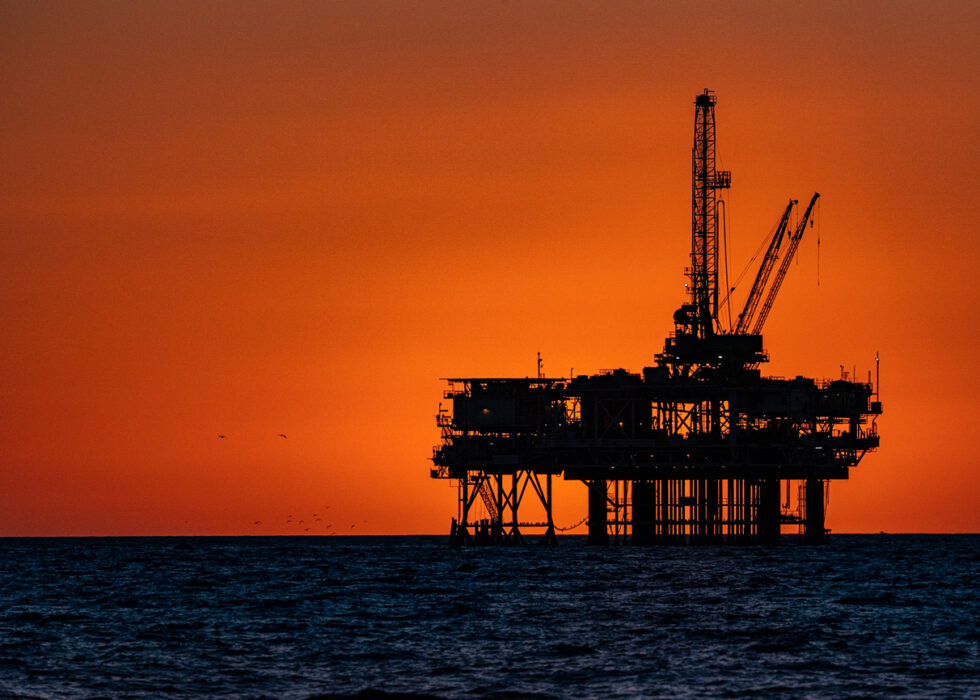
Despite endless climate pledges, governments around the world continue to approve new drilling, pipelines, and fossil fuel infrastructure. These projects aren’t designed for short-term use—they’re long-term investments, locking in decades of emissions we can’t afford.
Every new oil lease or LNG terminal contradicts the stated goals of net-zero. And yet, they’re pushed through with promises of jobs, energy independence, or lower fuel prices. But the math doesn’t lie: to avoid climate collapse, we need to stop expanding fossil fuel development—not five years from now, not after the next election—now. Approving new extraction in the face of climate science isn’t leadership. It’s sabotage.
6. Plastic bans are watered down to protect industry profits.

Single-use plastic bans sound great on paper—until you read the fine print. Many of these policies come with loopholes big enough to drive a dump truck through. Certain types of packaging get exempted. Enforcement is weak. Industries lobby for delays or substitute one polluting product for another under a different name.
Meanwhile, the companies creating the most plastic waste—often consumer goods giants—face no real pressure to change their packaging models. They pass the responsibility to consumers, while continuing to flood the market with disposable products. We don’t need plastic bans in name only. We need accountability from the top down—and policy that isn’t afraid to tell corporations “no.”
7. Green energy is being co-opted by the same polluting giants.
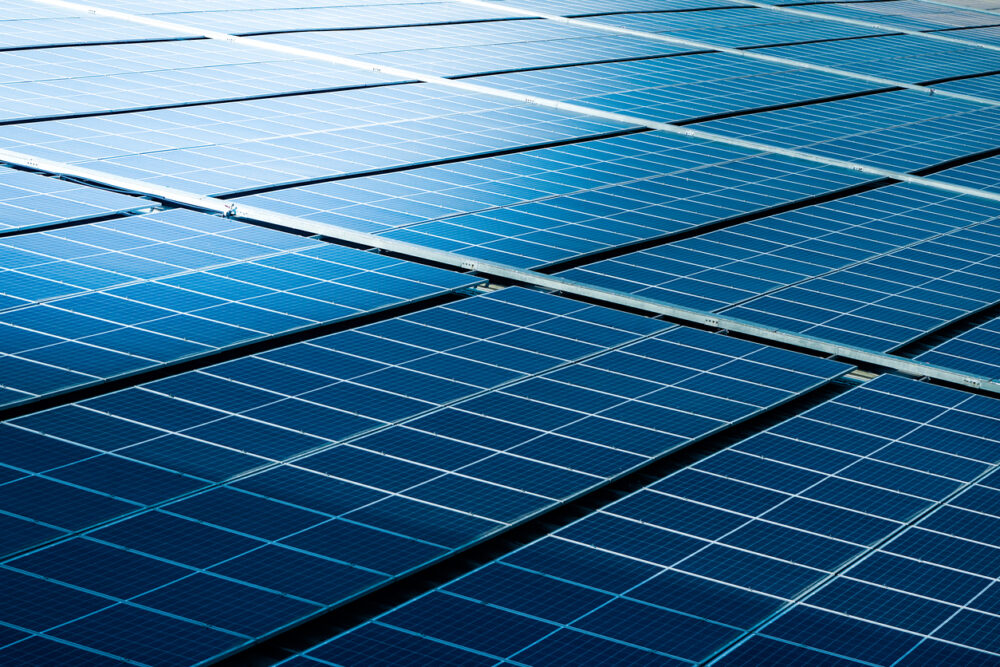
Wind, solar, and battery tech are essential—but who’s controlling the transition? In many cases, it’s the same oil and gas giants who spent decades denying climate change. Now, they’re rebranding as “energy companies,” buying up renewables, and lobbying for policies that keep them in charge of the shift.
But their version of clean energy often replicates the same extractive logic. Instead of decentralized, community-owned power, we get massive solar farms and lithium mines with little oversight or regard for local impact. The transition becomes another opportunity for profit, not justice. And when the same corporations that caused the crisis control the so-called solution, we’re not really moving forward—we’re reinforcing the same imbalance under a greener logo.
8. Corporate agriculture gets rewarded for destruction, not regeneration.

Industrial farming is one of the biggest contributors to greenhouse gas emissions, deforestation, and water pollution. Yet government subsidies overwhelmingly support this model—propping up monocultures, chemical-intensive practices, and factory farms while leaving small-scale regenerative growers underfunded or ignored.
The policies driving agriculture prioritize short-term yields over long-term sustainability. And the people trying to rebuild the land—using compost, biodiversity, and soil health—often can’t compete.
We praise “climate-smart agriculture” but fund systems that kill the soil and drive rural communities into debt. If we want food systems that heal instead of harm, the policy has to stop favoring the very practices that are accelerating collapse.
9. Environmental racism still shapes who pays the highest price.
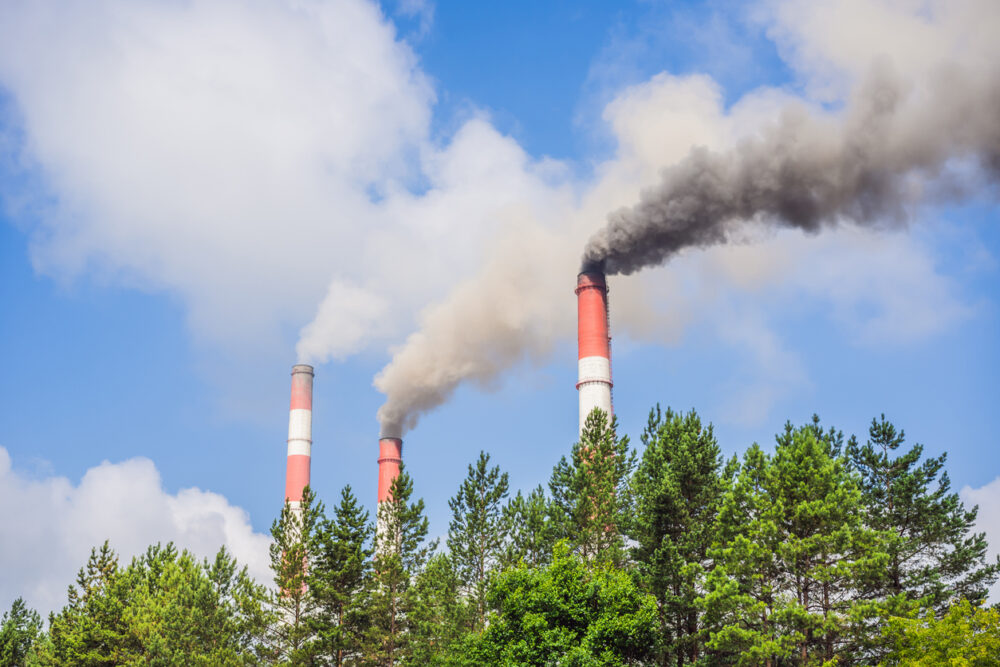
Polluting industries don’t set up shop in wealthy, white neighborhoods. They’re overwhelmingly placed near low-income, Black, Indigenous, and brown communities—places where land is undervalued, political power is limited, and resistance is harder to organize. This isn’t an accident. It’s by design.
And the policies that allow it remain largely untouched. Zoning laws, permitting processes, and weak enforcement all reinforce the pattern: sacrifice zones where people are forced to breathe toxic air, drink unsafe water, and fight for basic protections. Climate justice doesn’t just mean emissions reductions. It means dismantling the structures that allow some communities to be deemed disposable.
10. Climate funds get promised—but rarely delivered.

World leaders love to talk about climate finance. Billions pledged to help poorer countries adapt to a crisis they didn’t cause. But when you follow the money, the gap between promises and reality is staggering. Pledges are delayed, underdelivered, or come in the form of loans instead of grants—adding debt to injury.
These broken promises have consequences. Countries on the frontlines of climate impacts are left to face storms, droughts, and displacement without the resources they were told they could count on. And while wealthy nations stall, fossil fuel investments continue flowing freely. It’s not just hypocrisy—it’s global injustice, baked into international policy.
11. Climate disinformation is still protected as free speech.
Fossil fuel companies and their allies have spent decades funding misinformation—casting doubt on climate science, delaying action, and framing environmentalism as elitist or extreme. Today, that disinformation lives on in think tanks, media outlets, and viral posts that muddy the waters just enough to stall momentum. And there are few consequences. Social platforms profit from engagement, not accuracy.
Political leaders repeat falsehoods without pushback. And climate denial morphs into climate delay—an endless cycle of “not yet,” “not like that,” or “let’s wait for innovation.” As long as powerful interests are allowed to spread false narratives under the guise of open debate, the truth stays buried—and the planet pays the price.