
A new global report warns coral reefs have entered a collapse phase as ocean temperatures keep rising.

A new Global Tipping Points Report 2025, led by the University of Exeter and involving more than 160 scientists across 87 institutions, has concluded that warm-water coral reefs have become the first major ecosystem on Earth to cross a climate tipping point. The report finds that at roughly 1.4°C of global warming—above the estimated 1.2°C threshold for reef survival—mass bleaching and coral mortality have become unavoidable. Researchers say this marks a profound shift in the planet’s ecological balance, with ripple effects expected to impact marine biodiversity, fisheries, and global coastal communities.
1. Coral Reefs Have Crossed Their Thermal Threshold
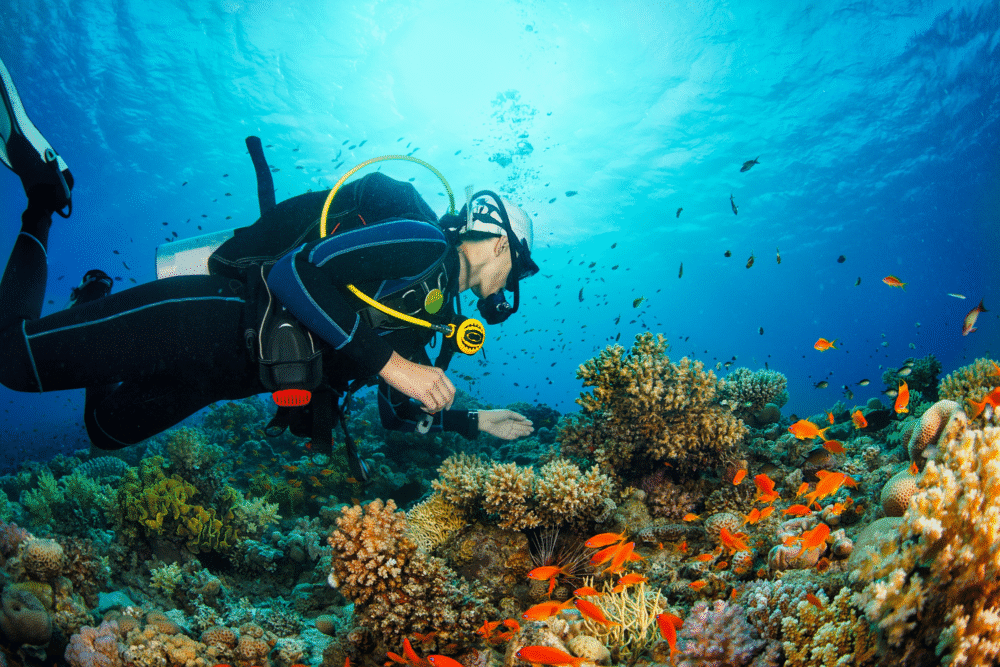
Scientists define a climate tipping point as the threshold beyond which a system undergoes irreversible change. For coral reefs, that threshold is estimated at about 1.2°C of global warming. Since global temperatures have now reached approximately 1.4°C, reefs have surpassed their ability to recover from repeated stress.
Bleaching events—when corals lose their symbiotic algae under heat stress—are happening with increasing frequency and severity. These events used to occur once every few decades; now they happen every few years. The lack of recovery time means reefs can no longer sustain their previous diversity or structure, signaling a transition toward collapse.
2. The 2023–2025 Global Bleaching Event Was Unprecedented

The ongoing global coral bleaching event, beginning in 2023 and continuing through 2025, has been the most widespread and severe in recorded history. Elevated ocean temperatures have caused extensive bleaching across more than 80 countries, impacting roughly 84 percent of coral reefs worldwide.
In some regions, corals endured continuous heat stress for months, leading to mass mortality. Scientists say this event provides clear, real-time evidence that reefs are crossing ecological boundaries. Even the most resilient species are struggling to recover, demonstrating how extreme ocean warming has outpaced coral adaptation.
3. Coral Loss Threatens Marine Biodiversity and Fisheries
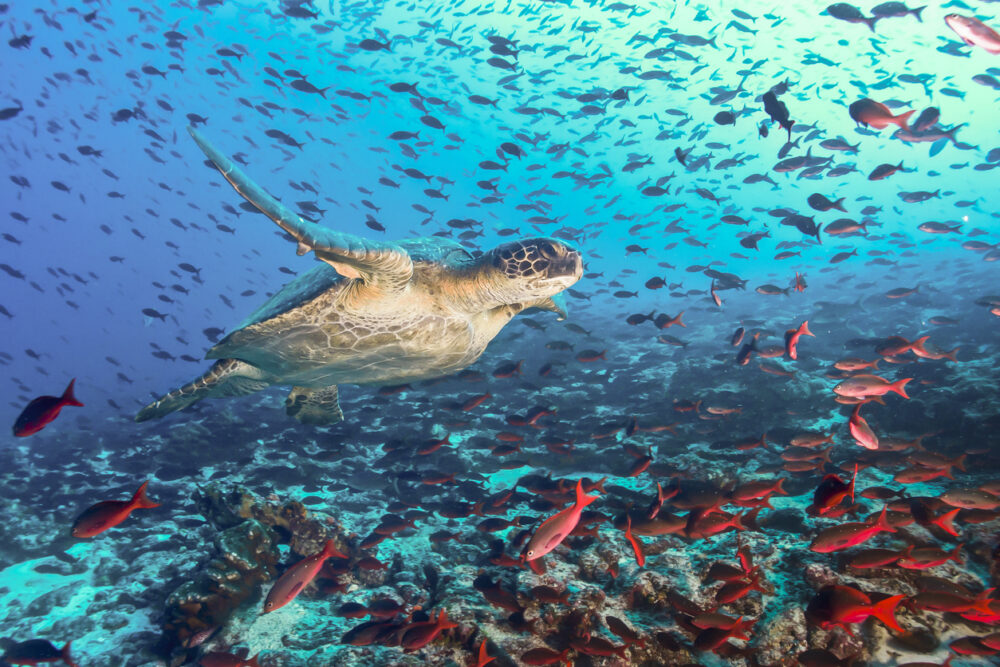
Coral reefs are biodiversity hotspots, home to roughly a quarter of all marine species despite covering less than one percent of the ocean floor. They serve as nurseries for fish, protect coastlines, and support global food webs. When reefs die, entire ecosystems unravel.
Fish populations decline as they lose spawning and feeding grounds, and coastal communities suffer from food shortages and economic loss. The collapse of coral ecosystems could trigger cascading effects through the marine environment, threatening both ocean health and human livelihoods.
4. Coral Decline Poses Major Risks for Coastal Economies

Reefs provide essential protection for more than 500 million people living near tropical coastlines. They act as natural barriers that reduce storm surges and erosion. As reefs die, coastal vulnerability increases sharply, particularly in island nations and low-lying regions.
Tourism and fisheries—two industries worth billions of dollars annually—are also at risk. The degradation of coral ecosystems undermines local economies, public health, and long-term sustainability for communities that rely on reef-based resources for survival.
5. Some Refuge Pockets Could Survive
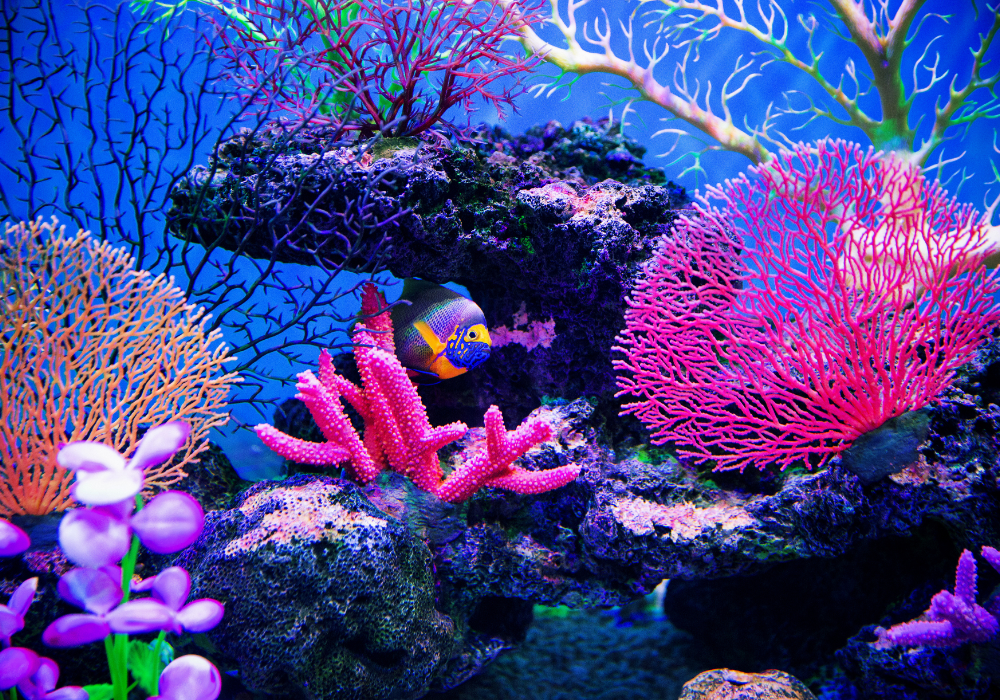
Despite global decline, scientists have identified potential “refugia”—small regions with cooler water or local protections that may allow limited coral survival. These areas often benefit from strong currents, deep water upwelling, or conservation measures that reduce pollution and overfishing.
While these refuges cannot reverse global reef collapse, they may preserve genetic diversity critical for future restoration. Protecting these resilient pockets could help sustain coral species capable of adapting if global temperatures eventually stabilize.
6. The Tipping Point Does Not Mean Instant Extinction

Crossing a tipping point does not mean every reef disappears immediately. Instead, it signals that the system has entered a state of long-term decline, even if temporary recoveries occur in isolated regions.
Scientists compare this to a “slow-motion collapse,” where surviving reefs continue to degrade as ocean temperatures rise. Without rapid global cooling, corals will lose their structural integrity, biodiversity, and ecological function, transforming vibrant reefs into algae-dominated rubble.
7. Other Earth Systems Are Now Approaching Similar Limits

The Global Tipping Points Report 2025 warns that coral reef collapse may be the first of several cascading thresholds. Other systems—such as the Amazon rainforest, polar ice sheets, and major ocean currents—are showing early signs of instability.
Each tipping point amplifies others through feedback loops. For instance, melting ice accelerates ocean warming, which in turn worsens coral bleaching. Scientists caution that failing to stabilize one system could accelerate collapse across others, threatening global climate balance.
8. Rapid Emissions Reductions Could Slow Further Damage
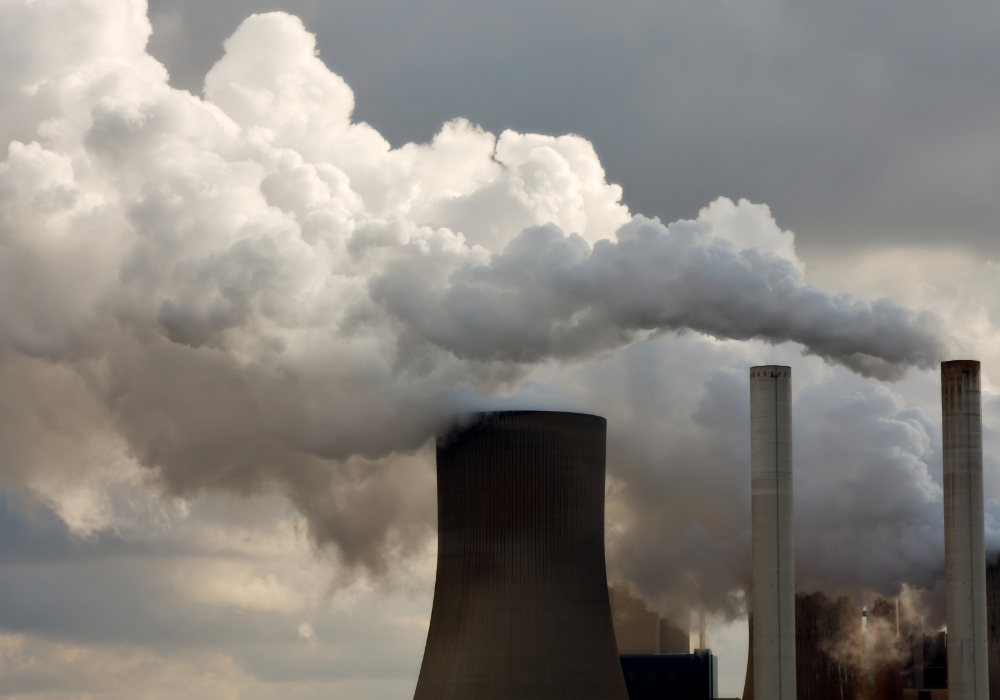
The report emphasizes that humanity still has a narrow window to reduce emissions and limit further ecosystem loss. Returning global temperatures toward 1.2°C could help slow bleaching and preserve remaining coral diversity.
Achieving this goal requires steep reductions in greenhouse gas emissions, expansion of renewable energy, and policies to protect marine ecosystems. While full recovery may no longer be possible, mitigation can still prevent the total disappearance of reef life.
9. Local Conservation Efforts Remain Essential

Local actions such as reducing pollution, regulating fishing, and establishing marine protected areas can help buffer reefs from compounding stressors. These measures strengthen local resilience, even if they cannot fully counteract global warming.
Communities that invest in sustainable reef management are better equipped to maintain fisheries, tourism, and biodiversity. Experts say local action “buys time” for ecosystems, delaying collapse while global solutions are pursued.
10. The Economic and Human Impacts Could Be Enormous

The economic value of coral reefs is estimated at over $2.7 trillion annually when accounting for tourism, fisheries, and coastal protection. Their decline could create severe financial losses, particularly in developing nations.
Food insecurity, forced migration, and infrastructure damage could rise as coastal defenses weaken. The collapse of coral ecosystems may also erode cultural heritage and identity for island and coastal populations that have depended on reefs for generations.
11. There Is Still Time to Preserve What Remains
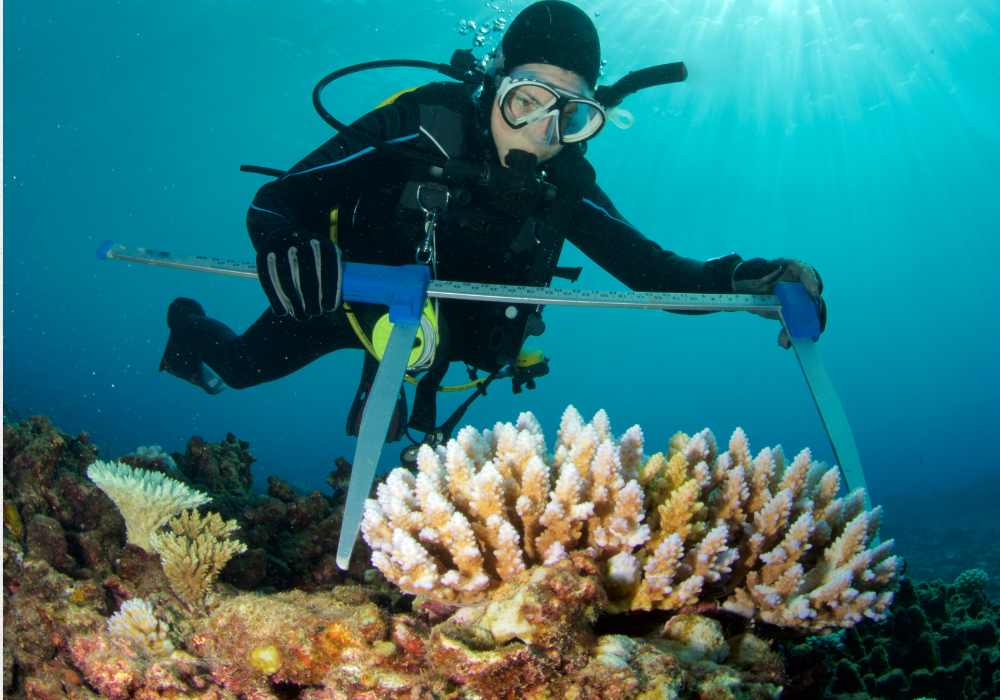
Although the report concludes that the tipping point for coral reefs has been crossed, scientists emphasize that proactive action still matters. Lowering emissions, protecting surviving reefs, and expanding restoration programs can slow decline and preserve parts of these ecosystems.
Future generations may not see coral reefs as they exist today, but global cooperation could ensure that fragments survive. Scientists view this as both a warning and an opportunity—a reminder that while tipping points signal danger, they also mark a final chance to act before loss becomes total.