
Once a quiet cornerstone of presidential life, the East Wing’s demolition marks the end of a historic era.
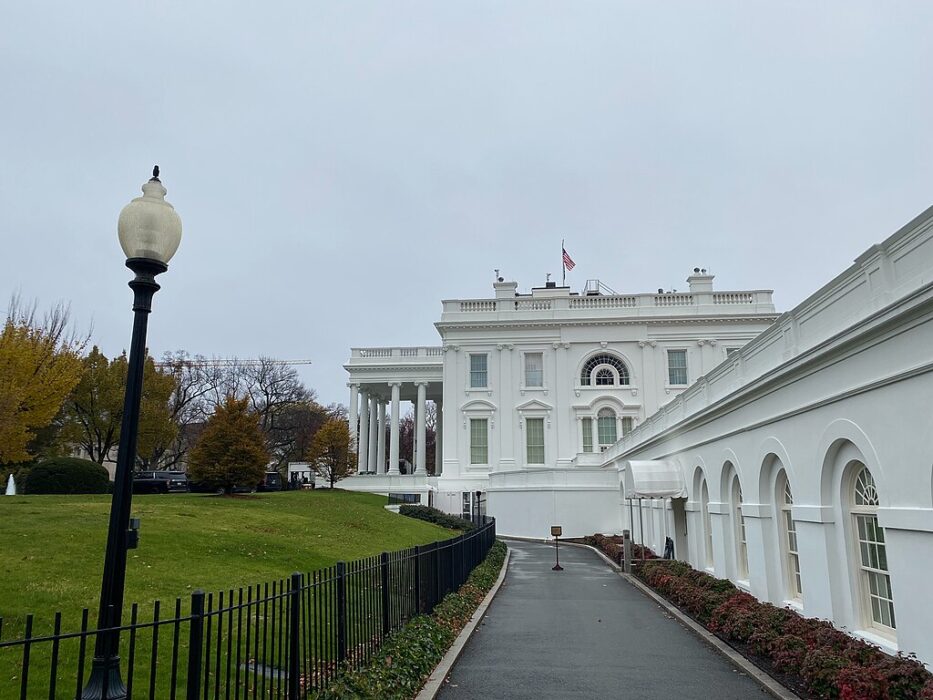
In a move that surprised historians and the public alike, the White House East Wing—long home to the First Lady’s offices and decades of presidential history—was recently demolished as part of a major renovation project. Behind its walls once unfolded stories of wartime planning, state visits, and private family life. Its destruction not only reshapes the White House complex but also closes a remarkable chapter in America’s architectural and political history.
1. The East Wing’s Origins Date Back to 1902
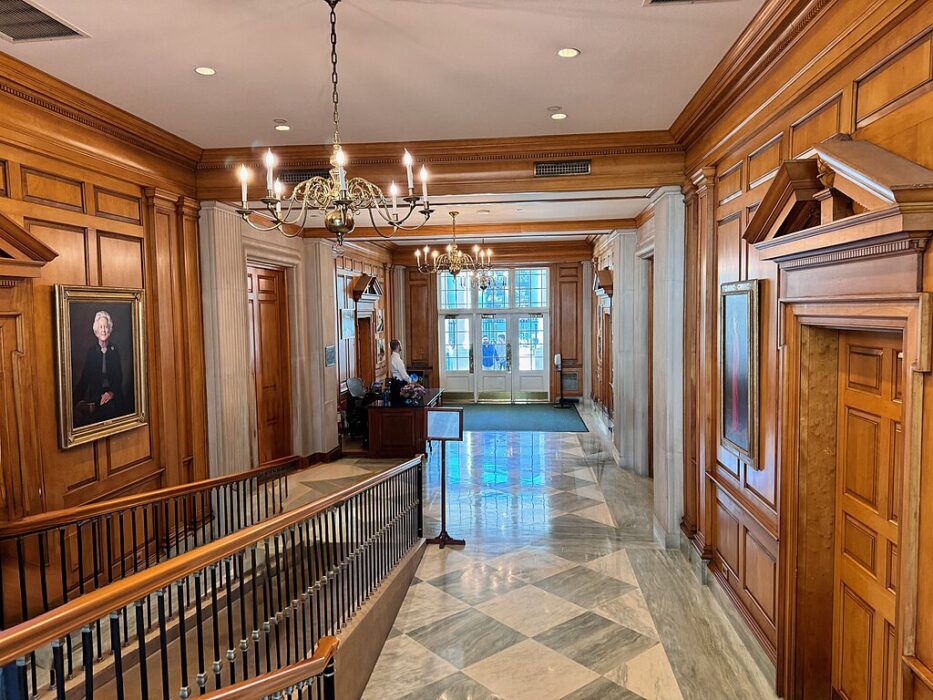
The East Wing was first added during President Theodore Roosevelt’s 1902 renovation of the White House. Before that, the mansion lacked defined wings, and offices were scattered throughout the main residence. The new structure helped separate the family’s private quarters from the government’s official spaces.
It also provided a formal entrance for guests and staff, balancing the newly built West Wing, which housed the president’s offices. Though modest at first, the East Wing became an essential part of the White House’s symmetry and function.
2. A Wartime Expansion Gave It a New Role

During World War II, the East Wing was expanded again under President Franklin D. Roosevelt. The additional space allowed for military communications and served as a link to the underground air-raid shelter known as the Presidential Emergency Operations Center.
This reinforced area became crucial during the war, ensuring the president and First Lady could access safety during air raids. It also helped transform the East Wing from a ceremonial entryway into an active, strategic workspace for the executive branch.
3. The East Wing Became the First Lady’s Base of Operations

Beginning in the mid-20th century, the East Wing evolved into the official domain of the First Lady and her staff. It housed offices for social secretaries, schedulers, and policy advisers who supported everything from cultural events to major national initiatives.
Eleanor Roosevelt, Lady Bird Johnson, and Rosalynn Carter all worked from offices there, each shaping the East Wing’s modern identity. Over time, it became synonymous with the First Lady’s leadership, advocacy, and public-facing duties.
4. Jackie Kennedy’s Restoration Projects Took Root There
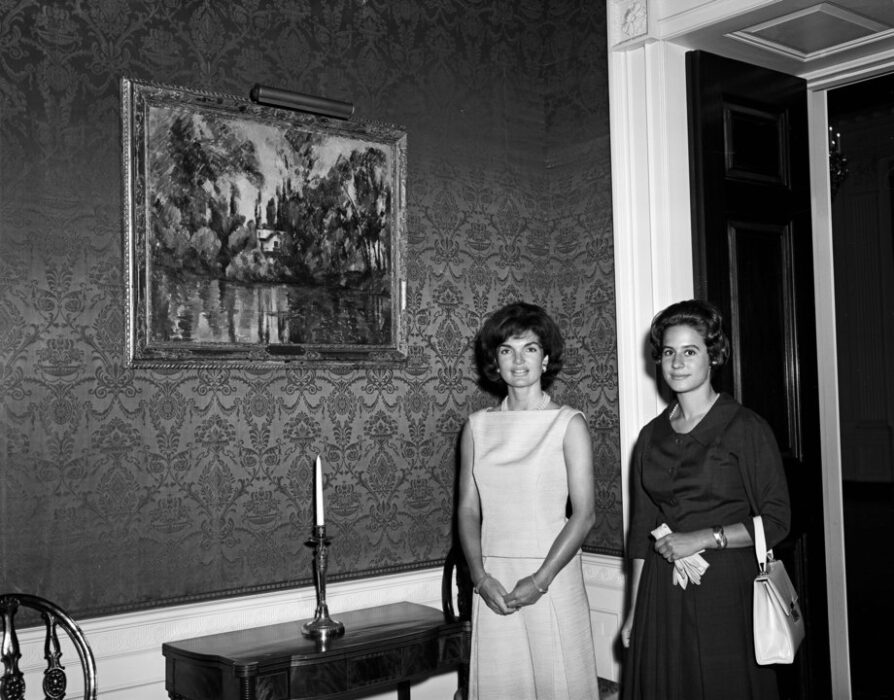
During the early 1960s, Jacqueline Kennedy used her East Wing office as a command center for the historic restoration of the White House. She envisioned transforming the residence into a living museum that reflected the nation’s artistic and political heritage.
Her team coordinated donations, historical research, and design work from the East Wing, culminating in the now-iconic televised White House tour in 1962. The Jacqueline Kennedy Garden, adjacent to the East Wing, became a living tribute to her influence.
5. The East Colonnade Connected the White House to the World

The long East Colonnade, running from the residence to the East Wing, served as both an architectural feature and a symbol of continuity. Designed originally by Roosevelt’s architects, it became a familiar sight to millions of visitors entering for tours or state events.
Presidents and dignitaries alike often walked the colonnade en route to ceremonies or press events. It framed some of the most photographed arrivals in presidential history, capturing moments from wartime visits to holiday celebrations.
6. The East Wing Played Host to Generations of Guests

For more than a century, the East Wing functioned as the main public entry for White House tours and events. Millions of Americans passed through its doors to attend receptions, meet world leaders, and view historic rooms.
The Grand Foyer and East Garden Room became famous for seasonal displays, from Christmas trees to art exhibitions curated by First Ladies. Its spaces reflected the intersection of history, art, and diplomacy that defined White House tradition.
7. National Crises Once Unfolded Behind Its Walls

Beyond ceremony, the East Wing occasionally became a backdrop for urgent national moments. During the Cuban Missile Crisis, staff used parts of the area as temporary meeting and communications hubs.
In later decades, the underground bunker connected to the East Wing was used during moments of national security concern, including the September 11 attacks. These events underscored how the East Wing served not just symbolic functions but also critical operational ones.
8. The White House Family Theater Was a Hidden Gem

Tucked within the East Wing complex was the White House Family Theater, built during the Franklin D. Roosevelt administration. The small private cinema was used for screening films for presidents, first families, and foreign leaders.
Every president from Roosevelt onward used the theater for both leisure and diplomacy, including screenings of major motion pictures and documentaries. It became one of the residence’s most intimate and exclusive spaces, hidden just beyond public view.
9. The East Wing Was a Hub for Media and Press Relations

By the late 20th century, portions of the East Wing were adapted for communications staff and press coordination. First Ladies such as Hillary Clinton and Michelle Obama used the space for outreach programs, educational initiatives, and high-profile interviews.
The East Wing’s proximity to both the residence and West Wing made it ideal for bridging policy and public messaging. It served as the behind-the-scenes command post for many of the White House’s most visible campaigns.
10. Renovations Modernized It but Preserved Its Heritage

Over the decades, the East Wing underwent multiple updates, including major renovations under the Truman, Reagan, and Obama administrations. These projects strengthened structural supports, modernized utilities, and enhanced accessibility.
Each renovation tried to maintain the wing’s historical character while adapting it to modern security and environmental standards. Until its demolition in 2025, the East Wing remained one of the best-preserved examples of early 20th-century executive architecture.
11. The 2025 Demolition Marked the End of an Era

In October 2025, the East Wing was demolished to make way for a proposed 90,000-square-foot ballroom as part of a modernization plan under President Donald Trump. Preservation groups and historians expressed alarm over the decision, citing the loss of irreplaceable heritage.
Photographs showed excavators tearing through the East Colonnade and portions of the Jacqueline Kennedy Garden. While officials defended the project as necessary for modernization and security, many called it one of the most consequential architectural changes in White House history.
12. The East Wing’s Legacy Will Endure
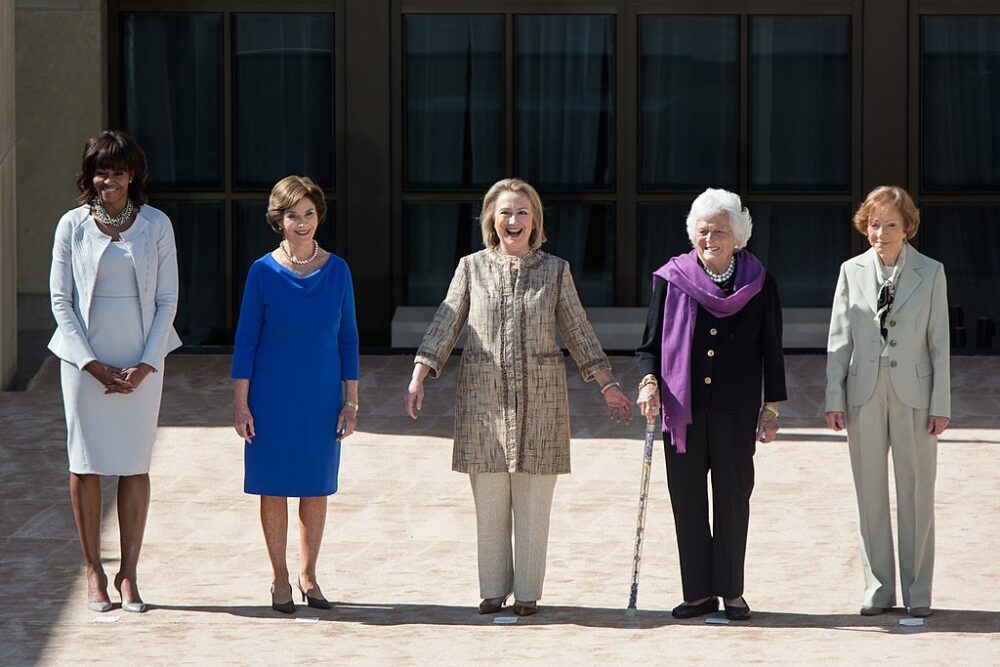
Though the structure itself is gone, the East Wing’s impact remains woven into more than a century of American history. It was where First Ladies shaped policy, hosted world leaders, and preserved the country’s cultural identity.
Its demolition reignited national debate about preservation, modernization, and memory. Whether replaced by new construction or commemorated in archives, the East Wing’s spirit—its symbolism of partnership, diplomacy, and leadership—will continue to define the White House story.