
The extraordinary true story of the village that defied the Black Death.

When the plague reached the tiny village of Eyam in 1665, its people faced an impossible decision: flee and spread the disease—or stay and face death together. What happened next became one of history’s most extraordinary acts of courage. Entire families isolated themselves, knowing it would save others beyond their stone walls. Their sacrifice changed the course of the epidemic—and turned this quiet English village into a lasting symbol of selflessness and bravery.
1. The Plague Reached a Quiet English Village in 1665

In the summer of 1665, the Black Death swept through England, devastating London and other major cities. No one in the tiny Derbyshire village of Eyam imagined it would reach their isolated valley. Life there was simple—shepherds, tailors, and merchants lived side by side in close-knit cottages surrounded by stone walls and moorland.
But one day, a parcel of cloth arrived from London to a local tailor named George Viccars. Inside it were not only fabrics, but the deadly fleas carrying Yersinia pestis—the bacterium responsible for the plague.
2. A Tailor’s Parcel Sparked a Deadly Outbreak

When George Viccars opened the damp bundle of cloth, he noticed it was infested with fleas. Within days, he fell gravely ill with fever and swelling in his lymph nodes—the telltale signs of the bubonic plague. He died soon after, becoming Eyam’s first victim.
The disease spread quickly through his household and to neighboring families. As autumn arrived, more villagers fell sick. The plague had found its way into one of England’s most remote communities, and panic began to spread along with it.
3. Fear Gripped the Village as Death Toll Rose

Within weeks, death became a daily occurrence in Eyam. Families buried loved ones in their gardens or nearby hillsides to prevent further spread. Survivors described the haunting silence that replaced the sound of village life.
Some villagers wanted to flee, believing escape was their only chance to survive. But others feared that leaving would spread the infection to nearby towns and farms. Eyam stood at a crossroads—between self-preservation and moral responsibility.
4. A New Rector Urged the Village to Stay
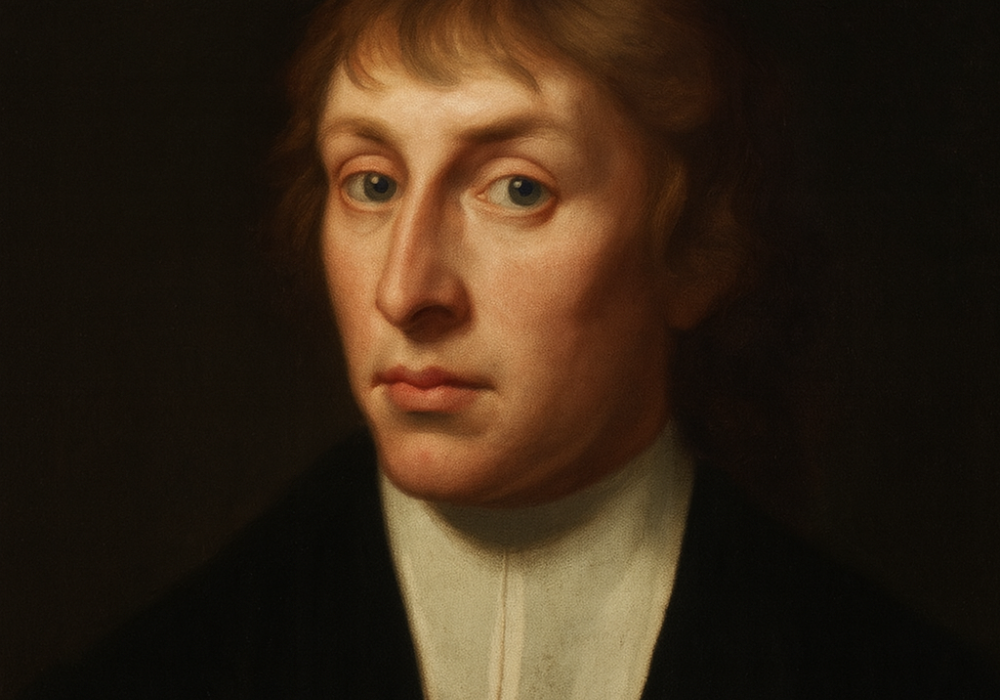
Eyam’s rector, Reverend William Mompesson, had arrived just a year earlier, following the previous minister’s death. A pragmatic man of faith, he saw the danger the disease posed beyond Eyam’s borders. With the help of his predecessor’s nonconformist assistant, Thomas Stanley, he made an extraordinary proposal.
Mompesson urged the villagers not to flee. Instead, he suggested they quarantine themselves—cutting all contact with the outside world to stop the plague from spreading further. It was a radical idea for the 17th century, and the decision would seal Eyam’s place in history.
5. The People of Eyam Chose Isolation Over Escape

After heated debate, the villagers agreed to the plan. They would remain in Eyam, fully aware that doing so could mean death. They established boundaries—marked by boundary stones—around the perimeter of the village. No one was to cross them in or out.
The courage of that decision cannot be overstated. In an age without modern medicine or scientific understanding, the people of Eyam embraced isolation not for their own safety, but for the lives of strangers beyond their valley.
6. Quarantine Changed Every Aspect of Life

The quarantine transformed daily life. Worship moved outdoors to a natural amphitheater called Cucklett Delf, where families stood apart to reduce contact. Trade stopped, markets closed, and families relied on goods left at the boundary stones.
Coins were soaked in vinegar—believed to disinfect them—before payments were left in exchange for food or medicine. The village became a place of silence, where the living tended to the sick and buried the dead without ceremony or help from beyond their borders.
7. Families Faced the Plague Alone
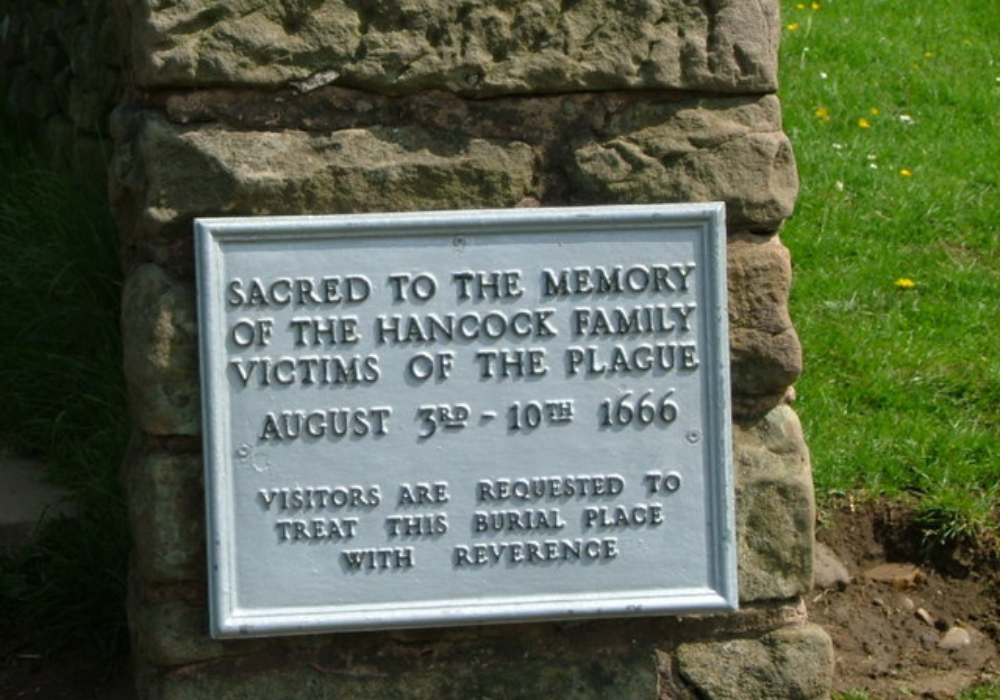
In isolation, families endured unimaginable hardship. Entire households perished, leaving cottages abandoned. In some homes, one survivor lived among the bodies of their relatives until help could arrive. Records show that Elizabeth Hancock buried six of her own children and her husband in just eight days.
Despite their grief, the villagers honored their vow not to leave. Their suffering protected neighboring towns like Sheffield and Bakewell, which remained largely untouched by the outbreak.
8. Death Claimed a Third of Eyam’s Population

By the following year, the toll was staggering. Out of roughly 800 residents, more than 250 had died. The disease struck without mercy—children, parents, clergy, and farmers alike. The rector’s own wife, Catherine Mompesson, succumbed to the illness after caring for the sick.
When the plague finally subsided in late 1666, only a fraction of the original population remained. Yet the disease had not spread beyond Eyam’s boundaries—a remarkable outcome given how infectious it was elsewhere.
9. Their Sacrifice Contained the Outbreak

Historical records suggest that the self-imposed quarantine worked. While nearby towns continued to trade and travel freely, they saw few if any plague deaths linked to Eyam. The villagers’ sacrifice may have saved thousands of lives across northern England.
Modern epidemiologists view Eyam’s decision as one of the earliest examples of community quarantine—a strategy that would later become central to disease control centuries later during epidemics such as COVID-19.
10. Eyam Became a Symbol of Courage and Compassion
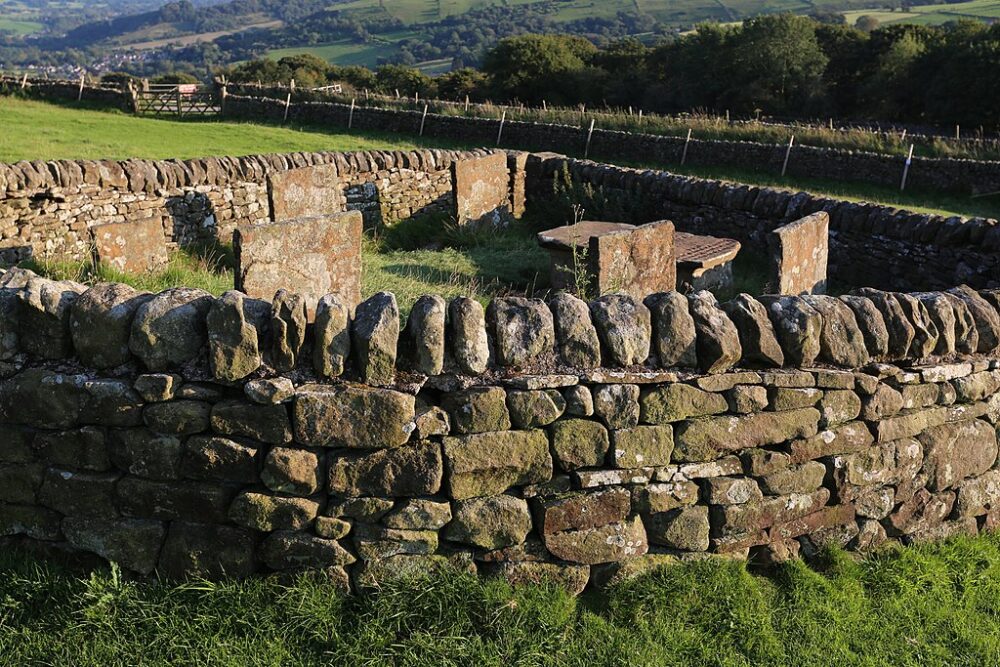
In the years that followed, Eyam’s story spread across England and Europe as an example of moral bravery. The villagers’ self-sacrifice was remembered not as tragedy alone, but as an act of collective heroism rooted in empathy and faith.
Historians regard the Eyam quarantine as one of the most selfless decisions in public health history. Against unimaginable odds, ordinary people acted with extraordinary resolve to protect others they would never meet.
11. The Village Still Honors Its Victims Today
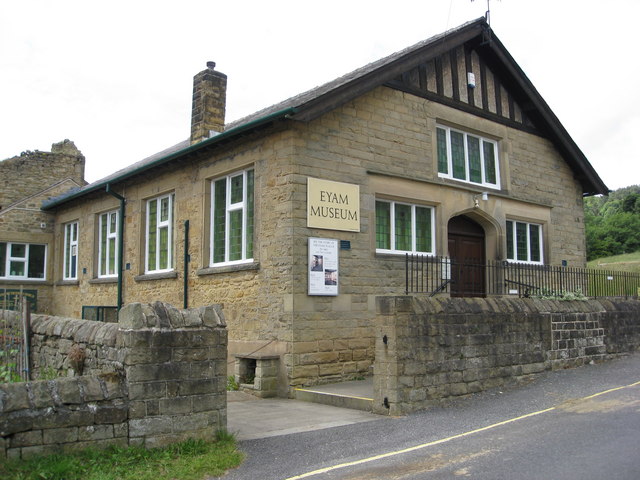
Centuries later, Eyam remains a living memorial to those who made that choice. The village’s churchyard holds plaques listing the names of the plague’s victims, and annual commemorations mark their courage. Visitors walk the same paths the villagers once used to bring supplies or bury their dead.
Local guides and historians keep the story alive, reminding the world that Eyam’s sacrifice was not just about death—it was about humanity’s capacity for compassion even in the darkest moments.
12. Eyam’s Legacy Lives On in a Modern World

The story of Eyam has taken on new meaning in the modern era of global pandemics. When COVID-19 struck centuries later, scientists and historians revisited Eyam’s quarantine as an early model of community action and ethical responsibility.
Eyam’s legacy endures as a testament to courage in the face of fear. The villagers’ decision to stay—knowing it meant certain death—proved that even in isolation, humanity’s greatest strength can still be found in unity and sacrifice.