
Discover how stimulating this hidden nerve can melt away stress and boost your mood instantly.

You know that constant buzz of stress, the feeling of being perpetually on edge, or that anxious knot in your stomach? What if I told you there’s a built-in superpower inside your own body, a secret weapon you can activate to melt away that tension and find profound calm? It’s not some new supplement or an extreme detox; it’s an ancient nerve that holds the key to your entire nervous system.
For too long, we’ve focused on external fixes for internal turmoil, overlooking the incredible healing potential that lies within us. Imagine being able to flip a switch that shifts you from fight-or-flight mode to a state of deep relaxation, boosting your mood, digestion, and even your immune system. This isn’t just wishful thinking—it’s the power of your vagus nerve. Often called the “wandering nerve” because it stretches from your brainstem all the way to your abdomen, it plays a critical role in regulating nearly every internal organ and directly influences your well-being. Get ready to discover 11 simple, yet incredibly effective ways to tap into this calming current and unlock a healthier, happier you.
1. Cold exposure is your surprising secret weapon for instant calm.
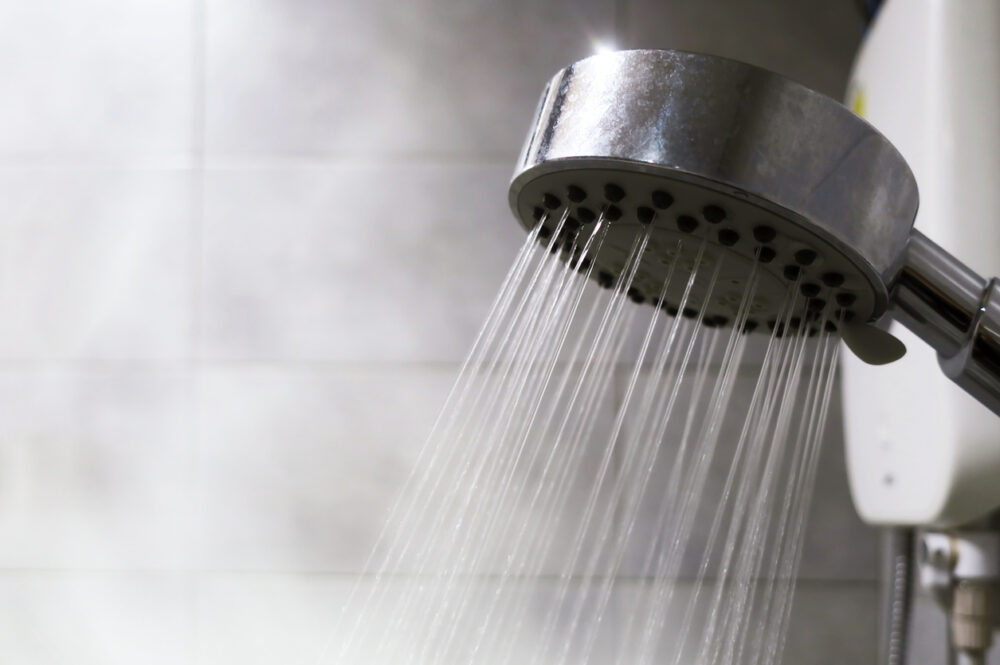
Ready for a refreshing shock to your system that actually makes you feel better? It might sound counterintuitive, but embracing a bit of cold exposure is one of the most powerful ways to activate your vagus nerve and dial down stress, according to the experts at UCLA Health. Think about that invigorating feeling after a brisk walk on a chilly day or the deep breath you take stepping into a cooler shower. That’s your vagus nerve getting a gentle jolt! You don’t need to dive into an ice bath (unless you’re feeling adventurous!); even simple things like splashing cold water on your face, finishing your shower with 30 seconds of cool water, or holding an ice pack to your neck for a few minutes can do wonders.
The sudden cold sends signals along the vagus nerve, immediately slowing your heart rate and shifting your body from a “fight or flight” response to a more relaxed, “rest and digest” state. It’s a quick, free, and surprisingly effective way to reset your nervous system and feel more grounded.
2. Deep, slow breathing is your on-demand anxiety antidote.

You probably breathe all day without thinking about it, but did you know how you breathe can be a super powerful tool for stress relief? Forget those shallow, hurried breaths we often take when we’re stressed. The trick here is to deliberately slow things down and breathe deeply into your belly. Think about taking a long, slow inhale through your nose, letting your belly expand like a balloon, then exhaling even slower through your mouth, as if you’re sighing out all your tension. This type of diaphragmatic breathing directly stimulates your vagus nerve, sending a clear signal to your brain that it’s time to calm down, as reported by Ana Gotter at Healthline.
It literally tells your nervous system, “Everything’s okay, you can relax now.” It’s incredible how quickly a few minutes of this conscious breathing can shift you from a state of panic or overwhelm to one of peace. It’s always with you, always available, and incredibly effective for bringing yourself back to center.
3. Humming, gargling, or singing can instantly soothe your nervous system.

This might sound a little silly, but bear with me—it’s surprisingly effective! Your vagus nerve actually runs through your vocal cords and the back of your throat. So, when you engage these areas through certain sounds, you’re directly stimulating the nerve and sending calming vibrations throughout your body, as stated by Asha Dore at The Washington Post. Think about how good it feels to hum a favorite tune or sing along loudly in the car. It’s not just about the music; it’s the physical vibration. Similarly, gargling vigorously with water can have a profound effect.
The effort involved in these actions activates those specific muscles and nerve pathways, instantly sending a signal to your brain to shift into a more relaxed state. It’s like a mini-massage for your vagus nerve, helping to slow your heart rate and reduce feelings of anxiety. Give it a try next time you’re feeling stressed—you might be surprised by how quickly you feel a sense of calm wash over you.
4. Laughter is your hidden pathway to profound inner peace.

They say laughter is the best medicine, and when it comes to your vagus nerve and overall well-being, they’re absolutely right! When you genuinely laugh—the deep, belly kind of laughter—you’re engaging your diaphragm and core muscles, which in turn stimulates your vagus nerve. This isn’t just about feeling good emotionally; it’s a physiological response that sends calming signals throughout your body. Think about how your body feels after a really good laugh—lighter, more relaxed, and less tense. That’s your nervous system shifting gears.
Making an effort to find humor, watching a funny movie, sharing jokes with friends, or even just doing some “laughter yoga” can be incredibly beneficial. It breaks the cycle of stress, floods your body with feel-good chemicals, and gives your vagus nerve a wonderful workout, promoting a state of “rest and digest” and helping you unwind from the daily pressures of life.
5. Mindful meditation can supercharge your body’s calming response.

You’ve likely heard about meditation for stress, but did you know it’s a powerful way to directly work with your vagus nerve? When you practice mindfulness, even for just a few minutes, you’re essentially training your brain to be present and calm. This intentional focus, often combined with slow, deliberate breathing, strengthens the connection between your mind and your vagus nerve.
By consciously bringing your attention to your breath, your body, or a specific sensation, you activate the parasympathetic nervous system, which is where your vagus nerve does its best work. It’s about stepping out of the constant chatter of your thoughts and into a state of quiet observation. This practice, over time, can increase your vagal tone, making it easier for your body to return to a state of calm after stress. It’s not about emptying your mind, but about observing your thoughts without judgment, allowing your vagus nerve to do its incredible calming work.
6. Gentle massage can unlock immediate stress relief.

Who doesn’t love a good massage? It turns out, certain types of gentle touch can be incredibly therapeutic for your vagus nerve. Think about areas like your neck, shoulders, and even your feet – places where we often hold a lot of tension. A gentle, circular massage on the sides of your neck, just behind your ears, or even on your feet, can directly stimulate vagal nerve endings.
This sends calming signals up to your brain, helping to slow your heart rate and ease muscle tension. You don’t need a professional; a simple self-massage using your fingertips can be very effective. It’s a wonderful way to provide immediate relief when you’re feeling overwhelmed or anxious. This mindful touch helps shift your body out of a stressed state, promoting relaxation and encouraging your nervous system to rest and recover. It’s a reminder that sometimes the simplest gestures can have the most profound calming effects.
7. Connecting with nature is your ultimate nervous system reset.

Stepping outside isn’t just about fresh air; it’s a powerful way to calm your entire being and activate your vagus nerve. Think about the feeling of peace you get from being in a forest, listening to the waves crash, or simply sitting in a park. This isn’t just “in your head”—it’s a physiological response. Spending time in natural environments helps reduce cortisol levels (your stress hormone) and promotes a state of relaxation. The sights, sounds, and even smells of nature directly impact your nervous system, signaling to your vagus nerve that you’re in a safe, tranquil environment.
It helps pull you out of the constant stimulation of modern life and into a more grounded, present state. Even a short walk in a local green space can make a big difference. It’s a gentle reminder that our bodies are designed to be in harmony with the natural world, and reconnecting with it is a fundamental way to support your vagal health.
8. Mindful movement can gently awaken your body’s calming power.

Beyond intense workouts, engaging in mindful movement like yoga or tai chi can be profoundly beneficial for your vagus nerve. These practices combine slow, deliberate movements with conscious breathing and focused attention, creating a powerful synergy for calming your nervous system. When you move with intention, tuning into your body’s sensations rather than rushing through reps, you’re sending positive signals along the vagus nerve.
The gentle stretches, twists, and sustained poses help release tension in the muscles surrounding the nerve pathways, further enhancing its function. It’s not about pushing yourself to exhaustion, but about finding a rhythm that feels good and promotes internal balance. This type of movement helps regulate your heart rate variability, a key indicator of vagal tone. So, next time you feel stressed, consider flowing through a few gentle yoga poses or practicing some slow tai chi movements—your vagus nerve will thank you.
9. Social connection is a surprising tonic for your stressed-out self.

We often underestimate the power of simply being with people we care about, but genuine social connection is a huge boost for your vagus nerve and overall well-being. When you feel safe, supported, and loved, your nervous system responds by shifting into a “rest and digest” state. Think about the warmth you feel during a heartfelt conversation with a friend, the joy of a family gathering, or the comfort of a shared laugh. These moments release oxytocin, often called the “love hormone,” which directly stimulates the vagus nerve and promotes feelings of calm and contentment. Isolation, on the other hand, can activate your stress response.
Making an effort to connect meaningfully with others, whether in person, over the phone, or even through a video call, provides crucial emotional nourishment that helps regulate your nervous system. It’s a powerful reminder that we are wired for connection, and it’s essential for our health.
10. Practicing gratitude can profoundly shift your internal state.

It might sound too simple, but consciously focusing on what you’re grateful for is a powerful way to tap into your vagus nerve and promote a state of calm. When you direct your attention to positive aspects of your life, even small ones, you’re shifting your brain chemistry and signaling to your nervous system that you’re in a safe and abundant place.
This positive mindset directly impacts vagal tone, moving you out of stress and into a state of appreciation and peace. It’s not about ignoring challenges, but about choosing where to focus your energy. Try keeping a gratitude journal, or simply take a moment each day to think of three things you’re thankful for. This simple practice can rewire your brain over time, making it easier for your vagus nerve to keep your body in a relaxed and balanced state. It’s a free and incredibly effective way to cultivate inner harmony.
11. Probiotics and a healthy gut can strengthen your brain-body connection.

This might be the most surprising one, but your gut health is intimately linked to your vagus nerve and overall well-being. Your gut is often called your “second brain” because it contains millions of neurons and produces many of the same neurotransmitters as your brain, including serotonin, a key mood regulator. The vagus nerve is the primary communication highway between these two “brains.” When your gut microbiome—the community of bacteria in your intestines—is healthy and balanced, it sends positive signals along the vagus nerve to your brain, promoting a sense of calm and reducing inflammation.
Conversely, an imbalanced gut can send distress signals. Eating probiotic-rich foods like yogurt, kefir, sauerkraut, and kimchi, or taking a high-quality probiotic supplement, can help foster a healthy gut environment. This, in turn, strengthens your vagus nerve’s ability to regulate your mood and stress response, proving that true calm often starts from within your belly.