
Living with just one car can simplify your life, cut costs, and open up more freedom than you’d expect.

Most families think they absolutely need two cars to function in modern society, but what if that second vehicle is actually making your life more complicated rather than easier? The average American household spends about $9,600 per year on each car they own, between payments, insurance, gas, and maintenance. That’s nearly $20,000 annually for two vehicles—money that could go toward vacations, retirement, or paying off debt faster.
But the benefits of downsizing to one car go far beyond just saving money. Couples who make this choice often discover that sharing a vehicle strengthens their relationship, simplifies their daily routines, and opens up lifestyle possibilities they never considered. Sometimes having less really does give you more.
1. You’ll save enough money to take epic vacations every year

The average cost of owning a second car—including payments, insurance, registration, maintenance, and gas—runs about $8,000-$10,000 annually. That’s enough for a luxury European vacation or several weekend getaways throughout the year. Most people don’t realize how much that extra vehicle actually costs because the expenses are spread out over monthly payments and quarterly insurance bills.
When you eliminate car payment number two, that money becomes immediately available for things you actually enjoy. Instead of making payments on a depreciating asset that sits in your driveway, you could be exploring new places and creating memories. The psychological shift from “we have to pay for this car” to “we get to plan amazing trips” can completely change how you think about money.
2. Your relationship gets stronger when you have to coordinate and communicate

Sharing one car forces couples to talk about their schedules, priorities, and plans in ways they might otherwise avoid. You can’t just grab keys and disappear without considering your partner’s needs. This daily coordination strengthens communication skills and ensures both people stay connected to each other’s routines and commitments.
Many couples discover that the planning required for one-car living actually reduces stress rather than creating it. When you have to discuss who needs the car when, you naturally become more intentional about your activities. Spontaneous trips to Target at 9 PM become less common, but meaningful conversations about your day become more frequent.
3. You’ll walk and bike more, accidentally becoming healthier

Without a second car available for every small errand, you’ll naturally start walking to nearby stores, biking to the gym, or taking public transit. These small changes add up to significant increases in daily physical activity without requiring a formal exercise routine or gym membership.
The health benefits compound over time—better cardiovascular fitness, stronger muscles, improved mental health from outdoor activity, and more vitamin D from sunlight exposure. You might discover coffee shops, parks, or neighbors you never noticed when you were always driving past them. Walking to destinations also gives you time to think, make phone calls, or listen to podcasts.
4. Your garage becomes useful space instead of expensive car storage

Most people park $30,000+ worth of vehicles in their garage while storing $5 worth of junk in their $200,000+ house. With just one car, you suddenly have room for a home gym, workshop, art studio, or additional storage. That extra garage space can become the most versatile room in your house.
You could set up woodworking tools, create a meditation space, build storage for sporting equipment, or even convert part of it into a home office. The transformation from car storage to functional living space often feels like adding a whole room to your house without the renovation costs.
5. Decision fatigue disappears when you eliminate daily car choices

Having multiple vehicles means constantly deciding which one to take, where to park each one, which needs gas, and whose turn it is to drive. These micro-decisions create mental fatigue throughout the day. With one car, these choices simply evaporate, freeing up mental energy for more important decisions.
You’ll also avoid the frustration of grabbing keys for the car that’s blocked in, has no gas, or needs to be moved for street cleaning. The simplicity of “there’s the car, let’s go” eliminates a surprising amount of daily friction and minor annoyances that you don’t realize are stressing you out.
6. Environmental guilt vanishes when your carbon footprint shrinks dramatically

Transportation accounts for about 29% of greenhouse gas emissions in the United States, and the average passenger vehicle emits 4.6 metric tons of CO2 annually. Eliminating one car immediately cuts your household transportation emissions in half, creating an environmental impact equivalent to switching to renewable energy or making your home significantly more efficient.
Beyond carbon emissions, you’re also reducing demand for steel, rubber, plastic, and rare earth minerals used in vehicle manufacturing. The environmental benefits extend to less oil consumption, fewer tire particles polluting waterways, and reduced infrastructure strain on roads and parking lots.
7. Insurance companies reward you with lower rates for being a single-car household

Multi-car discounts might sound appealing, but insuring one vehicle often costs significantly less than insuring two cars even with discounts applied. You eliminate an entire set of liability, collision, and comprehensive coverage costs. Many insurance companies also offer lower rates to households with fewer vehicles because the risk profile is different.
You’ll also save money on registration fees, inspection costs, and state-required emissions testing. These seemingly small expenses add up to hundreds of dollars annually. Plus, you only have to remember one set of renewal dates instead of juggling multiple vehicle-related deadlines throughout the year.
8. Maintenance becomes simpler when you only have one vehicle to track
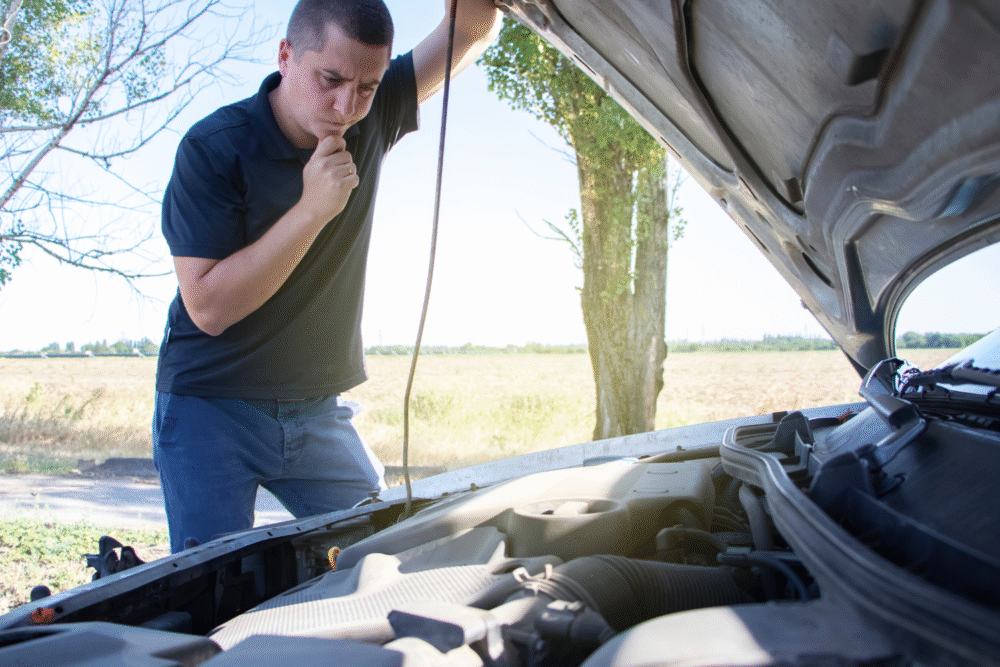
Instead of monitoring oil changes, tire rotations, and service schedules for multiple vehicles, you focus all your attention on keeping one car in excellent condition. This often leads to better maintenance practices and longer vehicle life because you’re not splitting your attention between multiple sets of needs.
You develop an intimate knowledge of your single vehicle—how it sounds when healthy, which quirks are normal, and when something feels off. This deeper familiarity helps you catch problems early and communicate more effectively with mechanics, potentially saving thousands in major repairs over the vehicle’s lifetime.
9. Parking stress evaporates in crowded cities and busy areas

Finding one parking space is challenging enough in dense urban areas, but securing two adjacent spots for a couple arriving separately can be nearly impossible. With one car, you park once and walk to multiple destinations instead of moving the vehicle constantly throughout the day.
You also become eligible for smaller, cheaper parking spaces that larger households can’t use. Monthly parking rates for one vehicle in cities can save hundreds of dollars compared to renting two spaces. Street parking becomes less stressful when you’re not worried about finding spots for multiple cars.
10. You buy better quality items because you have to plan purchases carefully

Without the convenience of always having a vehicle available for impulse shopping trips, you become more intentional about purchases. This leads to buying higher-quality items that last longer rather than cheap replacements you can grab quickly. You also tend to research purchases more thoroughly when getting to the store requires coordination.
The planning required often reveals that you don’t actually need many things you thought were urgent. The delay between wanting something and being able to easily acquire it creates natural cooling-off periods that prevent impulse buying and reduce household clutter.
11. Public transportation becomes an adventure instead of a last resort

When you occasionally need to get somewhere while your partner has the car, public transit transforms from an inconvenience into an opportunity to read, people-watch, or catch up on podcasts. You discover parts of your city you never knew existed and develop a better understanding of how your community connects.
Many people find that occasional public transit use keeps them connected to their broader community and provides perspective on different ways of living. You might discover that some destinations are actually easier to reach by train or bus than by car, especially during rush hour or in areas with limited parking.