
If biodiversity had a bucket list, these places would be at the top.
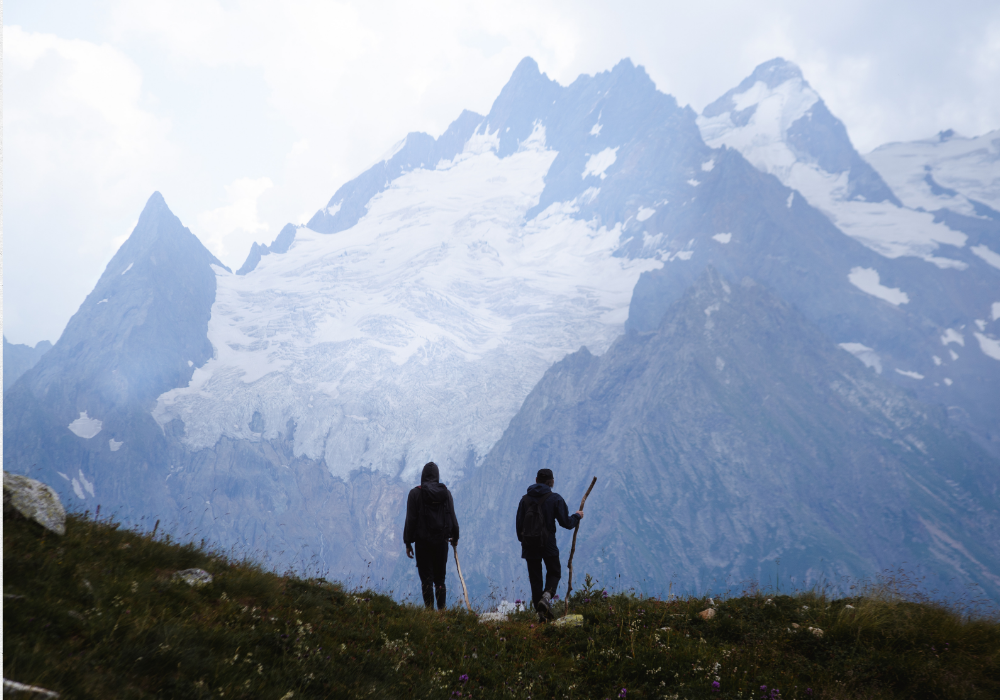
Some places feel like they hold the entire planet’s imagination—dense jungles, coral kingdoms, fog-wrapped mountains, and islands overflowing with life. These are biodiversity hotspots, regions teeming with unique species that exist nowhere else on Earth. They’re not just beautiful. They’re irreplaceable. And they’re disappearing.
What makes a hotspot isn’t just the number of species, but how fragile that richness is. These ecosystems represent less than three percent of Earth’s surface, yet they support more than half of all plant and animal life. Many are being lost to deforestation, climate change, overdevelopment, and extraction—faster than scientists can even document what’s there.
To see them now is to witness nature in its most concentrated form. To lose them is to erase entire chapters of evolution. These places aren’t just worth protecting—they’re essential to the balance of life on Earth. And once they’re gone, no amount of effort will bring them back.
1. Amazon rainforests can’t keep holding their breath much longer.
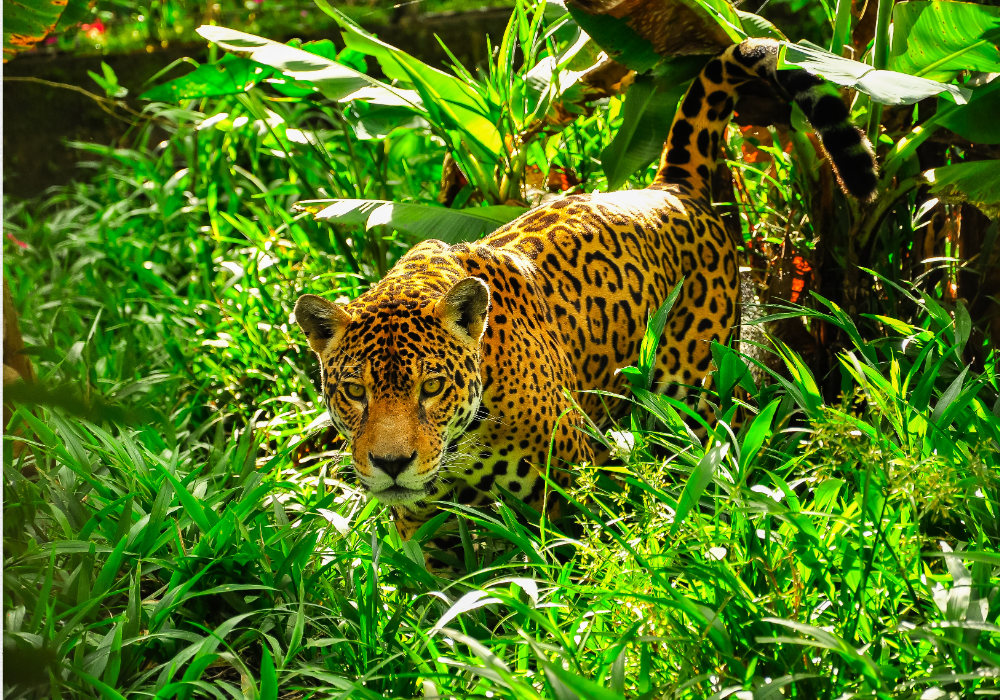
Stretching across nine countries and more than two million square miles, the Amazon is home to nearly 10% of all known species on Earth. Jaguars roam under cathedral-high trees. River dolphins glide through chocolate-colored tributaries. Insects that haven’t even been named yet buzz in tangled understory. Every step reveals a new marvel—and possibly a species no one’s ever documented.
But decades of deforestation, fires, and extractive industries have pushed this ecosystem to a breaking point. According to research published by Bernardo Flores in Nature, up to half of the Amazon could pass a tipping point by 2050 due to human activity, turning it from a carbon sink into a carbon source. Scientists warn that the Amazon is dangerously close to a tipping point—beyond which it may no longer be able to recover. It’s not just a rainforest. It’s a global climate regulator—and it’s hanging by a thread.
2. Nothing else on Earth looks like Madagascar—and nothing else ever will.
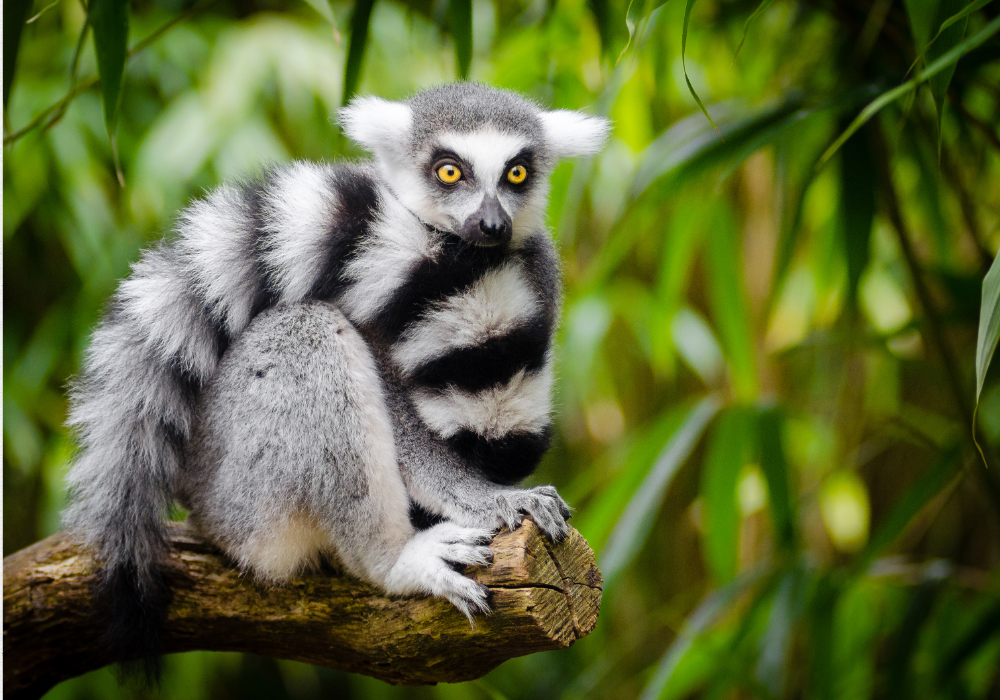
Roughly 90% of Madagascar’s plant and animal life is endemic, meaning it’s found nowhere else on Earth. Per the Duke Lemur Center, scientists estimate that about 90% of the plants and 85% of the animals on Madagascar are endemic.
Lemurs leap between baobab trees, chameleons shift colors in ancient rainforests, and spiny forests are home to creatures that look like they stepped out of a fantasy novel. This island is a biological time capsule, a living laboratory that’s been evolving in near-isolation for 80 million years.
But its uniqueness is its vulnerability. Slash-and-burn agriculture, illegal logging, and mining are slicing into Madagascar’s wild spaces, often faster than conservation efforts can respond. As habitats shrink, so does the chance for these rare species to survive. Once they’re gone, there’s no version of them left anywhere. What’s at stake isn’t just beauty—it’s 80 million years of evolutionary magic vanishing in a blink.
3. Western Ghats are what biodiversity looks like on overdrive.
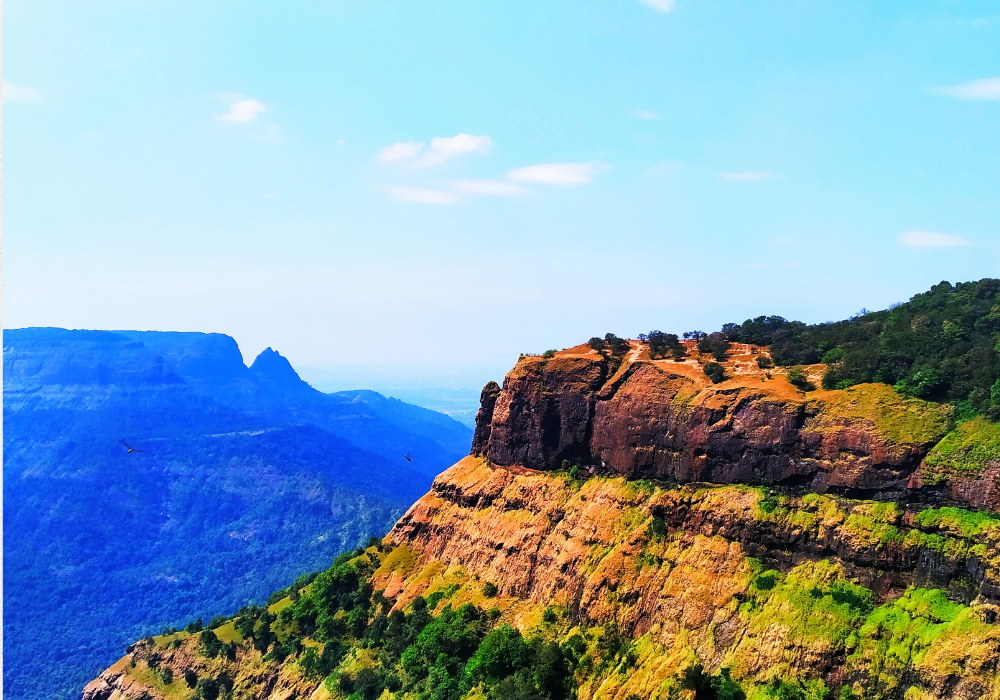
Running along India’s southwestern coast, the Western Ghats are a lush mountain range brimming with biodiversity. Despite covering less than 6% of India’s land area, they’re home to over 7,400 species, including rare orchids, elusive tigers, and hundreds of amphibians found nowhere else. As WWF reports, the Western Ghats are one of the world’s biodiversity hotspots, with more than 5,000 flowering plants, 139 mammals, 508 birds, and 179 amphibian species.
But agriculture, development, and dam-building are eating away at this critical habitat. Forest fragmentation is pushing species into tighter corners, isolating populations and making them more vulnerable to extinction. What makes the Western Ghats so rich is the very thing that puts it at risk: layers upon layers of interdependent life, now being pulled apart one piece at a time.
4. Coral reefs don’t scream when they die—but they are dying.
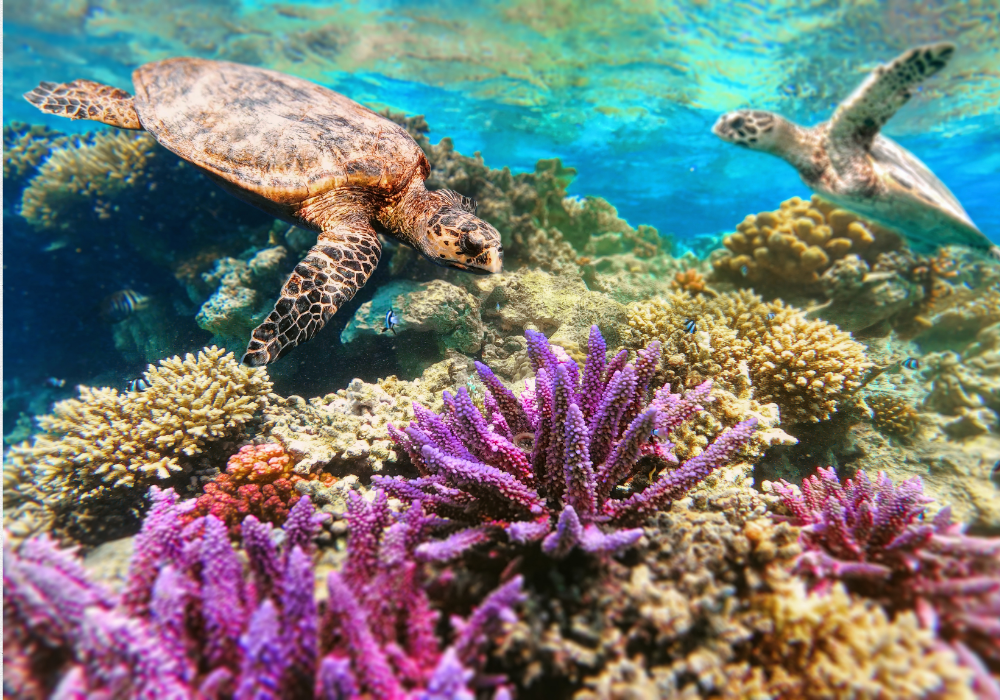
Spanning the waters of Indonesia, Malaysia, Papua New Guinea, the Philippines, the Solomon Islands, and Timor-Leste, the Coral Triangle is the marine equivalent of the Amazon. It holds 75% of the world’s coral species and supports thousands of types of reef fish, turtles, sharks, and more. The reefs here are vibrant cities—alive with motion, color, and sound.
But rising ocean temperatures and acidification are turning these underwater rainforests ghostly white. Coral bleaching is happening more frequently and more severely, stripping ecosystems of their foundation.
When coral dies, so does the structure that feeds, protects, and sustains marine life. What’s left behind is silence. Bleaching doesn’t just kill coral—it breaks the rhythm of an entire ocean.
5. Congo Basin forests are holding the world together—barely.

Second only to the Amazon in size, the Congo Basin stretches across six countries in Central Africa and holds one of the most important rainforests on Earth. Elephants roam through dense undergrowth. Bonobos chatter from the treetops. Thousands of species—many still undiscovered—live in its ancient green depths. It’s also a critical carbon sink, absorbing massive amounts of CO₂ every year.
Illegal logging, poaching, and extractive development are slicing into it fast. Roads cut through once-inaccessible forests. Wildlife is traded or hunted into oblivion. Climate change is intensifying droughts and fires, making recovery harder with each passing year. The Congo Basin doesn’t get the same spotlight as the Amazon, yet its collapse would send global ripples. What holds this forest together is wearing thin—and the clock is ticking.
6. Central Asia’s secret gardens are hiding in the harshest terrain.

The rugged peaks of the Tien Shan and Pamir Mountains in Central Asia are more than just dramatic landscapes—they’re biodiversity powerhouses. Rare snow leopards stalk the ridgelines. Wild tulips blanket alpine meadows. And isolated valleys host ancient species that have evolved in silence for millennia.
It’s a region where life has adapted to extremes—and still manages to thrive. Development, resource extraction, and climate shifts are beginning to change this remote region. Glaciers that once fed entire ecosystems are receding.
Warming temperatures are compressing fragile habitats, squeezing species into ever-narrower zones. Despite the remoteness, these mountains are not immune—and their slow unraveling has already begun.
7. Southwest Australia is bursting with wildflowers—and running out of room.

Western Australia’s southwest corner holds one of the most botanically rich ecosystems on Earth. Over 7,000 plant species grow here—more than half of them found nowhere else. The wildflowers are especially dazzling, with bursts of color across rolling heathlands and eucalyptus forests. Kangaroos, numbats, and tiny honey possums call this place home.
Much of the original habitat has already been cleared for agriculture and development. What remains is fragmented, making it harder for native species to survive seasonal shifts and invasive threats. Fires have become more frequent, and climate pressure is mounting. This floral haven still blooms each year, but each season feels more precarious than the last.
8. Borneo’s misty mountains are running out of places to hide.
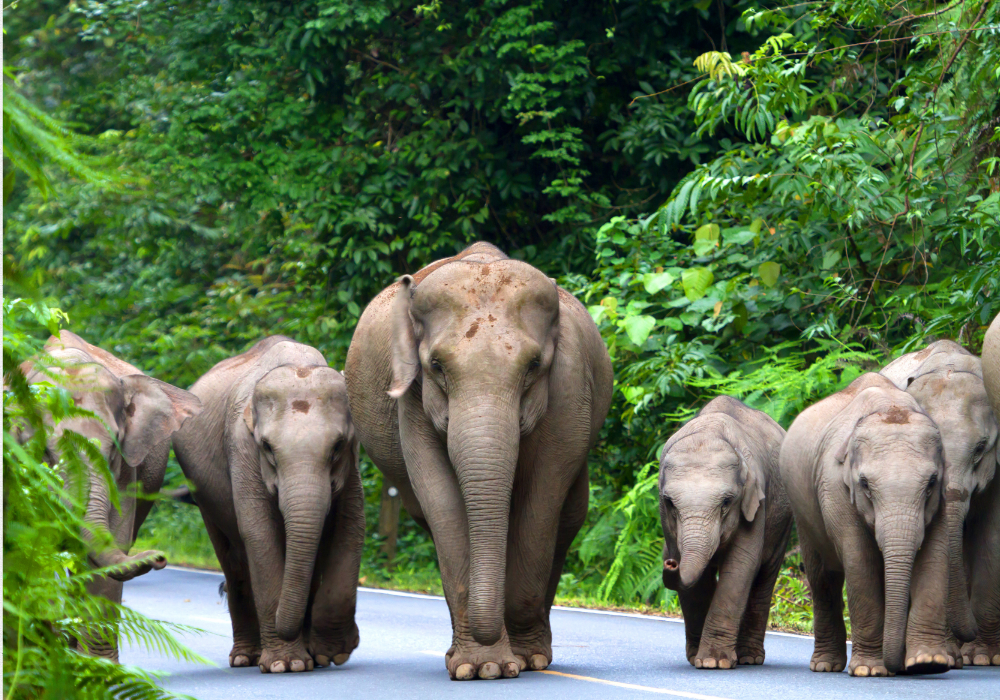
Borneo is already one of the most biodiverse places on Earth, but head into the highlands of Sabah and Sarawak, and things get even more extraordinary. Pitcher plants, clouded leopards, pygmy elephants, and orchids that grow nowhere else live here, often within just a few square kilometers. Misty peaks cradle ancient forests that feel untouched by time.
Palm oil expansion, logging, and climate shifts are closing in from every direction. Even these remote heights are no longer safe havens. As temperatures rise, the zone where certain species can survive keeps shrinking. Once the mountains are no longer a refuge, extinction becomes more than a possibility—it becomes a timeline.
9. Caribbean islands hold treasure troves of life in fragile packages.

Each island in the Caribbean is like its own evolutionary experiment. From brightly colored birds to tiny frogs that sing from leaf litter, these species have adapted in complete isolation. Cuba, Jamaica, and Hispaniola hold dozens of species found nowhere else—many of them already critically endangered. The beauty here lies in the specificity: unique plants and animals built for one place and one place only.
Rising sea levels, storms, tourism, and invasive species are placing these ecosystems under intense pressure. Fragmented habitats leave island species with nowhere to escape. Many animals here never learned to flee because they never had to.
That lack of defense, combined with shrinking environments, makes extinction faster and harder to stop. What took millions of years to evolve can vanish in a single generation.
10. Andes cloud forests feel like magic—and act like climate machines.
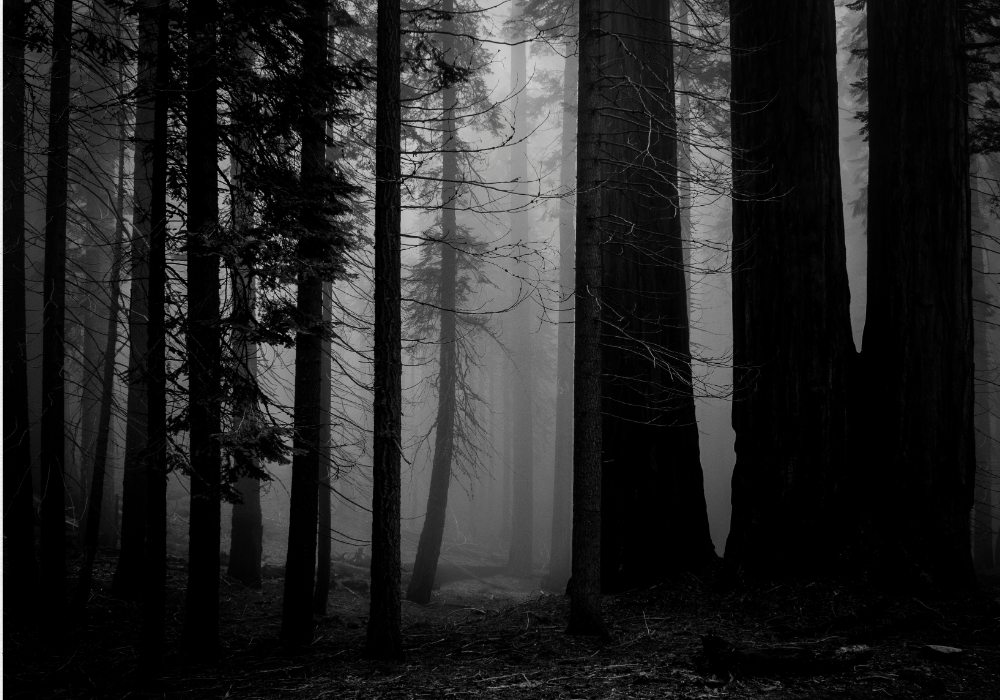
High in the Andes, where mountain air meets tropical humidity, cloud forests thrive. These misty ecosystems stretch across Colombia, Ecuador, Peru, and Bolivia, layered with mossy trees, neon frogs, and orchids that bloom out of branches. Their biodiversity rivals the Amazon’s—but with far more altitude. Endemic species are tucked into every elevation band, evolving across gradients of temperature and rainfall.
Logging, mining, and shifting weather patterns are wearing down this vertical world. As climate change moves cloud cover higher, many plants and animals are being pushed upslope—until eventually, there’s nowhere left to go. These forests are also vital water sources for millions of people downstream. When they shrink, so does access to clean water. Losing them would mean losing both biodiversity and essential natural infrastructure.
11. Mediterranean ecosystems are hanging on by root and claw.
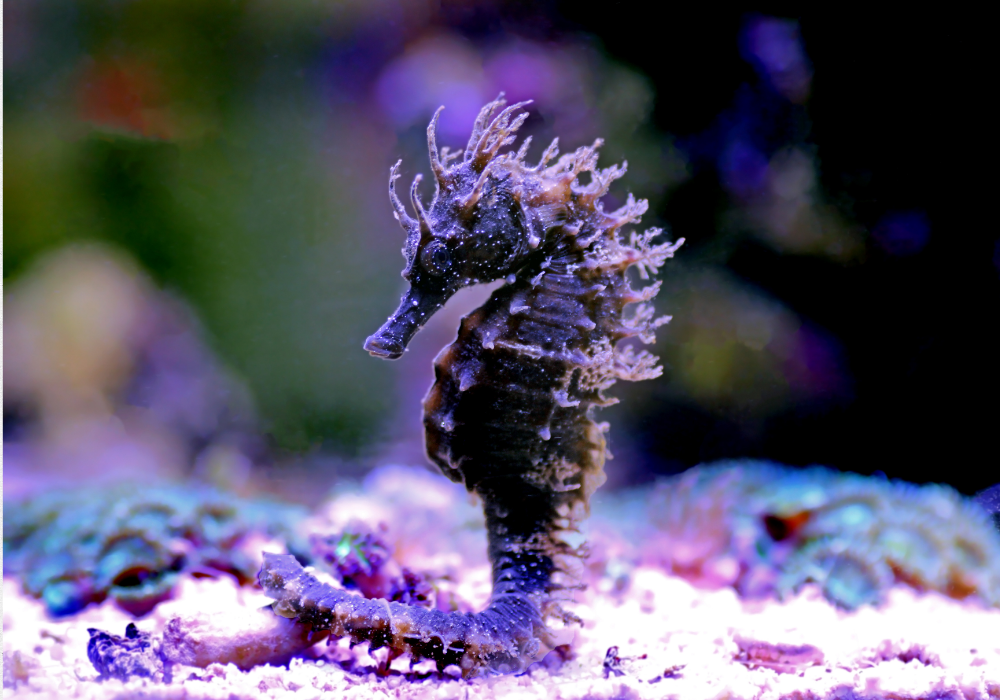
The Mediterranean may be better known for its coastline than its conservation, but it’s one of the most biodiverse temperate regions on the planet. Wild olive trees, aromatic herbs, reptiles, birds, and mammals coexist in dry, scrubby forests and rocky hillsides. It’s a mix of subtropical and arid species that don’t often share space anywhere else.
Urban expansion, agricultural pressure, and climate-induced droughts are wearing the region thin. Frequent fires and overgrazing turn rich landscapes into bare ones. These ecosystems are used to extremes—they evolved with heat and scarcity—but the pace of change has accelerated beyond what resilience can handle. What was once tough terrain for life is now becoming unlivable.
12. Eastern Himalayas are bursting with life that few ever see.
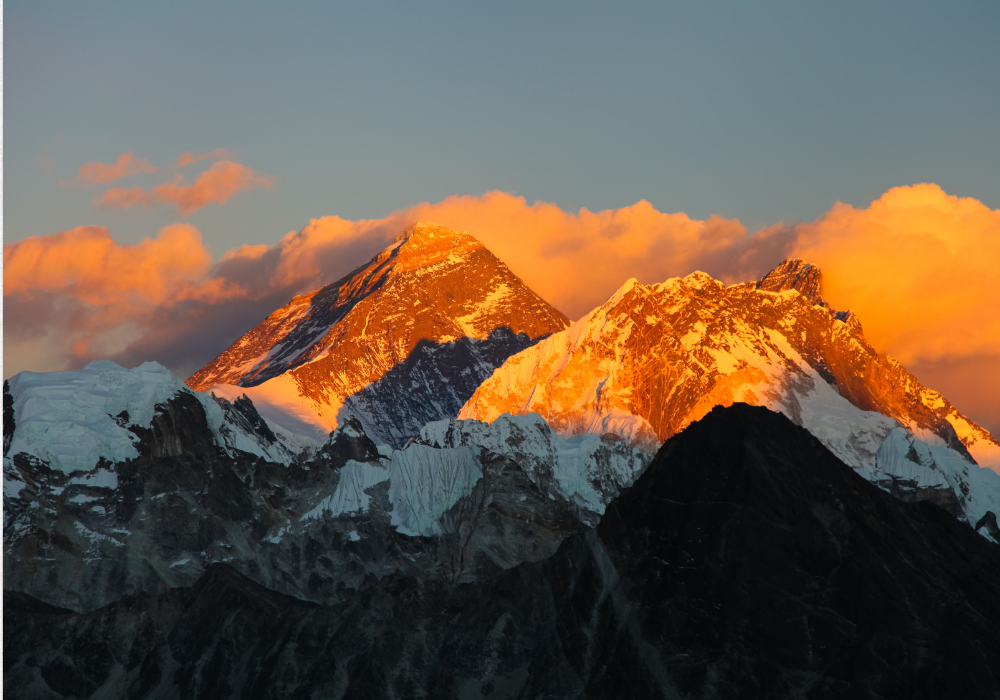
From Bhutan to northeastern India and parts of Nepal and Tibet, the Eastern Himalayas are one of the least explored and most biologically rich regions in the world. Red pandas, takins, snow leopards, and thousands of alpine plants call these steep, rugged slopes home. Remote valleys shield hidden species, and entire ecosystems remain relatively untouched.
Infrastructure development, warming temperatures, and shifting rainfall patterns are putting that seclusion at risk. Roads cut into forests, bringing fragmentation and access for logging or hunting.
Plants and animals finely tuned to narrow elevation ranges can’t move fast enough to stay in their comfort zones. Much of this biodiversity is still unknown—and the world may lose it before it’s even been fully studied.
13. Wallacea is evolution on fast forward and it’s slipping through our fingers.

This lesser-known region of Indonesia sits between Borneo and New Guinea, a chain of islands where Asian and Australian species collide. It’s a biological blender: birds that climb like squirrels, marsupials living next to monkeys, and reptiles found nowhere else on Earth. Evolution here moves fast and strange, and the result is a dazzling spread of creatures adapted to island life.
Logging, mining, and illegal wildlife trade are threatening to unravel it all. Island ecosystems are fragile by nature, and small disruptions have outsized effects. Once deforested, recovery is slow—if it happens at all. Conservation efforts are trying to keep pace, but as land disappears, so do the evolutionary oddities that make Wallacea irreplaceable.
14. New Zealand feels like a fantasy world and extinction is catching up.
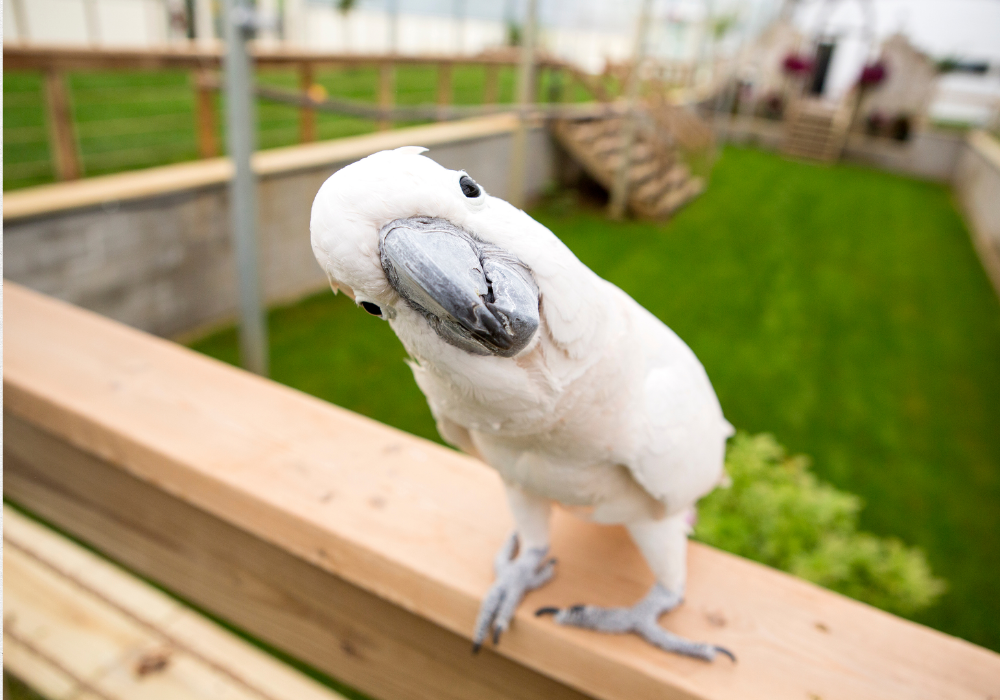
Separated from the rest of the world for 80 million years, New Zealand became a haven for birds, insects, and plants that evolved without mammalian predators. The result? Parrots that can’t fly, giant snails that shimmer like gemstones, and forests that hum with sounds found nowhere else. This is what isolation does when left to flourish.
European colonization brought rats, cats, stoats, and habitat loss. Native species that never learned to defend themselves are vanishing fast. Conservation efforts are robust and creative—predator-free sanctuaries, rewilding, and indigenous-led stewardship—but the pressure hasn’t let up. Even paradise needs backup. And New Zealand’s ecological clock is ticking louder.
15. California’s wild heart is more than fire and coastline.

From the Sierra Nevada to coastal redwoods to the Channel Islands, California is bursting with biodiversity. More plant species grow here than in any other U.S. state. Salamanders, condors, desert bighorns, and rare wildflowers exist only in these microclimates carved by fault lines and fog. It’s an ecological patchwork of staggering variety.
Climate change is now fueling stronger droughts and more frequent megafires. Urban sprawl slices through habitats, while water scarcity threatens both agriculture and wildlands. California still feels wild, but its biodiversity is being pushed into tighter, more vulnerable corners. What’s at stake isn’t just nature—it’s the stability of the landscape millions call home.