
What’s fueling this crossover has less to do with Nashville than you might think.
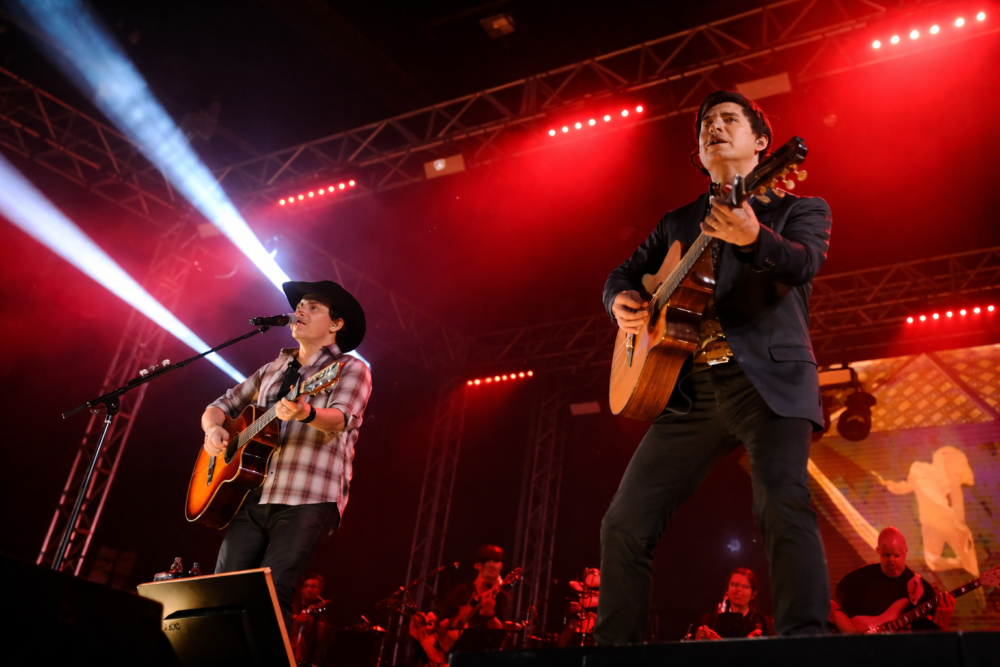
At first glance, country music and Brazil might seem worlds apart. One is rooted in rural America, the other in a country known globally for samba, bossa nova, and funk. Yet over the past few decades, a familiar twang has quietly taken hold.
What began as local, rural storytelling evolved into one of Brazil’s most dominant music forces. Today, massive crowds sing along to songs that echo heartbreak, faith, work, and pride.
Slide by slide, this story explains how country music found common ground in Brazil, who helped popularize it, and why it continues to resonate so deeply.
1. Brazil already had its own version of country
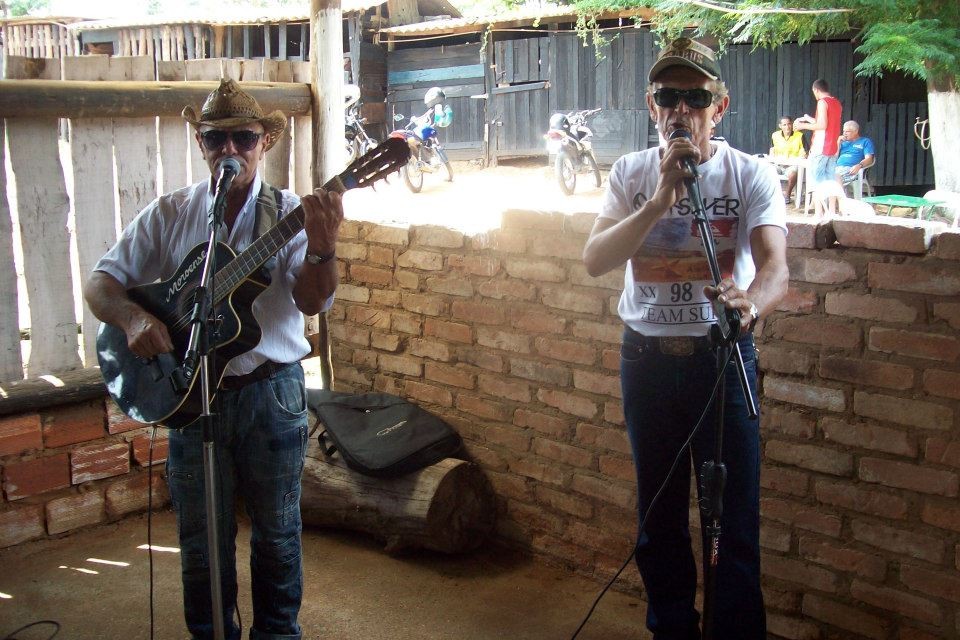
Long before American country gained attention, Brazil had sertanejo. The genre emerged in rural regions, focusing on farm life, love, loss, and migration. Early sertanejo mirrored the storytelling core of country music.
Artists sang about simple lives and emotional struggles, using acoustic guitars and close harmonies. For rural Brazilians, the songs reflected real experiences, much like early American country did for working-class listeners.
2. Duos that shaped a generation

In the 1980s and 1990s, duos like Chitãozinho & Xororó and Zezé Di Camargo & Luciano brought sertanejo into the mainstream. Their polished sound helped bridge rural roots and urban audiences.
Their success proved that stories of countryside life could resonate nationwide. These artists filled stadiums and dominated radio, laying the groundwork for modern country-style popularity across Brazil.
3. Emotional storytelling drives connection
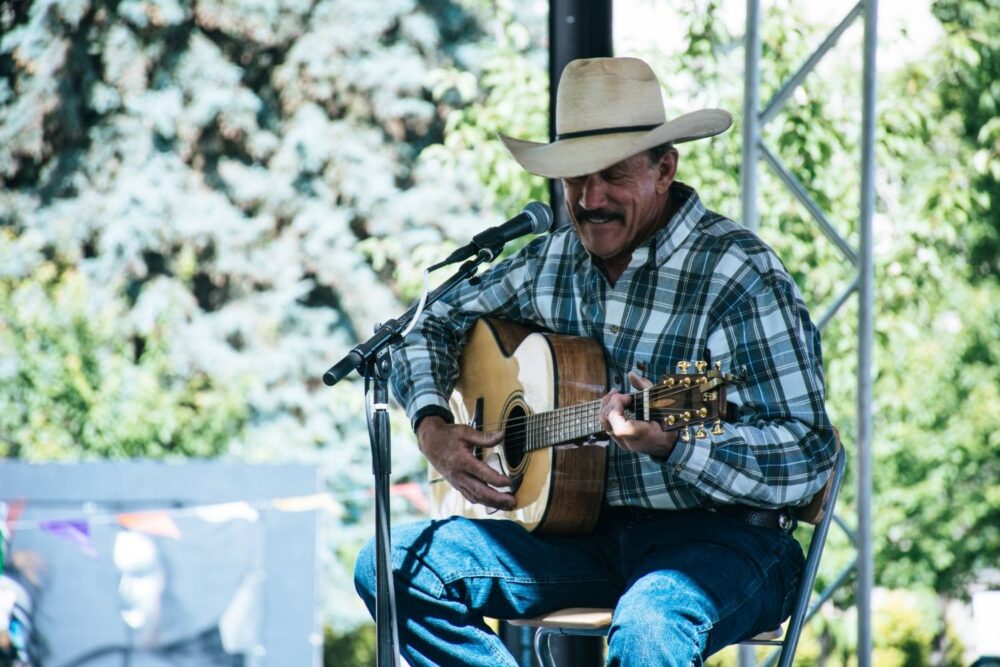
Brazilian country music thrives on emotion. Songs often center on heartbreak, longing, betrayal, and resilience. The lyrics are direct and personal, making them easy for listeners to internalize.
Fans often say the music feels honest rather than performative. Whether sung in small towns or major cities, the themes remain universal, allowing people from different backgrounds to see themselves in the stories.
4. A modern sound expands the audience

In the 2000s, sertanejo universitário emerged, blending traditional country elements with pop and rock influences. Artists like Luan Santana helped modernize the genre.
This evolution made the music accessible to younger listeners without abandoning its roots. Catchy hooks, romantic lyrics, and modern production expanded country’s reach beyond rural communities.
5. Stadium shows and shared experience

Live performances play a huge role in the genre’s success. Concerts are social events where fans sing every word together. Artists like Gusttavo Lima are known for massive, high-energy shows.
These concerts reinforce a sense of belonging. Country music becomes less about individual listening and more about shared emotion, strengthening loyalty among fans across regions.
6. Marília Mendonça changes the narrative

Marília Mendonça brought a powerful female voice to Brazilian country. Her songs addressed heartbreak, independence, and emotional honesty from a woman’s perspective.
She connected deeply with listeners who felt unseen in earlier narratives. Her success reshaped the genre’s identity and expanded its emotional range, drawing in new audiences.
7. Rural pride meets urban life

As Brazil urbanized, many people carried rural identities into cities. Country music became a cultural anchor, preserving connections to family history and small-town roots.
Listening to sertanejo offered comfort and familiarity. It reminded listeners where they came from, even as their lives changed, making the genre emotionally relevant in modern Brazil.
8. Media and streaming amplify reach

Television, radio, and later streaming platforms amplified country music’s growth. Songs that once stayed regional now reached national audiences instantly.
Streaming allowed fans to discover both classic and new artists easily. Algorithms reinforced popularity, pushing country tracks into mainstream playlists alongside pop and hip-hop.
9. Shared values cross borders
American country themes like faith, family, work, and perseverance align closely with Brazilian cultural values. That overlap makes the genre feel natural rather than foreign.
Even when influences cross borders, the emotional foundation remains local. Brazilian country artists adapt sounds without losing authenticity, keeping the music grounded.
10. Critics underestimate its influence

Despite massive popularity, Brazilian country music is sometimes dismissed as simple or repetitive. Fans strongly disagree. They point to lyrical honesty and emotional depth.
The genre’s staying power suggests something deeper. Its ability to evolve while retaining core values keeps listeners engaged decade after decade.
11. Why the boom continues

Country music in Brazil thrives because it adapts without abandoning its soul. New artists emerge while honoring those who came before.
As long as listeners seek songs that reflect love, struggle, and identity, the genre will remain strong. Its success is not a trend, but a reflection of shared human experience.