
The Sun Is Acting Weird — What That Means for Satellites, Power Grids, and Us

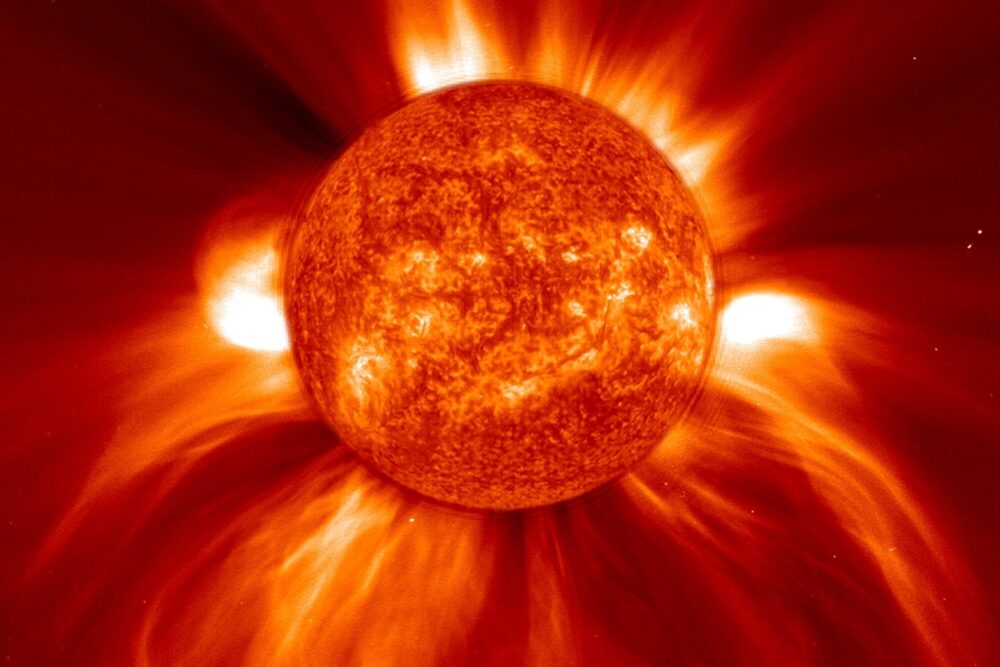
Scientists tracking the Sun say it’s becoming increasingly active as it heads toward the peak of its current solar cycle. This means more solar flares, more eruptions, and a greater chance of energetic particles reaching Earth. While this activity isn’t unusual, it can affect satellites, GPS signals, communications, and even parts of the power grid. Researchers are closely monitoring the Sun’s changing behavior to predict what might happen during upcoming peaks. Understanding the Sun’s patterns helps prepare for the technology impacts that sometimes come with its natural cycles.
1. The Sun Is Approaching the Peak of Its 11-Year Cycle
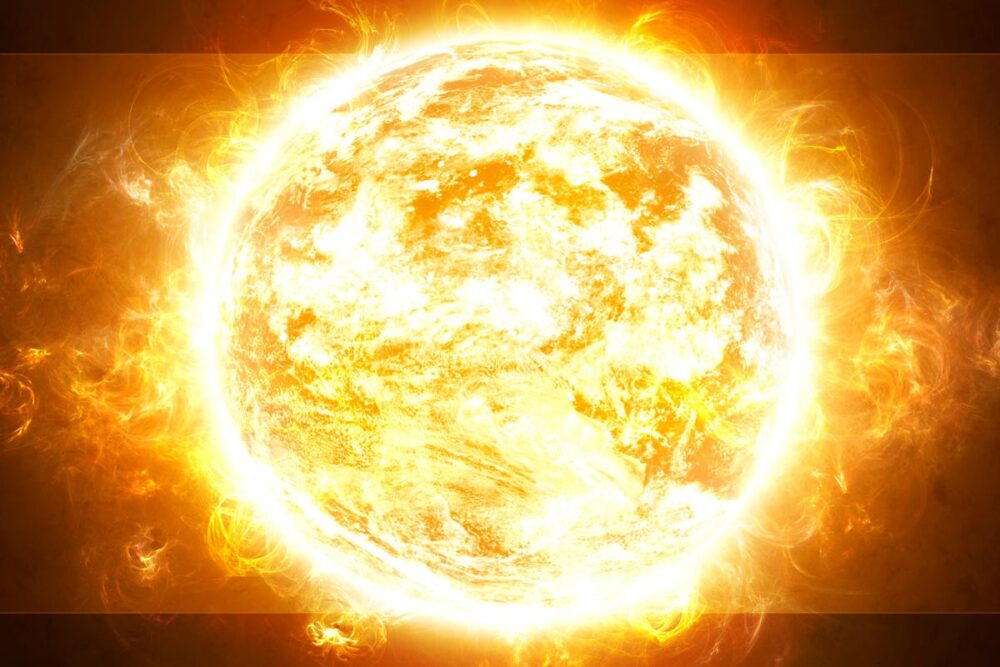
The Sun follows a predictable 11-year activity cycle that includes quieter and more active phases. Right now, scientists say it’s nearing a peak, which typically brings more intense magnetic activity on its surface. This is when sunspots, flares, and eruptions become more frequent and energetic.
During these active phases, the Sun can release sudden bursts of radiation that travel toward Earth. These events don’t pose a direct threat to people but can influence the technology and systems we depend on daily.
2. Sunspots Are Increasing, Signaling Rising Solar Activity

Sunspots are dark patches on the Sun’s surface caused by strong magnetic fields. An increase in sunspots generally indicates that the Sun’s magnetic activity is intensifying. Recent observations show more of these spots emerging, suggesting the active phase is in full swing.
These sunspots are often associated with flares and eruptions. Their growing number warns scientists that more energetic solar outbursts may occur, some of which can interact with Earth’s magnetic field and upper atmosphere.
3. Solar Flares Could Interrupt Radio and GPS Signals
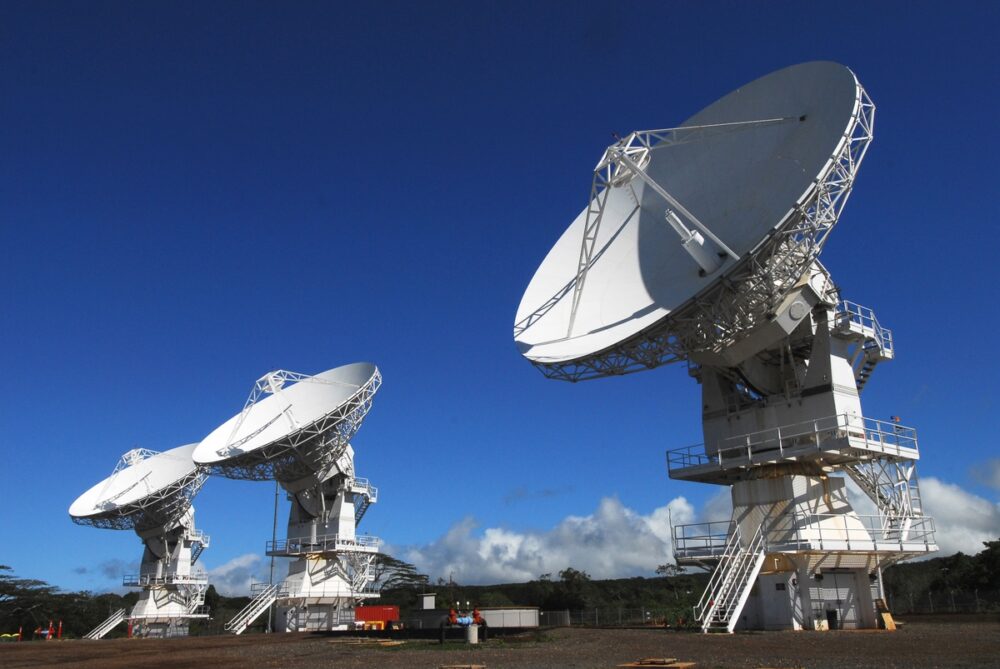
Solar flares release bursts of electromagnetic energy that can interfere with signals traveling through Earth’s upper atmosphere. This can lead to temporary disruptions in radio communications used by aircraft, ships, and emergency services. GPS accuracy can also be affected during strong flares.
While these disruptions are usually brief, they can cause operational challenges. Scientists monitor flare activity to help industries anticipate potential communication issues and respond quickly when interference occurs.
4. Coronal Mass Ejections Can Trigger Geomagnetic Storms
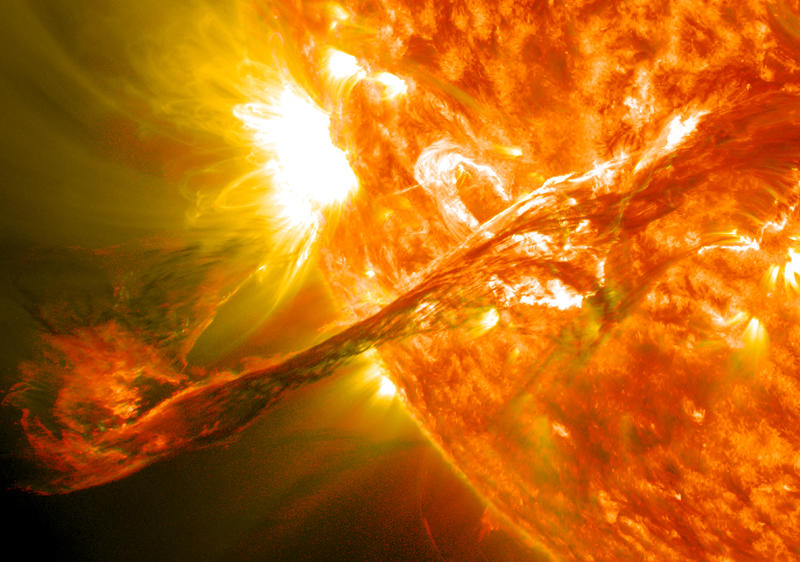
Coronal mass ejections, or CMEs, are huge bubbles of charged particles ejected from the Sun’s atmosphere. When these hit Earth’s magnetic field, they can trigger geomagnetic storms that disturb the planet’s upper atmosphere and electrical systems. These storms vary in intensity and can have noticeable effects.
The stronger geomagnetic storms can create vivid auroras at lower latitudes. However, they can also impact infrastructure, such as satellites and power systems, depending on the strength of the solar event.
5. Satellites Are Especially Vulnerable to Strong Solar Activity

Increased radiation from the Sun can heat and expand the upper atmosphere, creating drag on satellites. This drag can alter their orbits and force operators to make adjustments to keep them on track. Some satellites may also experience internal disruptions from energetic particles.
These effects make satellite operators closely monitor space weather. By tracking solar activity, they can plan maneuvers and protect sensitive instruments from potential damage.
6. Solar Storms Can Affect Power Grids on the Ground
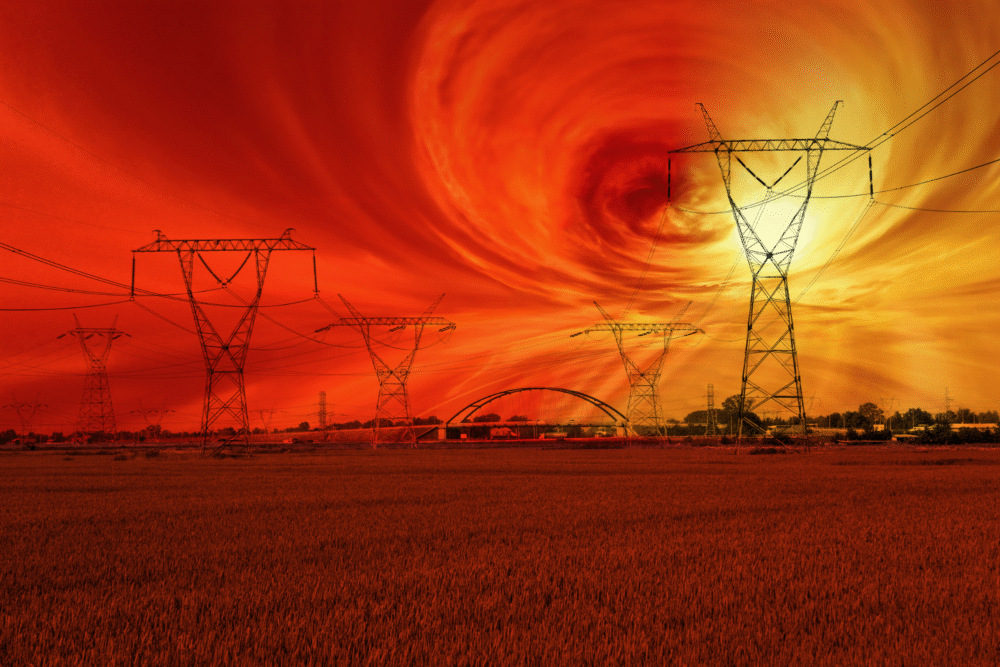
Strong geomagnetic storms can induce electrical currents in long power lines, sometimes overloading equipment. While modern grids are designed to handle disturbances, very large storms have caused outages in the past. Engineers continually assess the grid’s resilience to these solar-driven currents.
Although severe grid disruptions from solar activity are rare, the impact of a major storm could be widespread. Understanding solar patterns helps grid operators prepare for potential disturbances.
7. The Current Cycle Is Stronger Than Some Scientists Predicted
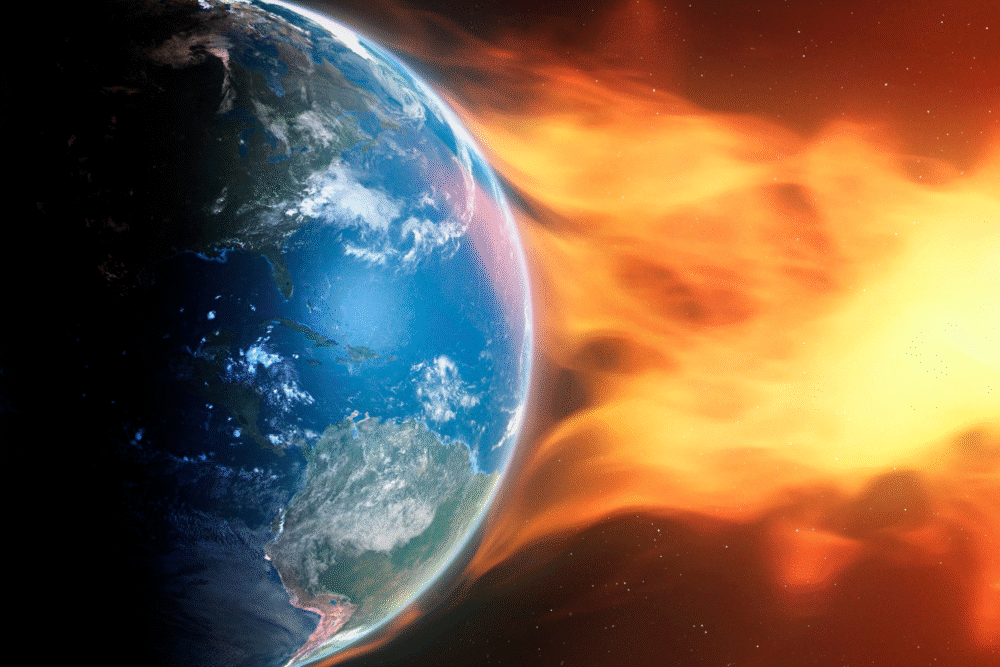
Some early forecasts suggested this solar cycle might be on the weaker side. However, the Sun’s activity has exceeded those predictions. The number of sunspots and flares is higher than expected, indicating a stronger cycle than initially believed.
This increase shows how complex solar forecasting can be. Scientists continue refining their models as more data emerges, helping improve predictions for future cycles.
8. Scientists Track Solar Activity From Ground and Space
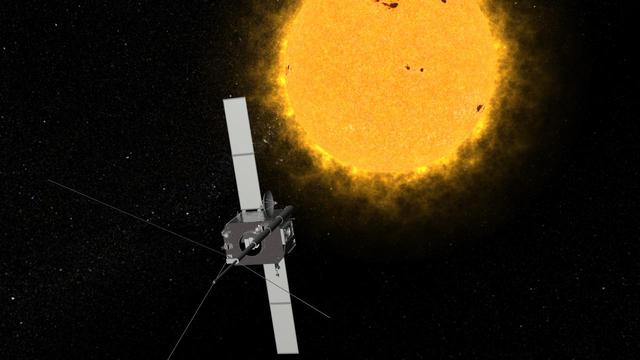
Researchers use solar observatories on Earth and spacecraft like NASA’s Solar Dynamics Observatory to monitor the Sun in real time. These tools capture high-resolution images and measure radiation levels as the Sun’s activity evolves.
This continuous monitoring helps scientists issue alerts when strong flares or CMEs occur. These alerts give governments, companies, and communication networks time to prepare for potential effects.
9. Increased Solar Activity Can Lead to More Intense Auroras
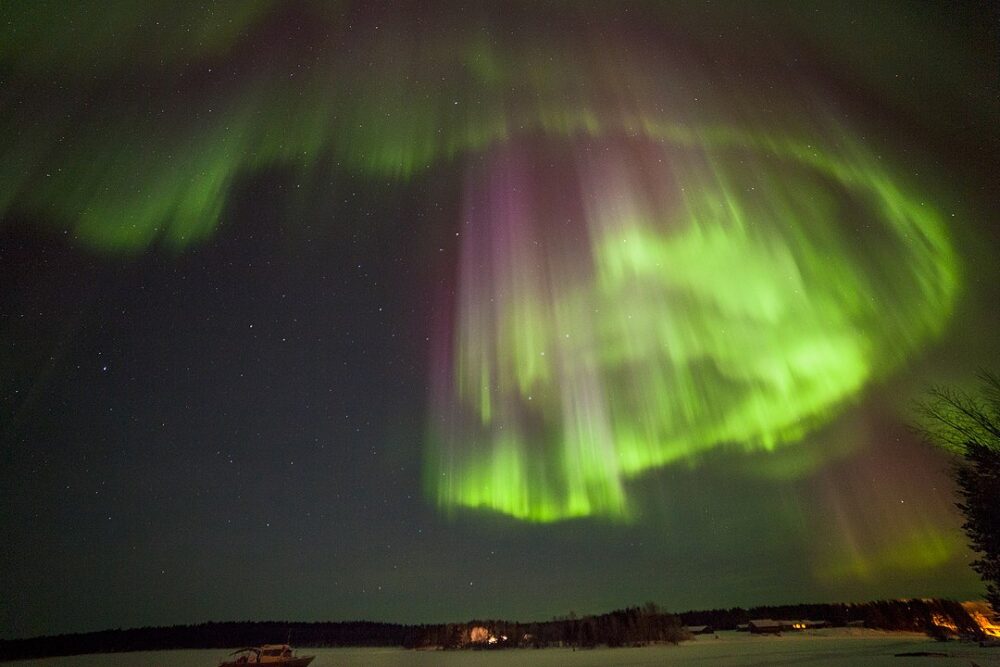
When charged particles from the Sun interact with Earth’s magnetic field, they create colorful auroras. During active solar periods, these displays become more frequent and can appear at lower latitudes than usual. Many recent auroral events have been unusually bright due to rising solar activity.
While beautiful, these intense auroras also signal that Earth’s magnetic environment is being strongly disturbed. They serve as visible reminders of the Sun’s influence on our planet.
10. Airline Routes May Be Adjusted During Strong Solar Events

Airlines sometimes reroute high-altitude flights near polar regions during strong solar storms. This is because solar radiation can interfere with communication and navigation systems in those areas. Adjusting flight paths helps maintain safety and dependable connections.
These adjustments are typically temporary but highlight how solar conditions affect real-world operations. Monitoring the Sun helps the aviation industry prepare for sudden changes.
11. Solar Weather Research Helps Protect Modern Technology
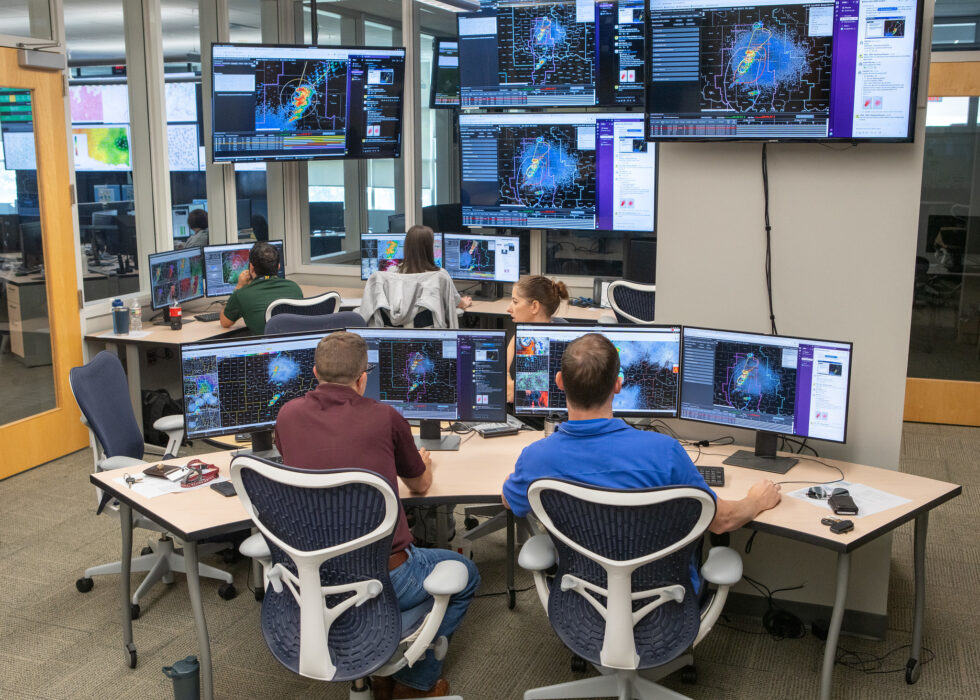
Understanding the Sun’s behavior is increasingly important as society relies more heavily on satellites, navigation systems, and electrical infrastructure. Solar weather research helps identify risks, estimate impact levels, and improve resilience in critical systems.
As the Sun grows more active, these efforts become even more vital. Preparing for solar events minimizes disruptions and helps protect technology from long-term damage.
12. The Sun’s Activity Will Eventually Decline Again
After the cycle peaks, the Sun will gradually quiet down as it moves toward its next minimum. This decrease in activity will bring fewer sunspots, flares, and disruptions. The cycle will then repeat, beginning another slow buildup toward the next peak.
This natural rhythm is well established, although each cycle has unique characteristics. Understanding the current peak helps scientists anticipate how the cycle will evolve and what it may mean for the years ahead.