
New research suggests fossils once thought to be a new species may actually belong to young T. rexes.

Paleontologists believe they’ve finally solved a decades-old mystery surrounding fossils once thought to represent a separate species of miniature Tyrannosaurus. New analysis of bone growth and density indicates that the so-called Nanotyrannus lancensis fossils likely came from juvenile Tyrannosaurus rex rather than a distinct species. The study, conducted by scientists at the University of Wisconsin–Madison and Oklahoma State University, used advanced imaging techniques to examine microscopic bone structures, revealing growth patterns consistent with adolescent T. rexes still maturing.
1. A Long-Running Dinosaur Mystery May Finally Be Solved
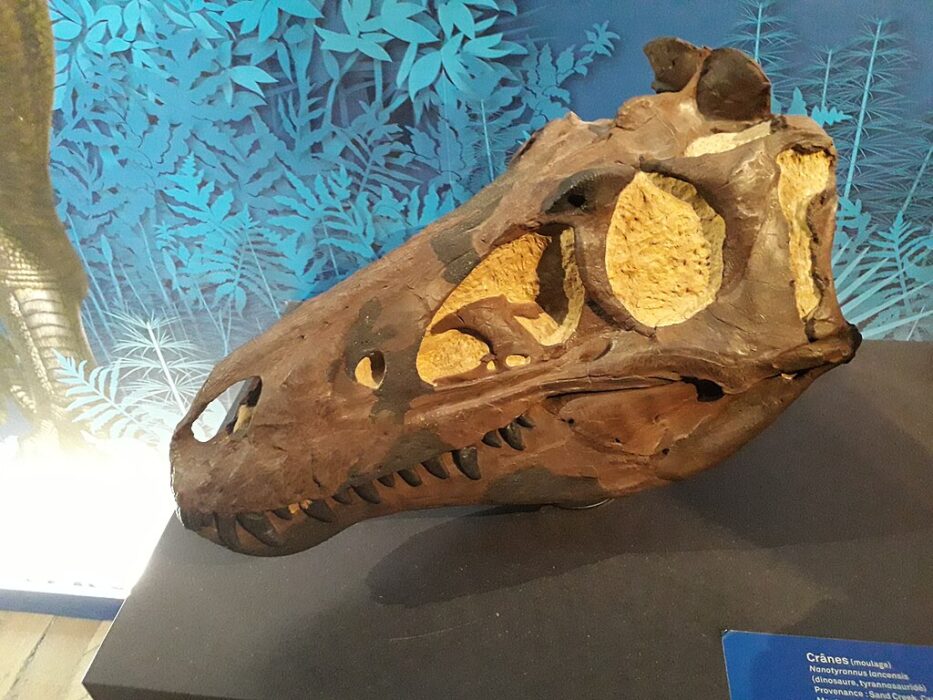
For decades, paleontologists have debated whether the small, lightly built dinosaur known as Nanotyrannus lancensis was a separate species or simply a young Tyrannosaurus rex. The fossils, first described in the 1940s, appeared to show a miniature predator with long arms and slender bones.
Now, new scientific evidence suggests that Nanotyrannus may not be a unique species at all but instead represents adolescent individuals of the mighty T. rex—captured at an early stage of their growth.
2. The Tiny T. rex Debate Dates Back Nearly 80 Years

The controversy began when a small skull found in Montana in 1942 was classified as Gorgosaurus lancensis, later renamed Nanotyrannus. The fossil resembled T. rex but was far smaller and more delicate. Some researchers argued it was evidence of a separate species of smaller tyrannosaur.
Over time, however, others noticed that certain features—like its developing bone structure—matched those seen in juvenile T. rex specimens, hinting that the distinction might be based on age, not species.
3. Scientists Used Microscopic Bone Analysis to Reexamine the Fossils
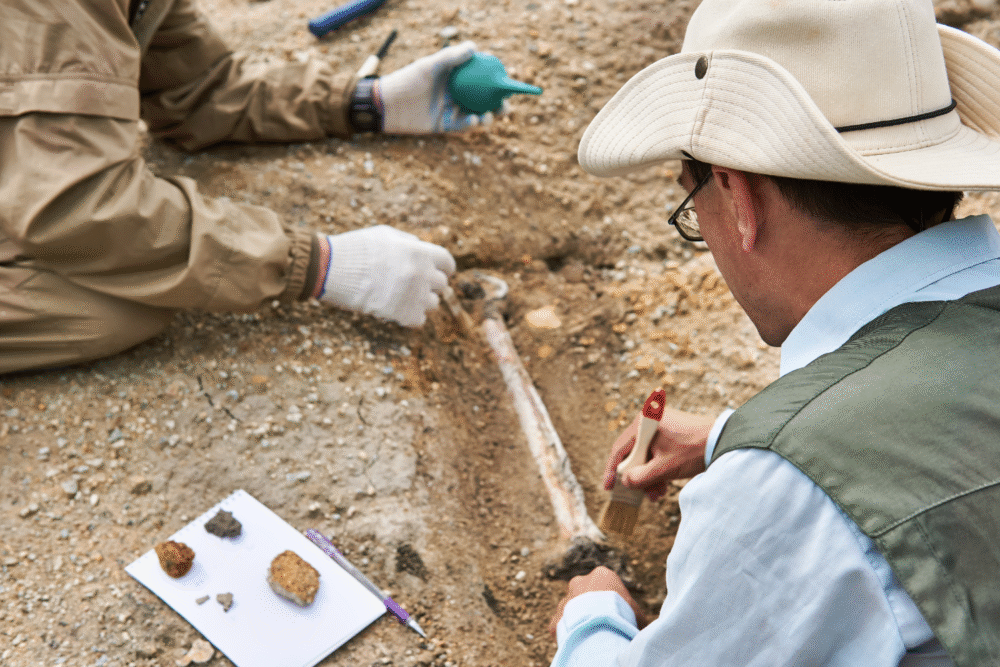
In the new study, scientists from the University of Wisconsin–Madison and Oklahoma State University used thin sections of fossilized bone to examine microscopic growth rings. These layers, similar to tree rings, reveal how fast an animal was growing at the time of death.
The analysis showed the bones were still actively growing, a strong indicator that the dinosaurs had not yet reached full maturity. That evidence strongly supports the idea that the fossils were from young T. rexes, not adults of a smaller species.
4. Growth Patterns Suggest the Dinosaurs Were Still Developing

The internal structure of the fossils revealed wide, uneven growth rings—typical of animals still undergoing rapid physical development. Fully grown T. rex bones, by contrast, show tightly packed rings that indicate growth had slowed.
This discovery aligns with what paleontologists already know about T. rex biology: that the species underwent an enormous growth spurt during adolescence, increasing in size from a few hundred pounds to several tons in just a few years.
5. High-Tech Imaging Helped Confirm the Results

To support their findings, researchers used advanced imaging methods such as micro-computed tomography (micro-CT) to visualize internal bone structures without destroying the fossils. These scans revealed patterns consistent with growing animals, including developing blood vessel canals and soft tissue cavities.
By combining traditional histology with modern imaging, scientists could confirm that the fossils came from immature individuals, adding further weight to the argument that Nanotyrannus and T. rex are one and the same species.
6. The Bones Showed Signs of Rapid Adolescent Growth

The rate of bone growth recorded in the samples suggests that these animals were in their teenage years by dinosaur standards—growing quickly but not yet at adult size. The team found that the individuals were still depositing new bone at a steady pace when they died.
This finding fits neatly with existing evidence that T. rex experienced one of the fastest growth rates of any known large dinosaur, increasing up to 1,500 pounds per year during its peak growth phase.
7. Earlier Studies Had Sparked Heated Debate

The identity of Nanotyrannus has divided scientists for decades. Some paleontologists, including those who studied a famous specimen known as the “Jane” fossil at the Burpee Museum in Illinois, argued it was distinct based on skull shape and tooth count.
Others countered that juvenile T. rex skulls also display those same features before maturing into the blocky, deep-skulled form of adults. The new microscopic evidence now appears to favor the latter explanation.
8. The Findings Fit With What’s Known About T. rex Growth

Previous studies have shown that T. rex went through dramatic anatomical changes as it matured. Juveniles had longer arms, slimmer bodies, and sharper, blade-like teeth—traits suited for hunting small, fast prey. Adults later developed massive jaws and bone-crushing teeth designed for larger animals.
The fossils attributed to Nanotyrannus share those youthful traits, matching what paleontologists would expect from teenage T. rexes transitioning into their adult form.
9. The Research Brings Clarity to a Classic Paleontology Puzzle
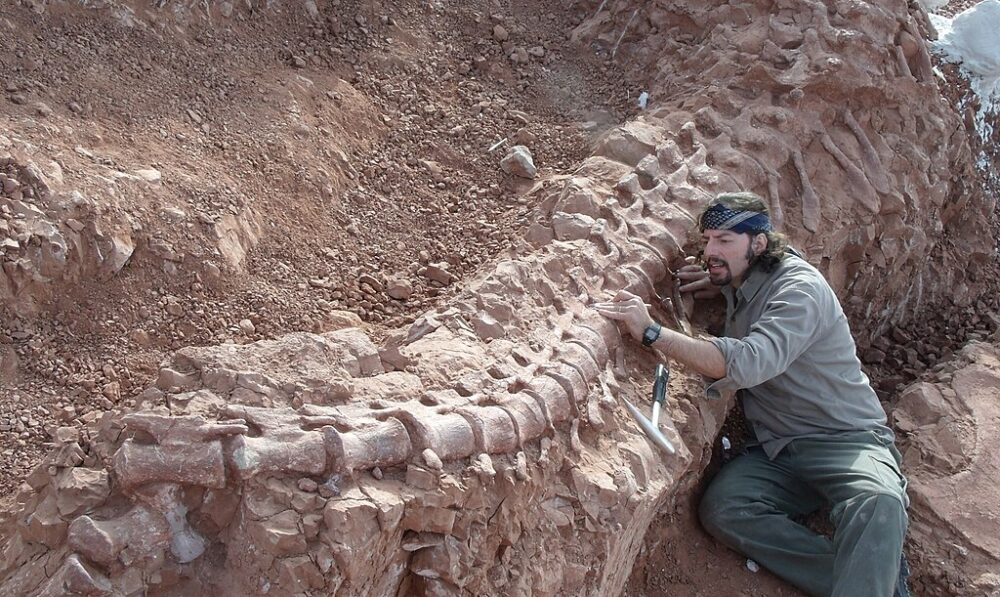
The new analysis helps resolve one of the most persistent debates in dinosaur science. By combining cutting-edge imaging, bone histology, and comparative anatomy, researchers have shown strong evidence that the so-called “tiny tyrant” was simply T. rex at an earlier life stage.
This conclusion simplifies the tyrannosaur family tree and aligns with patterns seen in other dinosaurs, where juveniles often looked strikingly different from adults.
10. Scientists Say the Work Highlights the Power of Modern Techniques

Researchers emphasize that this study shows how advances in technology are reshaping our understanding of prehistory. Techniques such as micro-CT scanning and histological thin-sectioning allow scientists to study fossils in unprecedented detail without damaging them.
By applying these methods, paleontologists can uncover clues hidden at the microscopic level—revealing not just what dinosaurs looked like, but how they lived, grew, and evolved. In this case, it may have finally solved the mystery of the so-called “tiny T. rex.”