
Why cries in the trash led one woman to quietly change dozens of lives forever.

Every city has stories hiding in places most people never look. This one begins among garbage piles, long before anyone knew a quiet woman was carrying something far heavier than trash. It’s the kind of story that rarely makes headlines.
Day after day, she followed the same route, noticing things others ignored. Small details, strange sounds, moments that felt wrong—but easy to walk past if you wanted to. Most people never stopped long enough to notice.
What happened next wasn’t a single dramatic act, but a series of choices made in silence. This story reveals how ordinary routines can lead to extraordinary consequences.
1. A life shaped by hardship in rural China
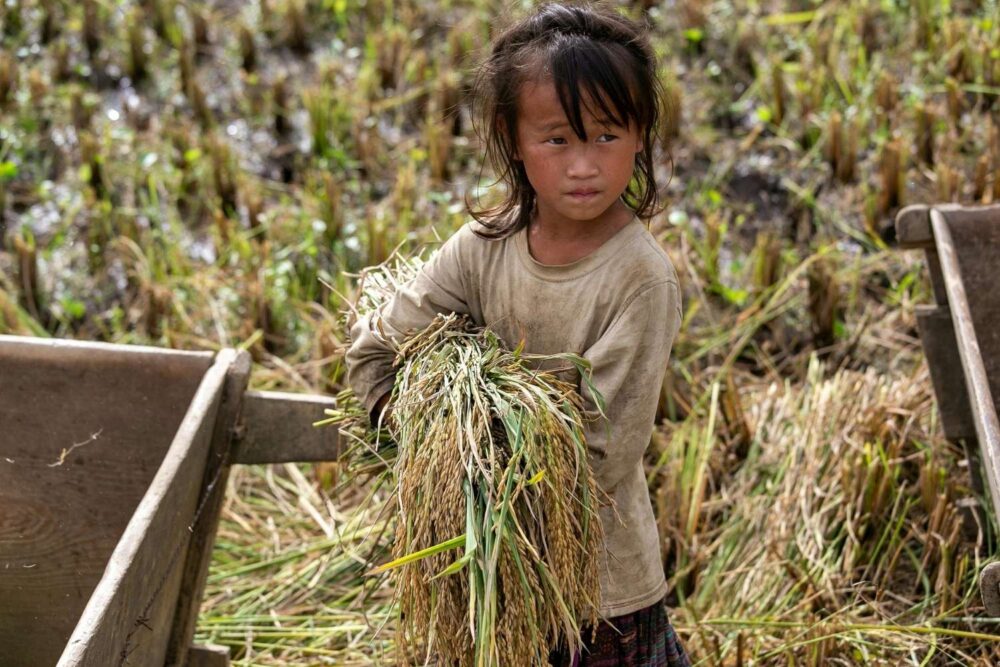
Lou Xiaoying was born in a poor rural area of China, where survival often depended on endurance rather than opportunity. As a child, she experienced food shortages and instability that forced her to grow up quickly. School was limited, and work came early.
Those early years shaped her instincts. She learned to notice what others missed and to act without waiting for help. Long before she became known for anything extraordinary, she was already practiced at surviving quietly.
2. Moving to a city that offered little mercy

As an adult, Lou moved to Jinhua, a city in eastern China’s Zhejiang province, hoping for steadier work. Like many migrants, she found few options. Eventually, she became a garbage picker, collecting recyclable materials to sell for small amounts of money.
Her days were long and physically exhausting. She walked the same routes daily, sorting through trash piles and dumpsters that most residents avoided. It was invisible work, and she remained largely unseen by the city around her.
3. The moment something felt wrong
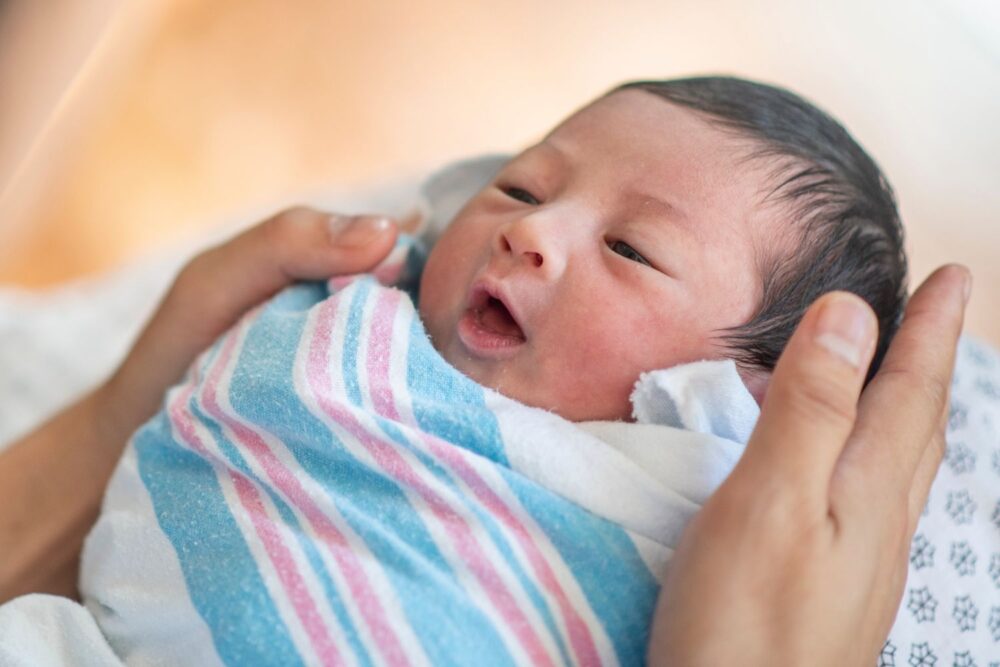
One day in the late 1980s, while sorting through trash, Lou noticed something that didn’t belong. A faint sound cut through the noise of the street. At first, she assumed it was an animal, something common in garbage areas.
But the sound persisted, weak and human. When she looked closer, she realized it was a baby, abandoned and wrapped in discarded cloth. That moment would quietly change the course of her life.
4. A choice made without witnesses

Lou did not call for help or make a public scene. She picked the baby up and took the child home. She had little money, no safety net, and no plan beyond immediate care.
There was no celebration or recognition. Feeding another mouth meant less food for herself. Yet she acted instinctively, guided by something deeper than logic. It was a decision repeated many times over the years, always in silence.
5. Discovering this was not an isolated act

As weeks passed, Lou continued her routes. Then it happened again. Another abandoned baby. Then another. She began to realize that these were not rare incidents but part of a hidden pattern.
Some infants were left due to poverty, others because of illness or disability, and many because of strict family-planning pressures. Each discovery forced the same immediate decision: walk away or intervene.
6. Caring for babies with almost nothing

Lou brought many of the babies home temporarily, feeding them rice water or diluted milk when formula was unaffordable. She cleaned them, kept them warm, and watched for signs of illness.
She often slept less to monitor their breathing. When she could, she contacted local authorities or orphanages. Sometimes she raised the money herself by selling more recyclables. Her life became a cycle of rescue and exhaustion.
7. Working with orphanages and officials

Over time, Lou developed informal relationships with orphanages in the region. She knew which ones would accept babies quickly and which required paperwork she couldn’t provide.
Transportation was another challenge. Carrying infants across the city on foot or by bus required planning and risk. Still, she persisted. Each successful handoff meant one less life left to chance.
8. Saving children no one was counting
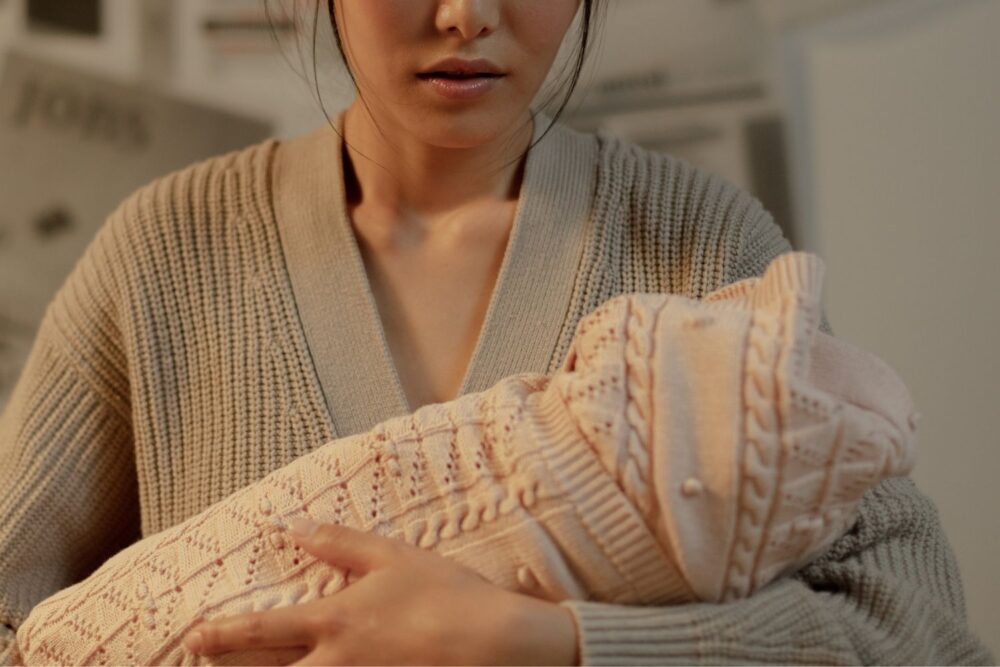
Many of the babies Lou found were sick or disabled, often abandoned because families feared the cost of care. Some had cleft palates, others developmental issues, and some were premature.
These were children least likely to be rescued by passersby. Lou did not discriminate. She responded to the cry, not the condition. Over decades, her rescues quietly accumulated into something extraordinary.
9. A personal cost few noticed
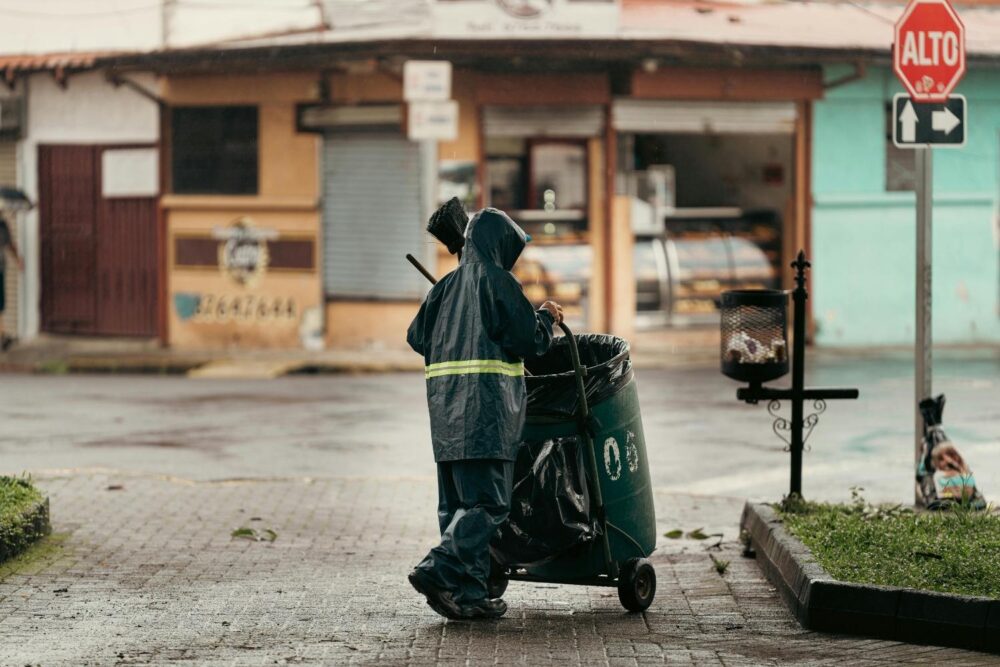
Lou never became wealthy or comfortable. She continued garbage picking into old age, her body worn down by years of labor. Medical care was minimal, and her living conditions remained modest.
She did not keep records or photographs of the children she saved. There were no thank-you notes or reunions. The reward, for her, was simply knowing she had acted when it mattered.
10. The story finally comes to light

It wasn’t until much later that local media and officials learned the scale of what Lou had done. Estimates suggested she had saved more than 30 babies over decades.
The revelation shocked many who had passed her daily without noticing. She was no activist or official—just a woman who refused to ignore what others could. Recognition came late, but it came.
11. A legacy built from ordinary days

Lou Xiaoying passed away in 2015, leaving behind no fortune and no grand monument. What remained were lives altered because one person consistently chose compassion.
Her story is not about heroics in a single moment. It is about showing up, again and again, when no one is watching. Slide by slide, her life reminds us how much can change through quiet persistence.