
Experts warn a massive geomagnetic storm could cripple power grids and satellites within years.
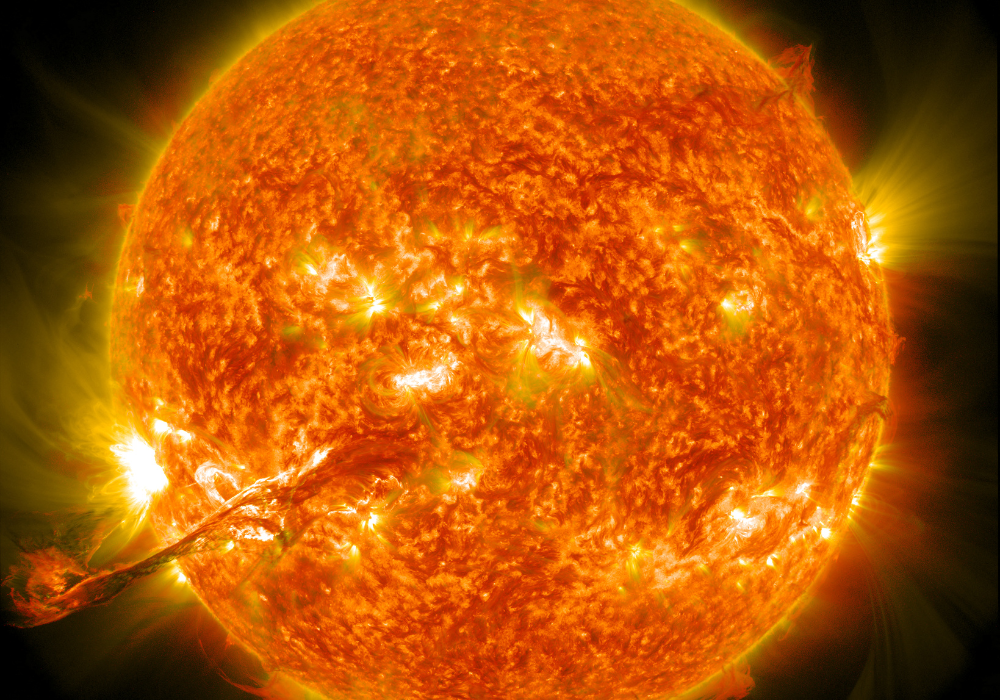
The sun is getting more active, and that’s bad news for your phone, your car, and basically everything that plugs into the wall. Scientists say we’re heading toward “solar maximum”—when our nearest star throws its biggest tantrums. We got a taste in May 2024 when the strongest geomagnetic storm in decades messed with GPS systems and made farmers’ tractors go haywire.
Then October brought more severe storms that threatened power grids already beaten up by hurricanes. But experts warn these were just practice rounds. A truly massive solar storm could knock out power across entire continents and leave millions in the dark for months. The scary part? It’s not a question of if this will happen, but when.
1. Power grids can’t handle what the sun throws at them
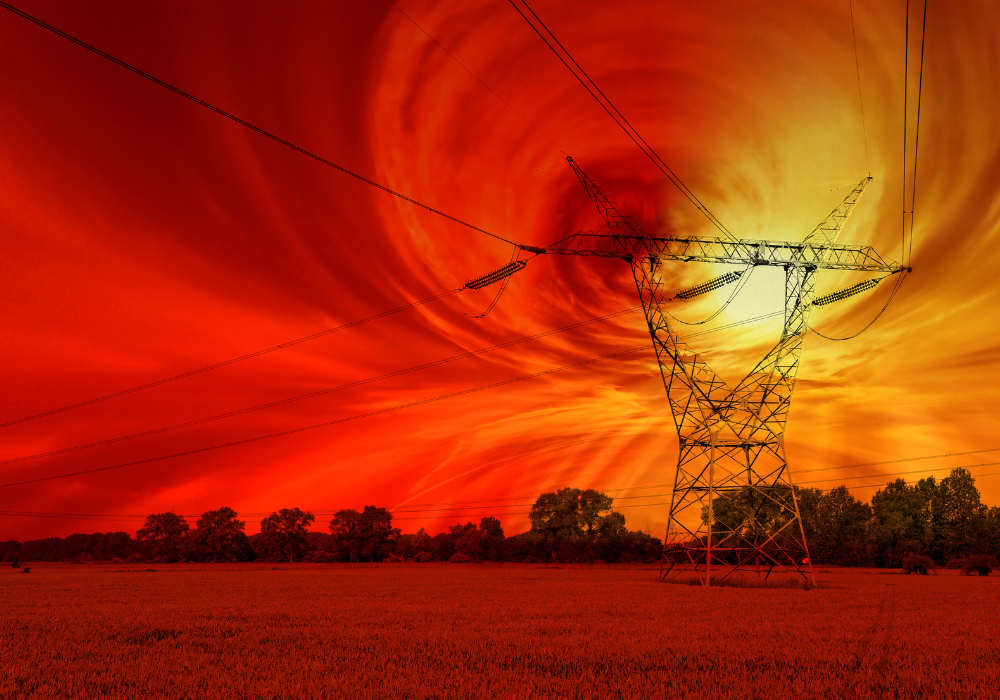
Our electrical grid was built long before anyone worried about space weather, and that’s a problem. When solar storms hit Earth, they create electrical currents that can fry transformers and cause massive blackouts across multiple states at once.
Unlike hurricanes that hit one area, a major solar storm could knock out power from Texas to Canada simultaneously. Utility companies would be completely overwhelmed trying to fix everything at the same time, potentially leaving people without electricity for weeks or even months.
2. GPS systems would fail when we need them most
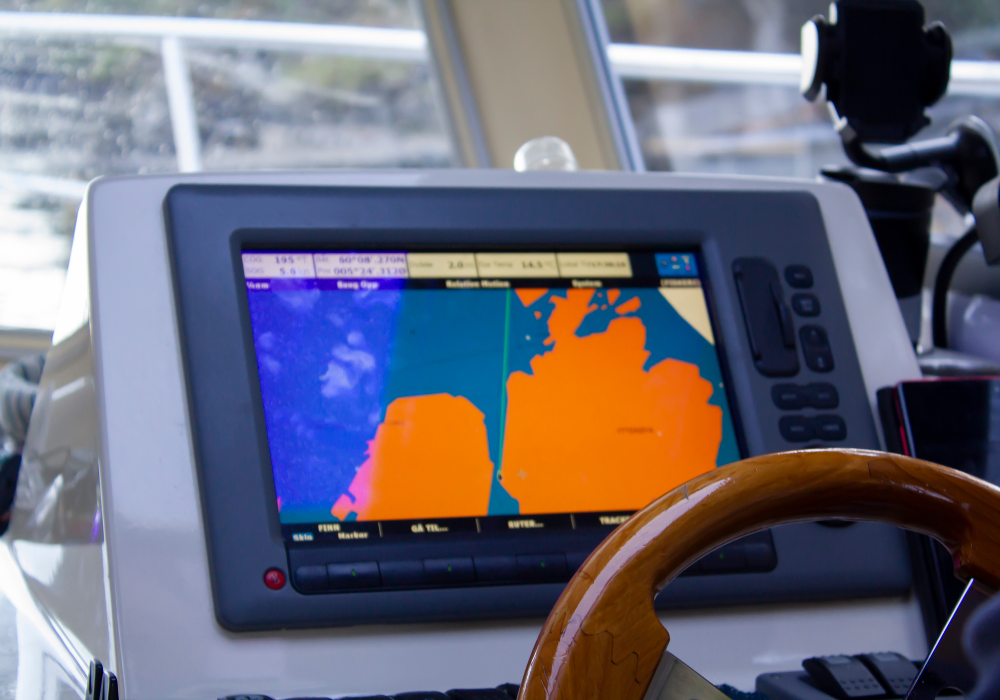
Almost everything we do depends on GPS satellites that are basically sitting ducks during solar storms. Your phone’s maps, ride-sharing apps, emergency services, and even ATMs rely on these satellites to know where they are and what time it is.
When solar particles bombard satellites, they can knock them offline or damage them permanently. Imagine trying to navigate without GPS, get cash without working ATMs, or call for help when emergency services can’t locate you. Modern life would grind to a halt.
3. Internet cables under the ocean are surprisingly vulnerable
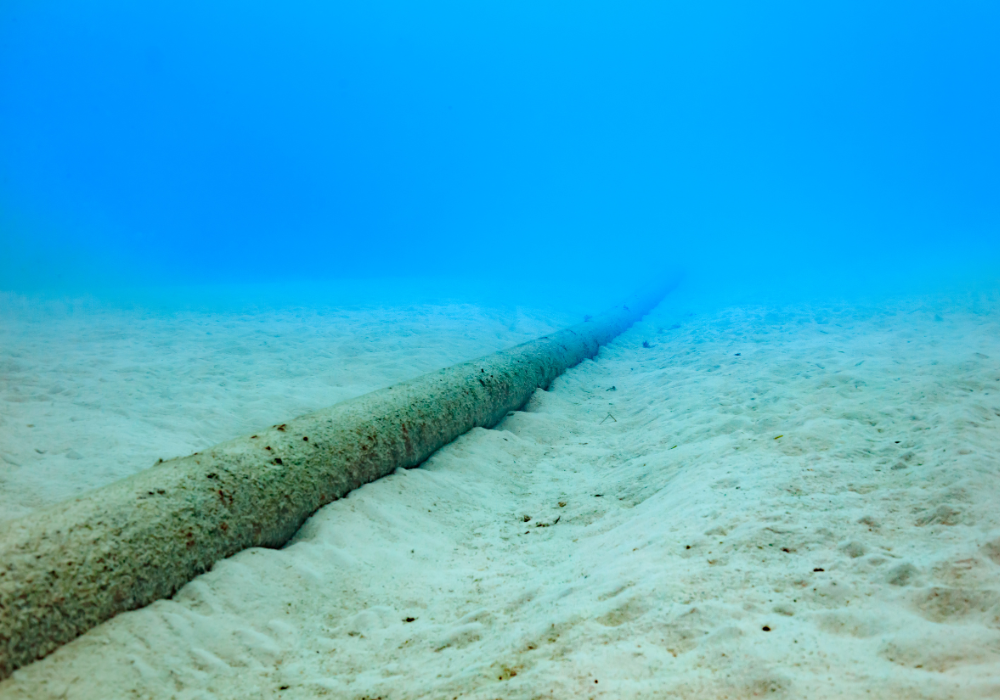
You might think the internet is safe because it runs through underwater cables, but those cables are actually sitting ducks for geomagnetic storms. The electrical currents created by solar storms can damage the sensitive equipment that keeps global internet traffic flowing.
Major internet outages could isolate entire countries from the global web, shutting down everything from social media to online banking. With so much of our economy depending on internet connectivity, even a few days offline could cause massive financial damage.
4. Airlines would be grounded for safety reasons

Commercial pilots rely on GPS and radio communication systems that solar storms can knock out completely. During major geomagnetic events, airlines often ground flights voluntarily because they can’t safely navigate or communicate with air traffic control.
A severe solar storm could shut down air travel for days or weeks, stranding travelers worldwide and disrupting the global economy. Cargo flights carrying everything from medical supplies to food would also be affected, creating shortages in stores and hospitals.
5. Cell phone networks could collapse under the pressure

Cell towers depend on GPS timing signals to coordinate calls and data, making them vulnerable when satellites go offline. During solar storms, cell networks can become overloaded or fail completely as everyone tries to call or text at the same time.
Emergency services rely heavily on cell networks to coordinate rescue efforts and communicate with the public. If cell towers fail during a crisis, people could be left isolated and unable to call for help when they need it most.
6. Hospital equipment might fail during medical emergencies

Modern hospitals run on complex electronic systems that are vulnerable to the electrical surges caused by geomagnetic storms. Life support machines, monitoring equipment, and medical records systems could all malfunction when hospitals need them most.
Backup generators might help with basic power, but the sensitive electronics that keep patients alive could still be damaged by electromagnetic interference. Hospitals would have to rely on older, manual equipment while dealing with potentially thousands of patients affected by the broader crisis.
7. Financial markets could crash from technical failures

Wall Street and global financial markets depend on split-second electronic trading that requires precise timing from GPS satellites. When those satellites fail, high-frequency trading systems crash, potentially triggering massive market volatility and financial losses.
Banks use satellite communication to process transactions and verify account information. If these systems fail, people might not be able to access their money through ATMs or credit cards, creating panic and economic chaos even in areas with working power grids.
8. Farmers could lose entire crops without GPS-guided equipment

Modern farming depends heavily on GPS-guided tractors and harvesting equipment that can plant and harvest crops with incredible precision. When GPS fails, farmers can’t plant seeds properly or harvest crops efficiently, potentially leading to food shortages.
The May 2024 solar storms already gave us a preview when farmers had to park their GPS-dependent tractors in the middle of planting season. A longer-lasting event during critical growing periods could threaten food production for millions of people.
9. Emergency services would be overwhelmed and underprepared

Police, fire departments, and paramedics rely on GPS, radio communication, and computer systems that are all vulnerable to solar storms. When these systems fail, emergency responders would have to rely on paper maps and limited communication methods.
Most emergency agencies don’t have backup plans for widespread technological failures lasting weeks or months. They’re prepared for local disasters, not global events that could knock out multiple systems simultaneously across vast geographic areas.
10. Water treatment plants might shut down without power
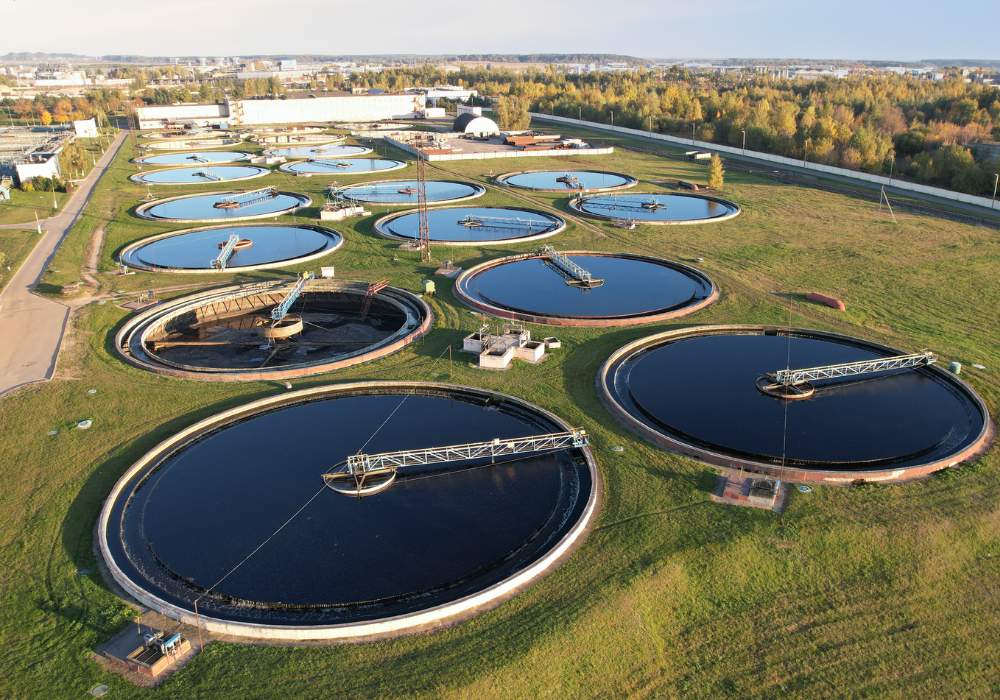
Many water treatment facilities depend on electronic controls and pumps that need reliable electricity to keep clean water flowing to homes and businesses. Extended power outages could leave millions without safe drinking water within days.
Sewage treatment plants face the same vulnerabilities, potentially creating public health disasters if waste systems back up. Communities would need to quickly organize alternative water sources and waste disposal methods to prevent the spread of disease.
11. Scientists say we’re not prepared for the big one
Despite decades of warnings, most countries don’t have solid plans for dealing with a major solar storm that could last weeks or months. The last truly massive event happened in 1859, before we depended on electricity for everything, so we’ve never experienced this kind of disaster in the modern era.
Experts compare the threat to a global pandemic—low probability but extremely high consequences that could affect every aspect of modern life. Unlike other natural disasters that we can see coming and prepare for, a catastrophic solar storm could hit with just a few hours’ warning, leaving little time to protect critical infrastructure.