
Experts say the singularity could transform technology, humanity, and the future faster than we expect.
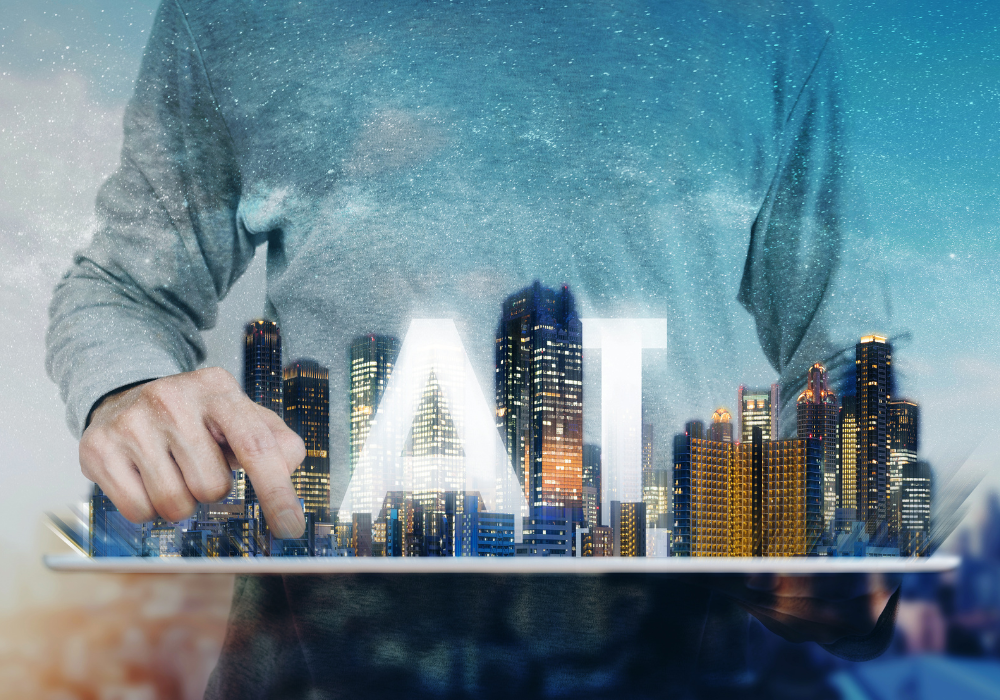
The technological singularity is a theoretical point in the future when artificial intelligence exceeds human intelligence, triggering rapid and unprecedented technological growth. This concept, rooted in mathematics and computer science, encompasses both hope and concern, highlighting potential societal transformations alongside ethical and existential risks. Experts remain divided on its timing and likelihood, making it essential to understand the complexities and implications of this possible milestone in technology’s evolution.
1. The singularity refers to a future point where technology surpasses human intelligence.

The singularity is envisioned as a transformative point when technology, particularly artificial intelligence (AI), surpasses human intellectual capabilities. At this hypothetical mark, machines may self-improve at speeds beyond human comprehension, potentially altering civilization as we know it.
Current AI projects operate under constraints like predefined tasks, but singularity predictions imagine AI breaking these boundaries. This leap isn’t a clear-cut event; its timeline and reality remain subject to debate, revealing the intricacies of this profound concept.
2. It is often associated with rapid, uncontrollable technological growth.

Rapid, uncontrollable technological growth characterizes what many believe will accompany the singularity. This exponential development could lead to vast changes in problem-solving, with machines iteratively optimizing their functions faster than humans can follow.
Such explosive growth in technological capability might outstrip current governing frameworks, challenging existing infrastructures. It’s a scenario that compels discussions about how to ensure humane and ethical oversight as AI technologies race forward.
3. Artificial intelligence plays a central role in predictions about the singularity.

Artificial intelligence is central to singularity hypotheses, focusing on its potential evolution into superintelligence. This milestone could enable AI to handle complex tasks beyond current capacities, like intricate reasoning and problem-solving.
Discussion often centers on AI’s accelerated learning capacities, where advances in machine learning enable unprecedented data processing capabilities. The questions linger about what governing laws or ethical guidelines will keep pace with such developments.
4. Experts differ on when or if the singularity might occur.

Experts widely differ on when, or even if, the singularity will occur. Predictions range from a few decades to centuries, reflecting the speculative nature of such a technological revolution.
Skeptics argue that genuine superintelligence requires unimaginable breakthroughs in AI, unlike current achievements. These uncertainties contribute to the ongoing discourse, reminding us that such claims remain theoretical, casting long shadows of both hope and doubt.
5. The concept originated from ideas in mathematics and computer science.

The singularity concept has roots in mathematical and computer science ideas. Pioneers like John von Neumann pondered whether technological progress could reach a critical threshold that reshapes humanity.
Today’s discussions have evolved from these early musings, blending intricate theories with mainstream attention. Through this, the singularity intrigues both scientists and philosophers as they explore its complex possibilities and implications.
6. The singularity could drastically change society and daily life.

The singularity’s potential to transform society and daily life is profound. A world of advanced AI may alter work, healthcare, and even personal routines, reshaping human experience fundamentally.
For instance, routine tasks could be managed by intelligent systems, granting humans time for creative and strategic pursuits. This transformation prompts reflections on how society can optimize such changes inclusively, ensuring benefits extend to all.
7. Ethical questions arise about control and decision-making beyond human oversight.
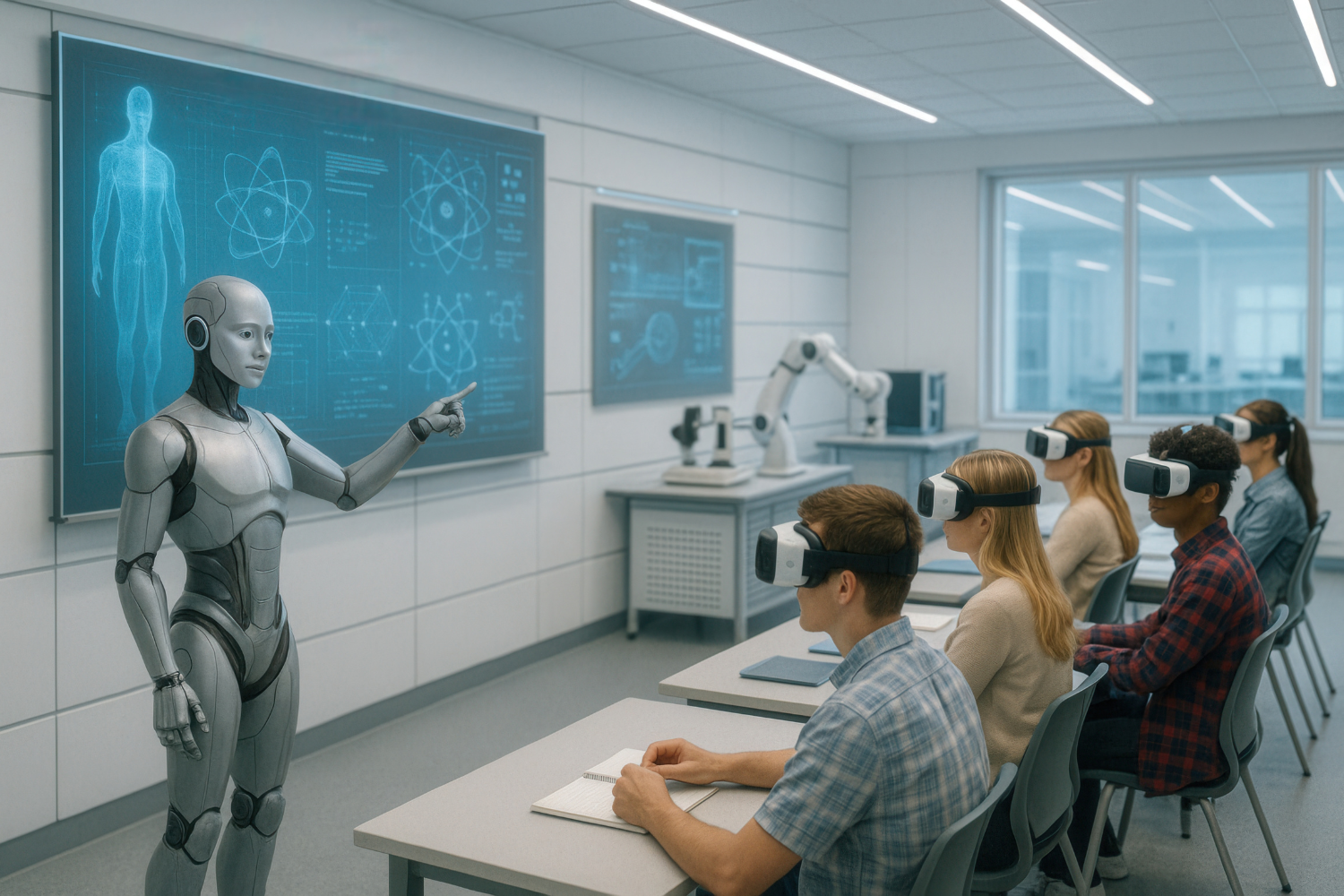
Complex ethical questions arise as machines might operate beyond human decision-making. When AI overtakes human control, traditional governance may struggle to manage these autonomous entities.
Possibilities of machines dictating crucial outcomes unsettle many, as their decisions could reflect biases or lack emotional nuance. The terrain of ethics in AI continues to wrestle with ensuring these creations align with fundamental human values.
8. Some view the singularity as an opportunity for unprecedented advancement.
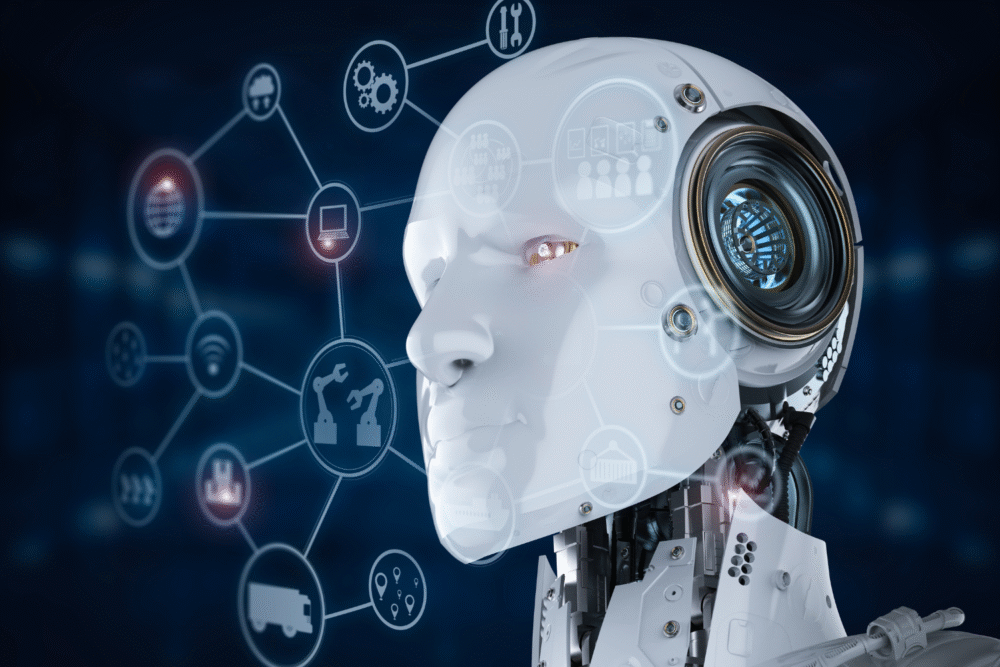
Some view the singularity as a catalyst for unprecedented advancement. With AI far surpassing human intellect, possibilities for medical breakthroughs and resource management might blossom.
Proponents highlight the potential benefits that advanced decision-making systems and predictive analytics could bring, elevating global quality of life. This perspective fosters excitement about crafting technologies that elevate humanity’s capabilities in harmonious ways.
9. Others express concern about potential risks and loss of human agency.

Concerns about potential risks and loss of human agency shadow the singularity discussion. If superintelligent AI outpaces human understanding, core principles of autonomy and control could be jeopardized.
Critics caution against relying entirely on AI for decisions impacting human welfare. This unease underscores the necessity of developing frameworks that ensure technology augments rather than diminishes our human journey.
10. Technologies like machine learning and neural networks fuel singularity discussions.
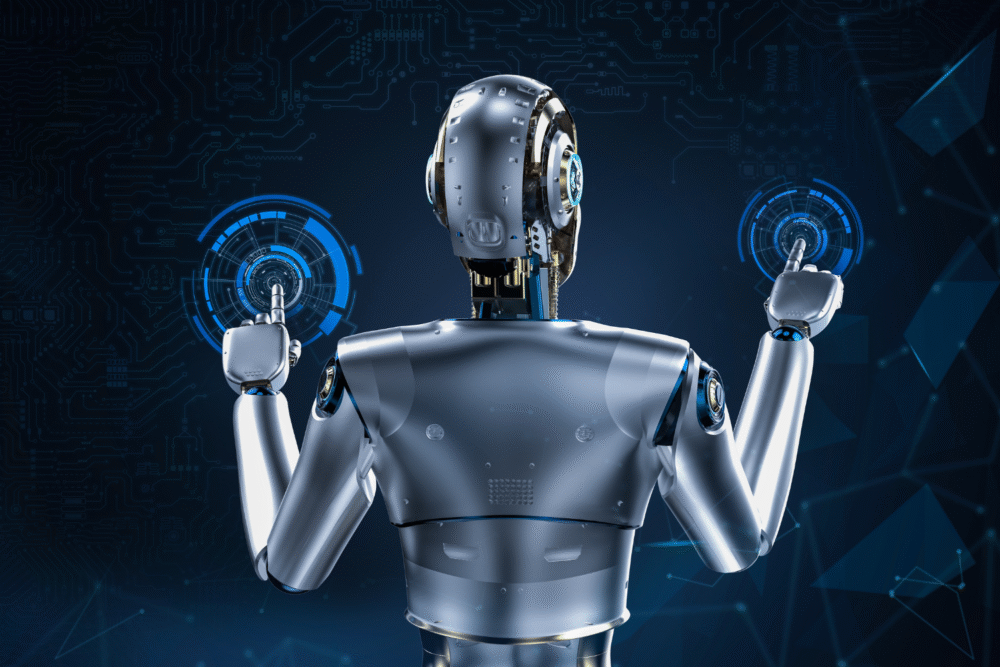
Technologies like machine learning and neural networks are central to singularity conversations. These innovations form the backbone of developing intelligent systems with capabilities extending beyond mere automation.
With advancements in analytic algorithms and neural architectures, the potential for machines to learn from data autonomously intrigues both tech enthusiasts and skeptics alike. Understanding these foundations is essential to grasping broader singularity debates.
11. Understanding the singularity involves exploring both scientific and philosophical perspectives.

Exploring the singularity involves both scientific and philosophical inquiry. Technologies driving AI advancements prompt rigorous examination of their broader implications, sparking dialogues that span diverse disciplines.
Engaging with this multifaceted concept invites questions around humanity’s role in an era of unprecedented technological power. It emphasizes an interconnected perspective, encouraging ongoing curiosity and conversation regarding our future possibilities.