
A new study reveals the shingles shot may lower the risk of stroke, heart disease, and even dementia.

The shingles vaccine was designed to prevent a painful viral rash that strikes millions of older adults. But scientists now say it may deliver a far greater benefit than anyone expected. A new large-scale study found that people who received the shingles shot had a significantly lower risk of heart attacks, strokes, and certain types of dementia in the years that followed. Researchers believe the vaccine may reduce inflammation that contributes to cardiovascular and neurological decline. If confirmed, the discovery could reshape how doctors view one of medicine’s most overlooked vaccines.
1. A Surprising Discovery About the Shingles Vaccine

The shingles vaccine has long been known for its ability to prevent the agonizing rash caused by the varicella-zoster virus. But a recent study has revealed something unexpected — it may also protect the heart and brain.
Researchers analyzing thousands of medical records found that vaccinated adults experienced lower rates of heart attack, stroke, and dementia compared to those who skipped the shot. The finding shocked even experts, who believe the vaccine’s benefits may reach far beyond preventing shingles itself, offering protection against some of the most serious age-related diseases.
2. What the Study Found
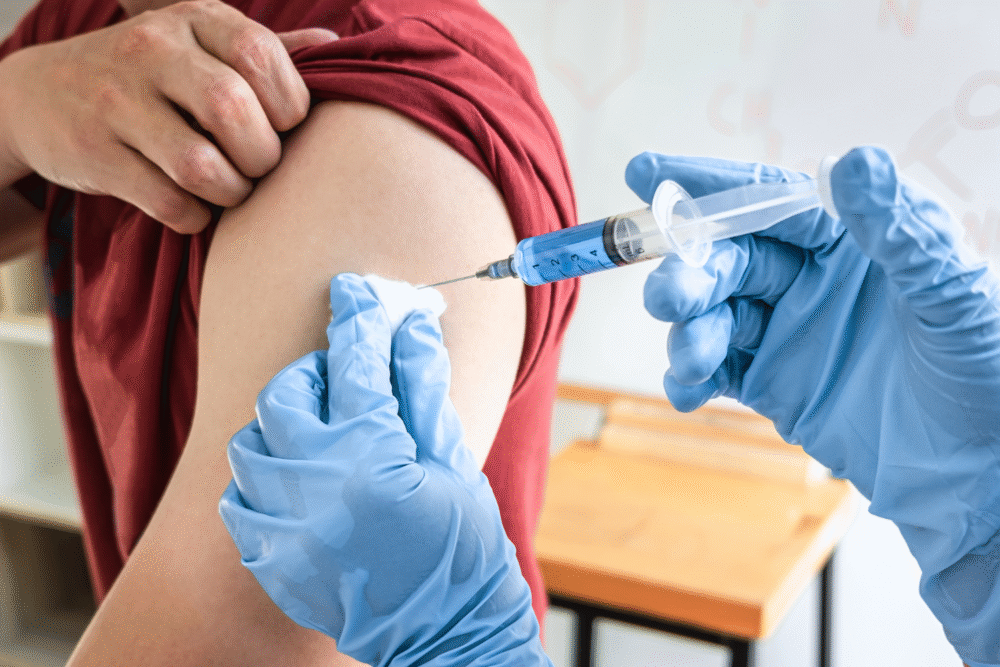
The new study, published in a major medical journal, followed adults over the age of 50 for several years after vaccination. Those who received the shingles shot had up to a 20% lower risk of cardiovascular events and as much as a 25% lower risk of dementia.
Scientists say the findings held true even after accounting for lifestyle, medical history, and other health factors. While the research doesn’t prove direct causation, the association was strong enough to suggest that the vaccine’s effects extend well beyond the skin.
3. The Science Behind the Benefit
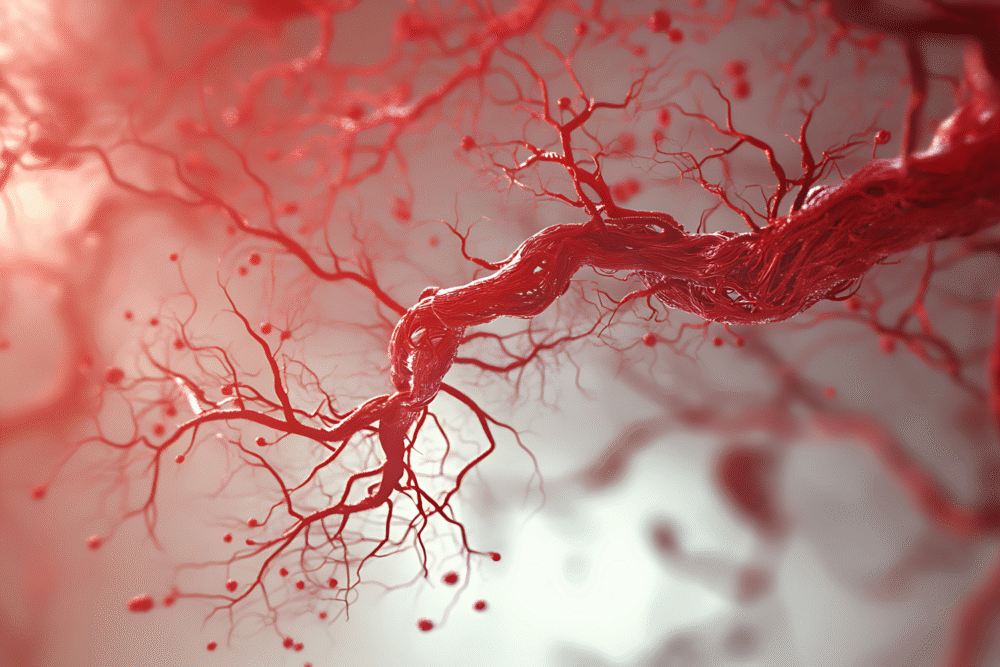
Researchers suspect that the shingles vaccine may reduce harmful inflammation in the body. Chronic inflammation is known to damage blood vessels and brain tissue over time, increasing the risk of heart disease and cognitive decline.
By training the immune system to suppress reactivation of the shingles virus, the vaccine might also reduce overall inflammation levels. This, in turn, could help protect arteries, reduce plaque buildup, and support healthy brain function — giving the immune system fewer reasons to trigger damaging inflammatory responses.
4. How Shingles Affects More Than Just the Skin
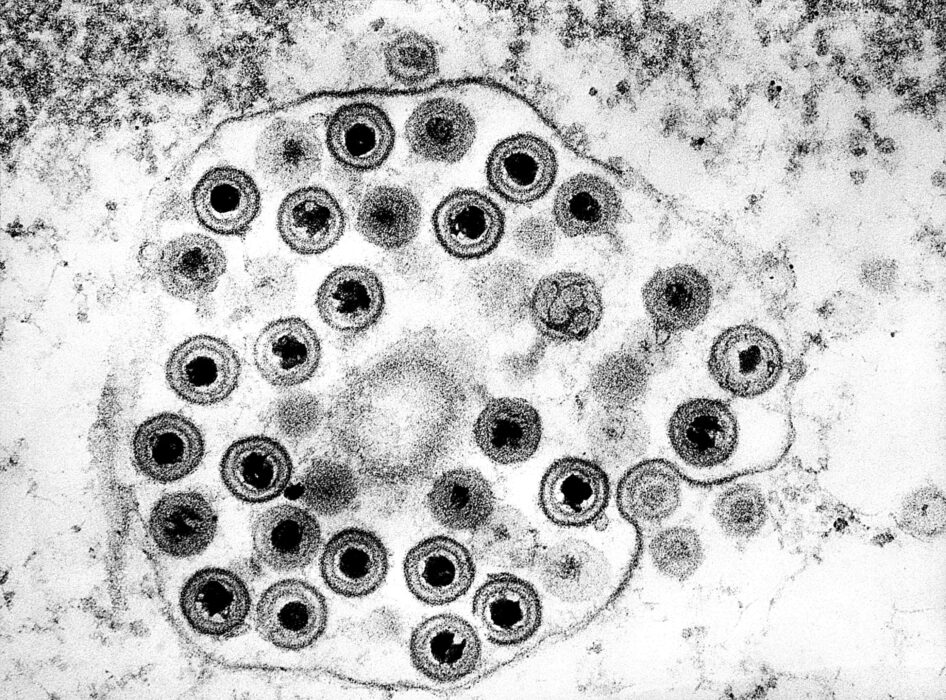
Shingles is caused by the same virus that triggers chickenpox, which can lie dormant in nerve cells for decades. When it reactivates later in life, it causes blistering rashes and severe pain that can last for months. But the virus doesn’t only affect the skin.
Medical research shows shingles can also inflame blood vessels and nerves, raising the risk of stroke, heart attack, and long-term nerve damage. Preventing outbreaks may therefore protect the body’s most vital systems — offering a double layer of defense for aging adults.
5. Why Inflammation Is the Hidden Link
Inflammation is a key factor in many chronic diseases, from heart failure to Alzheimer’s. Scientists believe viral infections like shingles can spark persistent immune responses that linger long after symptoms disappear.
By blocking reactivation of the virus, the shingles vaccine could indirectly calm this immune overactivity. That reduction may explain why vaccinated people appear less prone to inflammatory conditions. It’s an emerging concept known as “cross-protection” — where fighting one illness helps prevent others that share underlying biological pathways.
6. Who Benefits the Most

Older adults are at the highest risk for both shingles and cardiovascular disease, making them the group most likely to gain from this secondary benefit. The Centers for Disease Control and Prevention (CDC) already recommends the vaccine for everyone over 50.
Researchers say people with diabetes, high blood pressure, or prior heart problems may gain the most protection, since inflammation plays a major role in their conditions. Even those who’ve never had shingles could lower their risk for more serious health problems by getting vaccinated.
7. What Makes the New Shingles Vaccine Different

The latest shingles vaccine, known as Shingrix, is more effective than its predecessor, offering over 90% protection against infection. It works by targeting the virus’s outer proteins, boosting the body’s immune response without using a live virus.
That difference may explain why the vaccine’s benefits seem to extend beyond shingles prevention. A stronger, longer-lasting immune response could be helping the body control other forms of viral or inflammatory damage linked to aging. Researchers are now studying whether similar effects exist in other modern vaccines.
8. The Heart-Brain Connection

Cardiologists and neurologists have long known that what’s good for the heart is often good for the brain. Reduced inflammation, better circulation, and stronger immune regulation all protect both organs.
The shingles vaccine’s impact appears to follow that same pattern. By improving vascular health and lowering inflammatory markers, it could be helping to preserve cognitive function while reducing the risk of stroke and dementia. This dual benefit suggests that protecting one system — the immune system — may ripple through the entire body.
9. What Scientists Still Don’t Know

Although the evidence is compelling, experts caution that more research is needed to confirm exactly how the shingles vaccine provides these benefits. The current findings are observational, meaning they show correlation, not direct cause and effect.
Clinical trials are now being planned to test the mechanism more precisely. If future studies confirm the protective link, it could mark a breakthrough in how scientists understand the broader effects of vaccination on long-term health and aging.
10. Why Doctors Are Paying Attention

Public health experts are excited about the potential ripple effects of this discovery. If one vaccine can reduce inflammation and protect against multiple diseases, it could reshape vaccination strategies for older adults.
Doctors already know that shingles vaccination prevents severe pain and hospitalizations. Now, they may begin emphasizing its possible cardiovascular and neurological benefits as an added incentive. For patients wary of vaccines, the chance to protect both heart and brain could be a powerful motivator to finally get the shot.
11. A Simple Shot With Powerful Potential

The shingles vaccine was once seen as a niche preventive measure — something to avoid a rash and discomfort in later life. But growing evidence shows it may be one of the most important tools for protecting long-term health.
By lowering inflammation and strengthening the immune system, it may help guard against two of the leading causes of disability and death worldwide: heart disease and dementia. For millions of aging adults, that makes the simple act of vaccination not just smart medicine, but a potential shield against some of life’s biggest health threats.