
Research reveals harmful chemicals in skincare, makeup, and personal care items that could affect your health long-term.
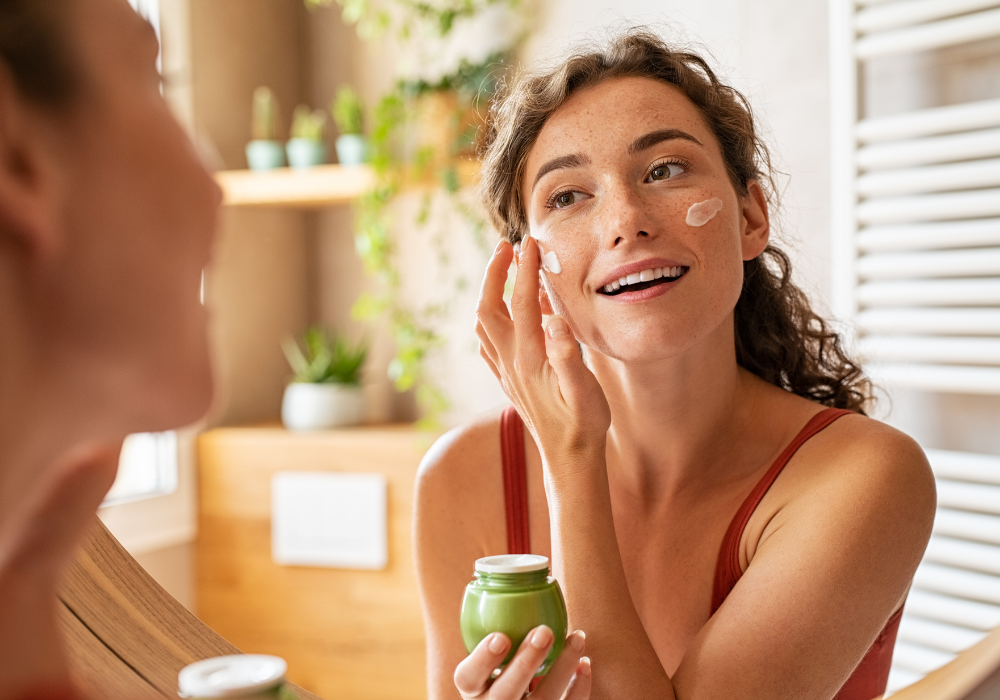
Every morning, you wash your face, brush your teeth, apply moisturizer, and maybe add some makeup before starting your day. What you might not realize is that these routine activities could expose you to dozens of potentially harmful chemicals that accumulate in your body over time.
A groundbreaking study published in Environmental Health Perspectives found that the average woman applies over 160 chemicals to her skin daily through personal care products, while men typically use around 85.
The FDA requires no safety testing for cosmetic ingredients before they reach store shelves, leaving consumers to navigate a marketplace filled with products containing substances linked to hormone disruption, allergic reactions, and even cancer. Understanding which ingredients to avoid can help you make safer choices for your daily self-care routine.
1. Your moisturizer might be messing with your hormones in ways you never imagined.

Parabens appear in roughly 85% of personal care products under names like methylparaben, propylparaben, and butylparaben. These preservatives can penetrate your skin and mimic estrogen in your body, throwing your natural hormone balance completely out of whack.
Research shows parabens accumulate in breast tissue and have been linked to early puberty in girls, fertility problems, and increased breast cancer risk. European studies found measurable paraben levels in 99% of adults tested, proving just how widespread this exposure really is.
2. That “long-lasting fragrance” in your nail polish comes with a disturbing hidden cost.
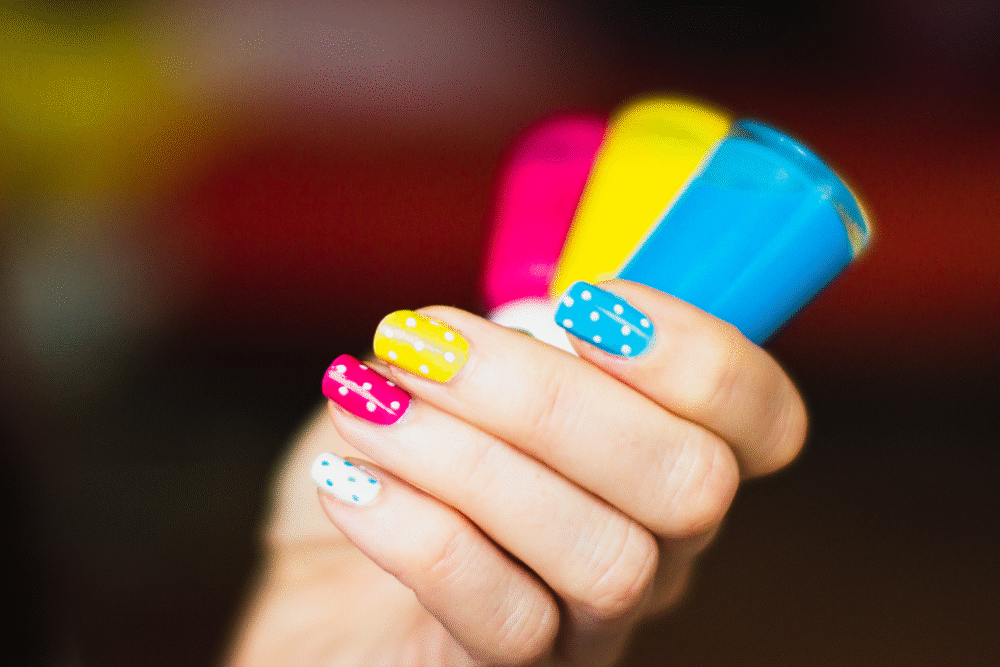
Phthalates make fragrances stick around longer and keep nail polish flexible, but they’re wreaking havoc on your reproductive system. These chemicals interfere with testosterone production and have been connected to decreased sperm count, premature births, and behavioral issues in kids.
Since companies don’t have to reveal what’s in their “fragrance” blends, phthalates hide in plain sight on ingredient labels. Pregnant women with higher phthalate exposure give birth to children with lower IQs and more attention problems.
3. Your shampoo contains ingredients that slowly release a known cancer-causing chemical.
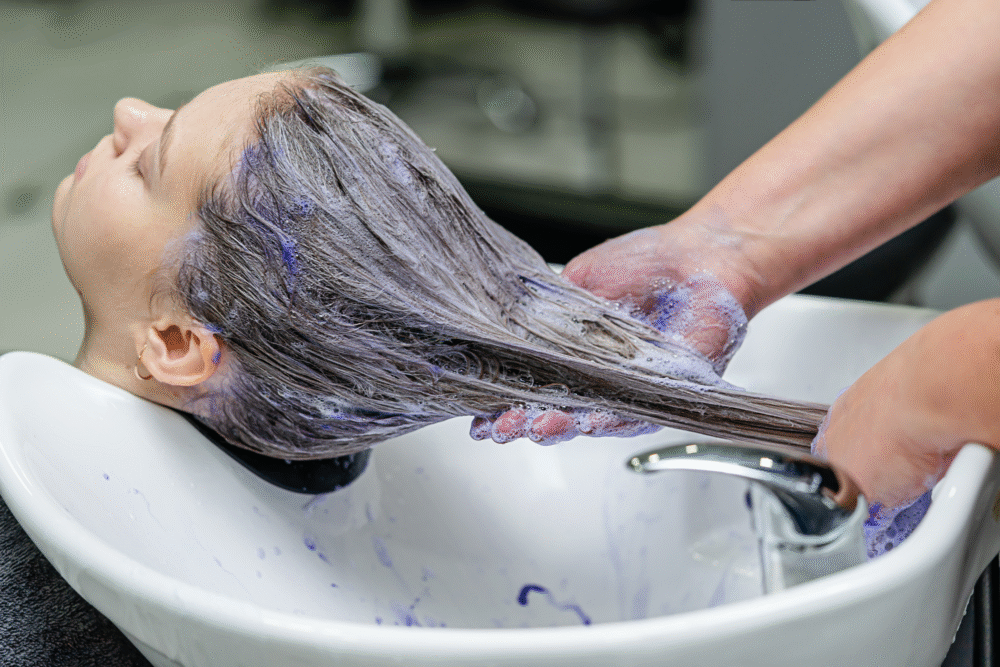
Formaldehyde-releasing preservatives like DMDM hydantoin and quaternium-15 gradually emit formaldehyde gas to keep bacteria from growing in your products. The problem? Formaldehyde is classified as a Group 1 carcinogen that can trigger asthma, cause severe skin reactions, and lead to respiratory problems that get worse over time.
Hair salon workers experience higher rates of breathing issues because they’re constantly exposed to these chemicals through professional treatments and styling products.
4. Your favorite lipstick probably contains the same heavy metals found in toxic waste.
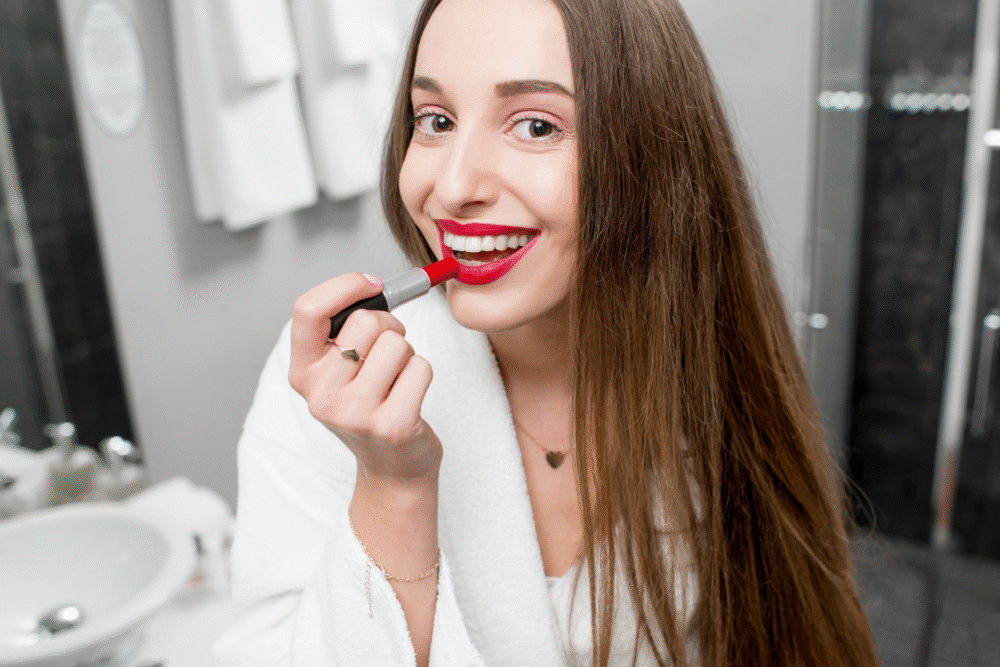
Lead, mercury, and cadmium contaminate cosmetics through sloppy manufacturing and dirty raw materials. An FDA study discovered lead in 99% of tested lipsticks, with some containing levels that would be illegal in children’s candy.
These toxic metals build up in your bones, kidneys, and brain tissue after years of daily use. Kids are especially at risk because their developing brains absorb heavy metals much more easily than adult brains do.
5. That foamy face wash is actually damaging your skin’s natural defenses.

Sodium lauryl sulfate creates all those satisfying bubbles in your cleansers, but it’s also stripping away your skin’s protective barrier like sandpaper. When your skin barrier gets damaged, it becomes a highway for other dangerous chemicals to penetrate deeper into your tissues.
Harsh detergents can cause painful mouth ulcers, chronic skin irritation, and increased sensitivity to other facial products. Dentists now routinely recommend SLS-free toothpastes for patients who get frequent canker sores.
6. Your signature scent contains a secret cocktail of potentially dangerous chemicals.

When you see “fragrance” or “parfum” on a label, you’re looking at a mystery mixture that could contain up to 3,000 different chemicals. Companies guard these formulas like state secrets, so you have no idea what you’re actually breathing in or absorbing through your skin.
These complex blends regularly include hormone disruptors, allergens, and compounds that trigger migraines, asthma attacks, and severe skin reactions. About 12% of people suffer from chemical sensitivity that makes exposure to fragranced products absolutely miserable.
7. Your hair dye contains the same toxic compounds found in roofing tar.
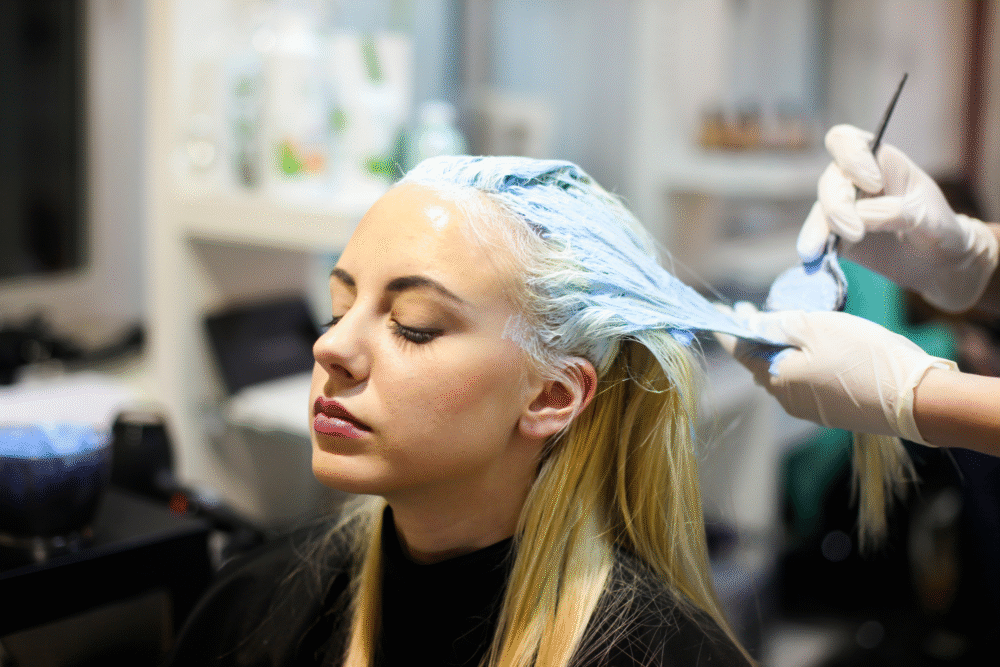
Coal tar dyes give your hair color and makeup their vibrant hues, but they’re contaminated with cancer-causing chemicals during the manufacturing process. Dark hair dyes pose the biggest threat because they pack the most coal tar derivatives.
Hairdressers and frequent dye users show higher rates of bladder cancer and lymphoma in health studies. Many of these dangerous dyes have been banned in Europe but remain perfectly legal in American beauty products.
8. That antibacterial soap is creating superbugs while disrupting your thyroid.
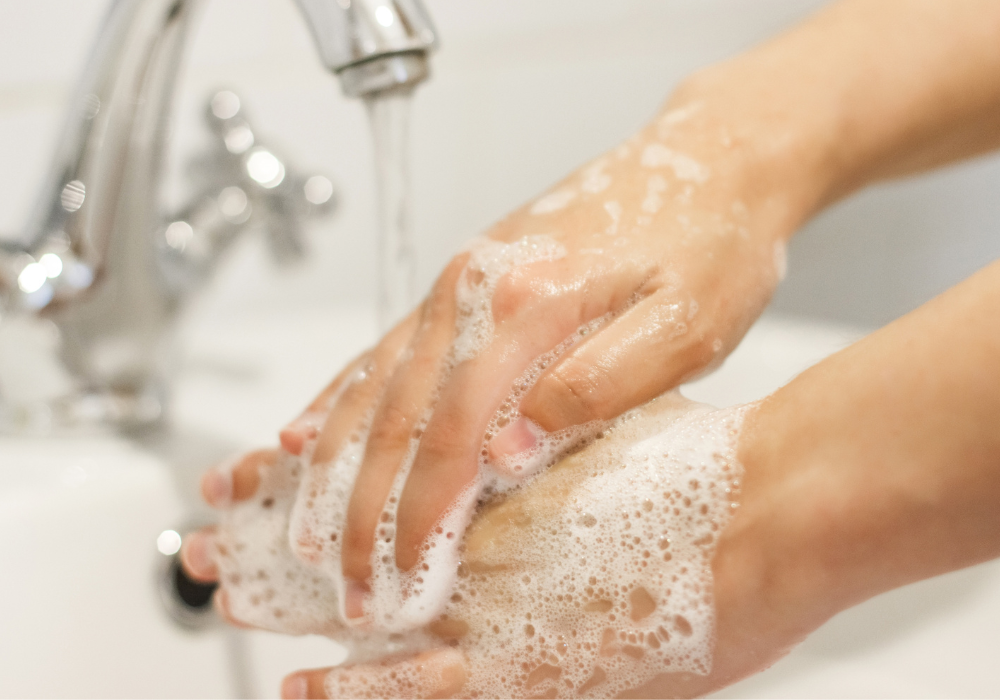
Triclosan was designed to kill germs, but it’s also interfering with your thyroid hormones that control your metabolism and energy levels. Studies connect triclosan exposure to thyroid problems, reproductive hormone chaos, and developmental issues in children.
Even worse, this chemical is helping create antibiotic-resistant bacteria that make infections much harder to treat. While the FDA banned triclosan from hand soaps, it still lurks in toothpastes, deodorants, and other daily essentials.
9. Your antiperspirant deposits aluminum directly into the tissue near your heart.
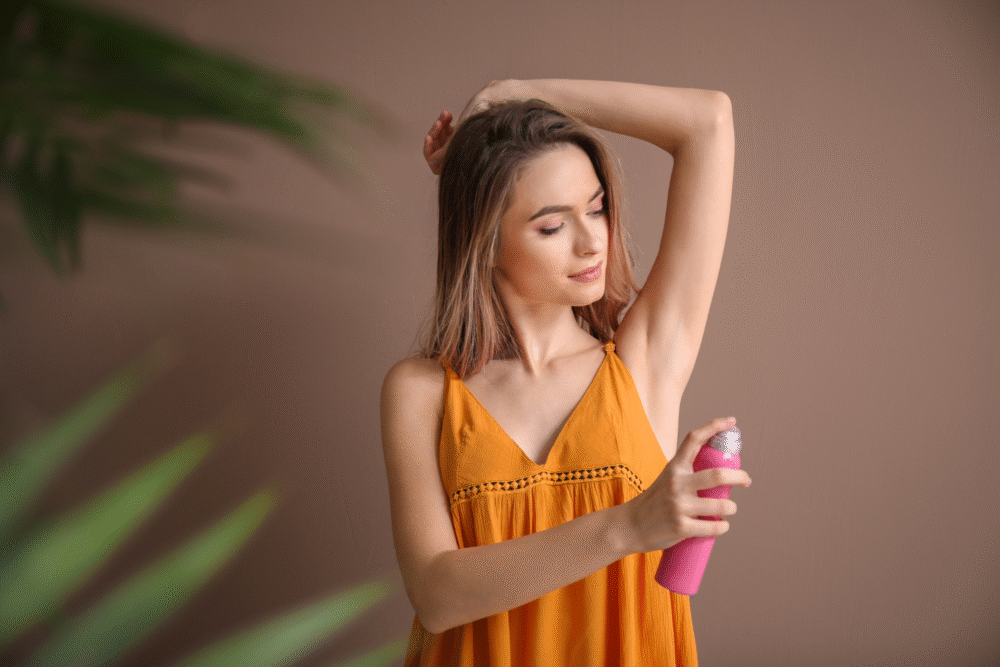
Aluminum salts stop you from sweating by blocking your sweat ducts, but they’re also getting absorbed through tiny cuts from shaving. Scientists have found aluminum building up in breast tissue, with the highest concentrations right near the armpit area.
While the cancer connection is still being debated, aluminum exposure has been linked to Alzheimer’s disease and serious bone problems. Your antiperspirant contains thousands of times more aluminum than what’s considered safe in drinking water.
10. Your expensive anti-aging cream might be setting you up for skin cancer.
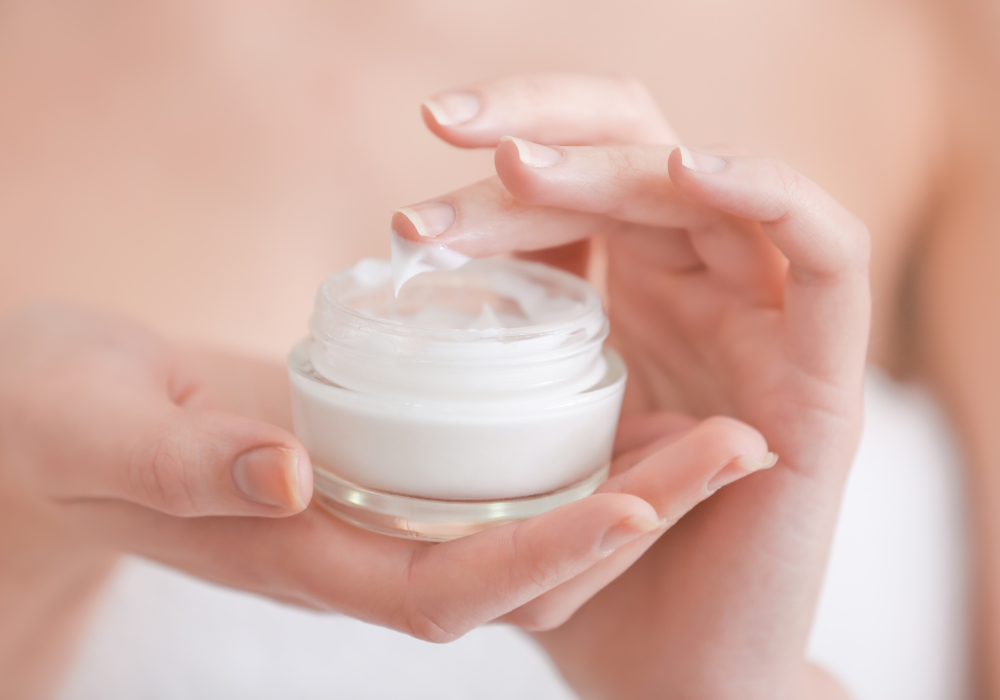
Retinol and prescription retinoids deliver impressive wrinkle-fighting results, but they make your skin incredibly vulnerable to sun damage. Research shows that retinol-treated skin develops tumors much faster when exposed to UV rays compared to normal skin.
Government safety experts recommend avoiding sun exposure completely while using these products, yet most labels barely mention this serious risk. Pregnant women need to stay away from retinoids entirely because they can cause devastating birth defects.
11. Your sunscreen contains microscopic particles that are traveling to places they shouldn’t go.

Nanoparticles of titanium dioxide and zinc oxide make sunscreens invisible and foundations silky smooth, but their tiny size lets them slip past your body’s natural protective barriers. These particles have been detected in blood, urine, and even breast milk after being applied to skin.
Lab studies show that nanoparticles can damage DNA and trigger dangerous inflammatory reactions inside cells. While scientists consider topical use safer than breathing them in, nobody really knows what decades of nanoparticle buildup will do to human health.