
As global crises grow, consumers are realizing that every purchase carries the power to drive real change.

Ethical consumerism—choosing products made with care for people and planet—shapes the world more than many realize. By prioritizing fair wages, sustainable materials, and transparent supply chains, buyers support social responsibility and environmental protection. These choices not only improve worker livelihoods and reduce harm but also encourage companies to adopt better practices. Understanding the importance of ethical consumerism helps consumers harness their influence for lasting, meaningful impact on industries and communities alike.
1. Ethical consumerism supports fair wages and better working conditions globally.

Purchasing products made under fair conditions ensures that workers receive appropriate compensation and experience safe working environments. Factories producing items like fair trade coffee prioritize worker welfare. These conditions significantly improve the livelihoods of workers who might otherwise face exploitation.
By supporting such initiatives, buyers help uphold global ethical practices. When a shirt is produced ethically, it’s not just about fabric quality but the respect afforded to workers. This care translates into real-world benefits, creating momentum toward improved industry standards across international boundaries.
2. Choosing ethically made products reduces environmental harm and promotes sustainability.

Ethically made products are crafted with a focus on reducing ecological damage. Manufacturers aim to create items from sustainable materials, like bamboo cutlery, that minimize waste. Reduced chemical usage in production processes leads to a decrease in pollution levels.
Investing in such choices isn’t limited to environmental gains. Environmentally sound decisions contribute to a broader societal understanding of responsible stewardship. By choosing sustainably, consumers can help shift producer priorities toward eco-friendly solutions that benefit the planet and future generations.
3. Supporting ethical brands encourages transparency and corporate accountability.
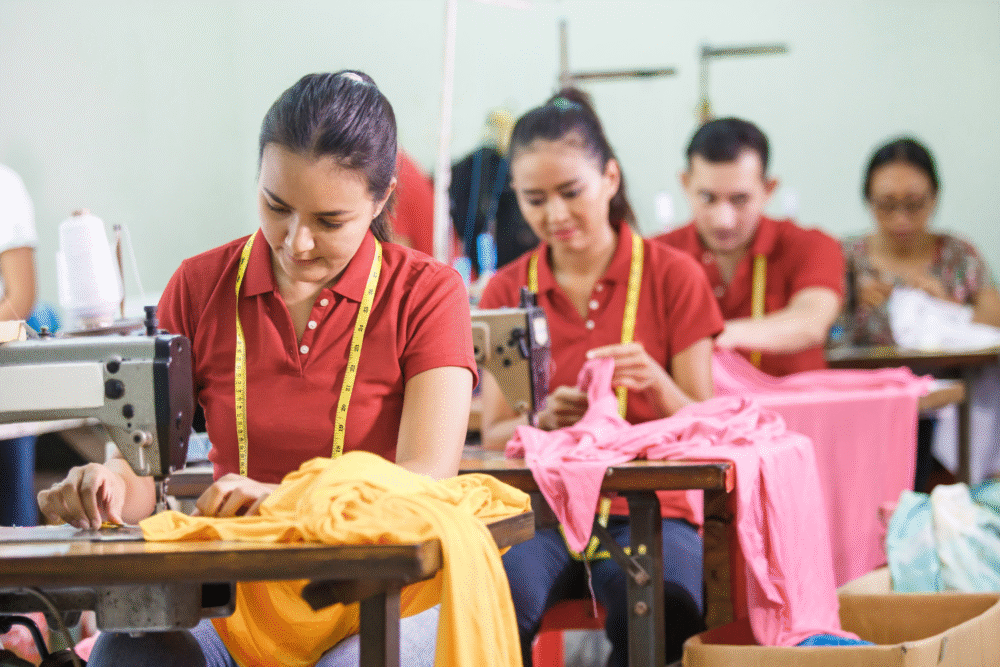
Transparency in business practices reveals the journey a product takes from origin to shelf. Brands prioritizing clear communication often engage in responsible production, highlighting ethics over profit. This meticulous approach not only builds trust but also sets higher corporate standards.
Brands showcasing ethical credentials often see increased consumer support, driving industry-wide accountability. As companies open up about sourcing, they naturally align with practices benefiting people and the planet. This openness encourages a cultural shift toward business integrity and consumer-aware branding.
4. Ethical consumerism fosters humane treatment of animals throughout supply chains.

In today’s markets, ensuring humane animal treatment becomes increasingly significant. Ethical frameworks guide brands to adopt cruelty-free practices, ensuring production processes avoid harm. Leather goods made responsibly consider the welfare of animals involved throughout their supply chains.
Such decisions reflect a broader respect for all living creatures. The focus extends beyond just avoiding animal harm; it’s tied to comprehensive care for ecosystems. Supporting humane industry practices leads to a ripple effect, fostering compassion and environmental mindfulness across borders.
5. Conscious purchasing helps protect vulnerable communities and respects their rights.

Ethical consumerism stands as a safeguard for vulnerable communities around the globe. Fair trade products, such as cocoa or textiles, offer protection against exploitation by fostering equitable trade conditions. Communities significantly benefit from these ethical practices by gaining access to better resources.
This protection isn’t limited to better wages; it encompasses cultural respect and social stability. As marketplaces evolve with ethical considerations, these communities flourish rather than being marginalized. Fair practices empower them by affirming their rights and enabling long-term prosperity.
6. Opting for ethical goods reduces reliance on exploitative labor practices.

Choosing ethically produced goods helps diminish reliance on exploitative labor. Goods certified with ethical standards ensure that labor rights are upheld and enforced. Sweatshop-free clothing highlights the stark contrast between fair treatment and common practices in fast fashion.
Reduction in exploitation fosters a better-integrated workforce. Consumers inadvertently send a message against harmful labor practices, encouraging broader industry change. By taking a stand against exploitation, buyers create a market-pressure wave, prompting shifts toward fairness and dignity for all workers.
7. Ethical consumerism promotes long-term positive change in industry standards.

Ethical shopping choices foster long-term shifts in industry norms by demanding responsible business practices. When consumers gravitate toward ethical offerings, companies are compelled to adjust standards to align with these values. Over time, this affects multiple facets, from raw material sourcing to worker conditions.
These changes aren’t instantaneous but gradually shape a more conscientious marketplace. A shift toward ethical standards helps ensure that industries prioritize people and ecosystems alongside profits, creating mutually beneficial dynamics that endure well into the future.
8. Buying with ethics in mind encourages companies to improve product quality.

Quality can significantly improve when consumers prioritize ethics in purchasing. Products focused on transparency often lead to better craftsmanship. An artisan’s carefully crafted pottery dish reflects not only skill but respect for materials and ethical sourcing.
Rising consumer expectations encourage higher-quality goods without sacrificing environmental or social principles. As businesses respond to conscious purchasing, the overall product market benefits from heightened standards. This growth supports sustainable practices while ensuring excellence in production materials and techniques.
9. Supporting local artisans and fair trade helps preserve cultural heritage.

Fair trade and local artisanship help maintain cultural heritage through ethical consumption. Buying directly from craftspeople sustains traditional methods and skills. These purchases also provide artisans with fair compensation, preserving arts that might otherwise wane.
Beyond economic impacts, embracing cultural products enriches societies globally by celebrating diversity. When consumers invest in handmade jewelry or indigenous textiles, they contribute to cultural dynamism and continuity. Such practices ensure that rich traditions persist generation after generation.
10. Ethical consumption minimizes waste by prioritizing durability and responsible sourcing.

Ethical consumption reduces waste by emphasizing durable and responsibly sourced products. Opting for high-quality, sustainable items leads to longer-lasting use, which minimizes the need for disposables. A stainless steel water bottle exemplifies this approach, reducing reliance on single-use plastic containers.
Focusing on sustainability prevents the accumulation of waste over time, fostering a healthier planet. Beyond waste reduction, it signals a preference for quality and responsible stewardship among producers. Collectively, these choices help reshape consumer culture toward resource-conscious living.
11. Engaging in ethical consumerism empowers individuals to influence market trends.

Engaging in ethical consumerism empowers individuals to shape market dynamics. By aligning with ethical brands, consumers send messages about values that actively influence corporate decision-making. The power of choice lies in opting for fair trade chocolate over more conventional offerings.
This influence changes cultural expectations surrounding production and marketing strategies. As ethical consumerism grows, its impact extends beyond individual transactions, sparking broader societal shifts. Empowered consumers drive forward-thinking practices, setting new benchmarks for future market conditions.