
A sudden breakdown in the Arctic’s icy circulation could trigger decades of extreme weather chaos.
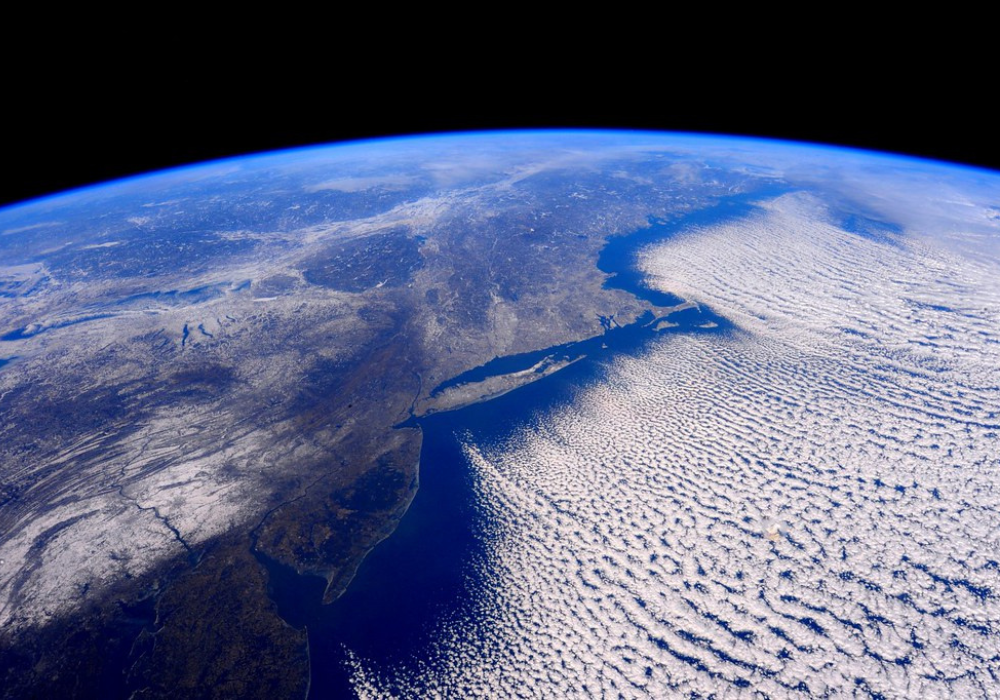
High above the Arctic, powerful winds known as the polar vortex help contain the planet’s coldest air. But scientists now warn that this system—already weakened by rapid warming—could be nearing a dangerous tipping point. When the vortex collapses, frigid Arctic air spills south while heat surges north, disrupting weather patterns across the globe. From record-breaking blizzards to unrelenting heat waves, the aftershocks could reshape seasons, agriculture, and ecosystems for decades. Experts say the next collapse may not just change our weather—it could redefine Earth’s climate stability itself.
1. The Polar Vortex: Earth’s Hidden Climate Engine
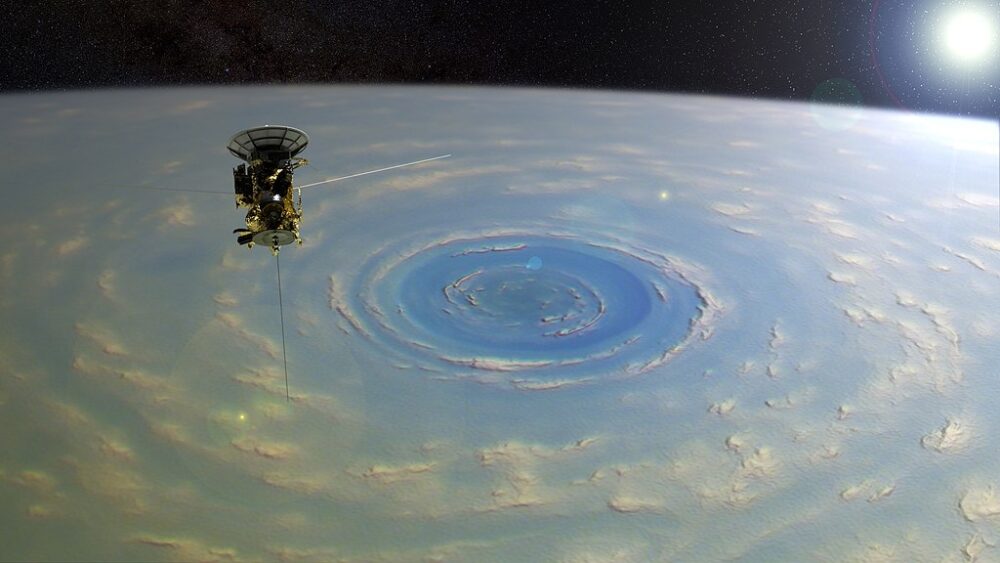
High above the Arctic lies a swirling mass of icy air called the polar vortex. This powerful circulation of winds acts like a lid, trapping the planet’s coldest temperatures near the pole. When it remains strong, it keeps the Arctic’s frigid air contained, allowing milder climates farther south to stay stable.
But when the vortex weakens or splits, the system loses its balance. Cold air floods south into North America, Europe, and Asia, while warmer air rushes north. Scientists consider it a “climate gatekeeper,” and any collapse could trigger extreme weather shifts worldwide.
2. What Causes the Vortex to Collapse

A collapse begins when a wave of warm air from lower latitudes surges into the upper atmosphere, disrupting the vortex’s steady rotation. This event—known as a sudden stratospheric warming—can stretch, split, or completely destabilize the vortex’s circular pattern.
The result is chaos: bitter cold descends on regions far from the Arctic while polar areas experience unusual warmth. Climate researchers say these events are becoming more frequent as global warming intensifies, signaling that the system’s long-term stability may already be unraveling.
3. The Arctic Is Warming Four Times Faster Than the Rest of Earth
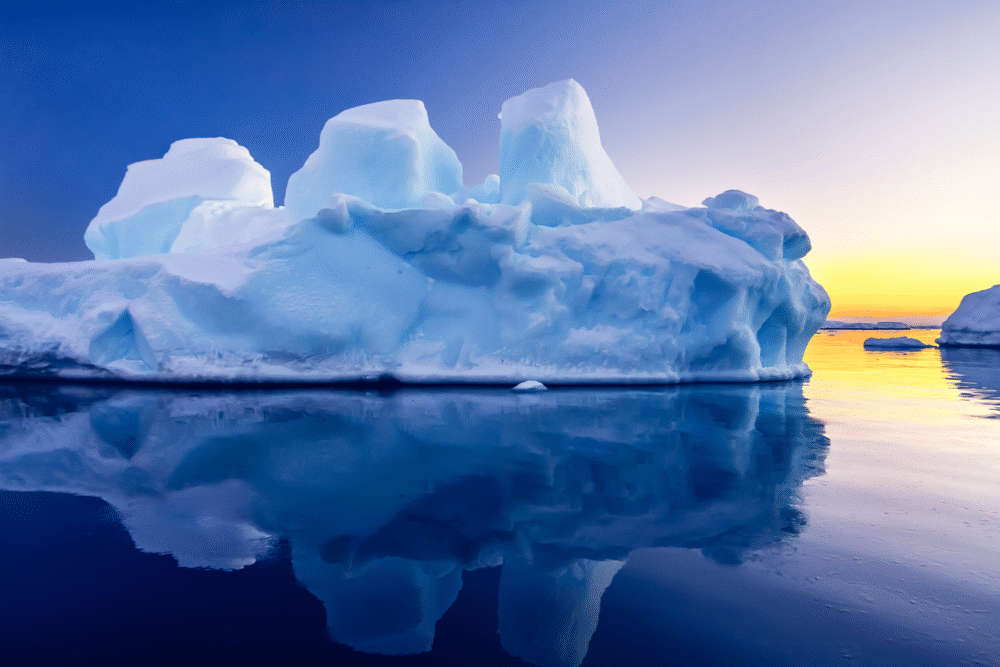
The Arctic has become the fastest-warming region on the planet, heating up roughly four times faster than the global average. Shrinking sea ice exposes darker ocean surfaces that absorb more sunlight, trapping additional heat in a dangerous feedback loop.
This rapid warming doesn’t just affect local wildlife—it also weakens the temperature gradient that powers the polar vortex itself. As that gradient fades, the vortex loses strength, allowing cold Arctic air to leak south and rewrite weather patterns across the Northern Hemisphere.
4. The Domino Effect on Global Weather
When the vortex collapses, the impact isn’t limited to the Arctic. It sets off a chain reaction that can disrupt weather thousands of miles away. Sudden deep freezes, heavy snowfalls, and powerful storms often follow in regions unprepared for them.
Meanwhile, other areas experience the opposite: prolonged warmth and drought. These swings can interfere with agriculture, energy systems, and even public health. Meteorologists call it a “teleconnection”—a single event in the stratosphere linking distant parts of the planet through complex atmospheric chains.
5. The Connection Between Melting Ice and Jet Stream Chaos
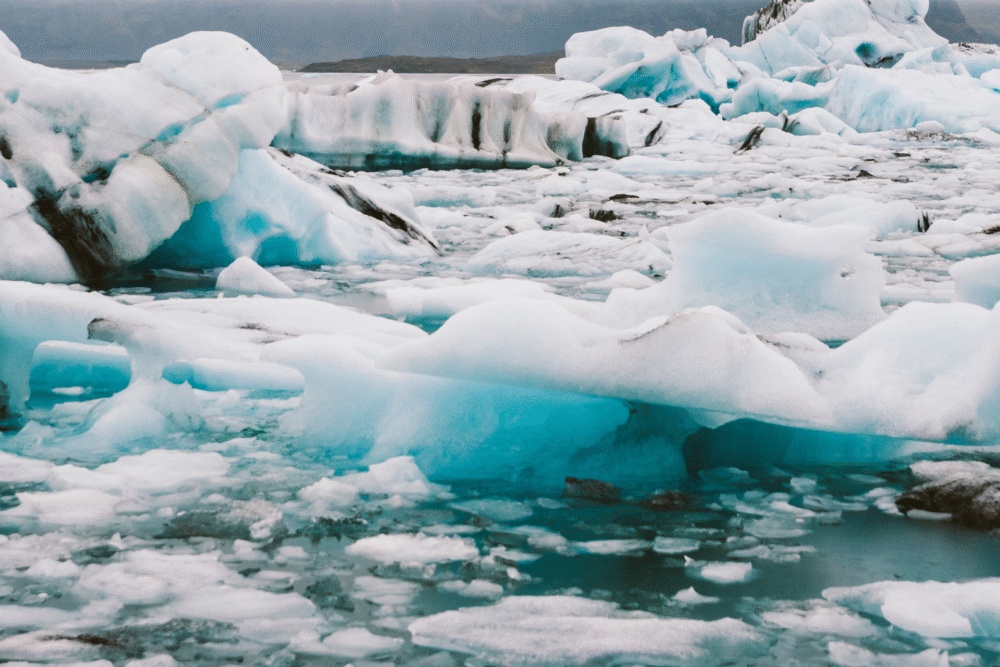
As the Arctic loses its sea ice, it changes how heat and energy move through the atmosphere. This can cause the jet stream—a fast-moving ribbon of air that circles the globe—to slow down and meander.
When that happens, weather systems linger longer than usual. Regions can get stuck in cycles of extreme cold, heat, or rain. A collapsing polar vortex amplifies this effect, making once-rare weather events, like Texas snowstorms or European heat waves, far more likely and intense.
6. The Human Toll of a Shifting Climate Engine
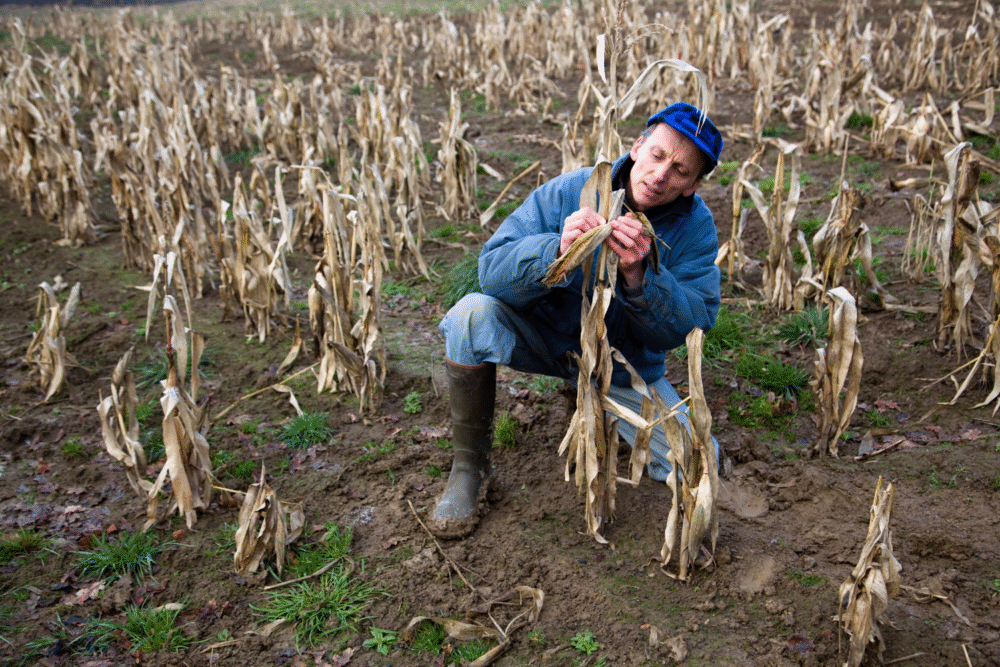
The breakdown of the polar vortex can lead to weather disasters that cost billions and claim lives. Freezing conditions can cripple power grids, burst water systems, and paralyze transportation networks.
At the same time, unexpected heat or drought in other regions devastates crops and stresses already fragile ecosystems. Scientists warn that as collapses become more frequent, entire economies could be forced to adapt to a new era of climate volatility.
7. How Scientists Detect a Collapse in Real Time
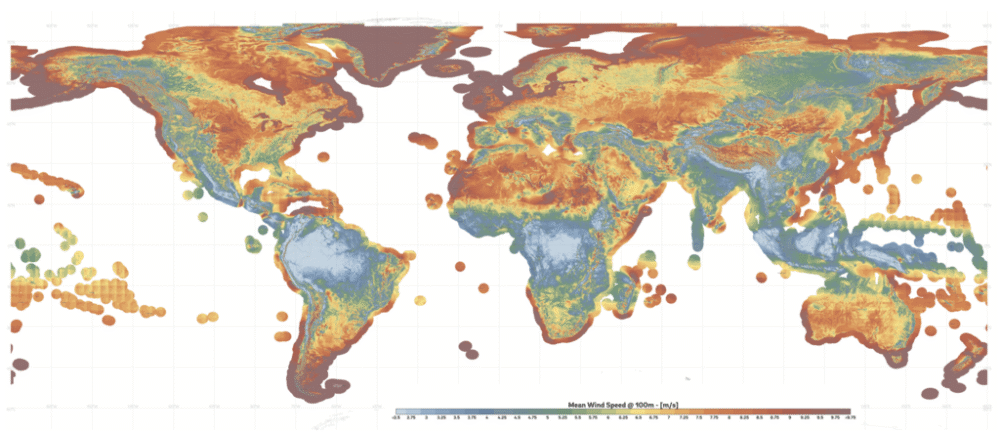
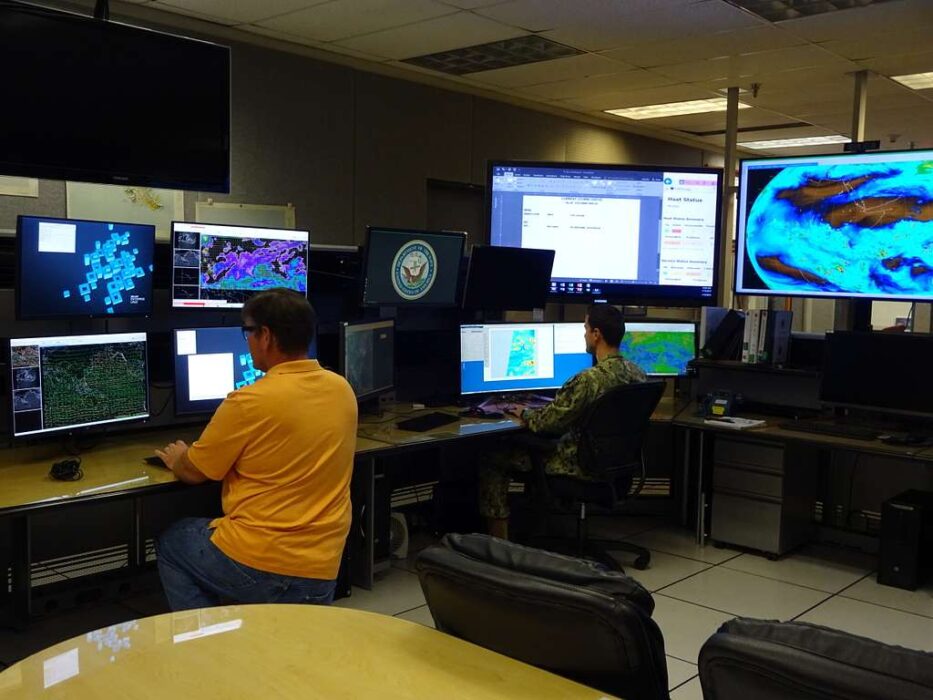
Meteorologists monitor the polar vortex by tracking wind speeds, temperature changes, and stratospheric pressure patterns. Using satellite data and weather balloons, they can detect early signs of instability days or even weeks before a full collapse.
When they see temperatures suddenly spike high above the pole, they know the vortex’s structure is breaking down. These early warnings are crucial for forecasting extreme cold events, though predicting the exact timing and severity remains one of climate science’s toughest challenges.
8. Could the Vortex Collapse Become Permanent?
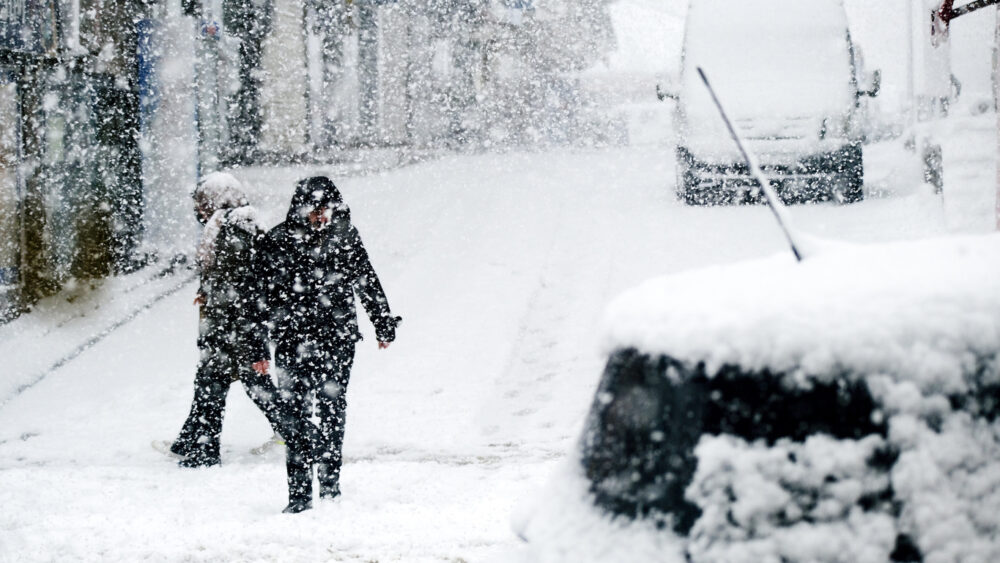
Some researchers fear the polar vortex could reach a tipping point where it never fully recovers. Continuous Arctic warming might weaken it so much that collapses become the norm rather than the exception.
If that happens, Earth’s climate could enter a new era of instability marked by oscillating extremes—brutal winters, scorching summers, and unpredictable seasons. While scientists don’t yet agree on whether this scenario is inevitable, the accelerating pace of change has them deeply concerned.
9. Lessons from Past Collapses
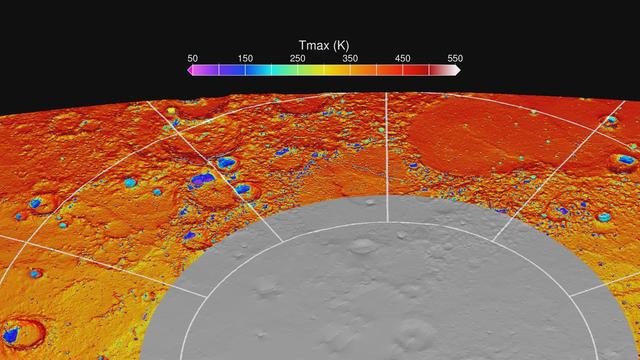
Historical data show several severe collapses over the past decades, including those in 1989, 2010, and 2021. Each event produced devastating cold waves, record-breaking snowfalls, and global weather disruptions that lasted for weeks.
These incidents offer valuable clues about how future collapses might unfold. Scientists studying the patterns see clear links between Arctic temperature anomalies and stratospheric disturbances, suggesting that today’s warming trend could set the stage for even more frequent and intense events ahead.
10. Why Some Regions Could Face Permanent Winter Extremes
In a weakened vortex scenario, the same regions may repeatedly bear the brunt of cold air outbreaks. North America, Northern Europe, and parts of Asia are especially vulnerable due to their location beneath typical “vortex spill” paths.
For those areas, brutal winters could become a recurring reality even as the planet overall grows warmer. That paradox—global heating combined with local deep freezes—could be one of the most confusing and disruptive legacies of a changing Arctic climate system.
11. What the Future Holds for Earth’s Climate Balance
Scientists stress that understanding and stabilizing the polar vortex is crucial to predicting future climate trends. If the Arctic continues to warm, the feedback loops that drive collapses may intensify beyond human control.
The coming decades could determine whether the vortex remains a seasonal pattern or transforms into a chronic climate threat. Either way, experts agree: what happens above the North Pole will not stay there—it will shape the weather, economies, and survival of communities across the planet.