
Scientists develop a breakthrough material that dissolves deep at sea—no cleanup crews required.

Plastic pollution is strangling our oceans—literally. Every year, millions of tons of plastic end up in waterways, breaking down into toxic microplastics that harm sea life and end up in our food. But what if plastic didn’t stick around for centuries? Enter disappearing plastic—also known as biodegradable or compostable plastic alternatives.
These innovative materials are designed to vanish after use, sparing the planet from long-term damage. You don’t have to change much about your lifestyle to make a big difference. From food packaging to clothing fibers, these plastics are infiltrating industries in a way that could transform everything we thought we knew about waste.
Here’s how these futuristic materials could quietly revolutionize your relationship with the environment—without you even noticing.
1. These plastics dissolve naturally, so they don’t linger in the ocean for centuries.
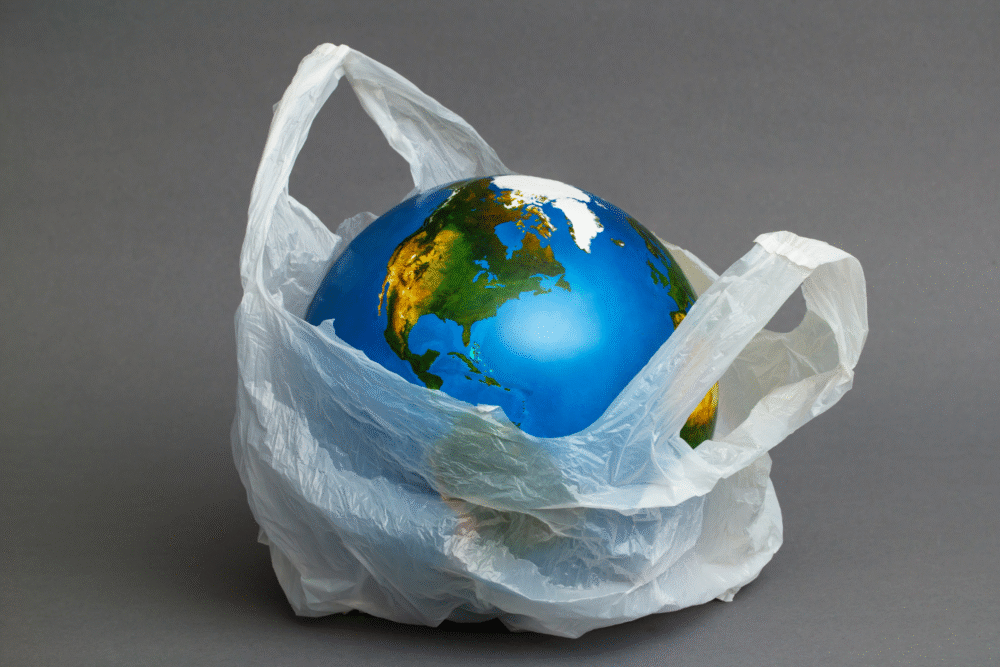
Unlike traditional petroleum-based plastic that sticks around for hundreds of years, disappearing plastics are engineered to biodegrade in specific environments. That means when these materials end up in the ocean, soil, or compost, they’re designed to break down quickly—leaving behind nothing but water, carbon dioxide, and organic material.
You won’t need a special recycling system or tech-savvy disposal method. They’re built to vanish, all on their own. That simple shift could mean fewer sea turtles choking on bags and fewer fish with microplastics in their bellies.
When these alternatives replace everyday plastics, it’s like giving the Earth a magic eraser. You can do your part without even lifting a finger—just by choosing smarter packaging or grabbing a product made with biodegradable materials.
2. They’re already replacing single-use plastics in everyday items you buy.
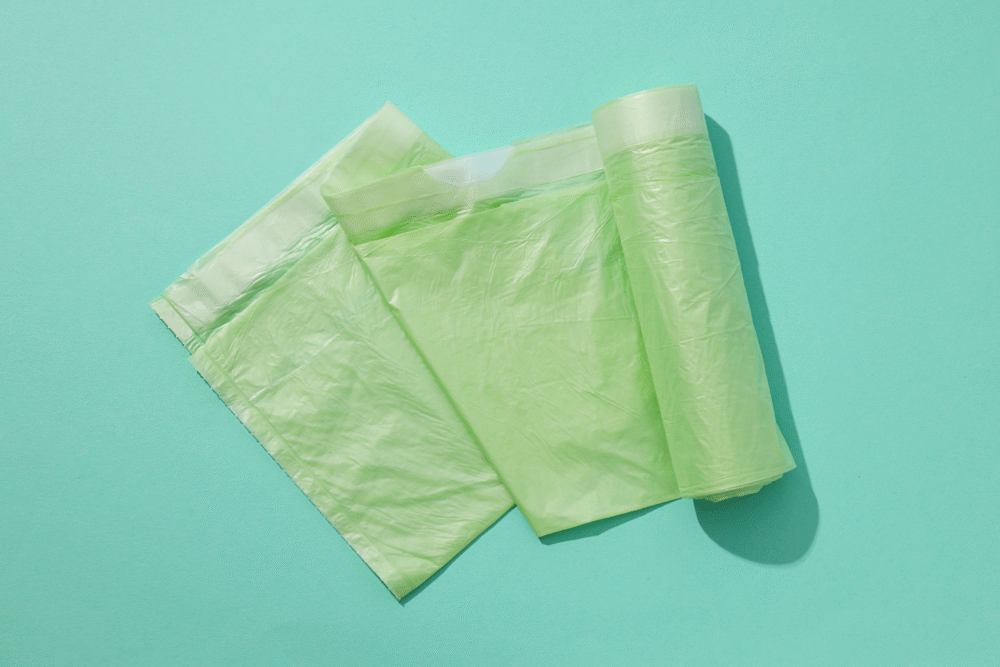
Think these futuristic plastics are just a science lab fantasy? Think again. Compostable coffee pods, biodegradable trash bags, and dissolvable delivery packaging are already available at your local grocery store or online.
Major brands and startups alike are adopting disappearing plastic for utensils, takeout containers, and even grocery bags. These items feel and function just like their plastic counterparts—but with none of the toxic afterlife. So whether you’re sipping iced coffee or tossing out food scraps, you might already be using products that leave no long-term environmental trace.
The more companies that adopt this tech, the less burden we place on landfills and oceans. It’s the kind of change that sneaks into your routine—and leaves the planet just a little cleaner each time.
3. They’re made from natural materials that won’t harm marine life.
Disappearing plastics are often crafted from renewable plant-based materials like cornstarch, sugarcane, or algae. These ingredients sound more like a smoothie than a shopping bag—and that’s the point. When they enter the ocean, they break down into non-toxic components that marine organisms can safely digest or ignore entirely.
That’s a huge leap from traditional plastics, which can poison fish and seabirds or block digestive tracts altogether. These biodegradable materials essentially speak the language of nature. They blend in, break down, and leave minimal harm in their wake.
By choosing products made from these sources, you’re not just avoiding waste—you’re protecting entire ecosystems from unnecessary suffering.
4. Major companies are investing big in disappearing plastic tech.

This isn’t just a fringe idea pushed by eco-enthusiasts. Industry giants like PepsiCo, Nestlé, and Unilever are pouring millions into biodegradable plastic solutions, betting that consumer demand and environmental urgency will only grow.
And they’re not wrong—governments around the world are implementing stricter bans on traditional plastic, pushing companies toward faster innovation. These corporate shifts mean the plastic in your hands tomorrow could be radically different than it was a year ago.
By supporting brands that make the switch, you’re casting a vote for the kind of packaging you want to see dominate shelves. It’s a rare moment where corporate and environmental interests are beginning to align—and it could mark a pivotal shift in how we package and protect everything.
5. They break down faster in compost bins, not landfills.
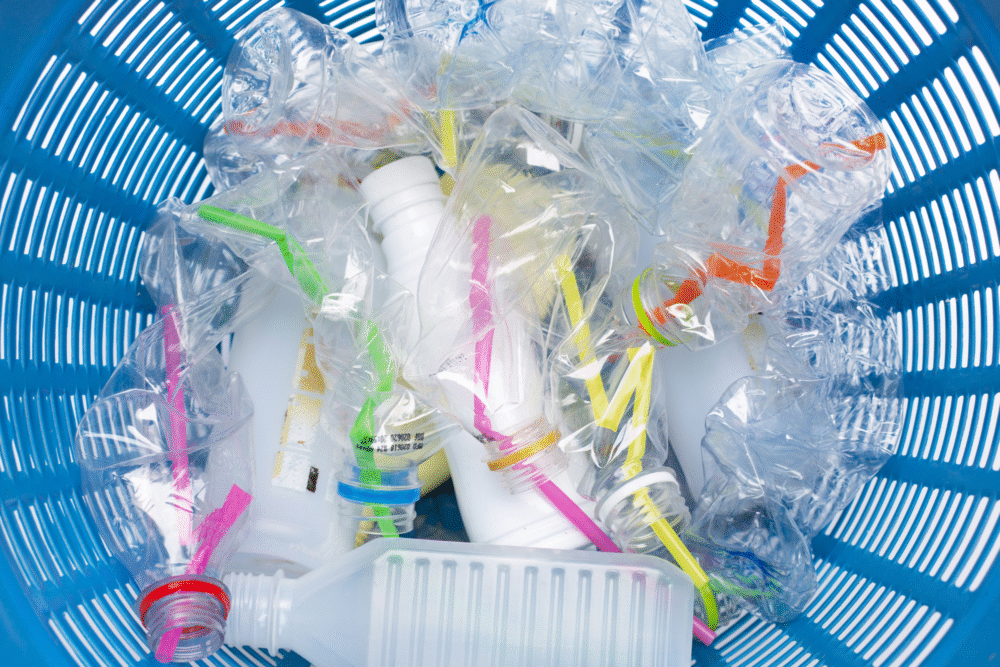
Disappearing plastics shine in the right conditions—namely, compost bins and industrial composting facilities. Unlike traditional plastic, which can take hundreds of years to degrade, many biodegradable plastics can break down in a matter of months.
That means less methane from landfills, less bulk in your trash, and a cleaner return to the soil. Some even break down in home compost setups, making it easier than ever to reduce your footprint. While they may not decompose as quickly in cold or dry environments, cities and manufacturers are building the infrastructure needed to make composting mainstream.
And that small change—switching from the trash can to the compost bin—could keep billions of tons of waste out of oceans and off coastlines for good.
6. They reduce the microplastic problem that’s already in your body.
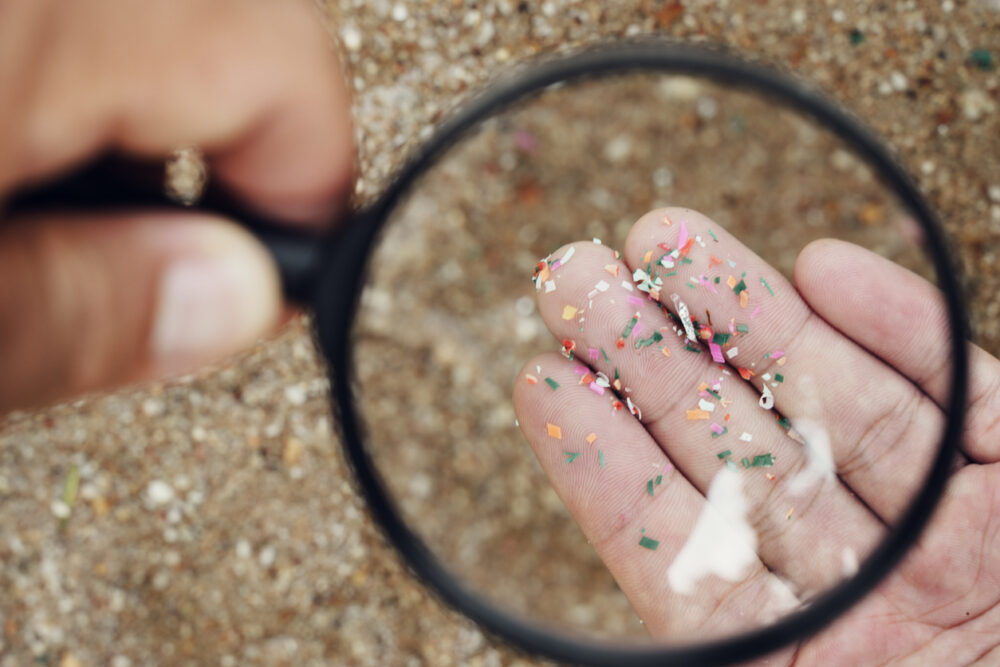
Let’s get real—those microscopic plastic particles? They’re already in your blood, lungs, and even placenta, according to recent studies. Traditional plastics break down into tiny fragments that don’t go away. They just circulate through air, water, food, and our bodies.
Disappearing plastics, on the other hand, are designed not to fragment the same way. They’re built to biodegrade fully, leaving behind harmless residues instead of endless micro-trash. That’s a big deal when you consider how little we know about the long-term effects of microplastics in the human body.
Choosing products that break down cleanly isn’t just good for the sea—it’s smart self-care in a polluted world.
7. They help reduce fossil fuel dependence in plastic production.
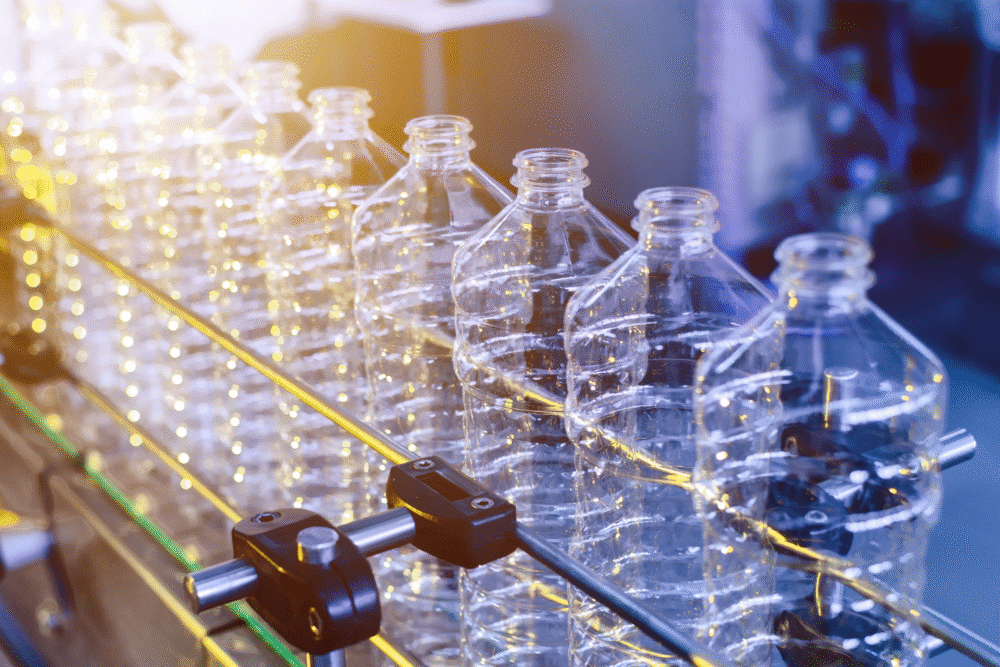
Traditional plastic comes from petroleum—a fossil fuel that contributes massively to climate change. Every plastic bottle, wrapper, or grocery bag adds to the carbon load. Disappearing plastics, by contrast, are made from renewable materials that often require less energy to produce. Think corn, potato starch, or cellulose.
These alternatives shift us away from oil dependency and toward a circular economy. And with climate impacts worsening, reducing emissions at every level matters. Choosing biodegradable plastics is one way everyday consumers can support decarbonization without waiting for political action. You’re making a meaningful climate decision every time you skip conventional plastic.
8. Some versions can even break down in seawater.
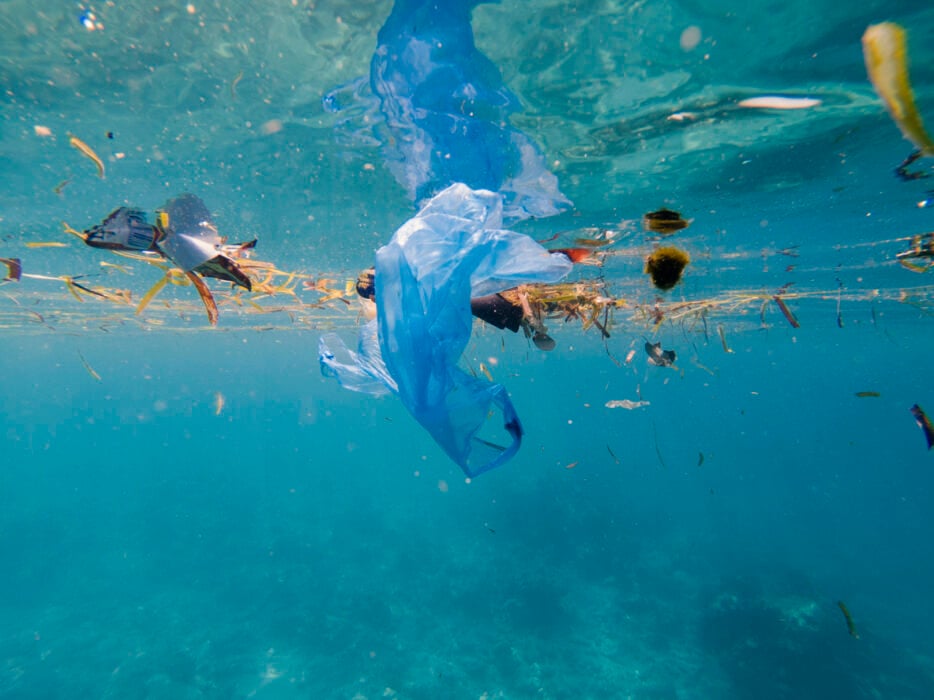
Not all disappearing plastics are created equal—but a few next-gen versions are designed to break down right in saltwater. That’s a game-changer. While many biodegradable plastics need composting conditions, these seawater-sensitive materials start dissolving naturally when they hit the ocean.
That means lost fishing gear, packaging, or waste from beachgoers doesn’t have to spell disaster. Companies and researchers are racing to make this tech scalable and affordable. If successful, these ocean-friendly plastics could eliminate some of the worst threats to marine life without requiring massive changes in human behavior. It’s the kind of quiet innovation that could rewrite the future of coastal conservation.
9. They make it easier for people who feel powerless to make an impact.
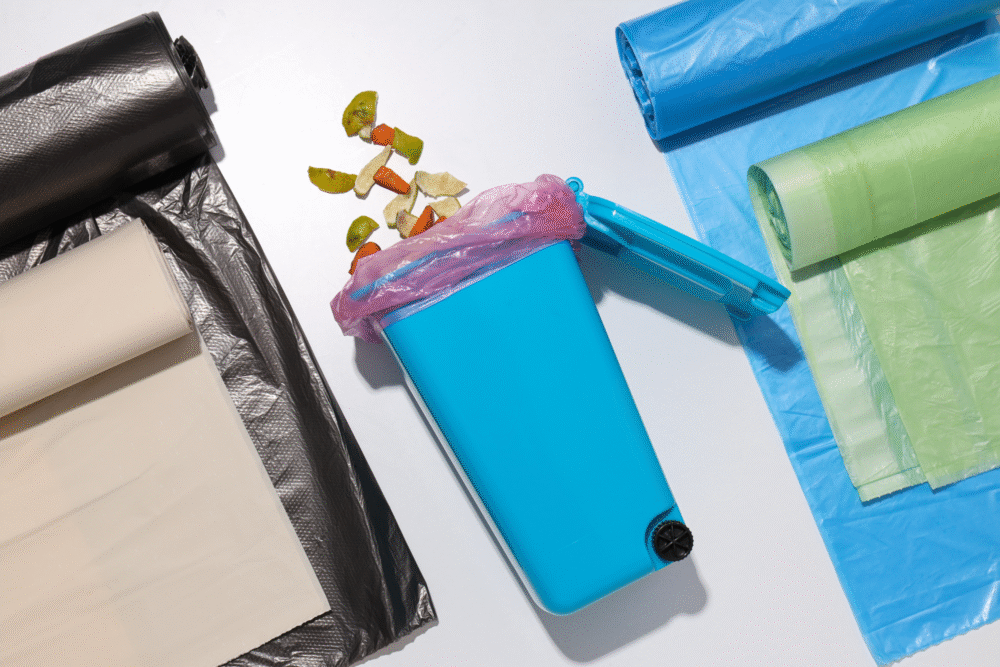
A lot of people care about the ocean—but feel overwhelmed by the scale of the crisis. What can one person do, really? That’s where disappearing plastics come in. Without changing your habits, moving off-grid, or giving up convenience, you can make small switches that reduce your contribution to marine pollution.
It’s environmental action without friction. You buy the biodegradable trash bag, drink from the compostable cup, or toss your delivery packaging into a compost bin—and you’ve helped. It’s not perfect, but it’s progress. And for people worn out by guilt, fear, or confusion, that kind of low-barrier participation is exactly what keeps the movement alive.
10. They show manufacturers that sustainability sells.

Companies watch what you buy—and when eco-friendly alternatives fly off shelves, they take notice. Disappearing plastics are gaining traction not just because they’re green, but because consumers are demanding better.
Every time you choose compostable over conventional, you send a signal that sustainability matters. That momentum drives funding, research, and regulation in the right direction. Manufacturers see disappearing plastic not as a gimmick, but as a market shift.
That means the more you support it, the more it becomes standard—not special. And when entire supply chains shift in response, the ripple effect can reach from your shopping cart to the deepest corners of the ocean.