
From endless growth to corporate greed, this system may be pushing us toward climate collapse.

Environmental historian John Bellamy Foster warns that capitalism’s addiction to growth is tearing the planet apart. He calls it a “grow-or-die imperative,” and it’s easy to see what he means. Companies are constantly expanding, extracting, and competing—leaving wrecked ecosystems and exhausted resources in their wake.
Pollution, rising temperatures, vanishing species—all symptoms of a system chasing profit at any cost. And the worst part? The people who benefit most aren’t the ones paying the price. If we want a livable future, we have to look honestly at how capitalism is driving this mess.
1. Capitalism’s obsession with endless growth is wrecking the planet
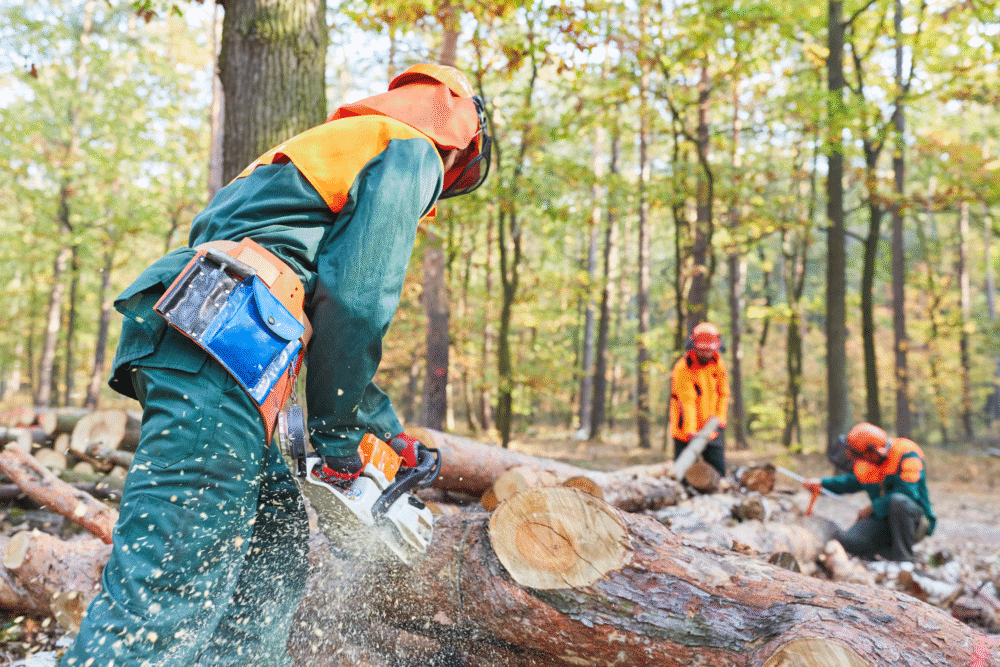
Capitalism is wired to grow—no matter what. Companies pump out more products, chew through more raw materials, and pressure people to buy constantly. That kind of nonstop expansion blows right past the limits of what Earth can handle. Forests disappear for logging and farmland, rivers get clogged with chemicals, and we design gadgets to break quickly so you’ll buy the next one.
The environment isn’t part of the equation—it’s collateral damage. This “more, more, more” approach keeps the economy booming but leaves a mess behind that the planet, and future generations, will be stuck cleaning up.
2. Treating nature like a product makes it easier to destroy
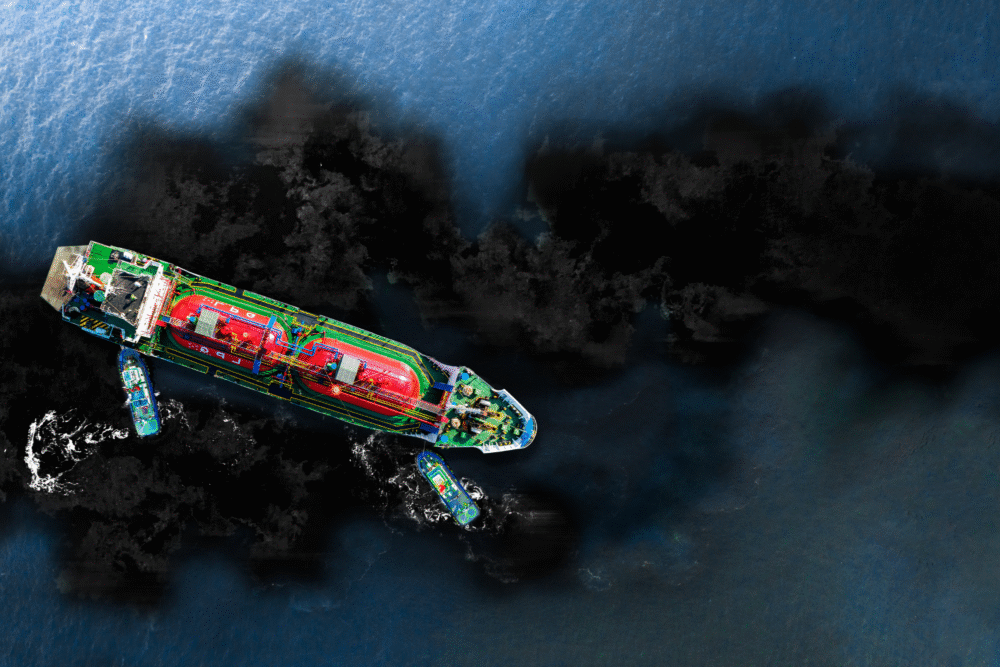
In capitalism, nothing is sacred—not even nature. Forests become timber. Rivers turn into water rights. Entire ecosystems are reduced to dollar signs. When nature is seen as just another resource to sell, it’s no surprise we burn through it so fast. Complex webs of life become raw material for industry. The result means clear-cut forests, drained wetlands, polluted coastlines.
We lose species and ecosystems that took millions of years to form, all because someone saw a profit. As long as nature is valued only for what it can earn on a balance sheet, protecting it will always come second.
3. Fossil fuels still rule because dirty energy pays big
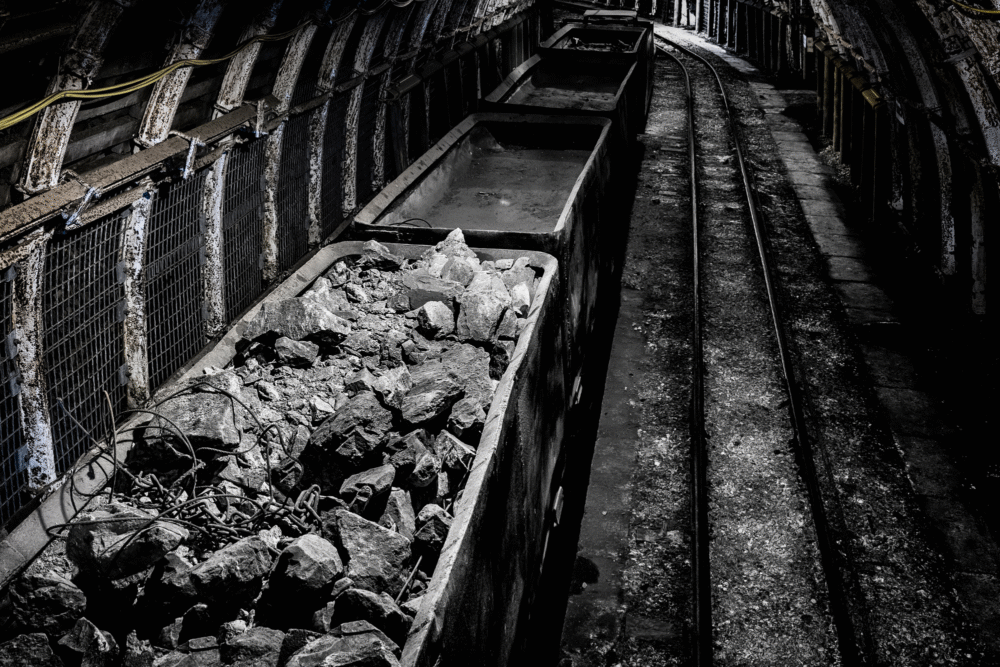
Despite all the talk about clean energy, fossil fuels still dominate—because they’re incredibly profitable. Coal, oil, and gas are deeply embedded in our economy, and powerful interests fight to keep them there. Politicians get lobbied. Laws get written to protect polluters.
Even as the climate crisis escalates, the money tied up in fossil fuels keeps the system running as usual. Clean energy might be the future, but dirty energy is still the cash cow. Until we stop letting profits dictate our energy choices, we’ll stay locked into fuels that are cooking the planet.
4. We’re drowning in junk because overproduction drives profit

Capitalism doesn’t just make what we need—it makes as much as possible, as fast as possible. Cheap clothes, single-use plastics, gadgets that break after a year. Why? Because making more means earning more. Waste isn’t a bug in the system—it’s the whole business model.
Landfills overflow, oceans fill with trash, and we call it “progress.” Even recycling can’t keep up. The more we produce, the more we toss. And the planet is left to absorb the mess. A system built on endless production is also built on endless waste.
5. The rich pollute more, while the poor pay the price

Capitalism doesn’t just create wealth gaps—it creates pollution gaps too. The richest people use far more resources and energy, flying frequently, driving big vehicles, living in huge homes. Meanwhile, poor and working-class communities—often people of color—live near power plants, landfills, and polluted waterways. They deal with asthma, unsafe water, and climate disasters first.
On a global scale, wealthy nations drive emissions while poorer countries face floods, droughts, and food insecurity. Capitalism concentrates both money and mess. The people profiting the most are often the ones contributing the least to fixing the damage.
6. Short-term profits crush long-term sustainability
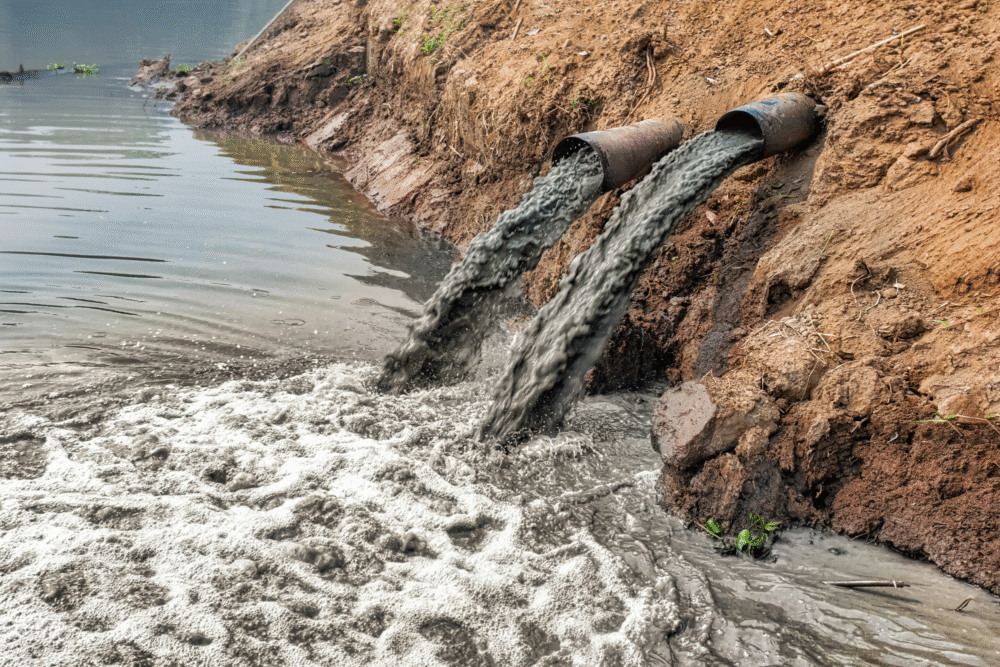
In a capitalist system, what matters most is the next quarter’s profits—not the next generation’s future. Companies prioritize whatever boosts shareholder returns quickly. That might mean polluting a river, bulldozing a forest, or using cheap toxic materials. If it saves money now, it gets the green light. Long-term consequences don’t count unless they hurt the bottom line.
That’s why sustainable practices often get ignored. They may cost more upfront or take longer to show results. But by the time the damage becomes obvious, the decision-makers have already cashed out.
7. Capitalism disrupts natural cycles and leaves ecosystems broken
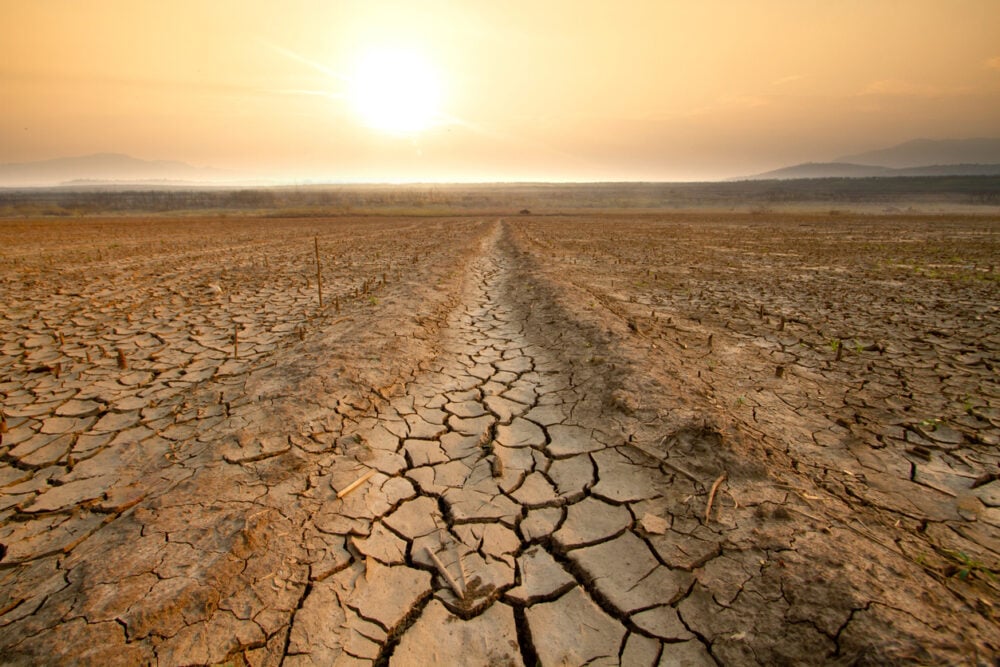
Nature works in cycles—nutrients return to the soil, water flows and cleanses, animals migrate and pollinate. But capitalism tends to rip those cycles apart. Take agriculture: we ship food from farms to cities, but rarely return compost or nutrients to the soil.
Waste piles up in landfills instead of going back to the earth. We extract resources but don’t replenish. Over time, that breaks down the very systems life depends on. Soils erode. Rivers dry up. Habitats collapse. The economy keeps running, but nature can’t catch up.
8. Weak laws let corporations wreck the environment without punishment

Capitalism thrives when regulations are loose—and big corporations spend a lot of money to keep it that way. They lobby politicians to water down laws, delay climate action, and ignore toxic pollution. The result? Rules that favor profits over protection. Companies can dump waste, overfish oceans, or spew carbon—and face little or no consequence.
In some places, the government even subsidizes destructive practices like logging or fossil fuel drilling. When polluters write the rules, the planet suffers. It’s not just bad behavior—it’s baked into the system.
9. Consumerism is sold as happiness, but it’s ruining the planet

Capitalism feeds on consumerism. We’re told buying more makes us happier, more successful, more fulfilled. But that mindset leads to environmental disaster. New phones, fast fashion, constant upgrades—it all takes energy, resources, and creates tons of waste. And most of it isn’t necessary. Advertising convinces us it is.
Even “eco-friendly” products often get wrapped in greenwashing—appearing sustainable while still fueling overconsumption. This lifestyle traps us in a loop: buy, toss, repeat. It feels personal, but it’s systemic. The planet can’t keep up with our shopping habits.
10. “Green capitalism” sounds nice—but it’s still capitalism
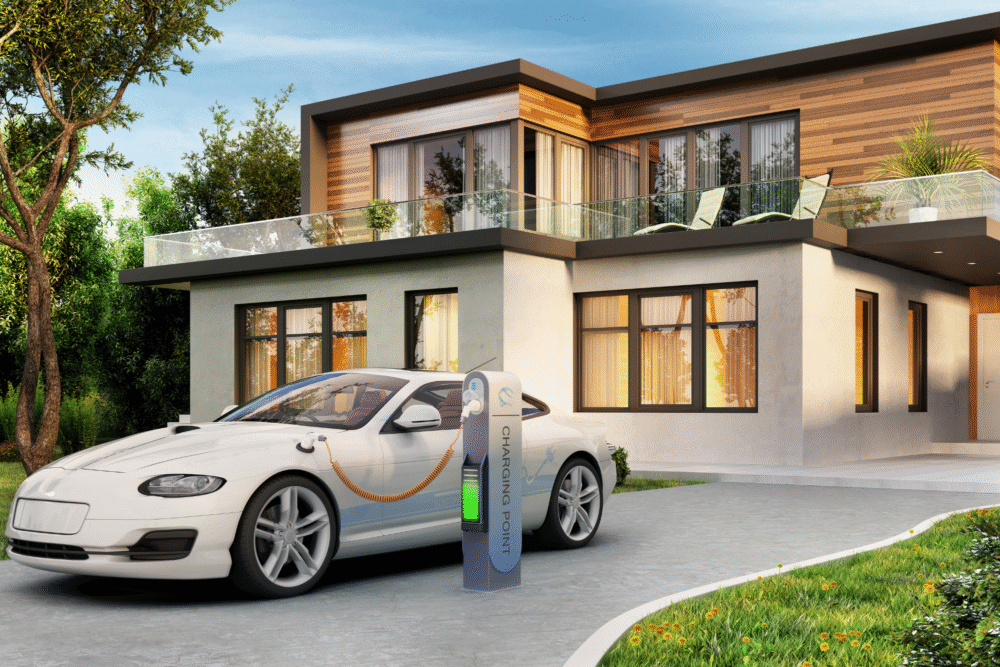
We hear a lot about green capitalism—solar power, electric cars, carbon offsets. These sound good, and they can help. But they don’t change the core issue: a system that demands constant growth. Even green industries need to mine, manufacture, and market. That means more resource extraction, more waste, and more inequality—just with a cleaner image.
Real sustainability means scaling back, sharing more, and changing how we live—not just swapping gas for batteries. Green capitalism might slow things down, but it won’t stop the damage unless we change the rules entirely.
11. Indigenous communities get pushed aside for profit
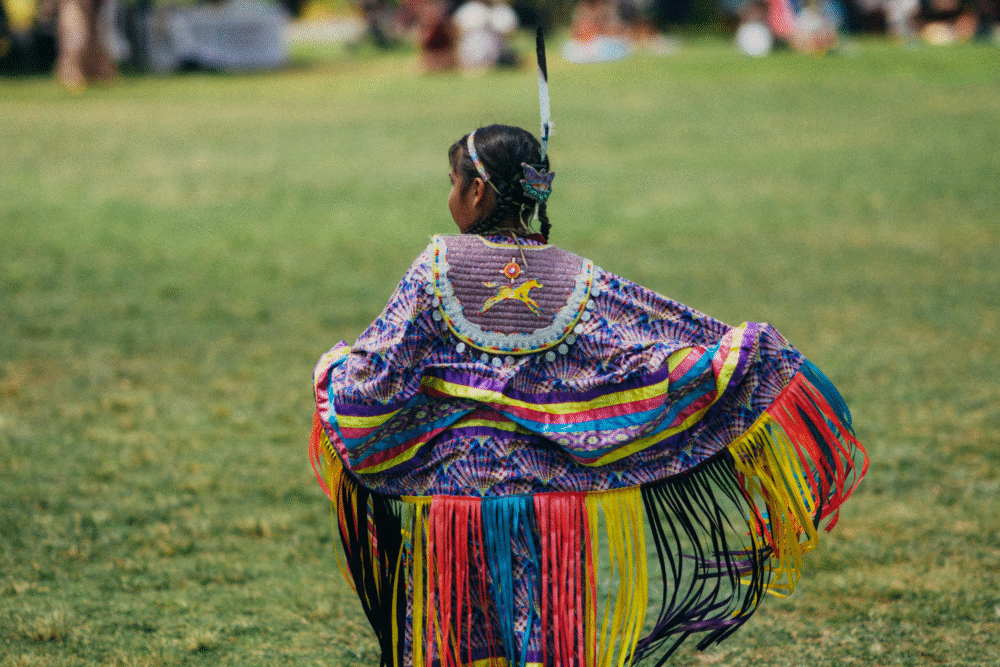
Around the world, Indigenous peoples have cared for their lands for generations. But when corporations see profit—whether it’s minerals, oil, or timber—those lands often get taken. Capitalist expansion tends to ignore Indigenous rights and wisdom. Sacred places become development zones.
Traditional knowledge is overlooked. And the ecosystems these communities have protected for centuries get destroyed in a few years. Indigenous ways of living offer models of balance and sustainability, but capitalism treats them as obstacles. That loss isn’t just cultural—it’s ecological.
12. The system is hitting its limits—and so is the planet
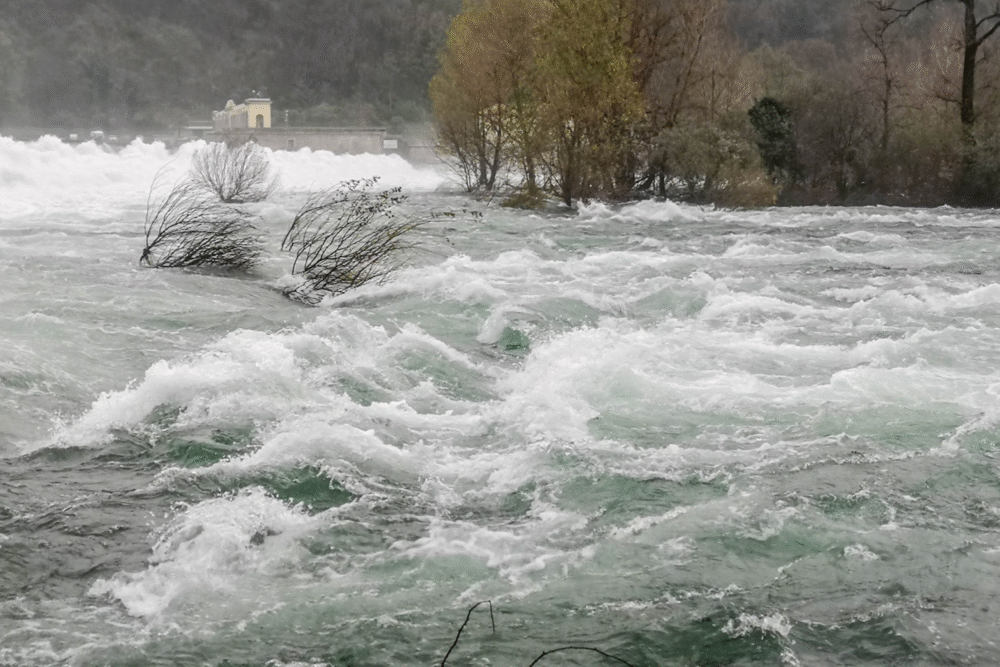
Climate change, biodiversity collapse, wildfires, floods—it’s all adding up. Our economy is built on the idea that we can grow forever, but the Earth has boundaries. Scientists warn that we’re crossing them. Resources are drying up. Natural systems are breaking down.
This isn’t just bad luck—it’s the result of an economy that never stops to think about consequences. We’re not just nudging the planet—we’re pushing it over the edge. If we don’t change direction, there may not be a way back.
13. If we don’t rethink the system, we’re just buying time
A few tweaks won’t fix this. Recycling more, driving electric cars, or buying organic are good steps—but they’re not enough if the whole system stays the same. Experts like John Bellamy Foster say we need deeper change: economies based on care, equity, and regeneration—not endless growth. That means prioritizing people and the planet over profits.
It means rethinking what success looks like. If capitalism can’t adapt to the planet’s limits, maybe it’s time to imagine something new. Because waiting until it breaks isn’t a plan—it’s a disaster in slow motion.