
A long-missing WWII destroyer has finally been identified on the Pacific seafloor.
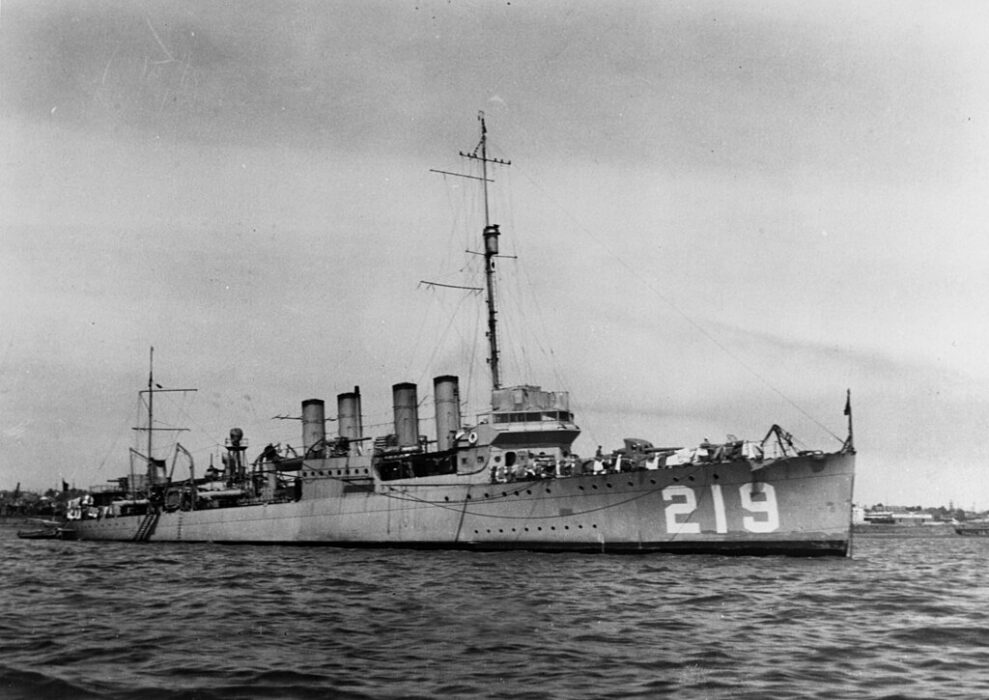
For more than 82 years, the fate of the USS Edsall—a Clemson-class destroyer nicknamed the “Dancing Mouse”—remained one of World War II’s great naval mysteries. The ship vanished in 1942 after a desperate battle against overwhelming Japanese forces, leaving historians with only scattered accounts of its final moments. Now, researchers analyzing underwater footage and long-hidden clues have identified a wreck that matches the Edsall with remarkable precision. The discovery finally clarifies what happened to the legendary destroyer and brings new insight into a dramatic chapter of early Pacific War history.
1. The Wreck Matches the USS Edsall’s Unique Features
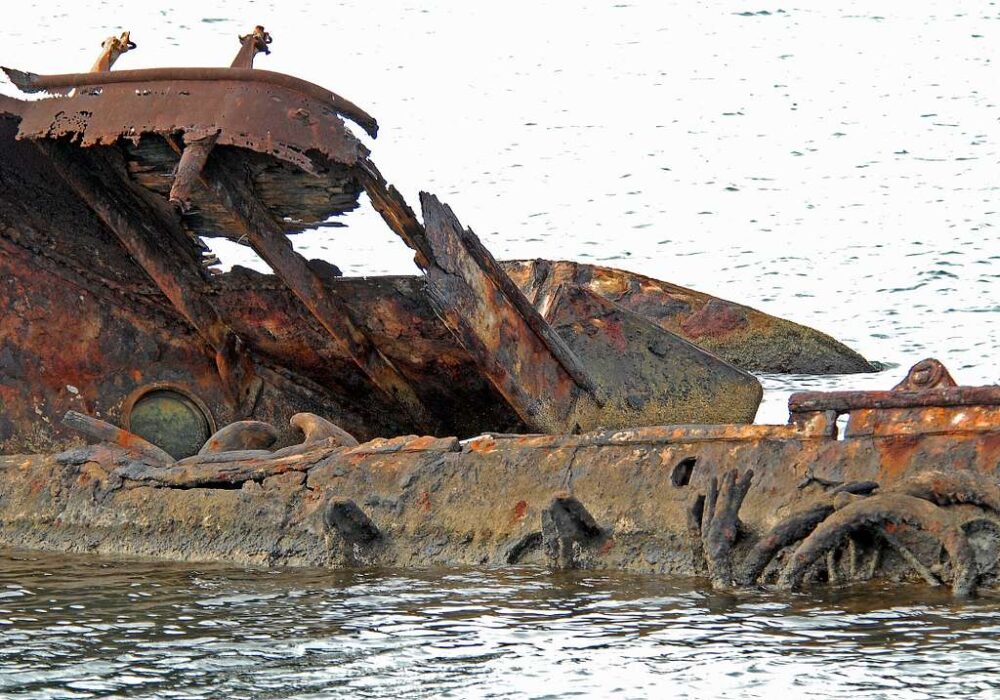
Researchers found structural details on the wreck consistent with the Clemson-class destroyer design used for the Edsall. Features such as hull shape, deck layout, and component placement closely match historical records and technical drawings of the ship. These similarities allowed analysts to confidently conclude that the long-missing vessel had finally been located.
The match provides the first physical confirmation of the Edsall’s whereabouts since its disappearance. For decades, historians had only wartime footage and incomplete reports, making the ship’s final location a subject of speculation.
2. The Ship Was Nicknamed the “Dancing Mouse” for Its Maneuverability
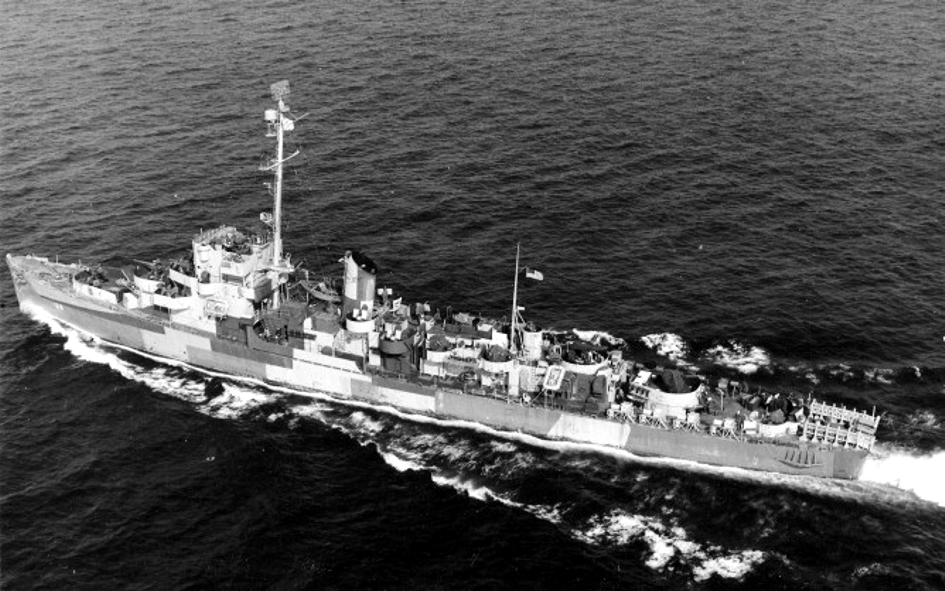
The Edsall earned the nickname “Dancing Mouse” because of its ability to maneuver quickly—an agility that served it well in chaotic early Pacific battles. The Popular Mechanics article notes that the ship had a reputation for darting and weaving in combat, making it harder for enemy forces to pin down.
This nickname reflects the ship’s spirited role in the war’s early months. Even in its final battle, eyewitness accounts suggest the destroyer attempted evasive maneuvers under overwhelming Japanese attack.
3. The Edsall Vanished After a Last Stand Against Japanese Forces
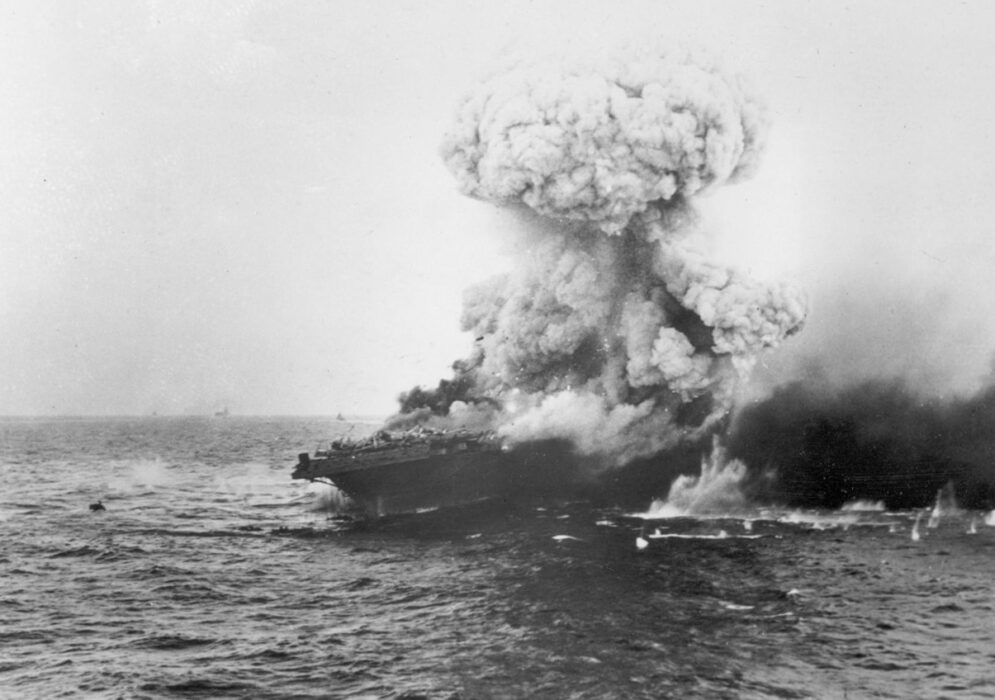
In March 1942, the Edsall found itself facing a massive Japanese force that included battleships, cruisers, and aircraft. Despite the overwhelming odds, the ship engaged defensively while other Allied vessels retreated from the region. After the battle, the Edsall disappeared without confirmed wreckage for more than eight decades.
The new discovery aligns with historical accounts describing the ship’s final mission. It confirms the location where the Edsall likely made its last maneuvers before succumbing to the attack.
4. Wartime Footage Helped Narrow the Search
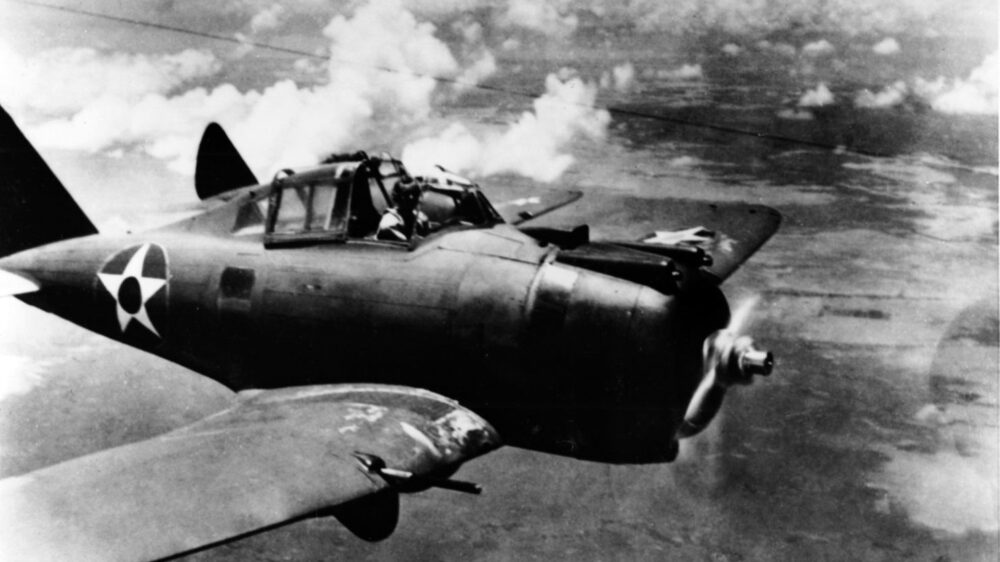
Japanese wartime film showing the Edsall under attack has long circulated among historians. The footage captures a destroyer maneuvering as Japanese aircraft strike repeatedly from above. Until now, the exact identity of the ship in the footage remained uncertain.
Researchers used this film as a key reference point when analyzing the newly discovered wreck. By comparing details in the footage with the wreck’s features, experts strengthened the case for the ship’s identification.
5. The Wreck Sits in Deep Water With Minimal Disturbance
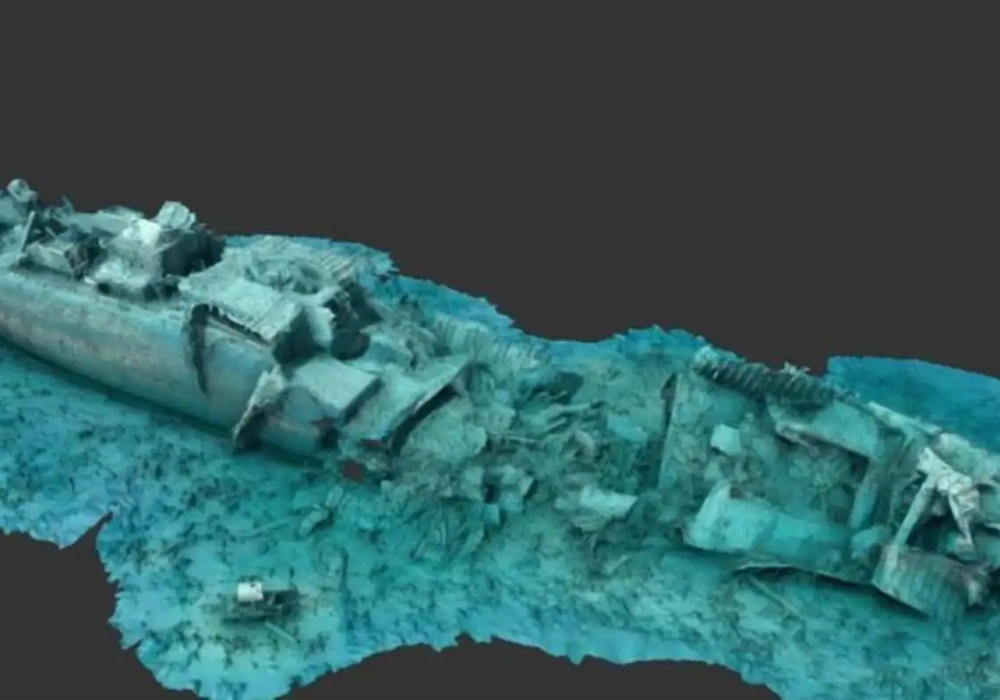
Images captured by underwater robots show the Edsall resting in deep Pacific waters, where conditions help preserve shipwrecks. The hull remains relatively intact and recognizable, despite the extensive damage inflicted during the ship’s final battle.
The quiet, stable environment has allowed the vessel to remain undisturbed for decades. This preservation provides researchers with rare insight into the ship’s condition and the forces that acted on it during its sinking.
6. Damage Patterns Align With Historical Battle Accounts
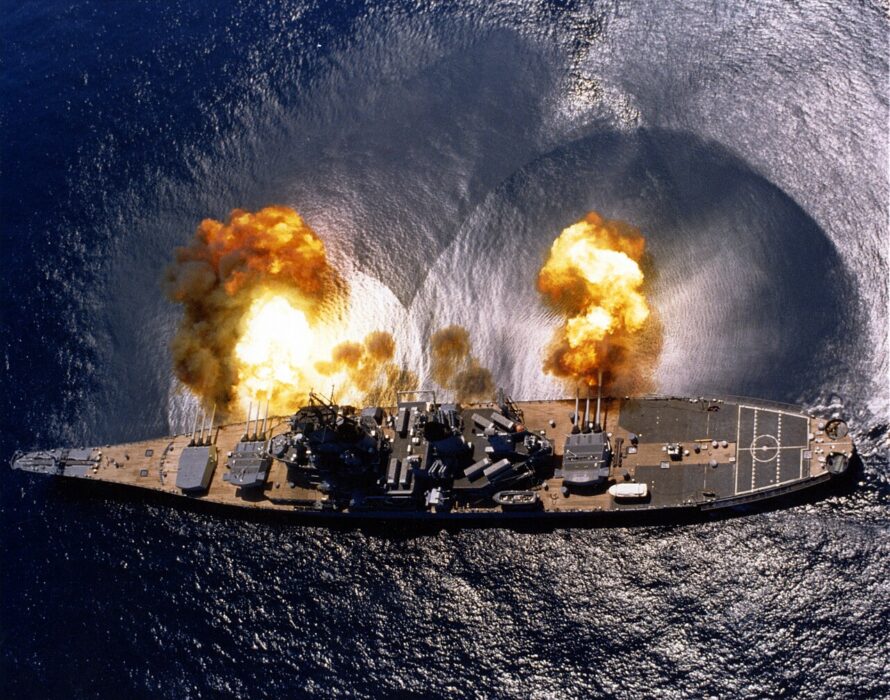
Structural damage on the wreck mirrors descriptions from wartime reports, including heavy hits consistent with attacks by Japanese aircraft and naval gunfire. The deformation and puncture patterns match those expected from a prolonged assault by a large enemy force.
These physical clues help historians better understand the Edsall’s final moments. The wreck’s condition confirms that the ship endured a fierce fight before it sank, supporting the narrative of its determined stand.
7. Technology Was Crucial to Locating the Wreck
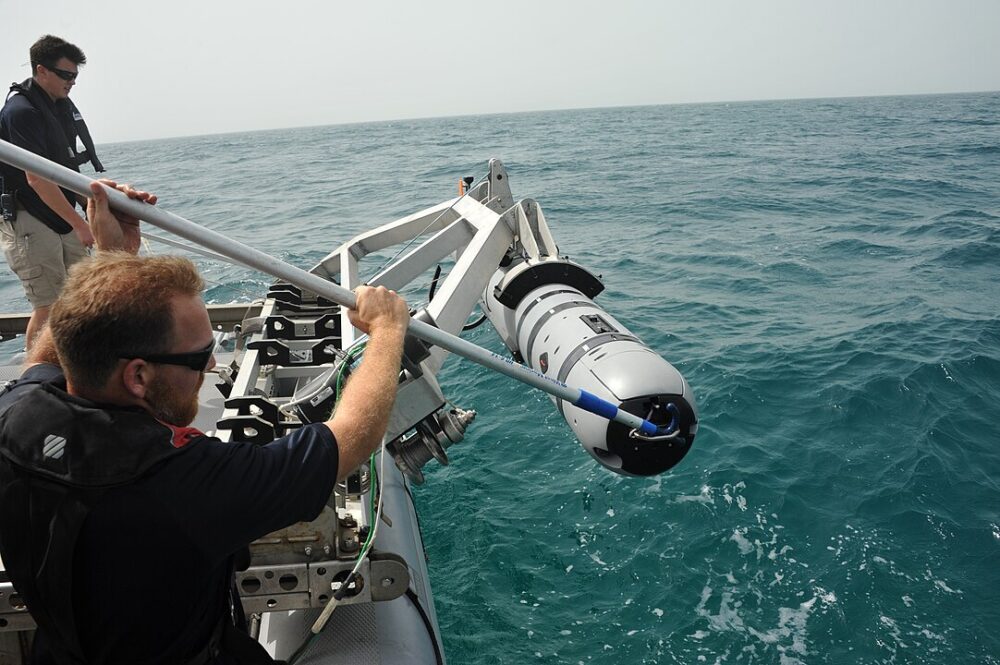
The discovery was made possible by modern underwater vehicles equipped with advanced imaging and scanning tools. These machines mapped the seafloor at depths unreachable by human divers, revealing details of previously hidden wrecks.
This technological progress demonstrates how deep-sea exploration continues to reshape our understanding of World War II history. Without these tools, the Edsall might have remained undiscovered for decades more.
8. The Identification Solves a Mystery That Lasted Generations
Since 1942, historians and naval researchers have debated the Edsall’s final fate. The lack of confirmed wreckage left many unanswered questions about where the ship sank and how complete its remains might be.
The newly confirmed identification provides long-awaited clarity. It finalizes a chapter in naval history and resolves a mystery that persisted through multiple generations of research.
9. The Discovery Honors the Crew’s Bravery
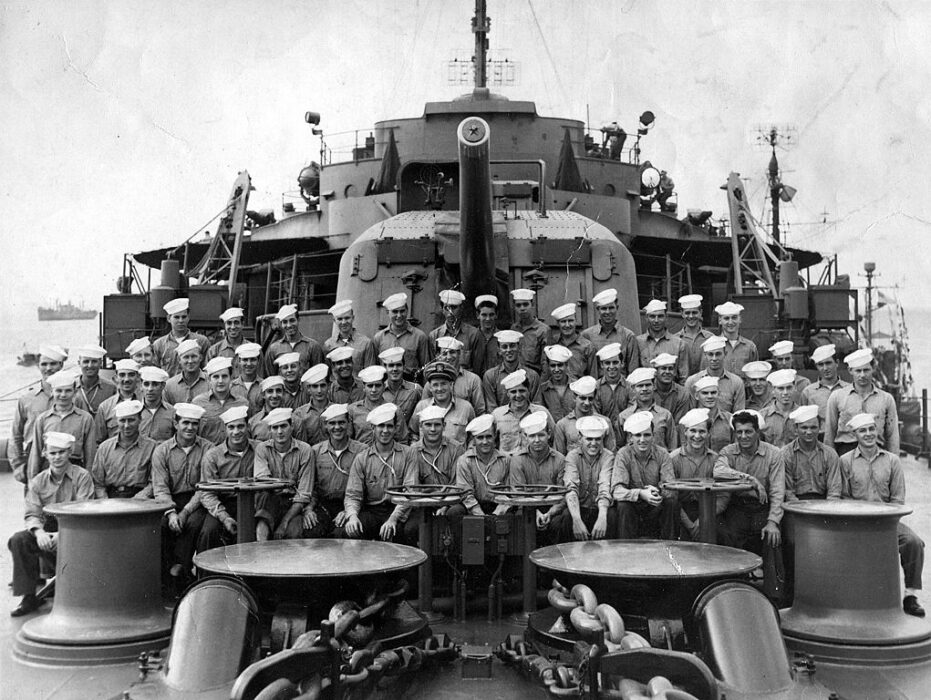
The Edsall’s crew fought with remarkable resolve against overwhelming odds. For years, their fate was known only through enemy footage and fragmented reports. The identification of the ship’s final resting place serves as an important acknowledgment of their courage.
The discovery allows historians to better contextualize the crew’s sacrifice and recognize the destroyer’s role in the early, chaotic months of the Pacific War.
10. The Shipwreck Shows How Much History Still Lies Hidden at Sea
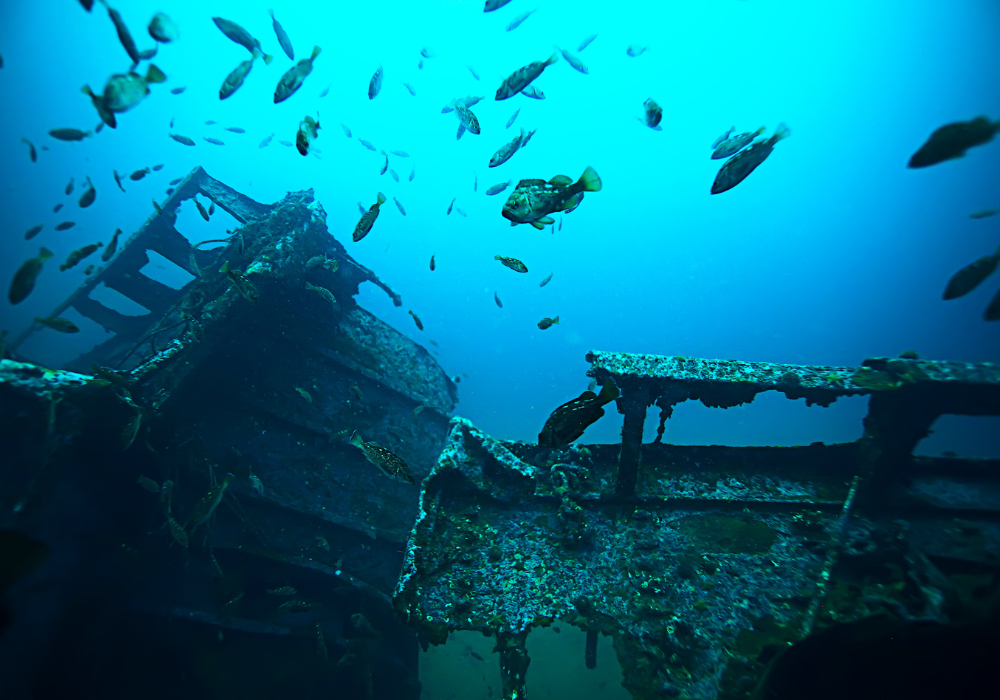
The Edsall’s rediscovery is a reminder of how many World War II shipwrecks remain unlocated across the Pacific. Advances in underwater robotics are revealing stories once thought permanently lost, bringing new evidence to light about battles and disappearances.
As researchers continue exploring the ocean floor, more long-missing vessels may eventually be identified. The Edsall is the latest example of how technology is helping resolve mysteries once considered unsolvable.