
Many of these everyday phrases started with stories far stranger than their modern meanings.
Idioms slide into conversation so smoothly that we rarely question them. Yet many started as literal references to brutal jobs, odd courtroom rules, outdated medicine, or everyday fears that sound unreal today.
Over time, the original scenes vanished while the phrases stayed, turning into casual shorthand for stress, luck, or bad decisions. In this gallery, each slide uncovers the stranger backstory behind a familiar saying, then traces how that meaning drifted as generations repeated it.
By the end, you’ll hear these phrases differently, and maybe retire a few of them at the dinner table. Some origins are funny; others are genuinely grim.
1. “Bite the bullet” used to be painfully literal

Before anesthesia, surgeons sometimes needed patients to stay still through unbearable pain. One way to grit through it was to clamp down on something hard—sometimes a leather strap, sometimes a bullet—during amputations or emergency procedures.
Today “bite the bullet” means facing something you don’t want to do, no drama required. The phrase kept the courage part, but lost the brutal reality that created it.
2. “Steal someone’s thunder” began as a backstage complaint
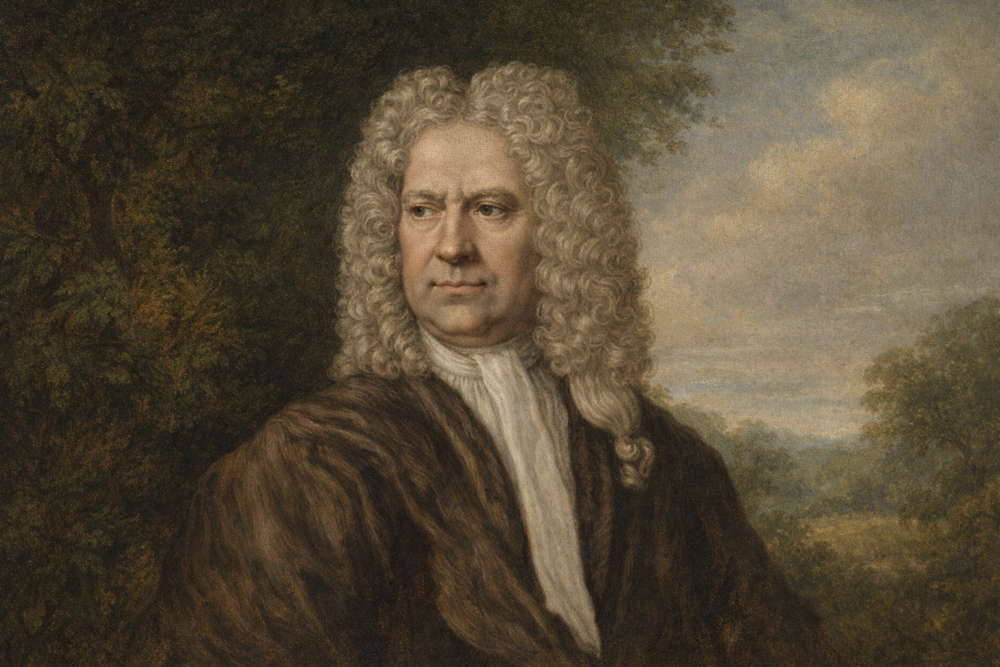
In the early 1700s, playwright John Dennis invented a thunder sound effect for the theater, using a sheet of metal to rumble like a storm. When another production used his trick without credit, he reportedly fumed that they had “stolen” his thunder.
That very specific backstage complaint outlived the play itself. Now the idiom describes anyone who hijacks your spotlight, your idea, or your moment—whether it’s a meeting, a party, or a post.
Follow us and access great exclusive content every day
3. “Turn a blind eye” traces back to a famous act of selective vision
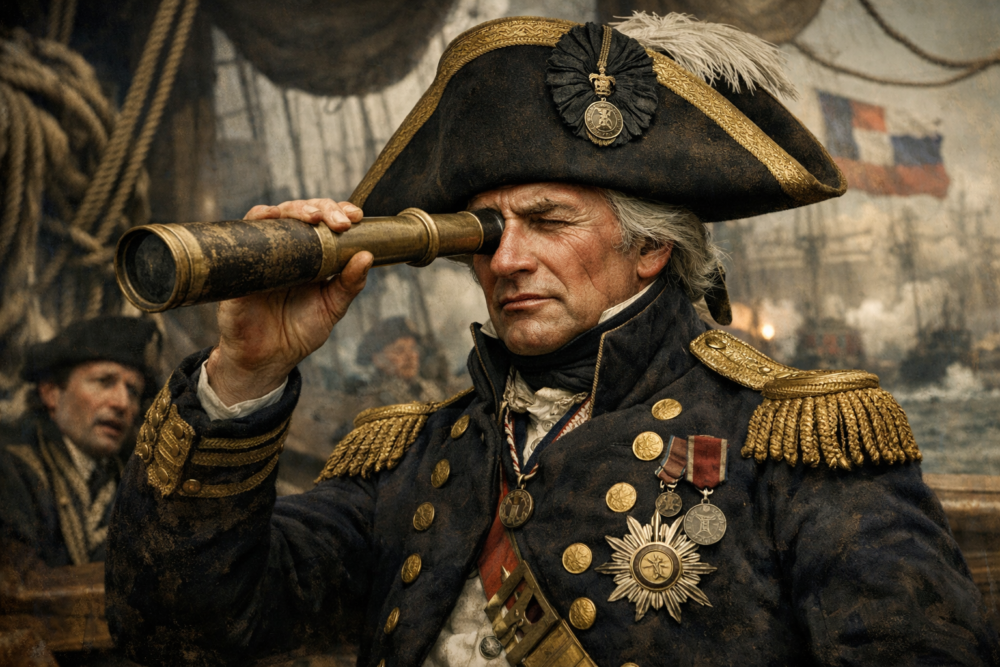
The phrase is tied to Admiral Horatio Nelson, who had lost sight in one eye. During a battle in 1801, he was ordered to withdraw, but he raised his telescope to his blind eye and said he couldn’t see the signal.
Whether the story is perfectly quoted or slightly polished by history, the message landed. “Turn a blind eye” now means ignoring something on purpose, especially when noticing it would be inconvenient.
4. “Mad as a hatter” started as a real workplace hazard
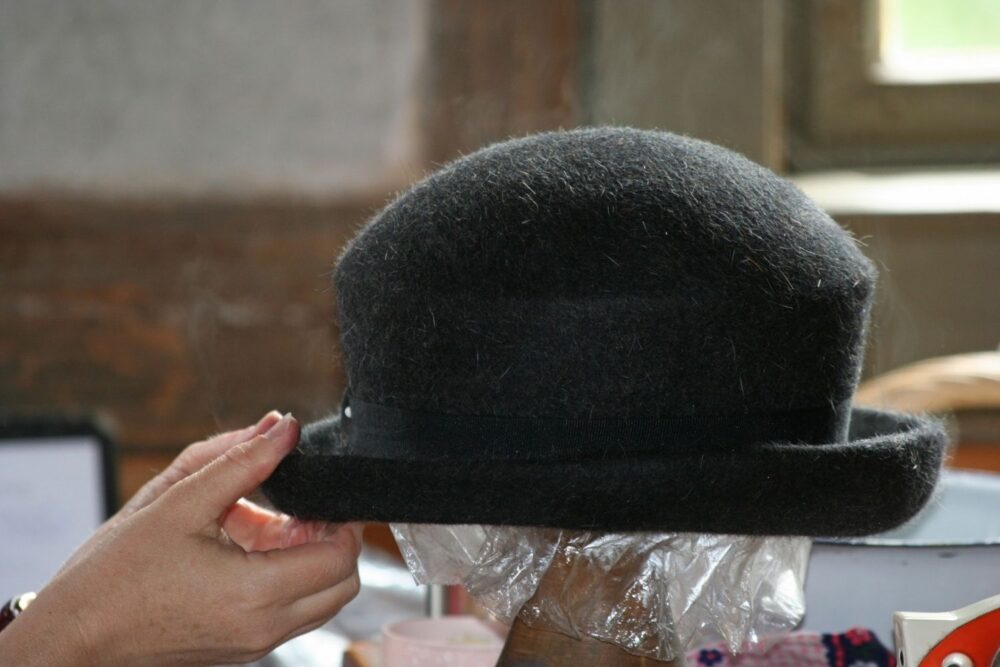
Hat makers once used mercury nitrate to treat felt, and the fumes could damage the nervous system over time. Workers developed tremors, slurred speech, mood swings, and confusion—symptoms people noticed long before they understood the chemistry.
“Mad as a hatter” became shorthand for erratic behavior in everyday speech. Today it reads like a quirky insult, but it started as an occupational health warning.
5. “Run the gauntlet” began as punishment, not a metaphor

In older European militaries, “running the gauntlet” was a punishment, not a metaphor. A condemned person was forced to pass between two lines of soldiers who struck them with sticks, ropes, or fists.
The word traces back to a Swedish term often rendered as “lane run,” and the goal was humiliation as much as injury. In some accounts, the victim had to repeat the passage multiple times, depending on the sentence.
Today we use the phrase for any brutal sequence of tests—job interviews, finals, or a rough week. The modern version hurts less, but the feeling of being hit from both sides is the same.
6. “Close, but no cigar” came from carnival prizes

“Close, but no cigar” comes from early 20th-century carnival games where cigars were a popular prize, even for people who didn’t smoke. You could come painfully near to winning—ring toss, shooting galleries, strength tests—yet still miss by a hair and get nothing.
The phrase stuck because it captures the specific sting of almost. It’s not failure, exactly; it’s the moment you realize “nearly” doesn’t pay, and the prize goes to someone else.
Follow us and access great exclusive content every day
7. “Let the cat out of the bag” may have exposed an old market scam

One common origin story points to old markets where animals were sold in sacks. A dishonest seller might swap a valuable piglet for a cat, counting on the buyer not checking until the deal was done and the crowd had moved on.
If the bag opened early, the scam was exposed—literally letting the cat out. Now the idiom means revealing a secret too soon, often by accident, when there’s no easy rewind.
8. “Armed to the teeth” uses “teeth” in an older, weirder way

“Armed to the teeth” sounds cartoonish, but “teeth” once meant the farthest point on the body, like the edge of a comb or a saw. If you were armed up to your “teeth,” you were armed everywhere, with no gaps left at all.
That image stuck because it’s vivid and slightly absurd. Today it means heavily armed or over-prepared, even when the “weapons” are apps, checklists, and snacks for the road in your backpack.
9. “Caught red-handed” likely started with stains you couldn’t deny
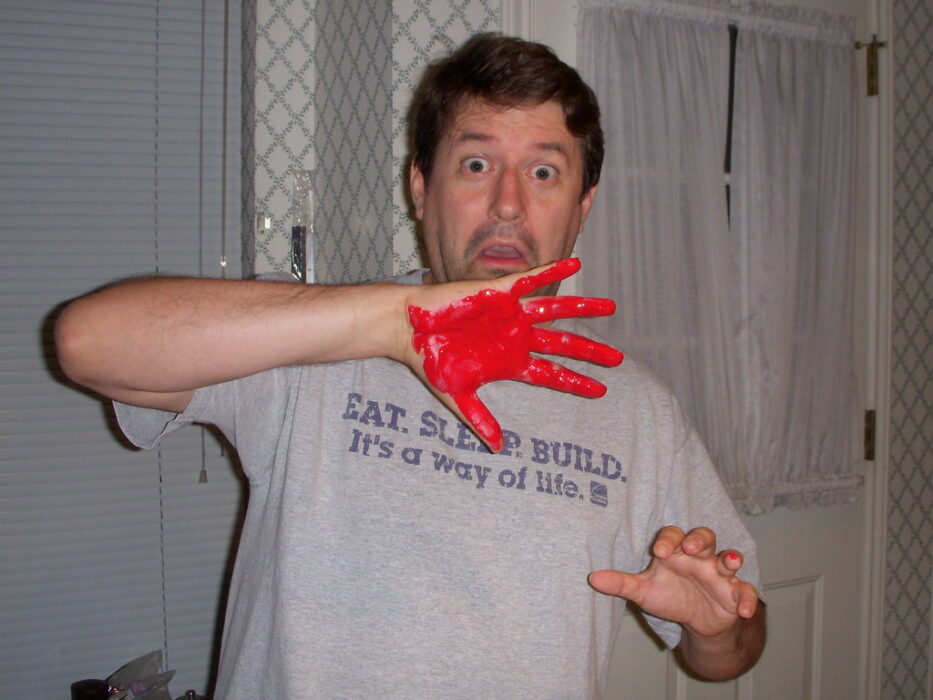
“Caught red-handed” likely grew from very literal crime scenes, when thieves were found with blood on their hands after poaching animals, or with red dye from stolen cloth. The color was evidence you couldn’t explain away, even with a perfect story.
The phrase slid into legal language and everyday slang for being caught in the act. It’s still about proof so obvious that denial feels almost funny, like arguing with a stain.
Follow us and access great exclusive content every day
10. “Paint the town red” may trace back to actual red paint and chaos
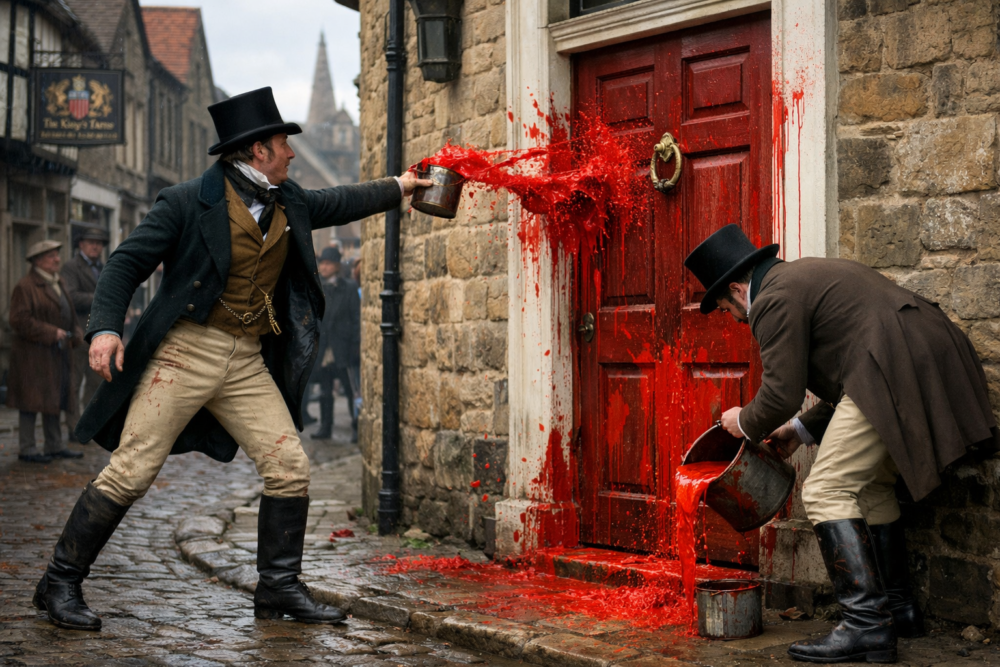
One often-cited origin for “paint the town red” points to 1837, when the Marquis of Waterford and friends went on a drunken rampage in Melton Mowbray, England, splashing red paint on doors, walls, and even a swan.
Whether that story is the whole origin or the moment that popularized it, the phrase stuck. Now it means going out hard—celebrating loudly enough that the whole city feels involved, too.
11. “Blackball” came from secret votes that could end your chances instantly

In private clubs and some organizations, members once voted with colored balls dropped into a box. A white ball meant accept; a black ball meant reject. In some places, a single black ball could block admission instantly, with no explanation.
That secretive system turned “blackball” into a verb. Now it means to exclude someone from a group or opportunity, often quietly, without a clear appeal process or public record.
12. “Deadline” originally meant a line you could die for crossing
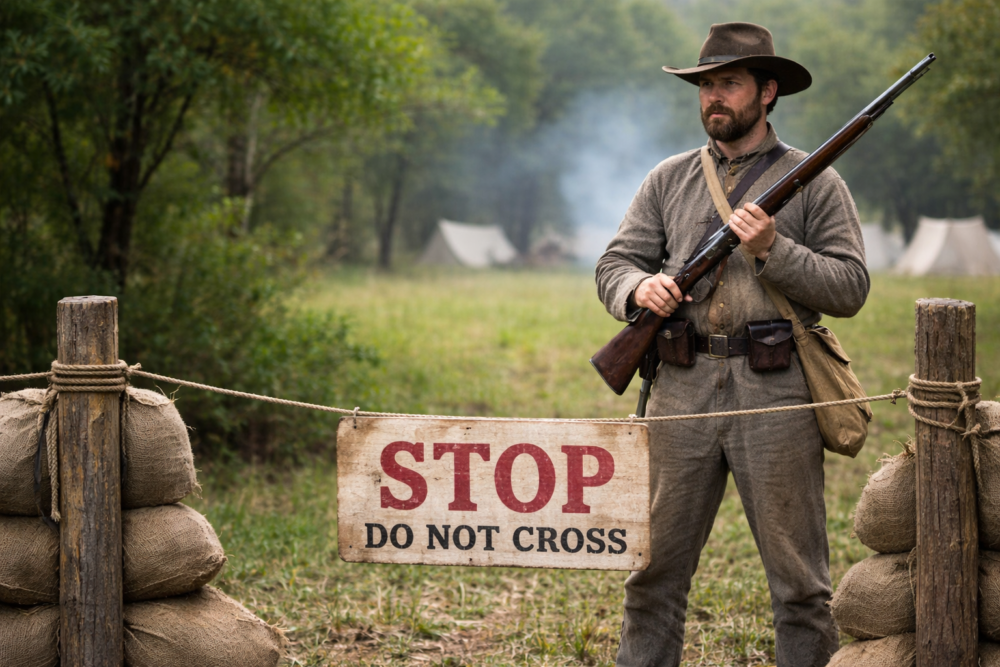
“Deadline” wasn’t always about email. In Civil War prisons like Andersonville, a “dead line” marked a boundary inmates weren’t allowed to cross; stepping over it could get you shot on sight, no warning.
Later, printers used “deadline” for the point when type had to be set, and the modern time-limit meaning took over. The word still carries that edge of danger: cross it, and something bad happens.