
Your dream vacation could be leaving behind a permanent scar on marine life.
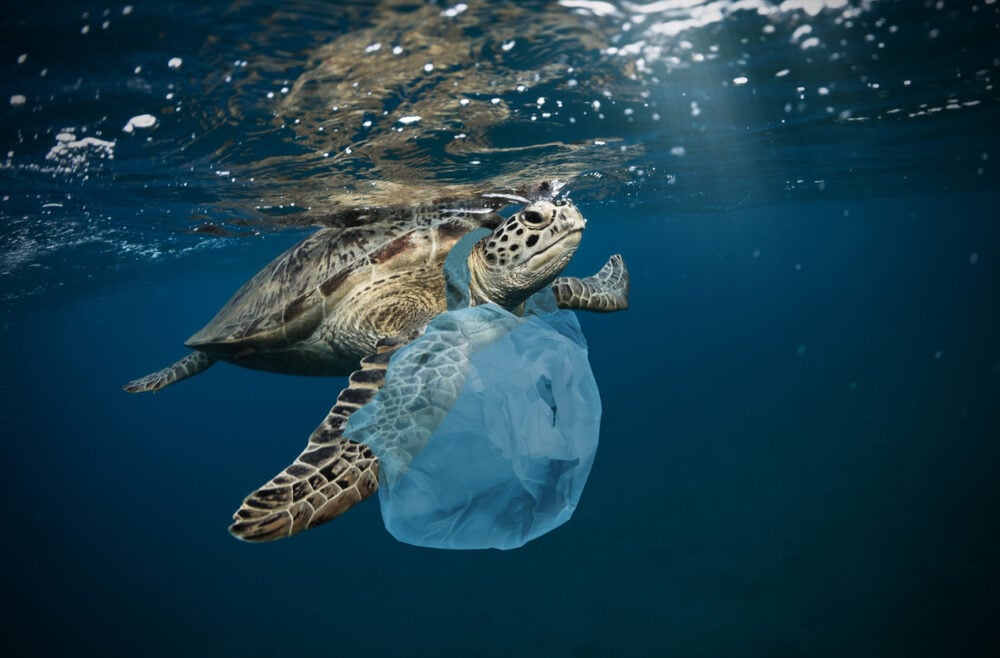
The damage isn’t always dramatic. No oil spill, no shipwreck. Just sunscreen in the water, a snapped coral branch, a trail of plastic crumbs across a beach. But these small choices pile up. Tourism now plays a major role in ocean degradation—damaging reefs, polluting coastlines, and disrupting marine ecosystems that were already under stress.
Many travelers don’t realize the harm they’re doing. The cruise felt harmless, the dolphin swim felt magical, the seafood dinner felt fresh and local. But the ripple effects are long-lasting. Coral takes decades to regrow. Microplastics don’t just vanish. The oceans are already absorbing the fallout of climate change; they can’t keep absorbing careless tourism too. These mistakes may be common, but their consequences are not reversible.
1. Touching coral damages more than you think.
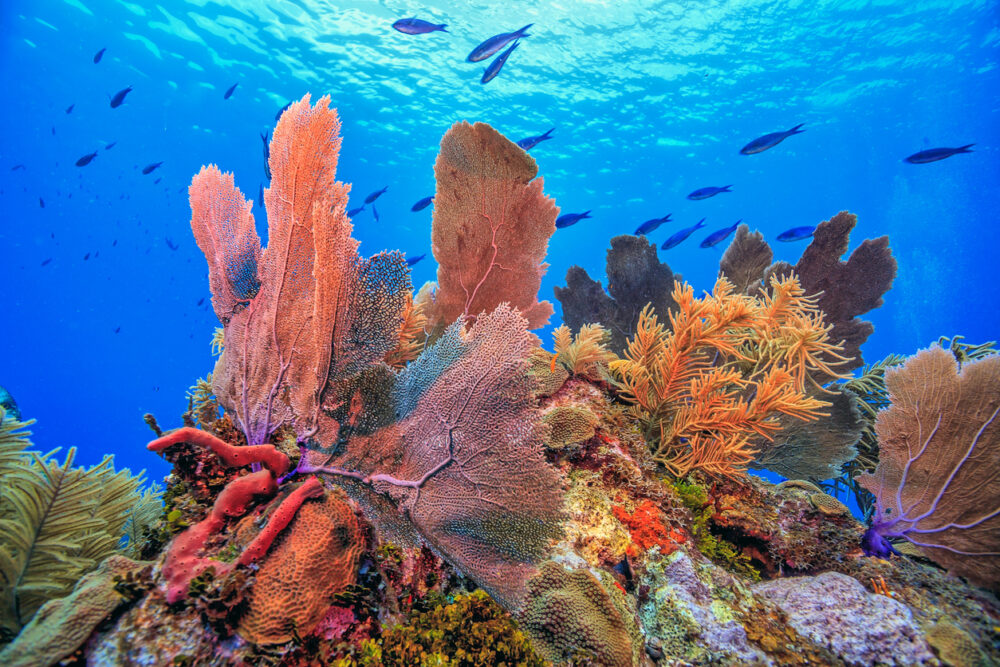
It looks tough, like stone—but coral is alive. Officials at the EPA explain that even a light touch can damage the coral’s fragile surface tissue, making it more vulnerable to disease and slowing its growth. Even a single careless swipe can kill part of a colony that took decades to form.
Many corals are already struggling to survive warmer waters and rising acidity. Physical contact just speeds up their decline. And it’s not just hands—flippers, camera gear, and even boat anchors can do the same harm. Respecting coral means giving it space. The best rule is simple: look, don’t touch. The underwater world isn’t a playground. It’s a system that barely holds together, and one broken piece weakens the whole.
2. Feeding fish disrupts the entire food chain.
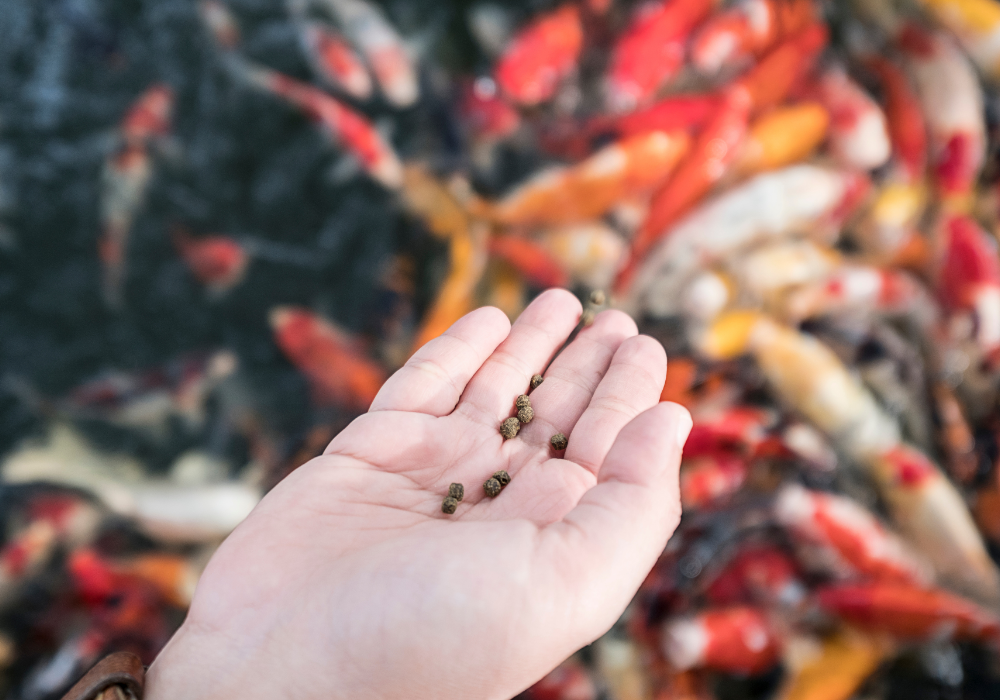
Tossing breadcrumbs to fish seems harmless—fun, even. But it messes with natural behavior. When marine animals start expecting snacks from humans, they stop foraging normally. Writers at Oceans For All Foundation note that this alters their natural diet and leads to unnatural concentrations of certain species, which can throw the entire ecosystem off balance.
Fish drawn to tourists can become aggressive or overpopulate certain areas, while other species vanish due to competition or stress. And the food we offer—usually processed, salty, or unnatural—can make them sick. This isn’t just a bad habit; it can reshape whole marine environments. Responsible snorkeling and diving tours now make it clear: feeding fish is out. Watching quietly is more respectful—and far better for the reef.
3. Reef-safe sunscreen is more than a marketing gimmick.

Sunscreen washes off as you swim, leaving behind a chemical trail. Amanda Tinoco and colleagues report in Stanford News that common sunscreen chemicals like oxybenzone can damage coral DNA, impair growth, and increase susceptibility to bleaching—even at low concentrations. It doesn’t take much—just a small amount in a popular bay can do serious harm.
Some countries, like Hawaii and Palau, have banned certain chemical sunscreens entirely. Mineral-based sunscreens that use zinc oxide or titanium dioxide (non-nano) are safer alternatives. Wearing UV-protective clothing and swimming during non-peak sun hours helps, too. If your sunscreen isn’t reef-safe, you’re protecting your skin at the ocean’s expense. And it’s not a fair trade.
4. Boating through shallow waters can shred seagrass beds.
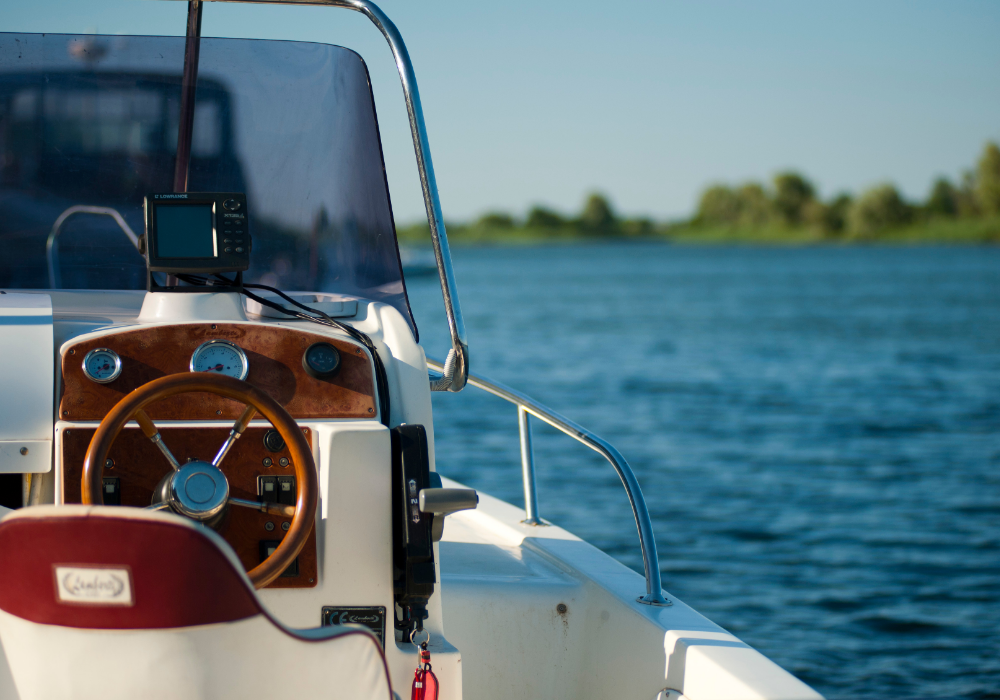
Seagrass meadows might not look flashy, but they’re vital. These underwater fields trap carbon, support biodiversity, and stabilize sediment. When boats cruise through shallow areas or drop anchor without care, they slice through these fragile ecosystems like lawnmowers.
Scars left by propellers take years to heal. Anchors rip up root systems that can’t just regrow overnight. These meadows also provide food and nursery grounds for manatees, sea turtles, and countless fish species. GPS and local maps aren’t enough—boaters need to know where seagrass grows and actively avoid it. One wrong turn can erase decades of growth.
5. Souvenir shells and coral aren’t harmless keepsakes.
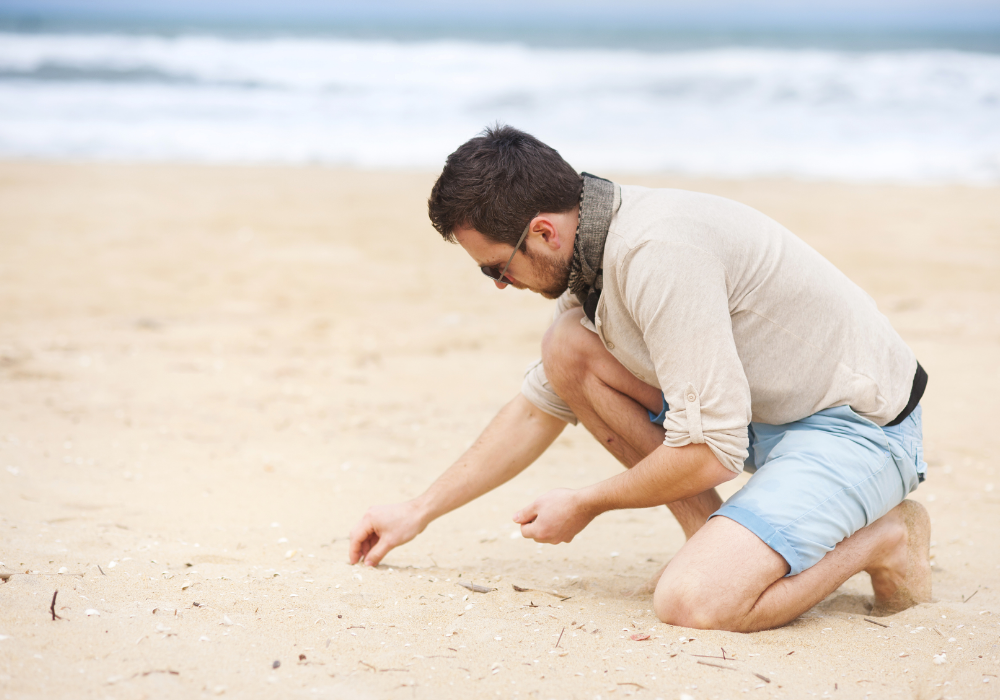
That shell in the sand might seem abandoned, but it could be home to a hermit crab—or a future shelter for marine organisms. When tourists collect shells, coral, or starfish, they remove critical parts of the coastal ecosystem. Even dead coral plays a role in wave buffering and habitat building.
Worse, markets often sell items harvested illegally from protected areas. It’s nearly impossible for travelers to know which trinkets were ethically sourced. The safest bet is to admire, not acquire. Photos last longer, and they don’t weaken fragile ecosystems in the process. Nature shouldn’t have to pay for a souvenir.
6. Dolphin swims are a feel-good trap with hidden cruelty.
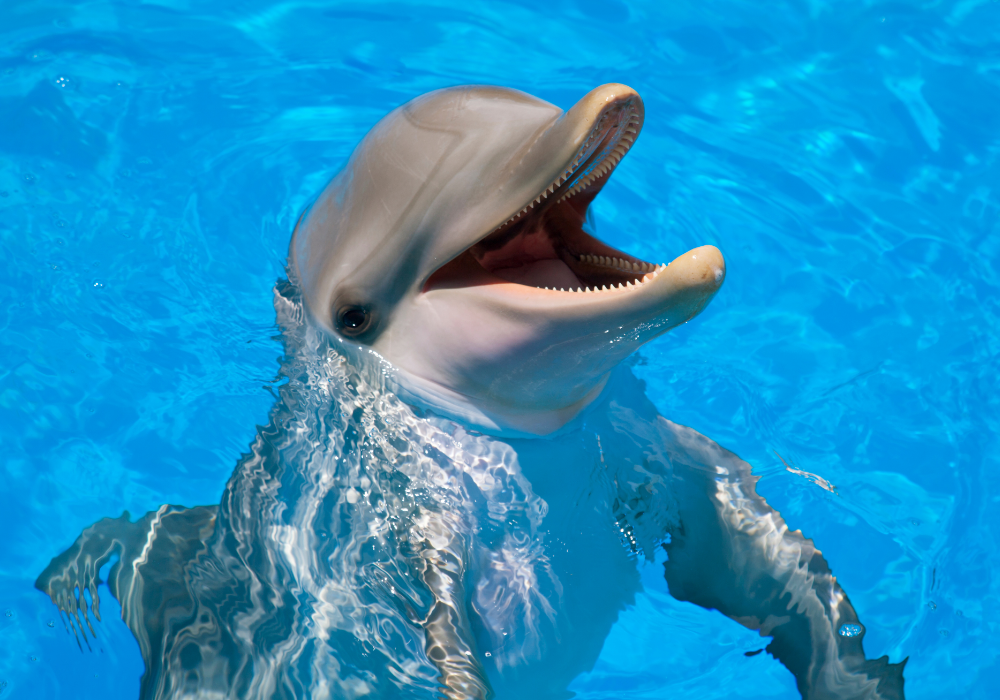
Captive dolphin encounters are often marketed as conservation or education. In reality, they’re built on suffering. Dolphins in captivity face chronic stress, limited space, and unnatural social groupings. They’re trained to perform tricks in exchange for food and are often captured from the wild to begin with. Even “sanctuary” or “rescue” programs can be thinly veiled entertainment businesses.
True sanctuaries do not offer direct contact or performances. Wild dolphin swim tours also cause harm, often chasing pods, stressing the animals, and disrupting feeding patterns. The most respectful way to see dolphins is from a distance, in their natural element—on their own terms.
7. Plastic waste left behind doesn’t stay on the beach.
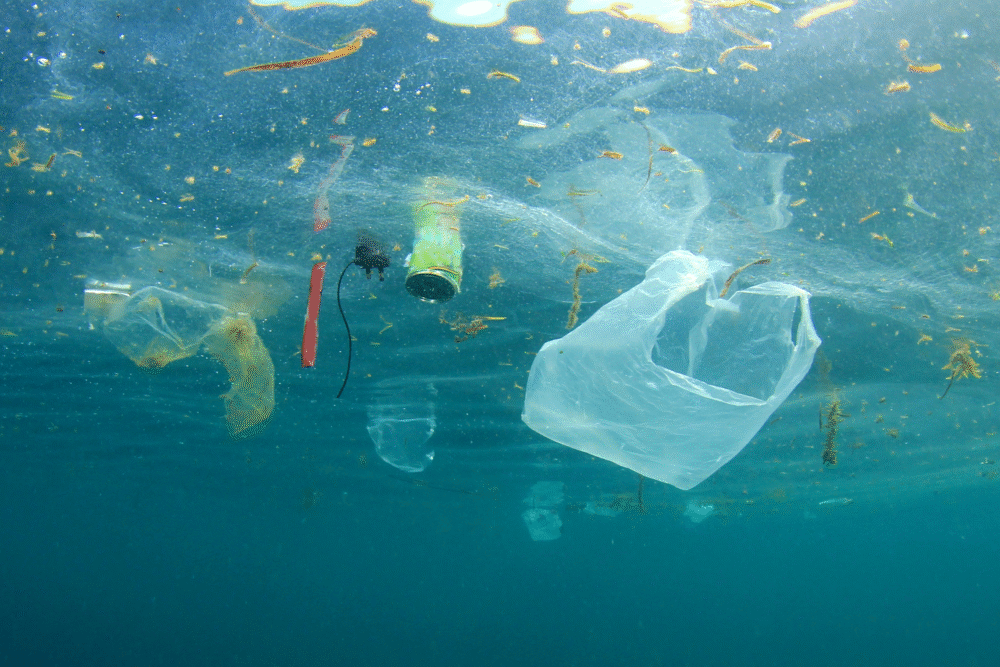
It starts with a forgotten straw, an empty bottle, or a torn snack wrapper. But plastic doesn’t stay put—it breaks down into microplastics that get carried into the ocean by wind or tides. Once it’s in the water, it’s nearly impossible to remove. Marine animals ingest it, coral reefs absorb it, and it enters the food web in ways we still don’t fully understand.
Coastal areas popular with tourists generate tons of waste each season, much of it poorly managed. Even items tossed in beach bins can be blown into the sea if local systems aren’t prepared to handle the influx. Every piece of plastic brought to the beach should be taken back. Better yet, choose reusable gear from the start. A single beach day might feel insignificant—but the ocean never forgets what we leave behind.
8. Cruise ships pollute more than most travelers realize.
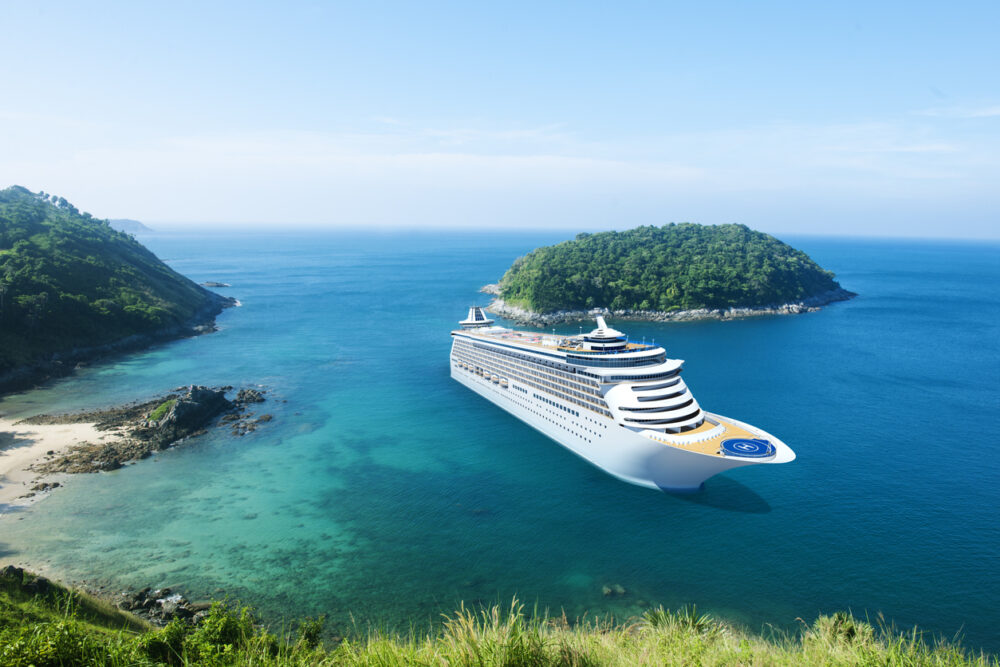
Cruise ships may offer a floating vacation, but they’re also floating cities—with matching emissions. They burn heavy fuel oil, releasing sulfur, nitrogen oxides, and particulate matter into the air and sea.
On top of that, cruise lines generate vast amounts of wastewater, some of which is dumped directly into the ocean, even in sensitive ecosystems. Ports-of-call often bear the brunt: over-tourism, strained waste systems, and damaged marine life from anchoring or dredging. While some cruise companies have introduced greener practices, most ships still have a massive environmental footprint. Opting for land-based travel or smaller, local vessels can dramatically reduce that impact. Vacation shouldn’t come at the cost of entire coastlines.
9. Beachfront development bulldozes vital ecosystems.

That picturesque resort likely replaced something that mattered. Coastal development flattens dunes, removes mangroves, and disrupts nesting grounds for turtles and seabirds. These habitats protect against erosion and storm surges—and they serve as nurseries for countless marine species.
Mangroves, in particular, are climate superheroes. They capture carbon, filter water, and support biodiversity. Yet they’re cleared for swimming pools, hotels, and beachfront bars. Once gone, these ecosystems are hard to restore. Choosing accommodations that prioritize conservation or support local communities—rather than international chains—can reduce the pressure on coastal land. The view might be stunning, but at what cost?
10. Seafood choices ripple far beyond the plate.
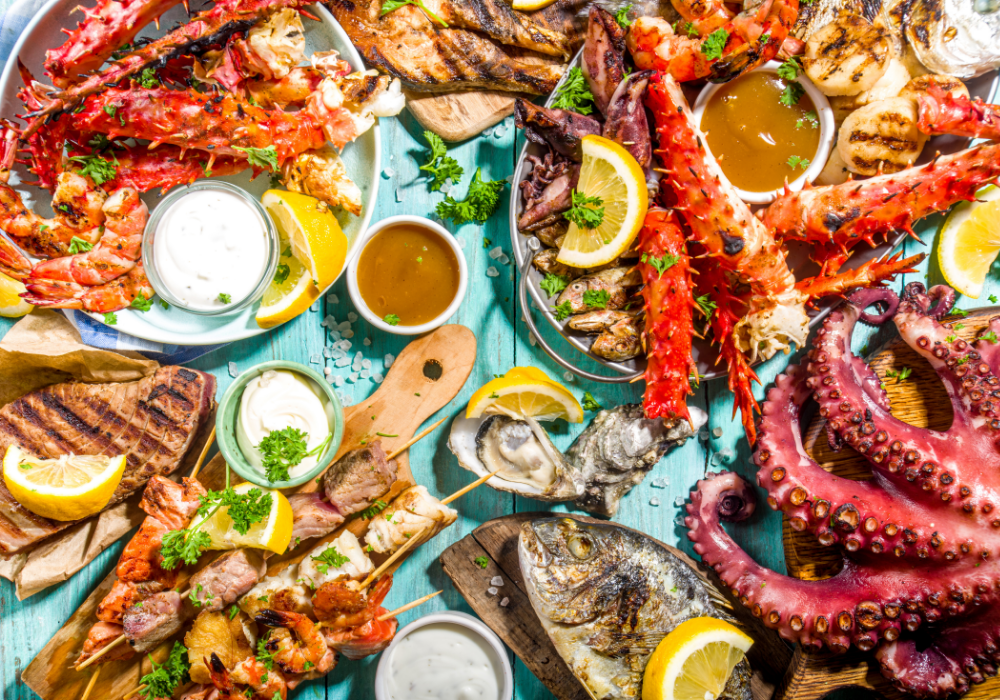
Grilled snapper and spicy tuna rolls may be vacation staples, but what’s on your plate can fuel overfishing, bycatch, and reef destruction. Popular tourist destinations often cater to demand without sustainable sourcing—serving endangered species or those caught with damaging methods like bottom trawling or cyanide fishing. Sustainable seafood guides exist, but they’re not always easy to follow abroad. Asking where the fish comes from or opting for plant-based meals can go a long way.
Supporting restaurants that source locally and responsibly keeps pressure off fragile marine systems. Food is a powerful part of travel—but it shouldn’t eat away at the ecosystems that make a place special.
11. Walking on dunes and nesting sites quietly erodes wildlife.
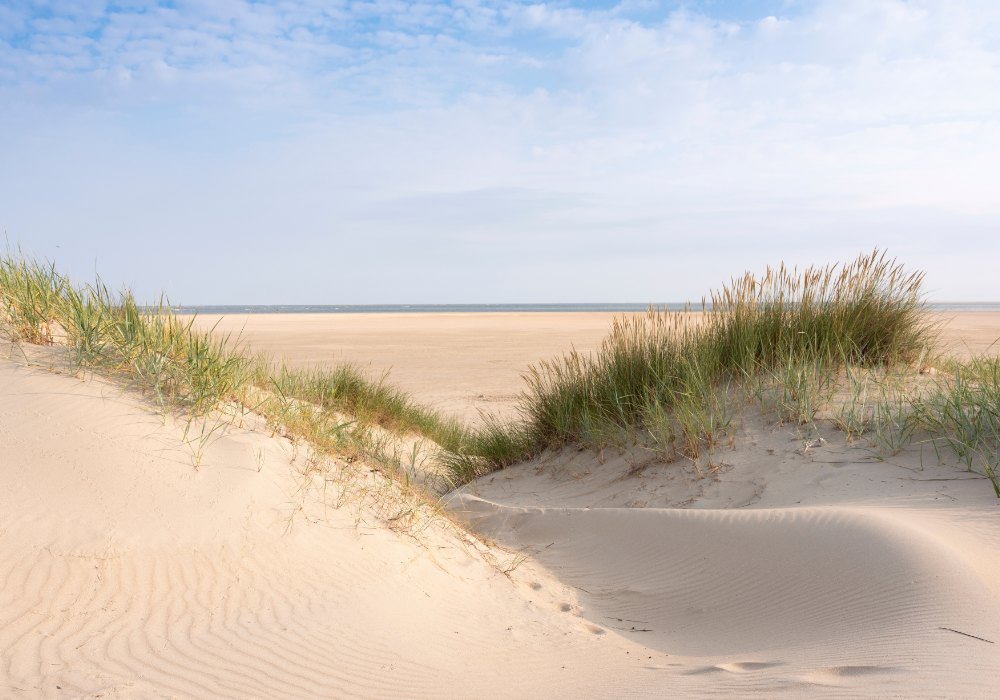
It’s tempting to wander off the path or snap photos from a sandy ridge. But dunes, turtle nests, and bird rookeries are easily damaged by foot traffic. Their structure depends on stable vegetation and minimal disruption. When tourists climb, trample, or dig, they disturb nesting animals and destroy protective habitats.
Many species rely on these quiet, undisturbed places to reproduce. A single misstep can crush eggs, collapse tunnels, or scare away a nesting parent for good. Even dry-looking sand often holds life just beneath the surface. Local signs and ropes aren’t decorations—they’re boundaries for protection. Respecting them means wildlife gets to keep living there long after your vacation ends.