
Mysterious blue holes expose hidden ecosystems and untold stories of our planet’s history.
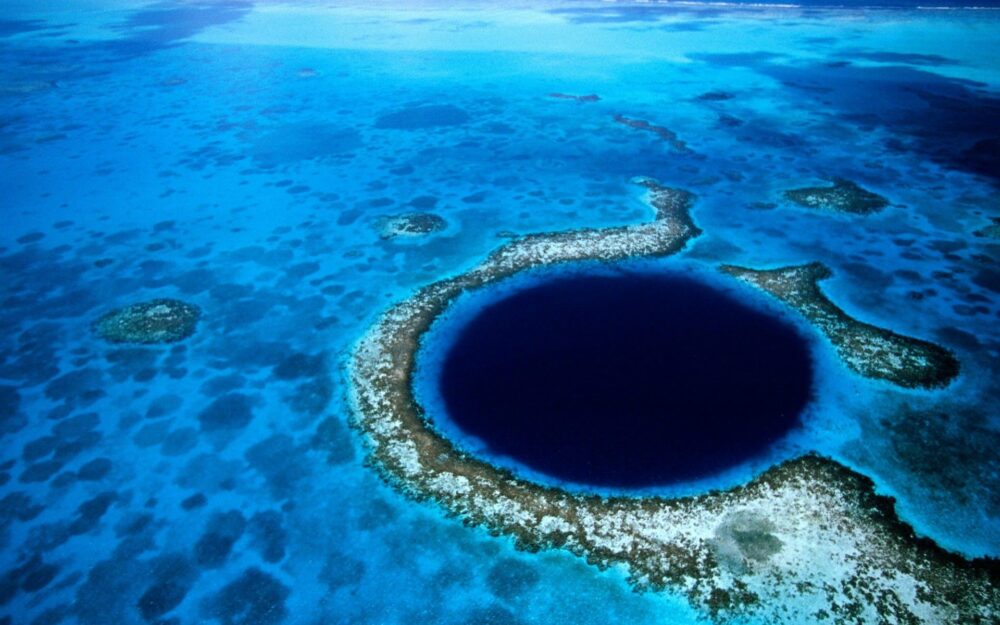
Blue holes are extraordinary underwater sinkholes formed through geological processes over millennia. These deep caverns host unique ecosystems and preserve valuable scientific data about Earth’s past. Marine explorers have uncovered remarkable discoveries within blue holes, ranging from rare species adaptations to fossil records and ancient atmospheric clues. Understanding these formations provides vital knowledge about marine biodiversity, climate history, and geological changes below the ocean’s surface.
1. Ancient underwater caves reveal rare geological formations and minerals.
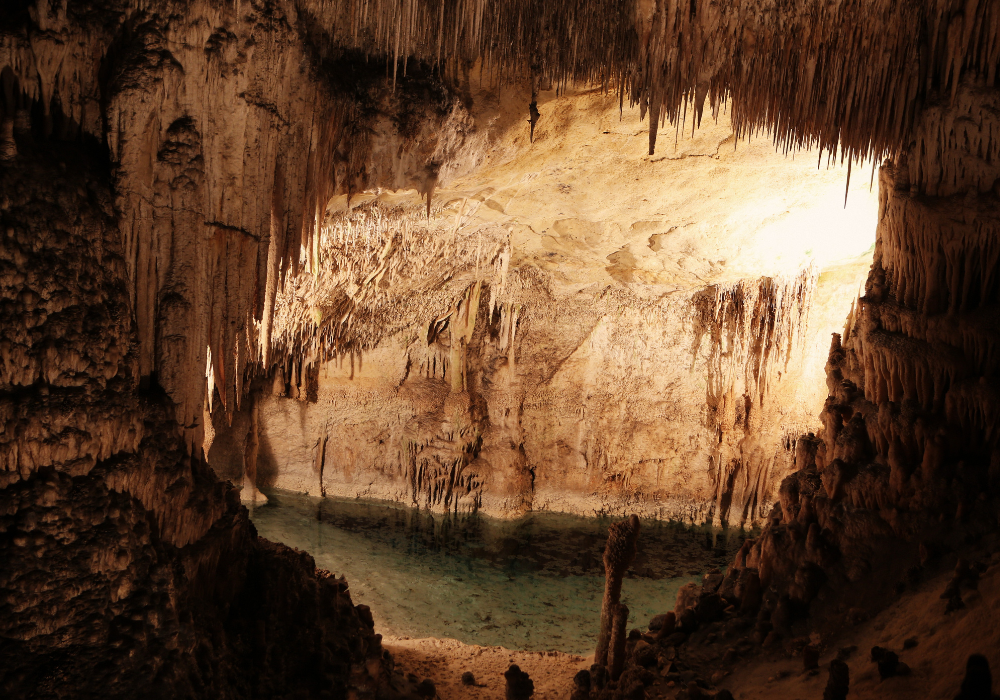
Blue holes are ancient underwater caves that often hold rare geological formations and minerals. Explorers find intricate stalactites and stalagmites, remnants from times when these areas were above sea level. The mineral compositions reveal much about historical geological processes.
Such formations provide valuable insights into past environmental conditions, offering a window into Earth’s distant past. Researchers analyzing these minerals can piece together the geological history of an area, understanding shifts in climate and sea levels over millions of years. These discoveries help broaden knowledge of our planet’s dynamic system.
2. Diverse ecosystems thrive in deep, dark environments around blue holes.
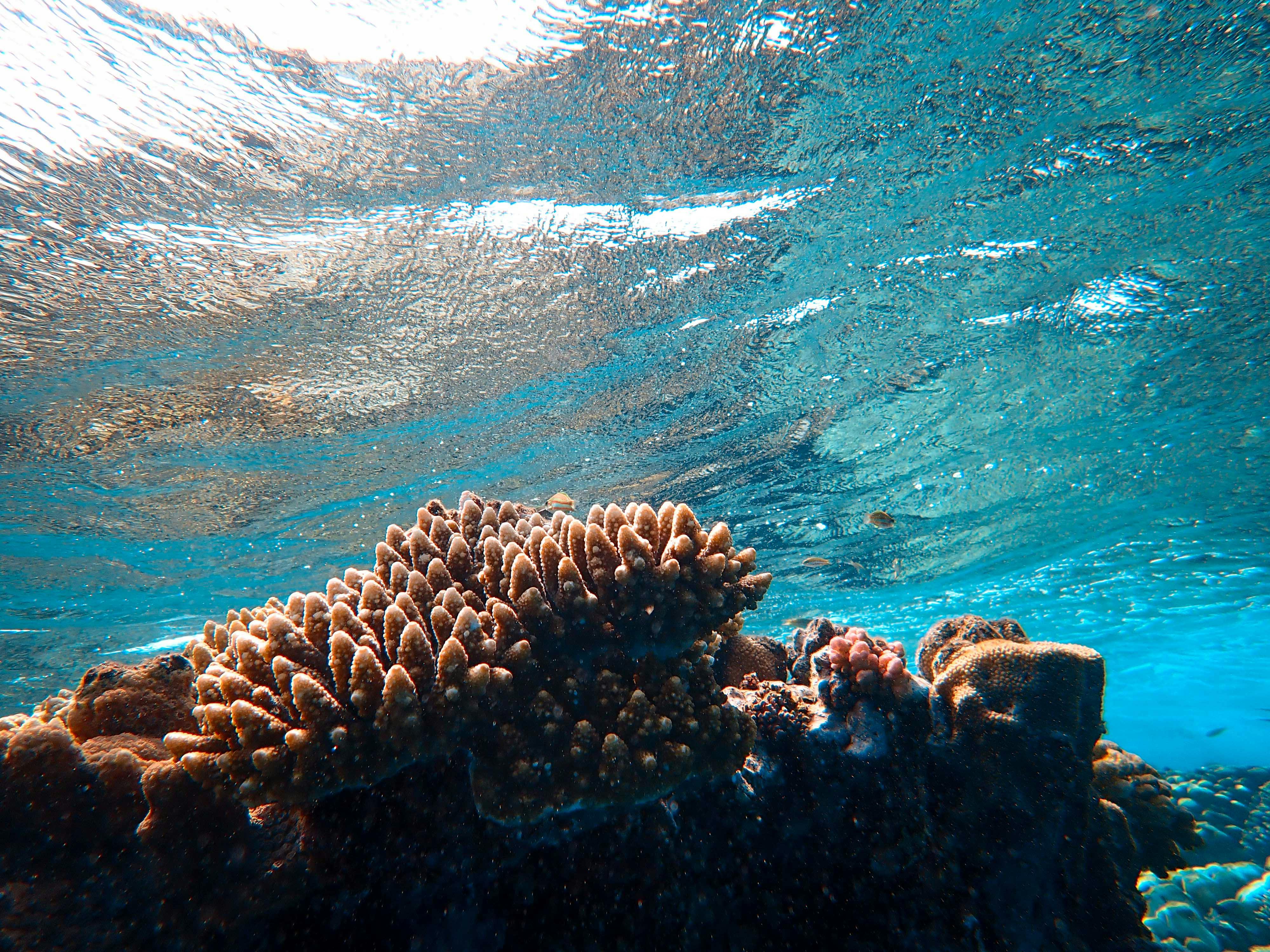
Within blue holes, diverse ecosystems thrive despite the deep, dark environments. These underwater sinkholes create unique habitats where life has adapted in fascinating ways. Species such as specialized corals and sponges flourish, forming complex communities within the depths.
The absence of light and varying oxygen levels challenge resident species to develop resilience and adaptability. These ecosystems offer biologists a natural laboratory to study how life can persist under extreme conditions. Understanding these adaptations offers insights into the resilience of marine life amidst changing environmental conditions.
3. Fossilized remains offer clues about prehistoric marine life evolution.
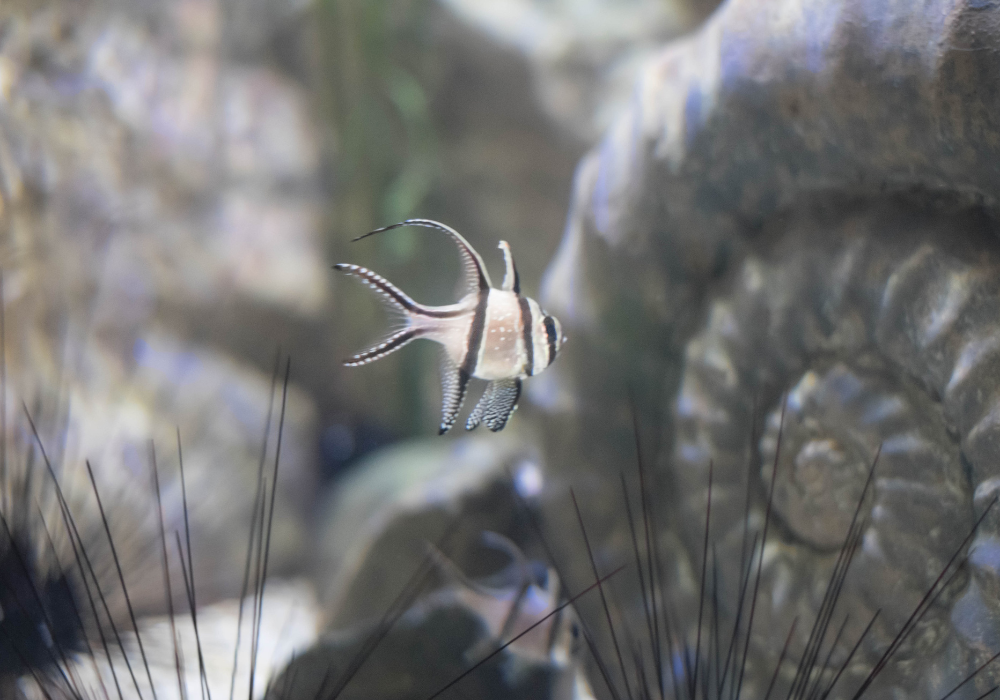
Fossilized remains discovered in blue holes provide a window into prehistoric marine life evolution. Bone fragments and shells tell tales of ancient ecosystems that once thrived. These findings help paleontologists map biodiversity shifts over millions of years.
Each fossil record extends the timeline of understanding about how marine species adapted to changing environments. Analyzing these remains helps trace evolutionary pathways and flesh out the history of life on Earth. These insights deepen the understanding of species’ resilience and adaptability over time.
4. Unique species of fish and crustaceans adapt to extreme conditions.
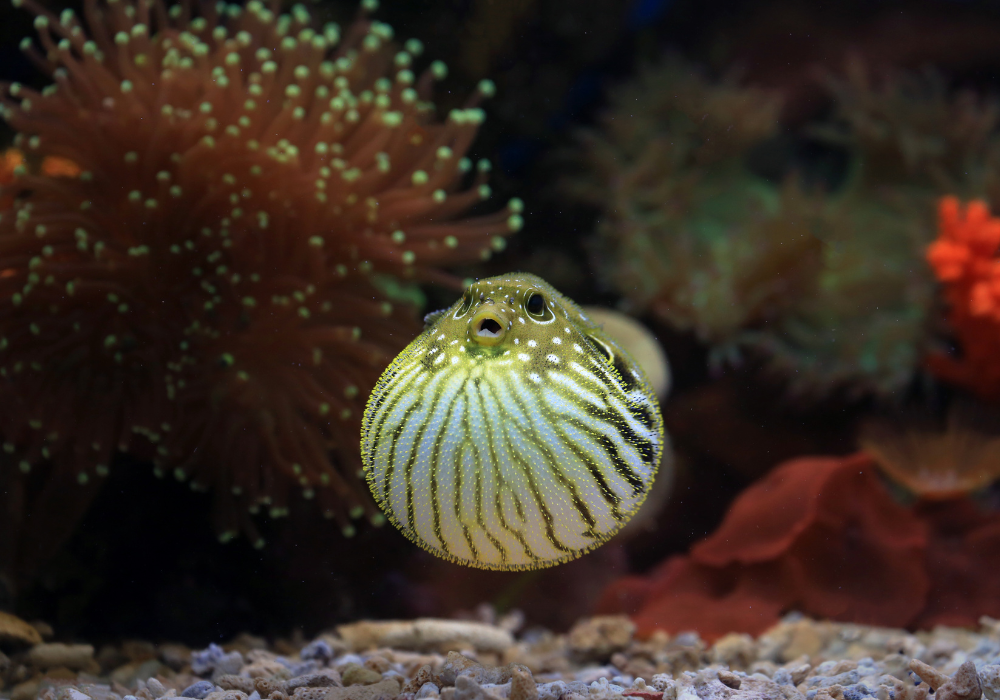
Extreme conditions in blue holes encourage unique species of fish and crustaceans to thrive. These creatures often evolve distinct features tailored to their challenging environments, such as modified jaw structures or heightened sensory abilities to navigate the depths.
These adaptations allow scientists to study evolutionary processes in enclosed ecosystems, illustrating how life diversifies and perseveres. Such studies can increase awareness of the intricate balance within marine ecosystems and the importance of conservation efforts for preserving their natural habitats.
5. Trapped air pockets provide insights into past atmospheric conditions.
In certain blue holes, trapped air pockets offer valuable insights into past atmospheric conditions. These preserved gas bubbles represent historical air compositions, allowing scientists to analyze fluctuations in greenhouse gases over time.
Studying these air pockets can reveal significant data about Earth’s climate history, illustrating shifts and patterns in atmospheric composition. By investigating this trapped air, researchers can improve climate models and predictions, enhancing understanding of how atmospheric change impacts global environments.
6. Sediment layers uncover detailed records of climate changes over millennia.
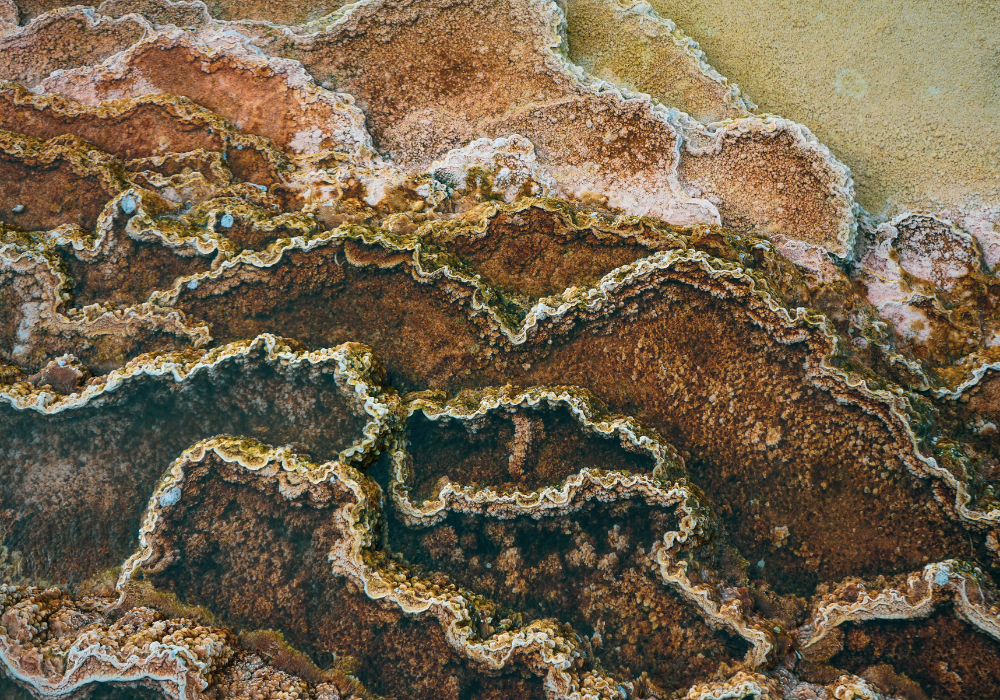
Sediment layers within blue holes act as natural archives, documenting climate changes throughout millennia. These layers accumulate over time, preserving materials like pollen, organic matter, and microfossils, which narrate stories of past climatic conditions.
Researchers can analyze these layers to gain detailed records of historical weather patterns, global temperature shifts, and sea-level changes. This information enriches the study of Earth’s climate system, helping to contextualize current changes within a broader historical framework.
7. Unusual water chemistry supports specialized microbial communities underground.
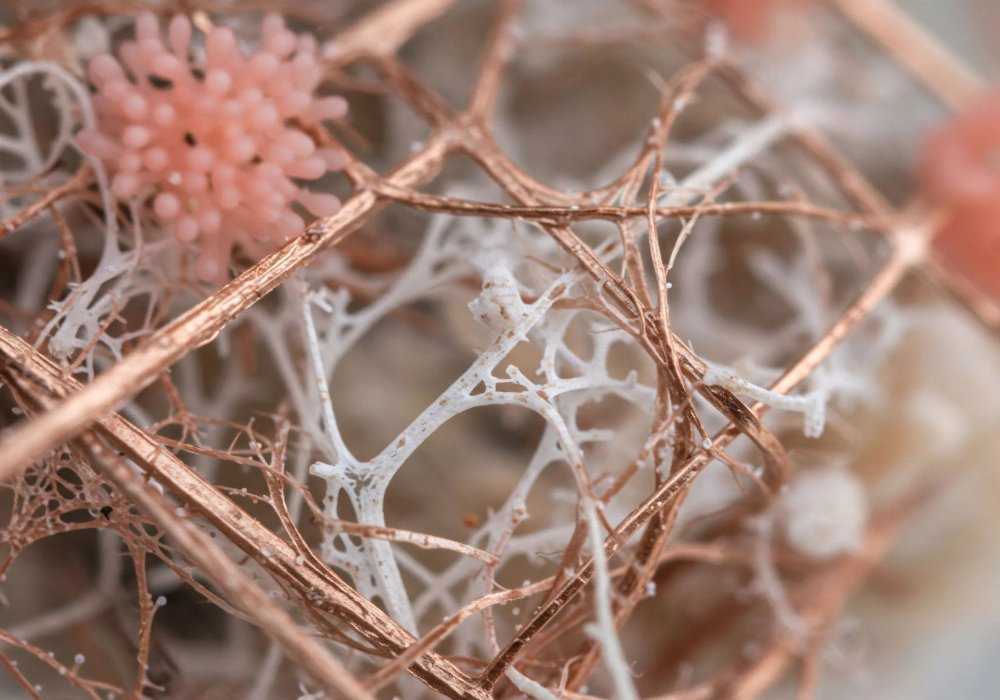
Unusual water chemistry in blue holes supports specialized microbial communities thriving underground. These unique conditions foster microorganisms adapted to isolated, nutrient-scarce environments where they play crucial roles in nutrient cycling and ecosystem functioning.
Examining these microbes offers insights into the biochemical processes that sustain life under extreme conditions. Their study not only enhances the understanding of life’s adaptability but also informs biological research that could have implications for biotechnology and synthetic biology.
8. Archaeological artifacts suggest long-lost human activity near coastal blue holes.
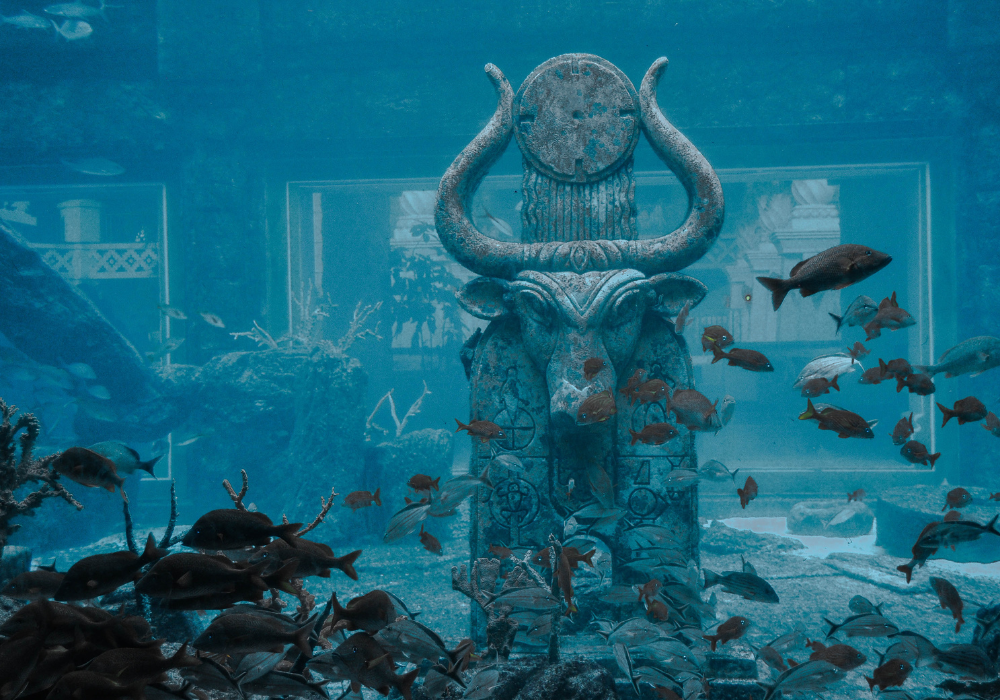
Archaeological artifacts found near coastal blue holes suggest long-lost human activities. These discoveries range from ancient tools to remnants of settlements, painting a picture of how early civilizations interacted with these natural features.
Such findings extend knowledge of historical human behaviors, illustrating past engineering techniques and resource utilization. These artifacts can illuminate human migration patterns and environmental interactions, enriching understanding of cultural and historical timelines.
9. Rare bioluminescent organisms create spectacular underwater light displays.
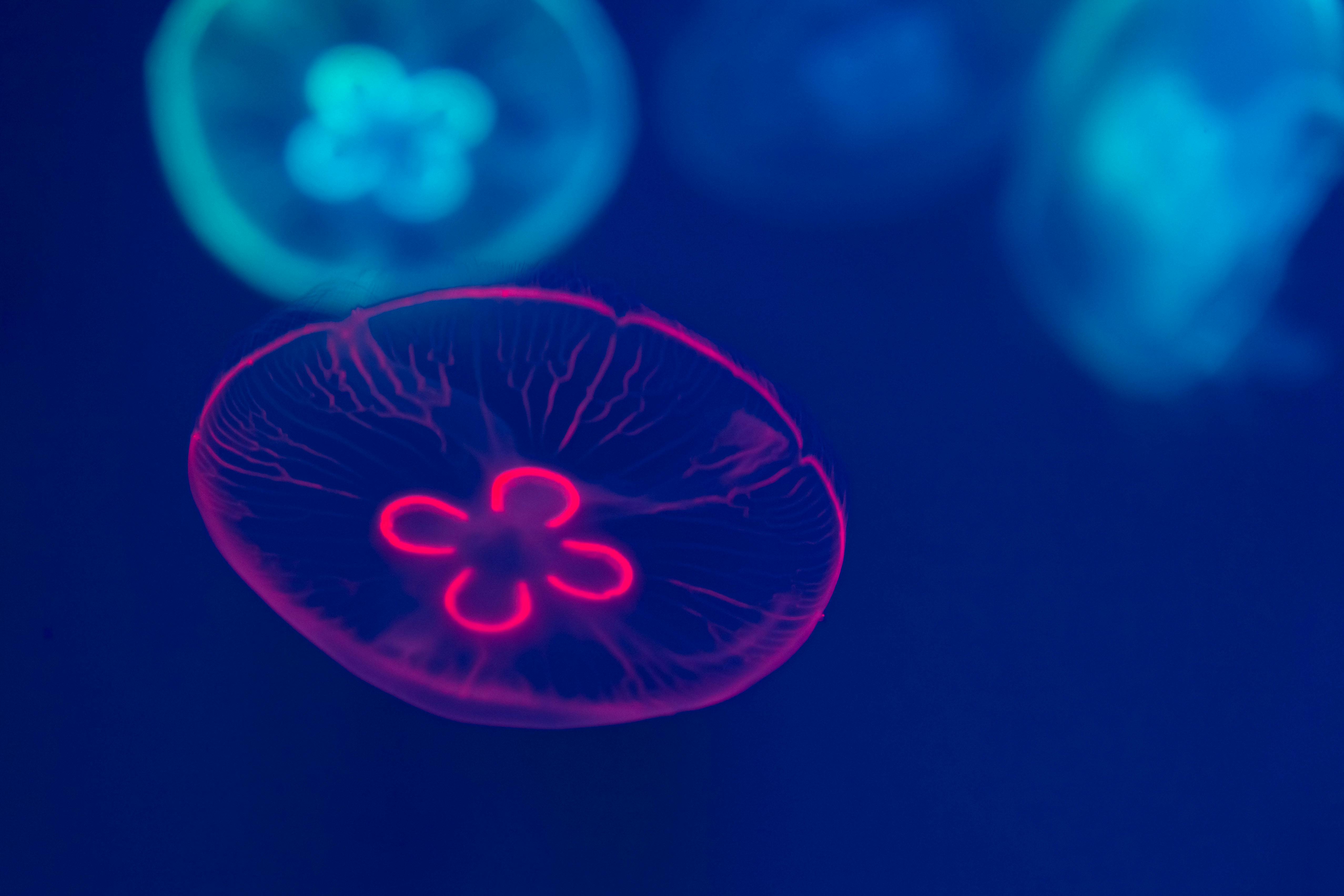
In the presence of rare bioluminescent organisms, blue holes transform into spectacular underwater light displays. These glowing creatures emit light through chemical reactions, creating stunning visual spectacles in the dark depths.
For marine biologists, studying these organisms opens pathways to understanding the mechanisms and evolutionary advantages of bioluminescence. Beyond their beauty, these organisms reveal adaptations crucial for communication, predation, and survival in light-deprived environments.
10. Evidence of underwater sinkholes explains sudden geological collapses observed globally.
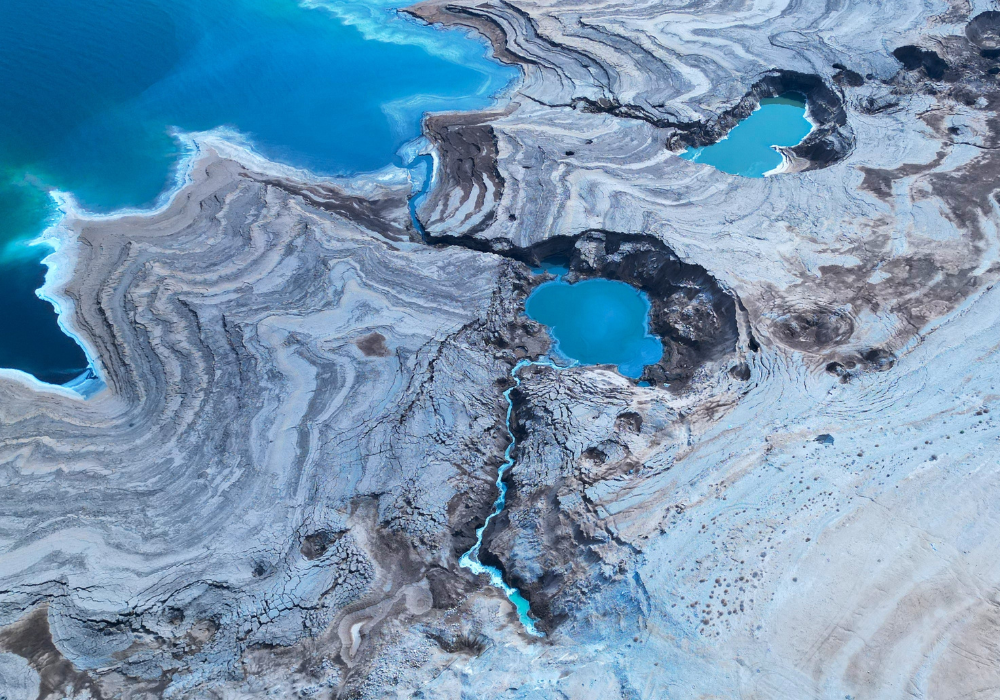
Evidence of underwater sinkholes sheds light on sudden geological collapses observed worldwide. These formations highlight processes that lead to abrupt topographical changes, with collapses often triggered by water erosion or other geological factors.
Such understanding clarifies the mechanisms behind sudden terrain transformations, aiding geologists in predicting similar occurrences on land and sea. This knowledge is pivotal for assessing potential hazards and developing strategies to mitigate risks associated with geological instabilities.
11. Distinct temperature gradients influence the distribution of marine species.
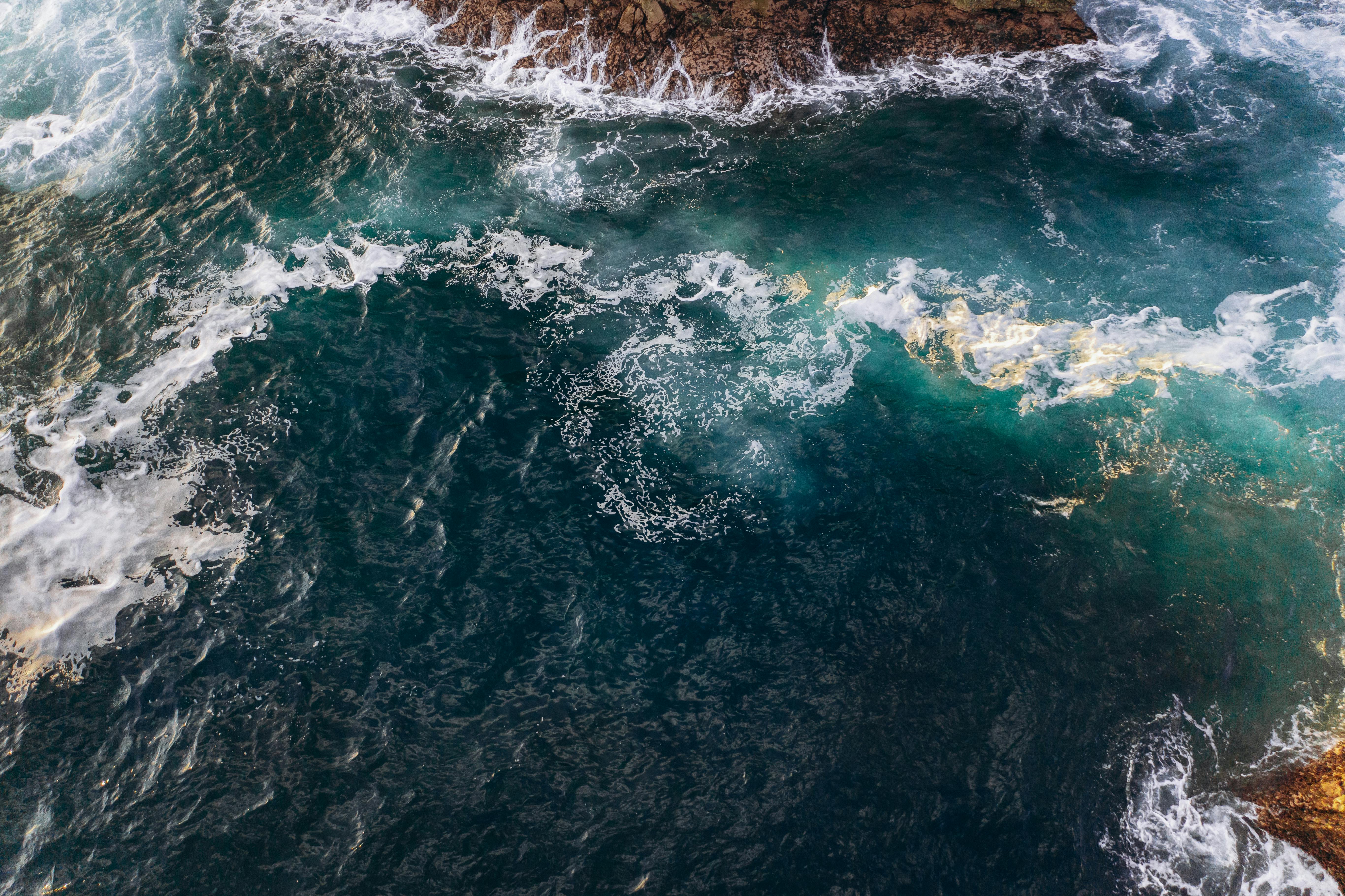
Distinct temperature gradients within blue holes influence marine species distribution. These gradients result from varying depths and water movements, creating microhabitats that support different organisms based on thermal preferences.
Studying how species orchestrate their life cycles around these gradients provides insights into behavioral adaptability and ecological interactions. By observing these patterns, marine biologists can infer broader ecosystem dynamics and their responses to environmental changes.
12. Revealed underwater caves serve as natural laboratories for oceanographic research.
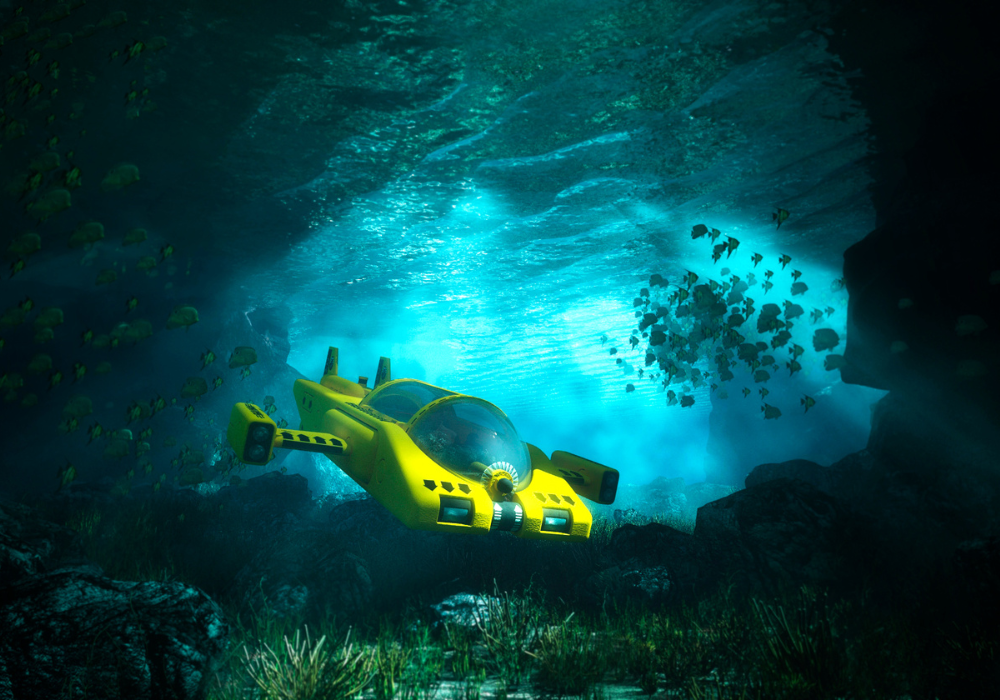
Revealed through exploration, underwater caves serve as natural laboratories for oceanographic research. Scientists study these spaces to understand processes affecting marine environments, examining factors like water salinity, currents, and geological formations.
These investigations extend the knowledge of oceanography, offering diverse data for modeling broader oceanic systems. Research in these natural laboratories enhances comprehension of underwater geology and aids in predicting broader marine and climatic phenomena.