
New data reveal modern sea levels are climbing faster than at any point in the past four millennia—driven largely by human-caused warming.

A landmark study published in Nature by a team of researchers from Rutgers University has found that global sea levels are rising faster today than at any time in the past 4,000 years. By examining ancient coral reefs, mangrove deposits, and sediment cores, scientists reconstructed sea-level patterns and discovered a sharp acceleration beginning with the industrial era. The study concludes that human-driven warming and melting polar ice are propelling modern oceans into conditions unseen in recorded history.
1. Scientists Found Sea Levels Rising Faster Than in Four Millennia

Researchers at Rutgers University and collaborating institutions analyzed global geological records to reconstruct ancient sea-level patterns spanning 4,000 years. Their findings reveal that today’s rate of rise—about 4 millimeters per year—is unprecedented in that entire period.
While natural fluctuations occurred throughout history, none approached the speed and scale of modern change. The study’s authors say the acceleration began during the late 19th century, coinciding with the start of industrial-era greenhouse gas emissions.
2. Ancient Sediment and Coral Records Reveal the Past
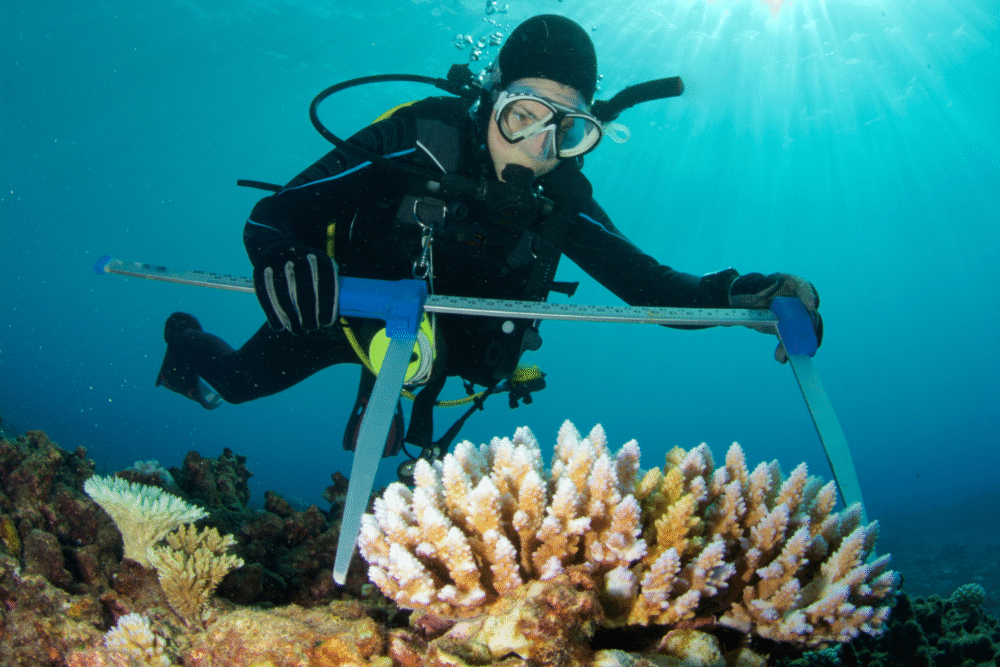
To measure sea-level history, scientists examined coral reefs, mangroves, and coastal sediment layers from 50 sites worldwide. These natural archives preserve chemical and physical clues that record how ocean levels changed over thousands of years.
By comparing these findings to modern satellite and tide gauge data, researchers created a long-term timeline of sea-level behavior. The contrast was striking: after centuries of relative stability, sea levels began rising sharply around 1900, breaking all known natural patterns.
3. Human Activity Is Driving the Acceleration
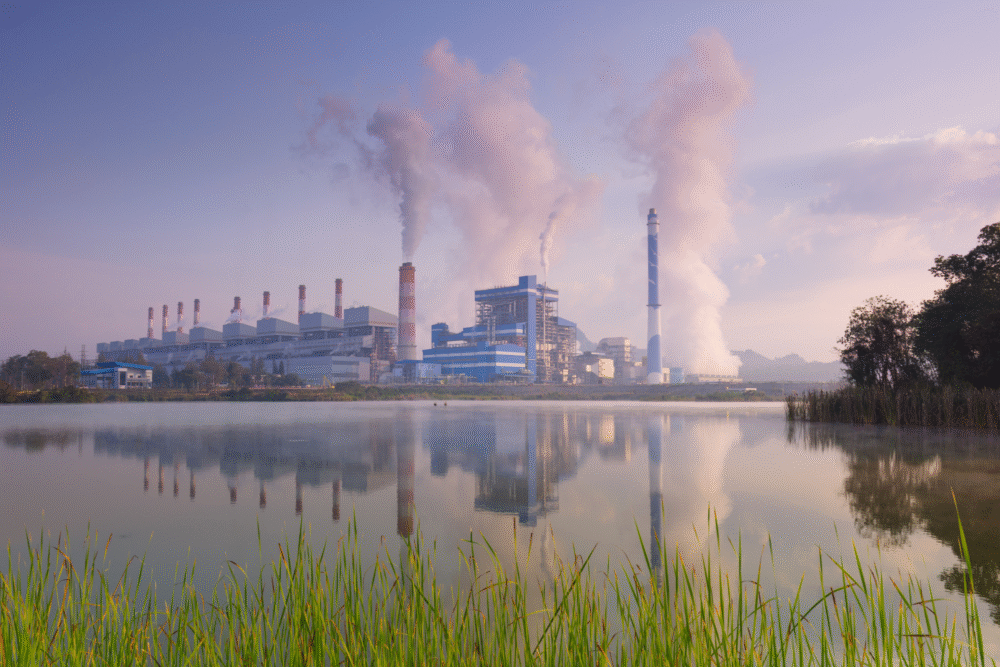
The study found clear evidence linking modern sea-level rise to human-driven climate change. Burning fossil fuels has increased atmospheric carbon dioxide, trapping heat and causing both ocean water expansion and ice melt from Greenland and Antarctica.
Scientists estimate that nearly two-thirds of today’s sea-level increase results from melting land ice, with the remainder caused by thermal expansion. These processes are expected to intensify as global temperatures continue to rise through the 21st century.
4. Greenland and Antarctica Are Losing Ice at Record Speeds
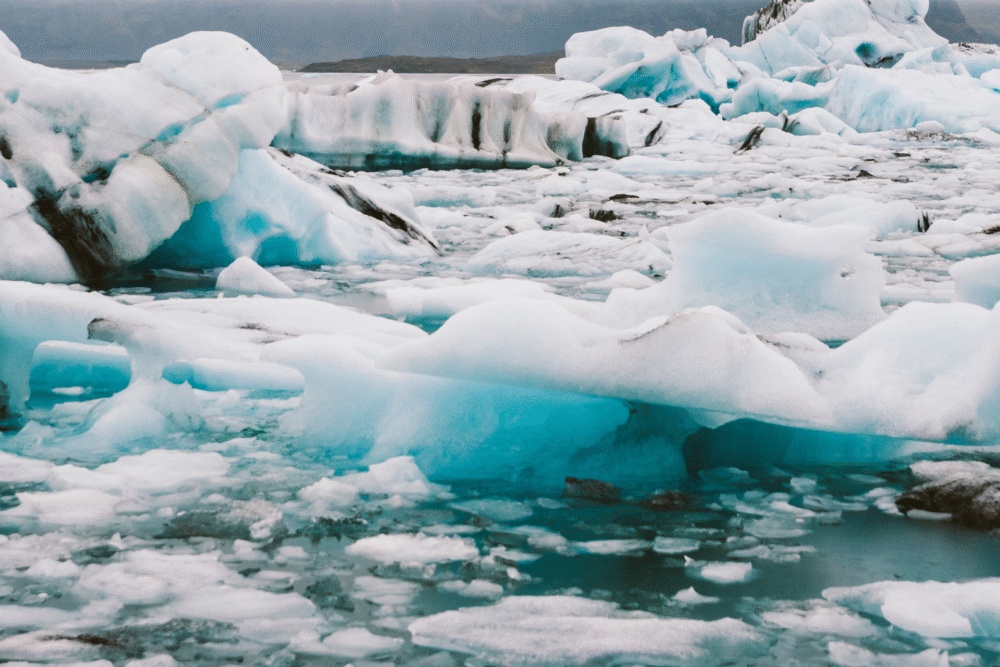
Ice sheets in Greenland and West Antarctica are now melting faster than any time since modern measurements began. Satellite observations confirm that these regions are losing hundreds of billions of tons of ice each year.
That meltwater flows directly into the oceans, raising global sea levels. Researchers warn that if current trends continue, these polar regions alone could contribute more than a foot of sea-level rise by 2100—placing low-lying coasts at extreme risk.
5. Thermal Expansion Is Quietly Lifting the Seas

As ocean water warms, it expands—a basic law of physics that contributes significantly to rising seas. Even small temperature increases cause vast volumes of seawater to swell, raising global levels by measurable amounts.
Scientists estimate that about one-third of total modern sea-level rise comes from thermal expansion. Because ocean heat continues to accumulate even if greenhouse gas emissions stabilize, this effect will persist for centuries, locking in long-term sea-level growth.
6. Coastal Cities Face Growing Flood Risks

Modern sea-level rise isn’t just a distant concern—it’s already affecting coastal communities. Cities like Miami, New York, Jakarta, and Bangkok are experiencing more frequent flooding, higher storm surges, and saltwater intrusion into freshwater supplies.
Researchers project that by 2050, hundreds of millions of people could face regular coastal flooding. Infrastructure built for a stable shoreline—roads, subways, and power plants—is increasingly vulnerable as sea levels creep higher each year.
7. Some Regions Are Rising Faster Than Others
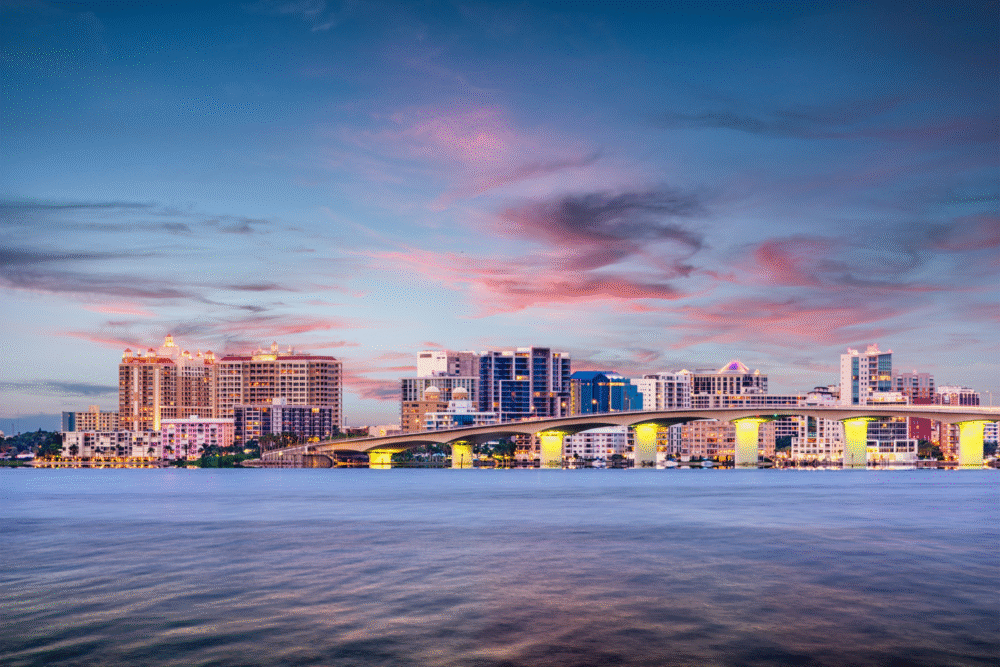
While sea levels are climbing globally, local changes vary due to land movement, ocean currents, and regional temperature patterns. Parts of the U.S. Gulf Coast, Southeast Asia, and the western Pacific are rising far faster than the global average.
In contrast, some northern areas—like parts of Scandinavia and Canada—are rising slightly due to land rebound from melting ice. These regional differences complicate predictions and highlight the importance of localized adaptation strategies.
8. The Last Stable Period Ended With Industrialization
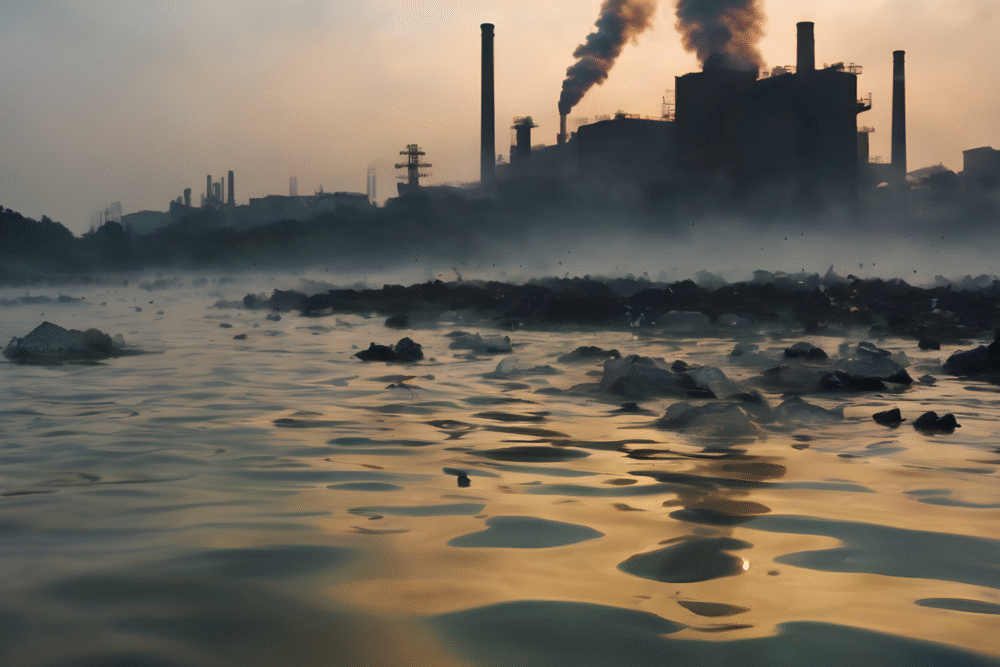
Before the 19th century, global sea levels changed only a few inches over centuries. That stability allowed civilizations to flourish in coastal zones that now face increasing danger.
The Rutgers study shows a dramatic shift beginning around 1880, when fossil fuel use surged. This period marks the start of the “modern acceleration”—a rapid, human-driven departure from the natural equilibrium that persisted for thousands of years.
9. Scientists Warn the Trend Could Continue for Centuries

Even if greenhouse gas emissions stopped today, sea levels would keep rising for hundreds of years. That’s because the oceans and ice sheets respond slowly to warming already in progress.
Researchers say the planet is now locked into a minimum of several additional feet of sea-level rise. Without aggressive mitigation, future generations could inherit an Earth where entire coastal regions—including major world capitals—are permanently submerged.
10. The Study Highlights Urgent Need for Global Action
The Rutgers-led team says their findings are a warning that the pace of sea-level rise is accelerating beyond historical precedent. They emphasize that rapid emission cuts could still limit the worst outcomes, but the window is narrowing.
Strengthening coastal defenses, restoring wetlands, and reducing carbon output are essential steps. As the researchers conclude, understanding Earth’s past sea levels isn’t just academic—it’s a vital roadmap for adapting to the future now unfolding along our shores.