
Meteorologists warn a rare setup could pound the East Coast with multiple powerful storms.
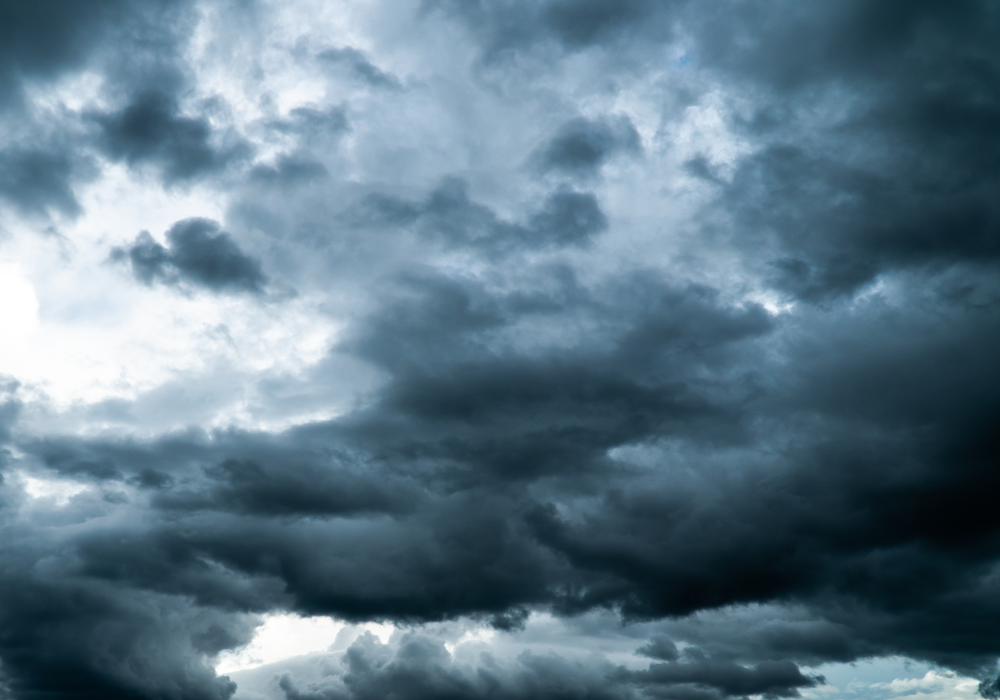
Nor’easters are powerful storms that develop along the East Coast, driven by the collision of cold Arctic air and warm Atlantic waters. These weather systems often bring heavy snow, strong winds, and coastal flooding, sometimes producing multiple storms in succession. Understanding the atmospheric conditions and impact of these storms helps clarify why they can cause extended disruptions across several states, highlighting their significance in weather forecasting and regional preparedness.
1. Nor’easters form along the East Coast from late fall to early spring.
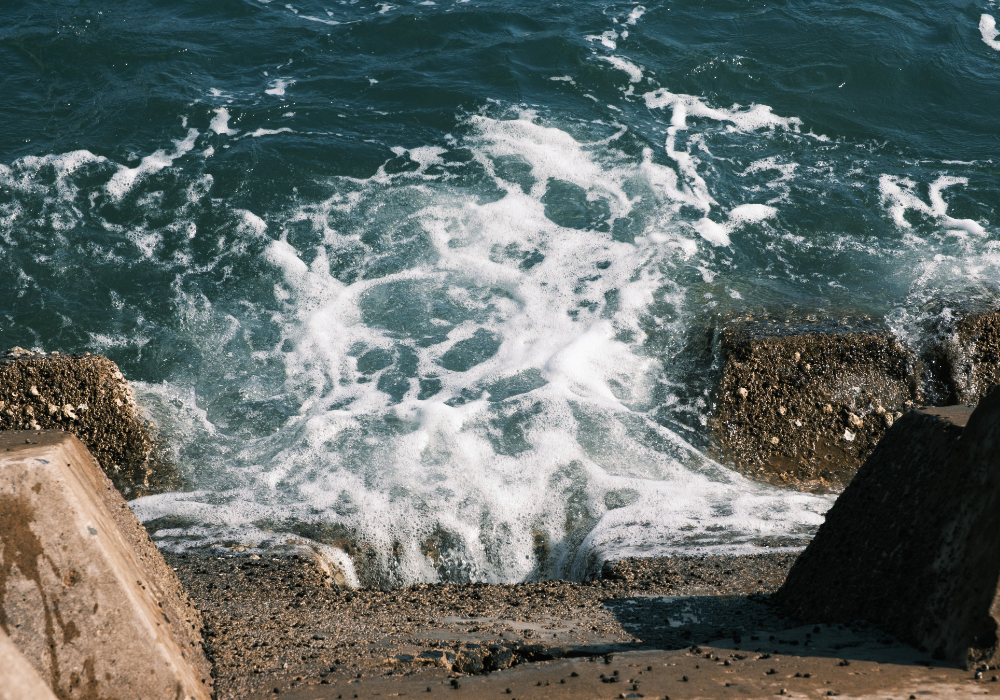
Nor’easters form primarily along the East Coast, occurring from late fall through early spring. This time frame coincides with the clash between lingering warm ocean waters and colder continental air. These unique seasonal dynamics make the region susceptible to developing these powerful coastal storms.
During these months, fluctuating temperatures amplify the chance of weather systems colliding at specific latitudes. The interaction between air masses during this timeframe often results in unstable atmospheric conditions that fuel storm development. Consequently, residents in affected areas frequently prepare for challenging weather from November to April.
2. These storms develop from the clash of cold Arctic air and warm ocean water.

These storms originate from the dramatic clash between cold Arctic air and warm ocean water. This interaction creates the perfect environment for cyclonic activity, leading to the development of intense low-pressure systems characteristic of Nor’easters.
Such conditions are common off the East Coast, where cold fronts frequently descend from Canada while warmer waters of the Gulf Stream remain nearby. The resulting pressure drop and rotating winds cause the distinct storm features associated with Nor’easters, including fierce winds and heavy precipitation, impacting millions of residents.
3. Nor’easters often bring heavy snow, strong winds, and coastal flooding.
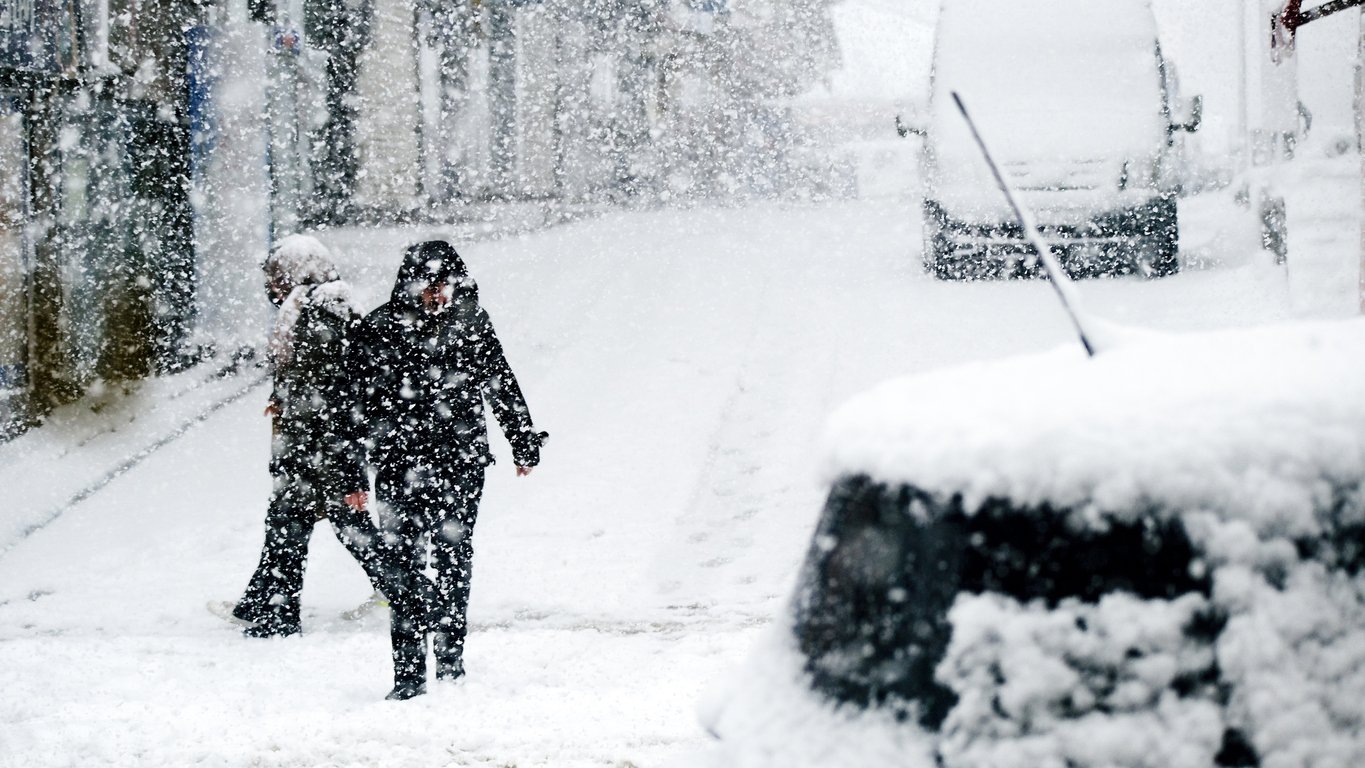
Nor’easters often bring a mix of weather conditions, including substantial snowfall, strong winds, and coastal flooding. The varied nature of these storms can lead to complex weather patterns affecting large areas from the coast to inland regions.
While snow is common during Nor’easters, particularly in northern states, these storms can also cause significant rain and flooding along the coast, depending on ocean temperatures and storm track. Their high winds contribute to power outages and property damage, making them formidable weather events.
4. The counterclockwise rotation of Nor’easters intensifies storm conditions quickly.
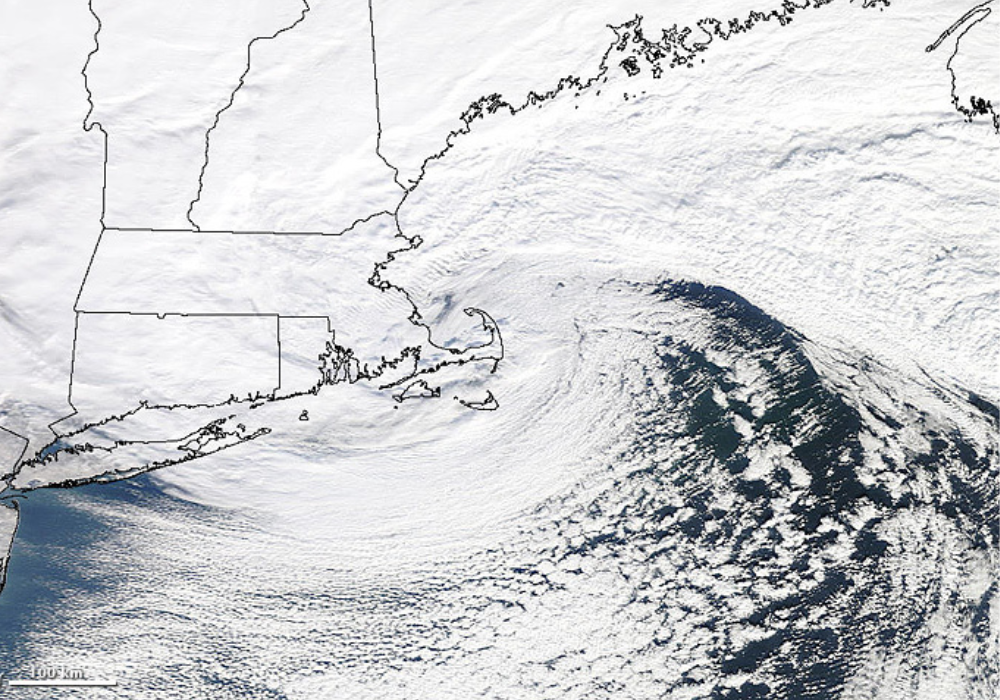
As Nor’easters rotate counterclockwise, their conditions can quickly intensify. This rotation draws cold air from the north and east, while pushing warmer ocean air towards the coast, escalating the storm’s intensity in a short period.
The structure of these low-pressure systems allows for rapid strengthening, particularly given the temperature differentials they exploit. This intensification surprises many due to relatively mild initial conditions, underscoring the importance of continuous monitoring by meteorologists.
5. They can last several days, causing prolonged weather disruption in affected areas.

Nor’easters can persist for several days, disrupting weather patterns over long periods. Their slow-moving nature combined with intense precipitation and strong winds extend the impact.
This prolonged duration exacerbates infrastructure damage, strains emergency services, and requires sustained efforts for recovery. Consequently, areas affected may experience significant travel disruptions and power outages that complicate both daily life and broader logistics over a considerable timeframe.
6. Nor’easters frequently travel northward along the coastline, impacting multiple states.
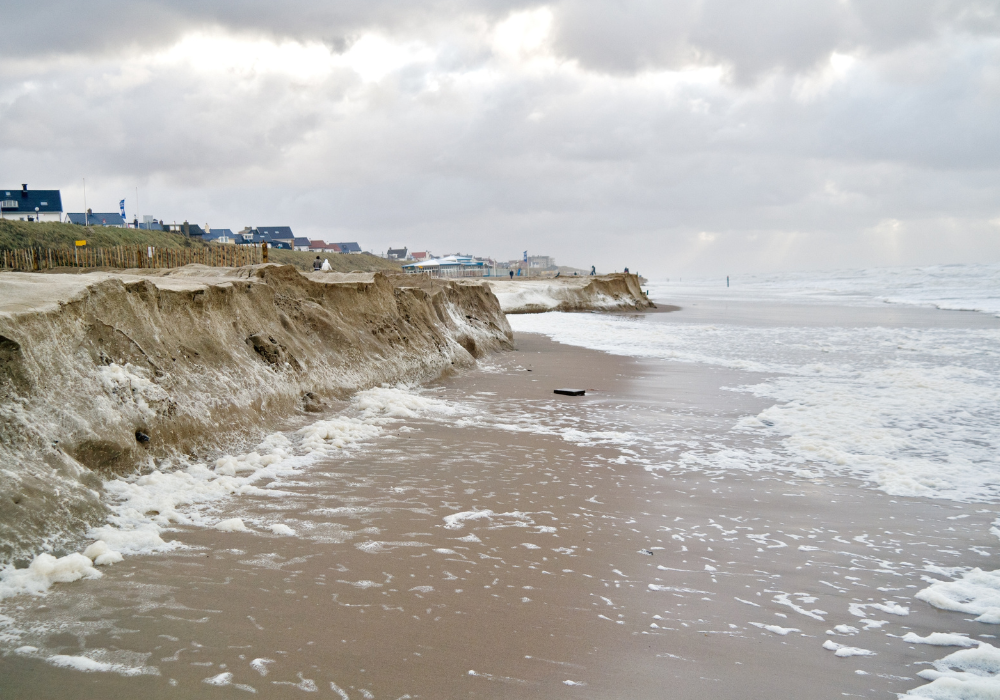
Traveling northward along the coastline, Nor’easters frequently impact multiple states in their path. The trajectory of these storms can cover substantial distances, often creating widespread effects in densely populated regions.
Their coastal path means states from the mid-Atlantic to New England can experience different aspects of the storm ranging from heavy snowfall inland to coastal flooding. The broad impact area necessitates thorough preparation and coordination across state lines, as conditions can vary vastly along the storm’s track.
7. These storms gain energy from the Atlantic Ocean’s warm waters and moisture.
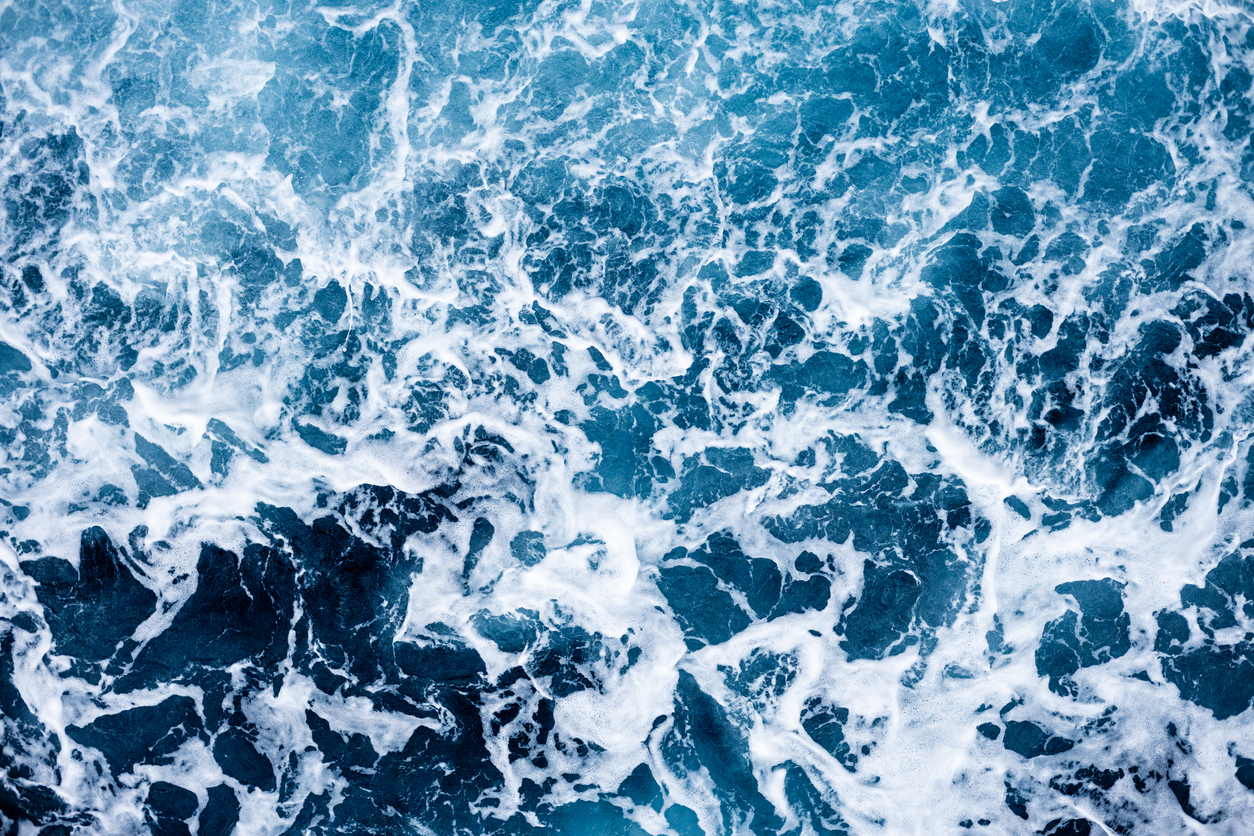
Warm waters of the Atlantic Ocean provide Nor’easters with critical energy and moisture essential for their power. This thermal fuel allows the storm’s intensity to ramp up rapidly.
The interaction between ocean temperatures and atmospheric conditions plays a pivotal role in storm strength. Even slight variations in ocean heat levels can lead to markedly different outcomes, potentially transforming a mild storm into a formidable force capable of widespread disruption.
8. Nor’easters can cause snow totals to accumulate rapidly in urban centers.
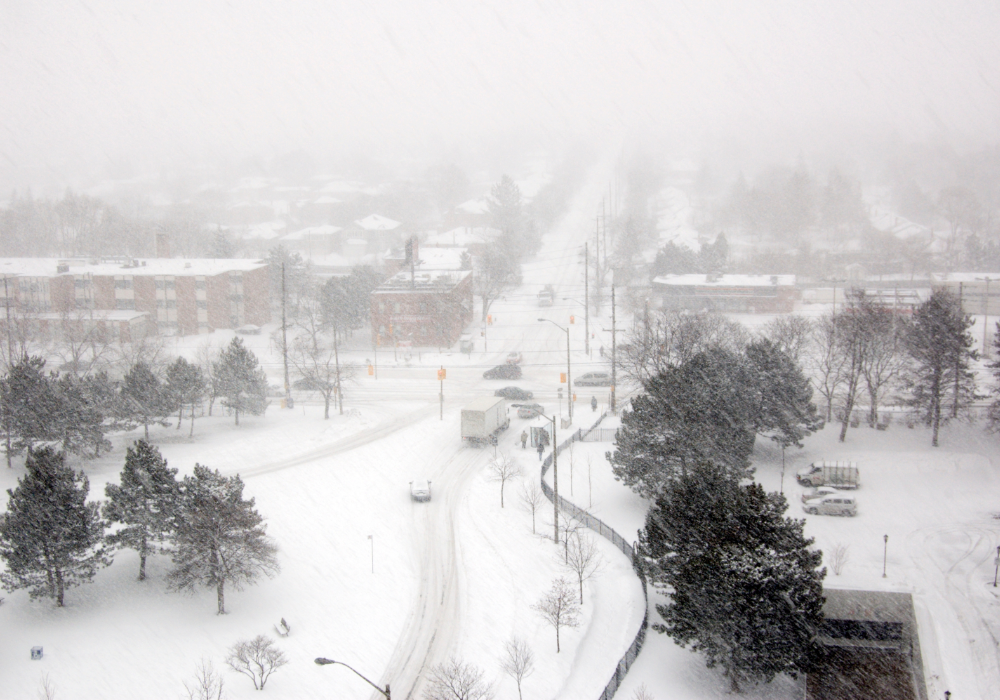
Nor’easters can lead to rapid snow accumulation in urban centers, creating challenges for transportation and emergency services. Cities caught in their path must often contend with near-record snowfall within a short duration.
Excessive snowfall amidst dense populations complicates response efforts, influencing everything from road maintenance to public safety initiatives. Vertical surfaces common in urban environments can enhance snow drifting, making clean-up efforts even more demanding as snow piles continue to grow.
9. The storm pattern can produce multiple consecutive storms with similar tracks.
This weather pattern can result in multiple consecutive storms with similar paths, a phenomenon known as storm stacking. Here, successive systems follow comparable tracks, intensifying impacts on regions previously affected.
The stacking pattern adds complexity to forecasting and disaster management, as recovery becomes strained amidst repeated storms. Each incoming system can compound the damage and delays, necessitating robust contingency planning and seamless communication between meteorological and emergency management entities.
10. Coastal erosion and beach damage often follow after powerful Nor’easter events.

Powerful Nor’easters often cause significant coastal erosion and beach damage. The storm’s relentless waves and high tides batter shorelines, reshaping landscapes in their wake.
These geological changes persist long after storms pass, affecting habitats, tourism, and local economies. Coastal communities face ongoing challenges repairing infrastructure and restoring natural defenses, illustrating the extended impacts beyond immediate weather concerns. Areas must consider long-term resilience planning to manage erosion more sustainably.