
In 1982, the Ocean Ranger—then the world’s largest offshore oil rig—vanished in a violent North Atlantic storm, killing all 84 aboard.
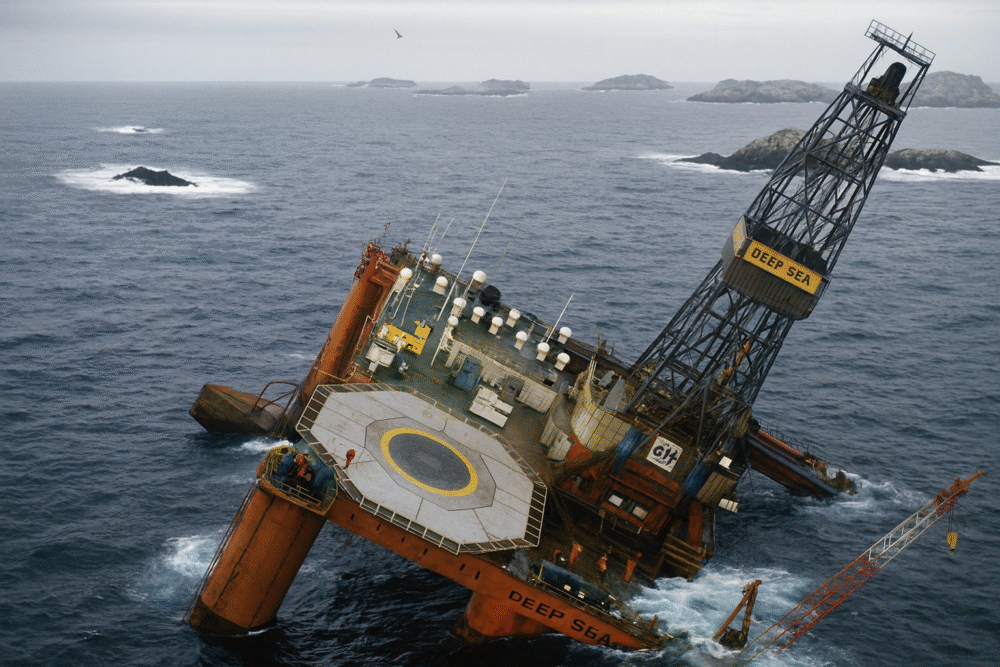
On February 15, 1982, the Ocean Ranger, a towering offshore drilling platform hailed as “unsinkable,” was struck by a monstrous wave during a fierce storm off Newfoundland. Within hours, the $200-million rig capsized and disappeared beneath the icy Atlantic, leaving no survivors among its 84-man crew. The disaster shocked the world, exposing design flaws, safety oversights, and the deadly power of the sea. Decades later, the Ocean Ranger remains a stark reminder of nature’s supremacy over human engineering.
1. The Ocean Ranger Was the Largest Oil Rig of Its Time
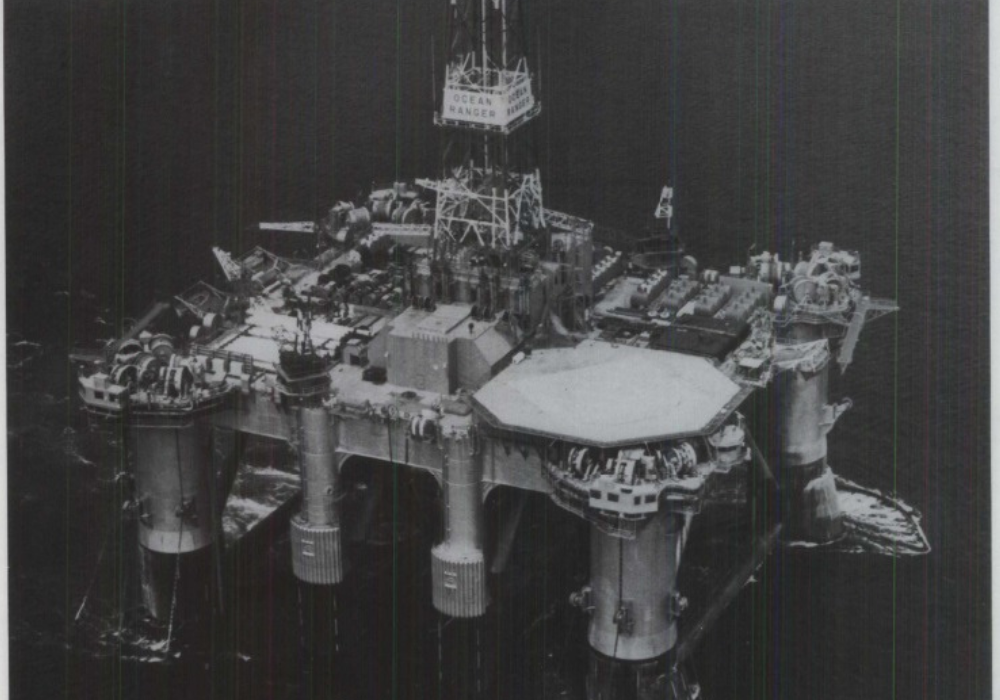
When it was completed in 1976, the Ocean Ranger was hailed as a marvel of modern engineering. Standing over 300 feet tall and weighing more than 25,000 tons, it was the largest semi-submersible drilling platform ever built.
The rig was designed to withstand fierce North Atlantic storms and was stationed 166 miles east of Newfoundland. Operated by Mobil Oil Canada, it symbolized human mastery over the ocean—until a single winter storm would expose its fatal vulnerabilities.
2. The Storm Hit With Hurricane-Force Winds

On February 14, 1982, a powerful Atlantic storm swept into the Grand Banks region, bringing winds exceeding 100 km/h (60 mph) and waves over 65 feet high. The Ocean Ranger, along with two nearby rigs, faced one of the worst marine weather events in decades.
As the seas built through the night, crew members reported windows shattering, equipment breaking loose, and waves striking high above the main deck. Conditions quickly became life-threatening, even for a rig designed for extreme weather.
3. A Giant Wave Shattered the Rig’s Control Room

According to survivor testimony from nearby rigs, a massive wave struck the Ocean Ranger just after midnight, smashing through the starboard portholes and flooding the ballast control room—the heart of the platform’s stability system.
Once seawater reached the electrical panels, critical ballast controls failed. The crew tried to manually override the system, but the rising water short-circuited their efforts. The impact of that single rogue wave set off a chain reaction that would ultimately doom the entire platform.
4. A Design Flaw Made Recovery Impossible

Investigators later found that the control room’s portholes were not built to withstand such force. When they failed, water entered a compartment essential to maintaining the rig’s balance. With electrical systems compromised, the Ocean Ranger began to list dangerously.
Unlike ships, semi-submersible rigs cannot quickly adjust buoyancy once internal systems are disabled. Within minutes, the rig’s stability collapsed. Crewmembers had no way to pump water out or regain control as the structure tilted and waves continued to batter the hull.
5. The Crew Sent a Distress Call—but Help Came Too Late
At around 1:00 a.m., radio operators on the Ocean Ranger issued a mayday, reporting that the rig was listing heavily and the crew was preparing to abandon ship. Rescue helicopters and nearby vessels responded immediately, battling violent winds and massive swells.
By the time rescuers reached the site, the Ocean Ranger had already capsized. Debris and life rafts were found floating among the waves, but none of the 84 men aboard survived the freezing Atlantic waters. It remains Canada’s worst offshore disaster.
6. Every Crew Member on Board Was Lost

Despite rapid rescue efforts, not a single crew member was recovered alive. Most had entered the ocean without proper survival gear or training for such an emergency. In the frigid North Atlantic, hypothermia would have set in within minutes.
The youngest victim was 19 years old, and the oldest was 59. Many were seasoned oil workers, fathers, and sons from communities across Newfoundland, Nova Scotia, and the United States. Their loss left a lasting impact on families and entire coastal towns.
7. Investigators Found Alarming Safety Gaps
A Royal Commission inquiry revealed that the Ocean Ranger’s crew had received little training on how to operate its ballast control systems or handle emergencies. Safety drills were infrequent, and life rafts were poorly equipped for cold-weather deployment.
Even more concerning, emergency manuals were stored in locations that became inaccessible once flooding began. The investigation concluded that the disaster was not just a result of bad weather—it was a failure of design, training, and corporate oversight.
8. The Rig’s Safety Equipment Failed During the Crisis

When the Ocean Ranger began to capsize, the crew attempted to deploy life rafts and escape capsules. However, most of this equipment malfunctioned or was torn away by wind and waves.
The few rafts that reached the water overturned in the violent seas. Survivors from nearby rigs later reported hearing faint distress calls before all communication went silent. The combination of rough conditions and inadequate gear left the crew with no chance of survival.
9. The Disaster Changed Offshore Safety Regulations
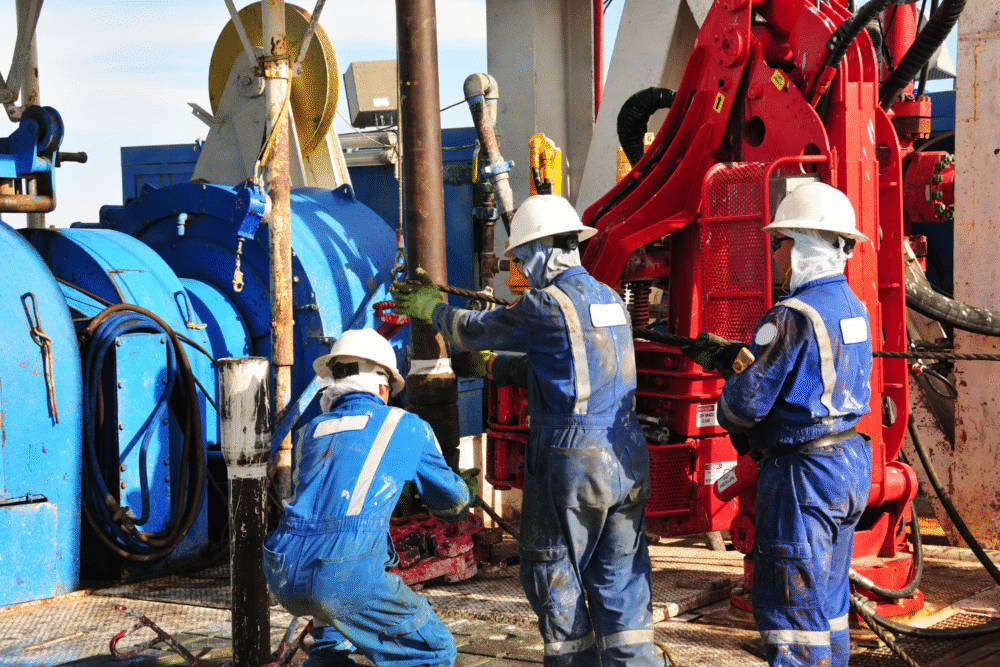
In the wake of the tragedy, Canada overhauled its offshore oil safety standards. The federal government created new agencies to oversee rig design, training, and emergency preparedness.
Companies were required to provide hands-on safety drills, redesign control systems, and ensure that critical compartments were watertight. These reforms extended beyond Canada—other offshore industries adopted similar standards, ensuring that the lessons of the Ocean Ranger would never be forgotten.
10. The Rig Was Eventually Located on the Ocean Floor
A few weeks after the sinking, search teams located the Ocean Ranger lying upside down on the seafloor, about 250 feet below the surface. Remotely operated cameras confirmed the platform had sustained catastrophic flooding and structural damage.
The site became both a memorial and a case study for marine engineers studying deep-water stability. While portions of the rig were later salvaged, much of it remains underwater—a silent reminder of the sea’s power and the limits of technology.
11. The Ocean Ranger’s Legacy Still Shapes Offshore Engineering
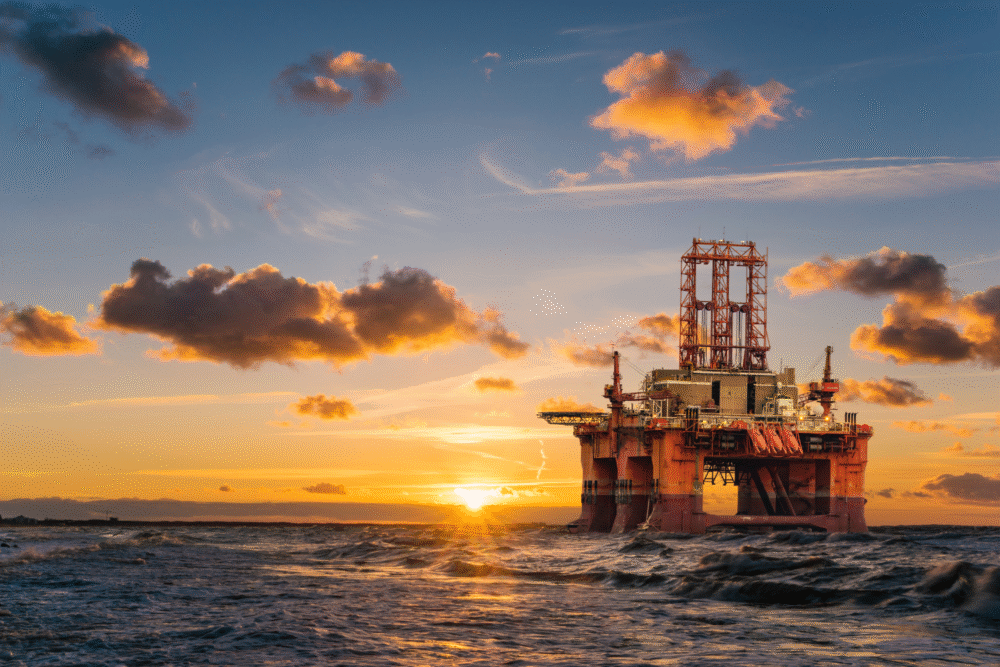
More than forty years later, the Ocean Ranger disaster continues to influence how offshore rigs are designed and operated. Modern platforms now feature reinforced control rooms, redundant power systems, and improved evacuation procedures.
Every anniversary, ceremonies in Newfoundland honor the 84 men who lost their lives. The Ocean Ranger’s story remains a sobering lesson in humility—a reminder that even the most advanced technology must yield to the unpredictable strength of the ocean.