
New clues from ancient caves reveal when the giant ape vanished and what ultimately doomed it.

Gigantopithecus blacki, the largest ape ever known, has long been a prehistoric mystery. We have teeth, a few jawbones, and a nagging question: how could an animal that massive simply vanish?
A study published in Nature tackled it by dating fossil teeth and the cave sediments around them from a network of caves in southern China. Using several modern dating techniques, the team pinned down the extinction window and compared it with signs of shifting habitats.
The picture that emerges is a slow squeeze, not a sudden disaster: climate-driven forest changes that left a huge, highly specialized ape with too few good options.
1. First, Scientists Had to Solve the “When,” Not Just the “Why”

For most extinct animals, we argue about “why.” With Gigantopithecus, scientists also had to argue about “when.” Many fossils were collected decades ago, often without the precise context modern studies rely on, so the timeline stayed fuzzy for years. That made the disappearance feel almost like folklore.
That fuzziness matters because climate and habitats in southern China shifted repeatedly over the last million years. If you’re off by 100,000 years, you can end up blaming the wrong environment—and missing the real pressure that built over generations.
2. The Breakthrough Came From Dating Teeth and Cave Sediments Together
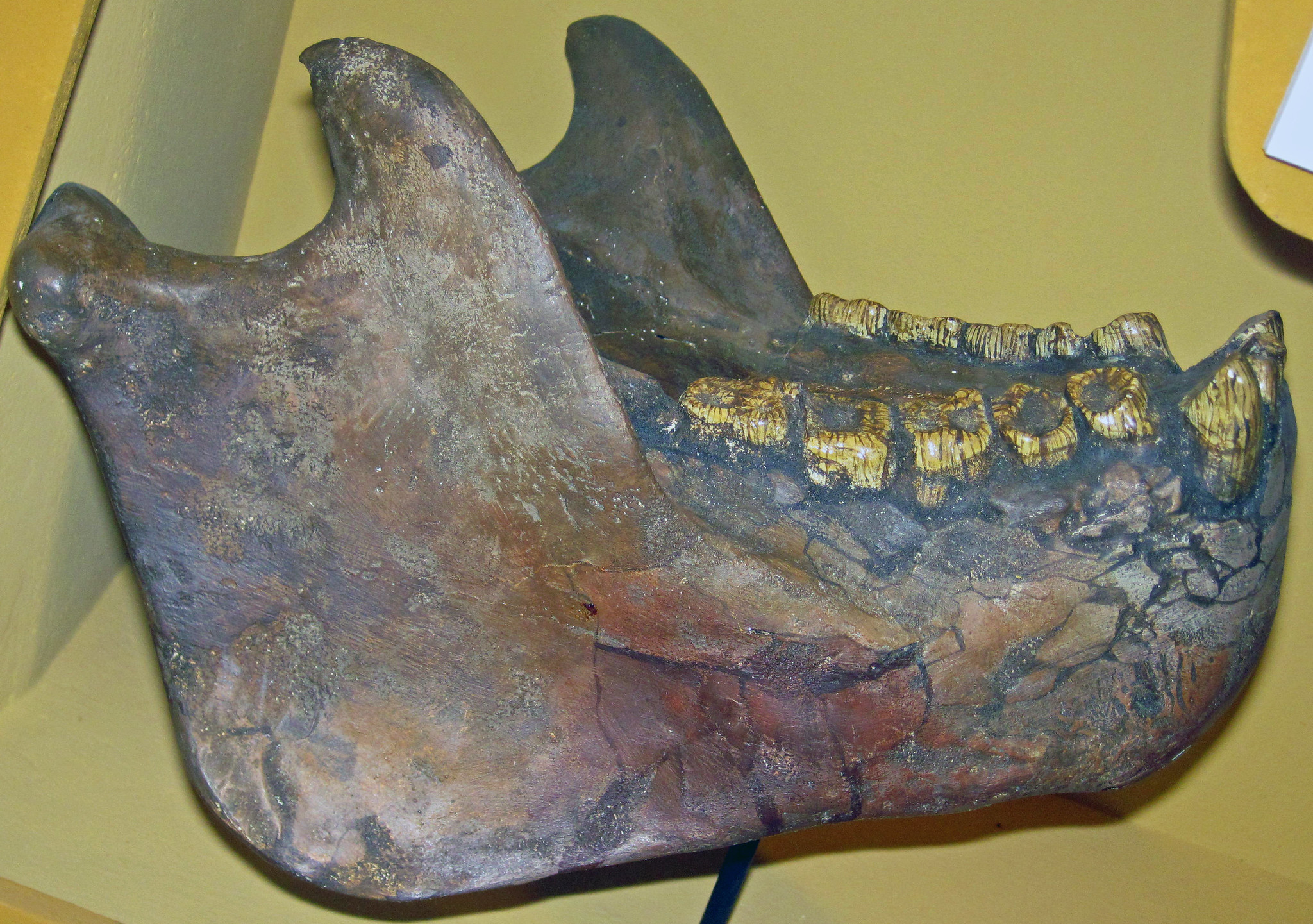
The team went back to the caves themselves, focusing on sites where Gigantopithecus teeth were found and nearby caves of similar age. They dated both the fossils and the sediments that held them, building a timeline from multiple angles instead of a single guess.
Across the cave network, the extinction window tightened to roughly 295,000 to 215,000 years ago. That’s later than some older estimates, and it places the ape’s final chapters during a stretch of big, messy environmental change.
3. Teeth Became the “Receipts” for How Life Was Getting Harder
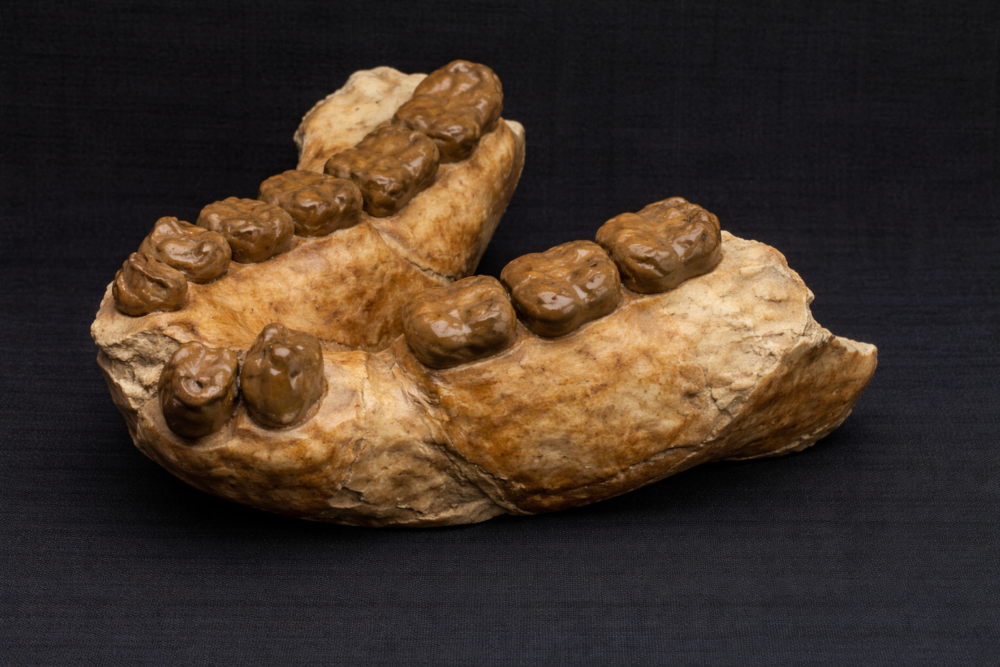
Teeth aren’t just “hard parts” that survive—they’re like tiny diaries. Wear patterns hint at what was eaten, and chemical signals can reflect shifting diets and stress. That’s why Gigantopithecus is mostly known through teeth, but teeth can still say a lot.
In the study, the latest teeth suggested the animals were leaning on a narrower menu and coping with tougher conditions. That kind of dietary cornering is a warning sign, especially for a giant body that needs lots of steady calories day after day.
4. The Climate Shift Was a Slow Trap, Not a Sudden Punch
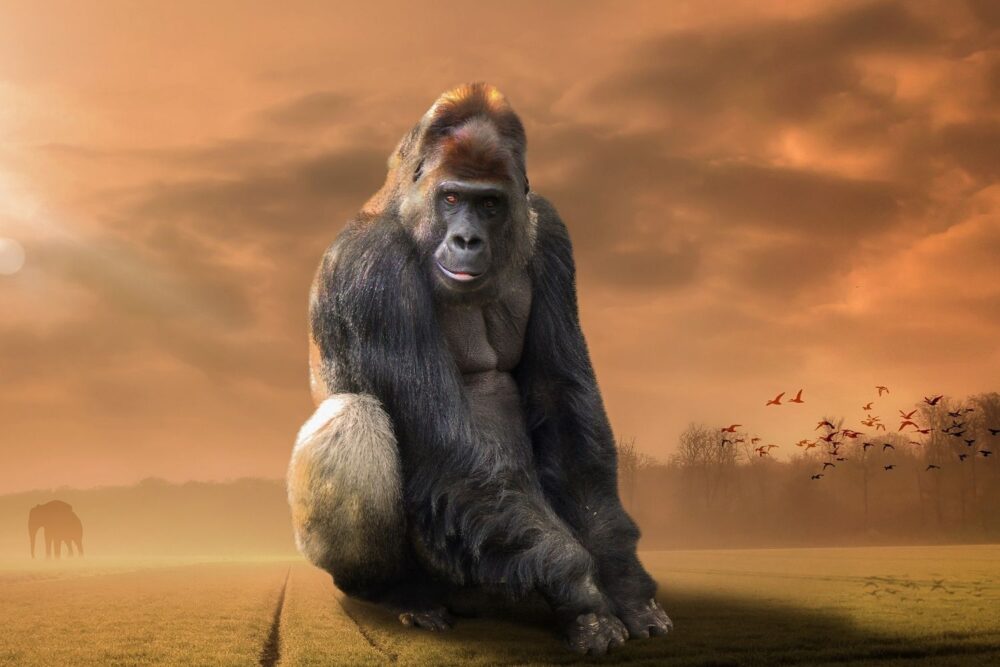
The climate story here is less about temperature alone and more about seasonality. Evidence from the caves points to stronger wet–dry swings over time, which reshaped what plants could thrive. When seasons intensify, the “easy” months matter more.
As forests became more patchy and less dependable, food sources likely got harder to predict and track. For a flexible forager, that’s inconvenient. For a specialized giant that depends on forest resources, it can turn one bad season into a recurring trap that never fully resets.
5. Other Apes Adapted—So Why Didn’t the Giant?
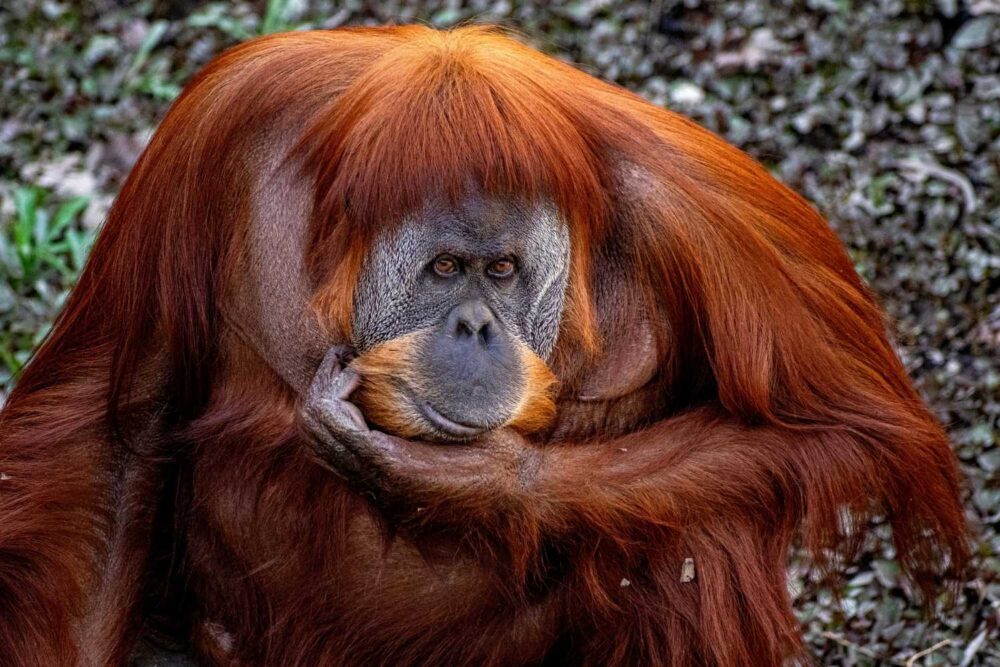
Gigantopithecus wasn’t the only great ape in the region. Orangutans and other primates faced the same environmental shifts, yet they made it through while the giant disappeared. So the question becomes: what was different about the giant?
The difference seems to be flexibility. Smaller-bodied apes could adjust diets, range efficiently through changing landscapes, and exploit new foods when staples failed. Gigantopithecus, by contrast, appears to have been more locked into particular forest resources, so change hit it like a closed door—and it didn’t have a spare key.
6. The New Dating Work Makes the Whole Story Click Into Place
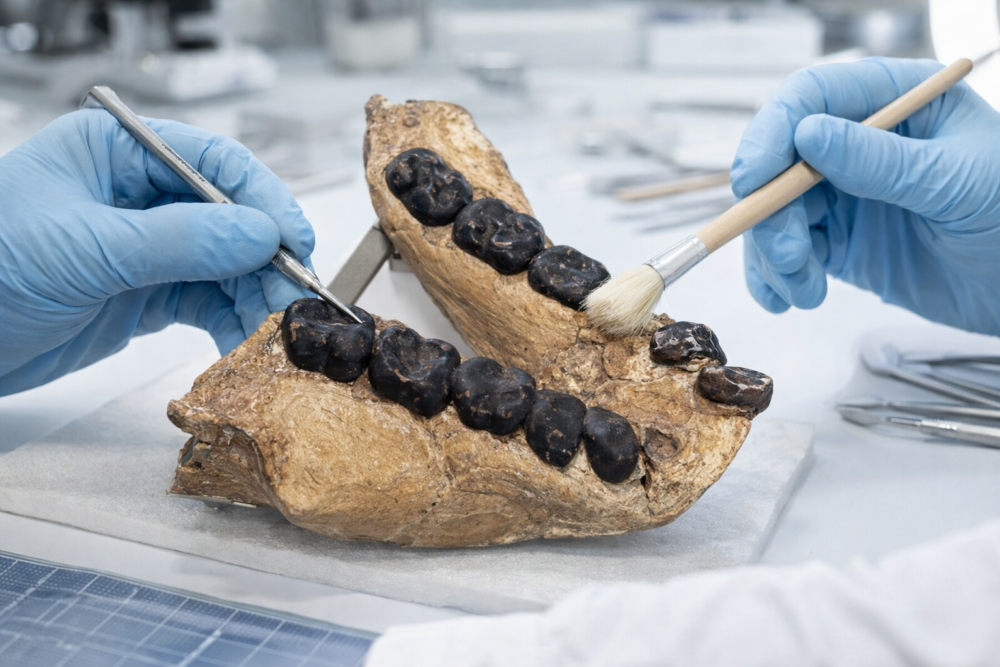
The new dating work is the key that makes the rest of the argument believable. The team combined ages from fossil teeth with ages from cave sediments, using multiple methods to cross-check the same layers.
That tighter clock matters because it lines the ape’s final presence up with a documented shift toward more seasonal, more variable habitats in southern China. In other words, the “when” and the “world” finally match.
Once those pieces line up, the extinction looks less mysterious: a massive, specialized primate losing stable forests, facing food stress, and having too little flexibility to recover.
7. Size Turned From Superpower to Problem
Big bodies come with big constraints. A huge primate needs a steady pipeline of calories, and it can’t easily “live small” when conditions get rough or food becomes seasonal. Even small shortages add up fast at that size.
If preferred foods decline, the animal has to range farther, switch diets, or both. The evidence suggests Gigantopithecus struggled to do that efficiently, so every bad season likely hit harder, lasted longer, and left less energy for reproduction and recovery across the population.
8. Extinction Didn’t Need a Disaster—Just Enough Bad Years in a Row
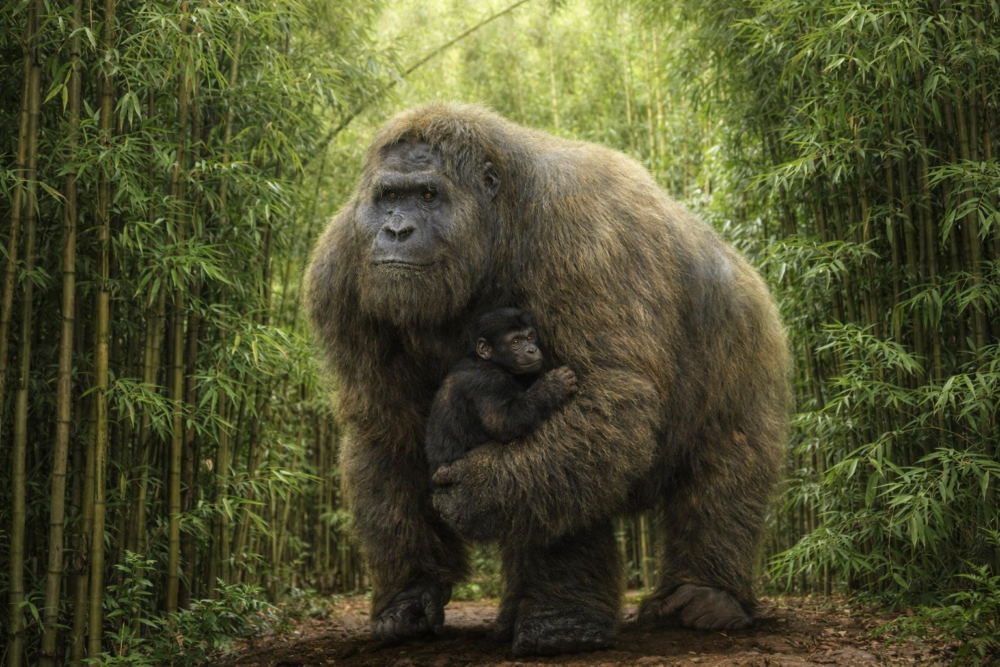
One of the most sobering parts of this research is how ordinary the mechanism is. No asteroid, no volcano, no single villain—just habitat change piling up year after year until the math stops working. That’s often how extinctions really happen.
As forests thinned, the ape likely spent more time searching and less time feeding, which is a brutal trade-off for something so large. Over generations, chronic stress like that can shrink populations quietly, making extinction feel sudden only because we notice it late in the record.
9. When Conditions Tighten, Specialization Becomes a Cage
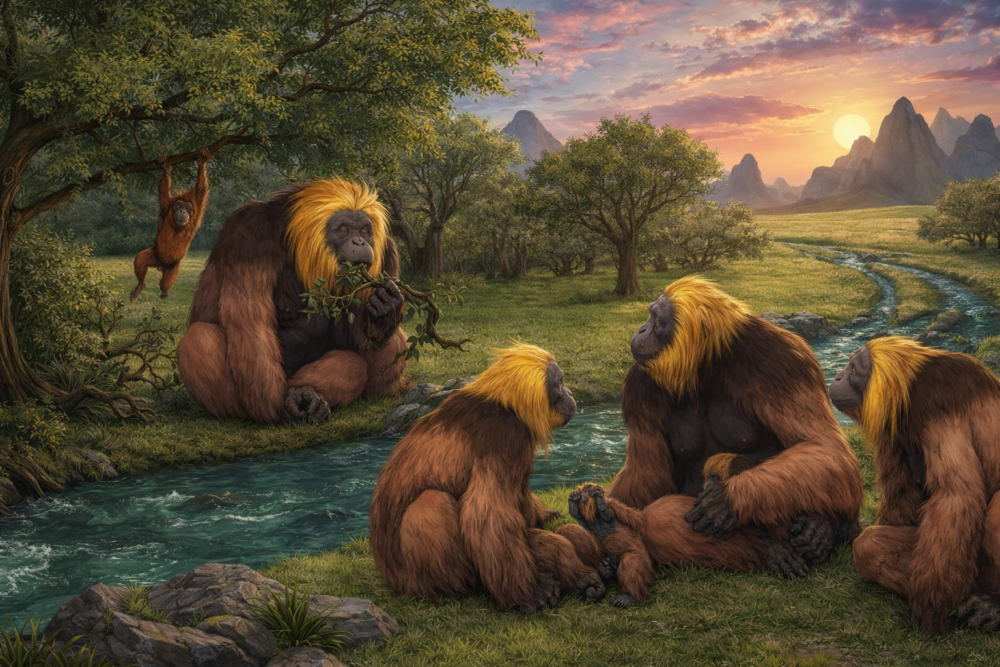
The study also hints at behavior under pressure. As conditions worsened, Gigantopithecus may have doubled down on familiar foods instead of experimenting widely, which can happen when an animal is built for one way of life. It’s a survival move—until it isn’t.
It’s a very relatable problem: sticking with what worked before because it used to be reliable. But when the landscape changes faster than your strategy, loyalty to the old menu becomes a liability, not a comfort, and options vanish fast for a slow-adapting species.
10. Why Researchers Trust This Answer More Than Older Theories
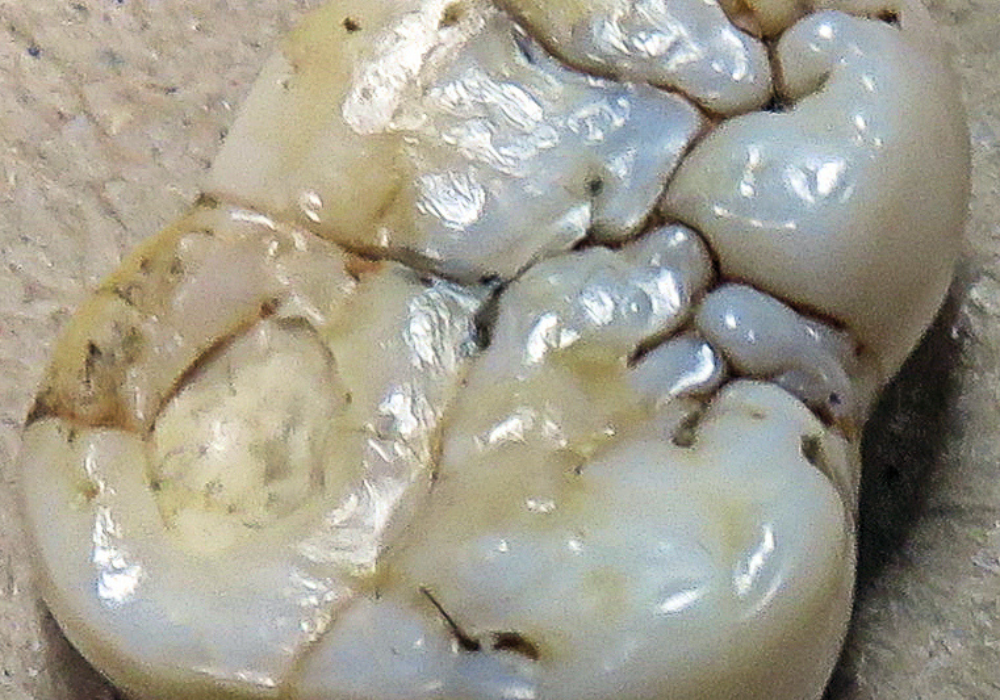
Researchers were careful about what they claimed. The fossils are mostly teeth, so nobody is pretending we have a full documentary of its last days or a single smoking gun. That caution is part of what makes the work credible.
But the strength here is convergence: improved dating, sediment records, and signals from teeth all point the same direction. When independent lines of evidence agree on timing and environment, it’s usually a sign you’re finally circling the real explanation, not chasing noise from one dataset.
11. The Real “Mystery” Was How Long It Held On Before It Couldn’t
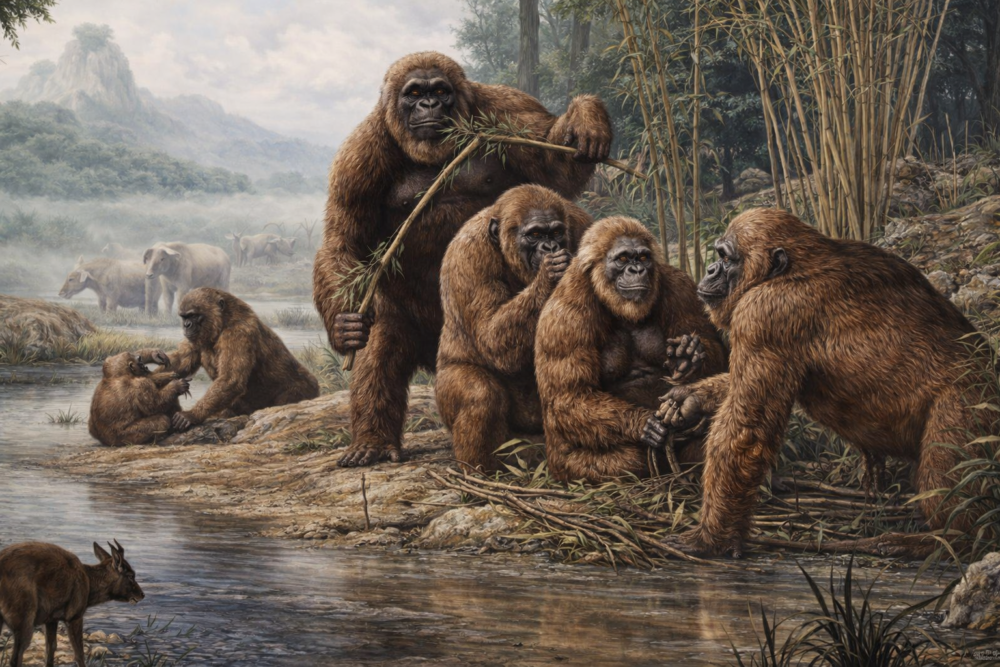
Gigantopithecus blacki isn’t just a prehistoric curiosity—it’s a case study in vulnerability. Being enormous worked great in stable, food-rich forests, until those forests stopped being stable. Then the same traits that helped it thrive became baggage.
The uncomfortable takeaway is that specialization can look like dominance right up until conditions shift. That’s why scientists care about this extinction story today: it shows how climate-driven habitat change can rewrite the rules, and how size and rigidity can become a trap when the world gets variable.