
From meteor showers to eclipses, 2026 offers plenty of reasons to look up.
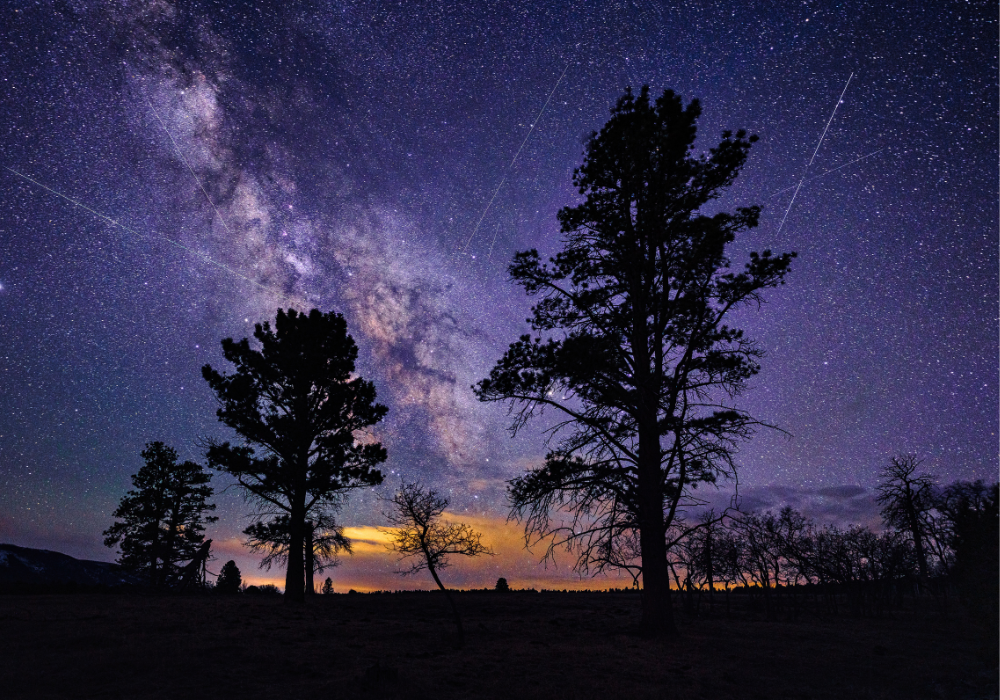
Every year brings its own rhythm to the night sky, but 2026 stands out as a particularly rewarding year for anyone who enjoys looking up. From reliable annual meteor showers to rare eclipses visible from populated parts of the world, the coming year offers a mix of predictable favorites and standout moments that don’t come around often.
Many of these events require no special equipment, just clear skies and a bit of planning. What makes stargazing in 2026 especially appealing is how accessible much of it will be. Several major events align with favorable viewing conditions, and one highly anticipated eclipse will draw global attention.
Whether you’re a casual skywatcher or someone who plans nights around celestial calendars, these are the stargazing moments worth marking ahead of time.
Click through and mark your calendar for some spectacular night sky shows.
1. The Quadrantid meteor shower kicks off the year
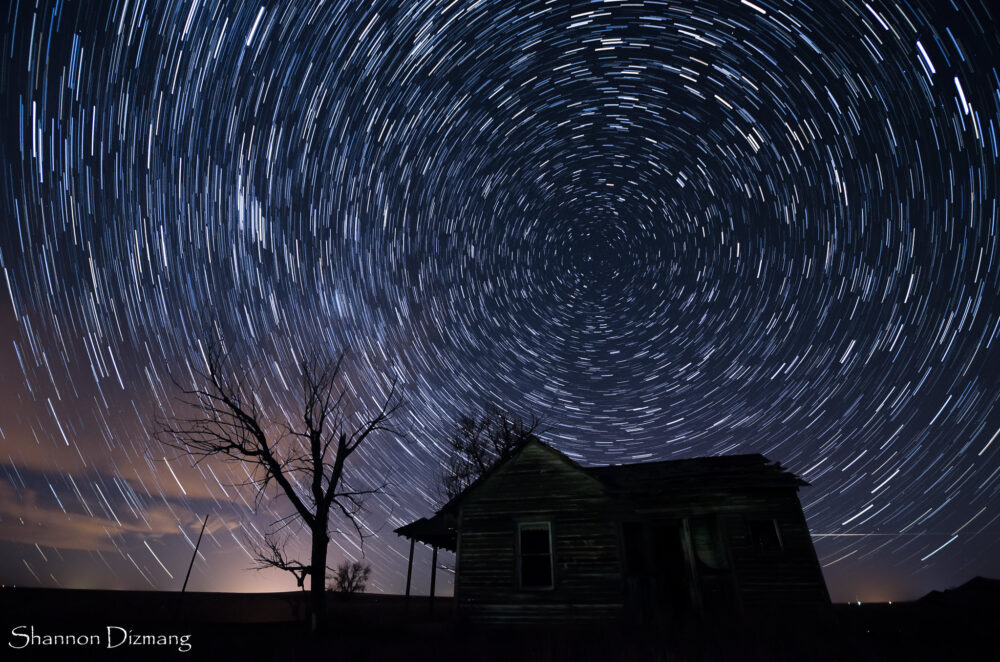
The year begins with the Quadrantid meteor shower in early January. While short-lived compared with other showers, it is known for producing bright meteors and occasional fireballs.
Peak activity typically lasts only a few hours, making timing important. When conditions cooperate, the Quadrantids can rival much more famous meteor showers for intensity, especially under dark skies.
Follow us and access great exclusive content every day
2. Spring brings planetary pairings and quiet skies
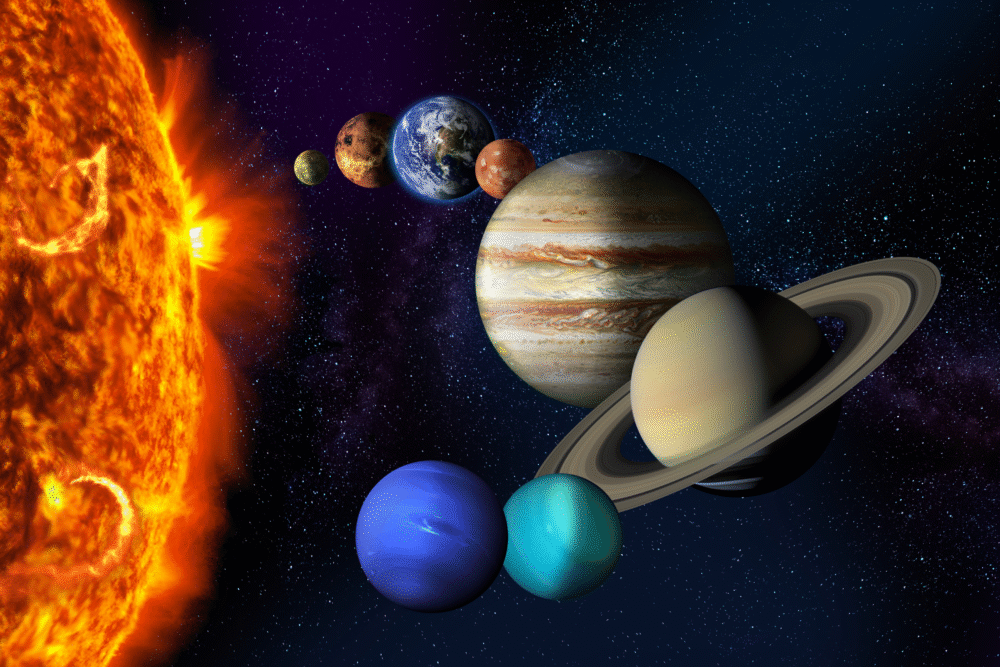
Spring months are generally calmer for meteor activity, but they offer excellent opportunities for observing planets. Venus, Mars, Jupiter, and Saturn frequently appear in close groupings or striking alignments during this time.
These events don’t require precise timing and are easy to enjoy with the naked eye. Clear evenings during spring often provide steady viewing conditions before summer heat and haze arrive.
3. A total solar eclipse draws global attention in August
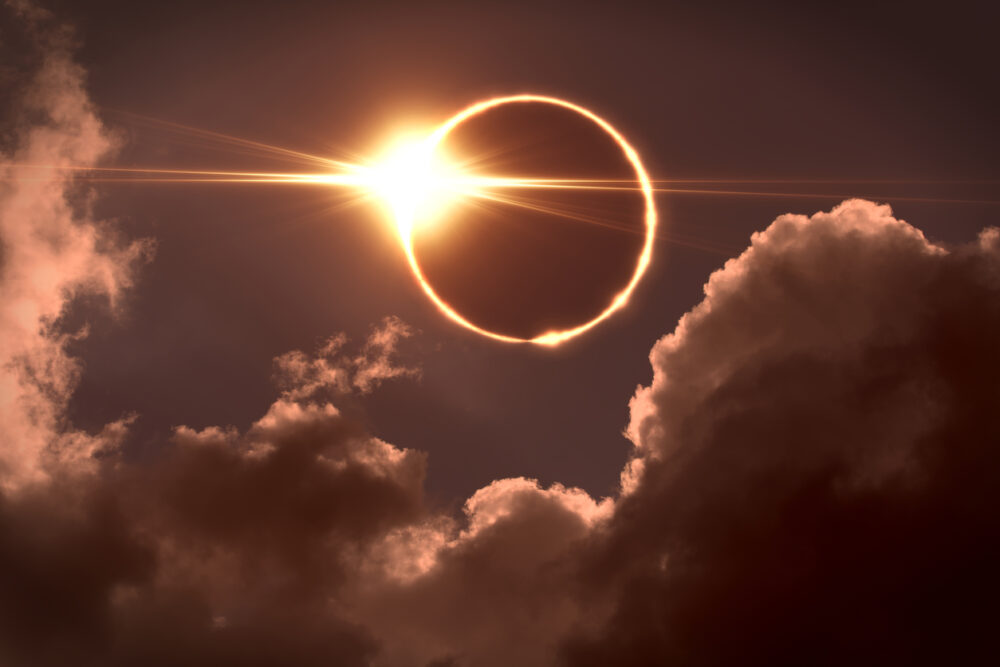
One of the most significant astronomical events of 2026 is a total solar eclipse in mid-August. The path of totality will pass over parts of Greenland, Iceland, and northern Spain, with partial views visible across much of Europe and surrounding regions.
Total solar eclipses are rare for any given location, making this one especially notable for observers in Europe. During totality, daylight briefly turns to darkness, temperatures drop, and the Sun’s outer atmosphere becomes visible.
Follow us and access great exclusive content every day
4. Summer meteor showers return with dependable favorites
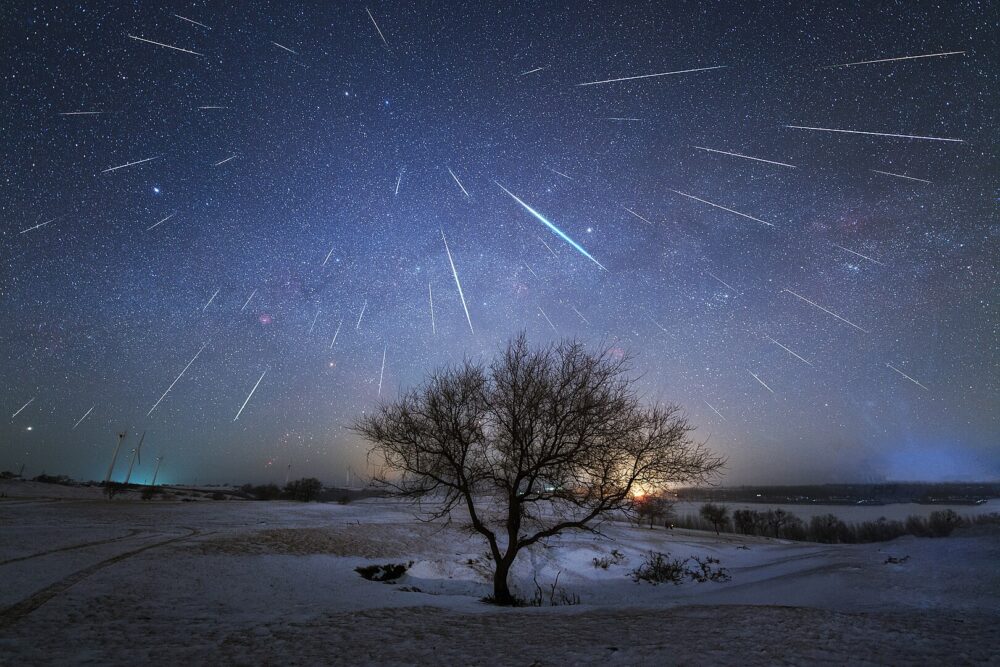
As summer progresses, stargazing activity picks up. The Perseid meteor shower peaks in August and remains one of the most popular events of the year due to its warm nights and frequent meteors.
Under good conditions, observers can see dozens of meteors per hour. The Perseids are known for bright streaks that leave lingering trails, making them especially photogenic and memorable.
5. Why the Perseids remain the most watched shower year after year

The Perseids deserve extra attention because they combine several factors that make them ideal for a wide audience. They peak during summer when people are more likely to be outdoors, and they produce consistently bright meteors that are easy to spot even from suburban areas.
In 2026, viewing conditions are expected to be reasonably favorable around the peak, increasing the chances of a rewarding display. Unlike some meteor showers that require patience and dark skies, the Perseids tend to deliver noticeable activity throughout the night.
They also serve as an entry point for new stargazers. Many people see their first meteor shower during the Perseids, making it one of the most shared astronomical experiences worldwide.
6. Autumn offers lunar eclipses and changing skies
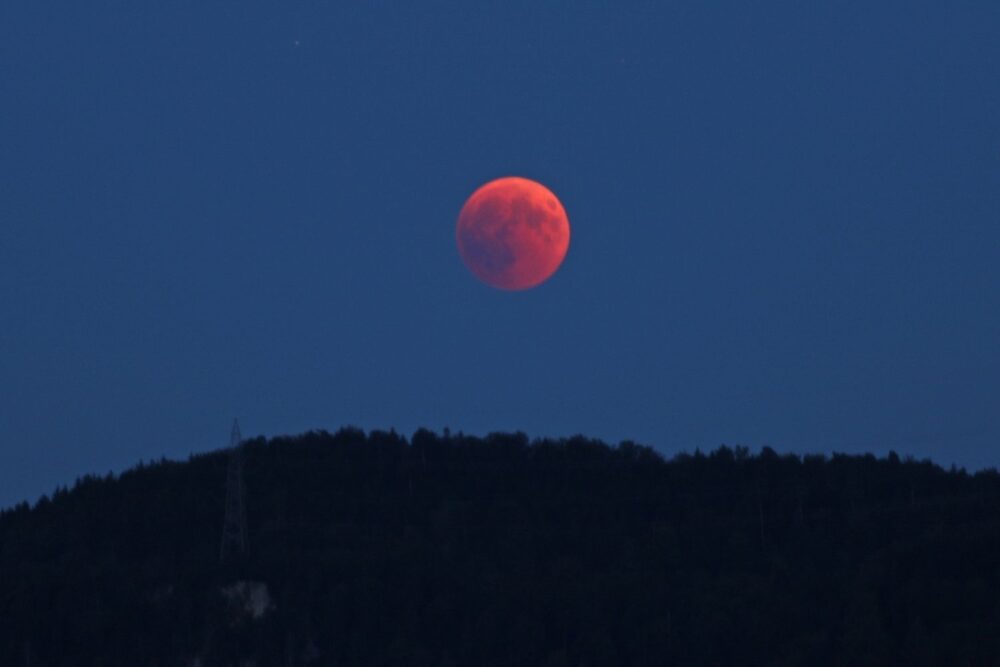
Autumn often brings lunar eclipses, which are visible over wide regions and unfold slowly enough to watch without rushing. Unlike solar eclipses, lunar eclipses are safe to view without special protection.
As the Moon moves through Earth’s shadow, it can take on deep red or copper tones. These events offer a quiet, reflective kind of stargazing that contrasts with fast-moving meteor showers.
Follow us and access great exclusive content every day
7. Planetary visibility improves as nights grow longer
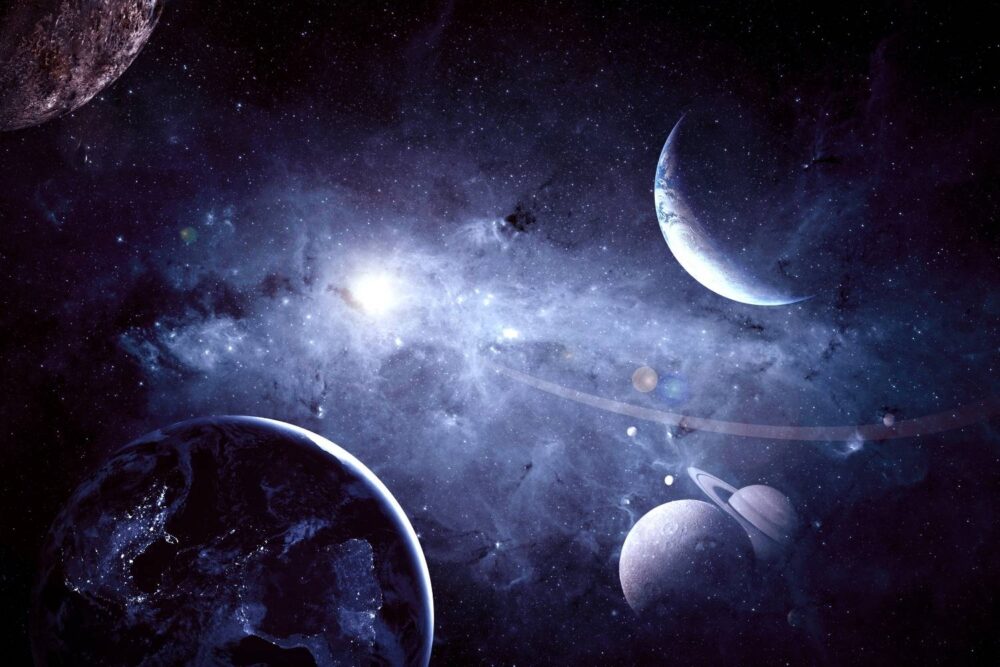
As days shorten, planets become easier to observe for longer periods each night. Jupiter and Saturn often dominate autumn skies, appearing brighter and higher above the horizon.
Longer nights mean more opportunities for casual viewing, even on weeknights. Binoculars or small telescopes can reveal moons, rings, and surface details that deepen the experience.
8. The Orionid meteor shower lights up October skies
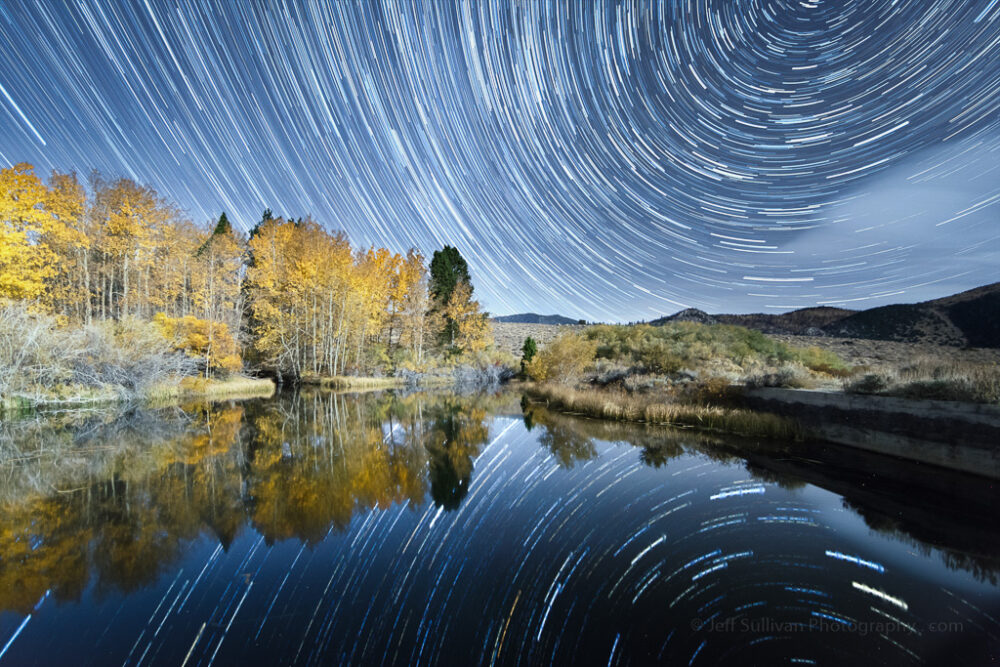
October brings the Orionid meteor shower, associated with debris from Halley’s Comet. While typically less intense than the Perseids, Orionids are known for fast, bright meteors.
The shower peaks in mid to late October and benefits from darker skies and cooler temperatures. It’s a favorite among dedicated observers who enjoy quieter, less crowded stargazing sessions.
9. Winter constellations return in dramatic fashion
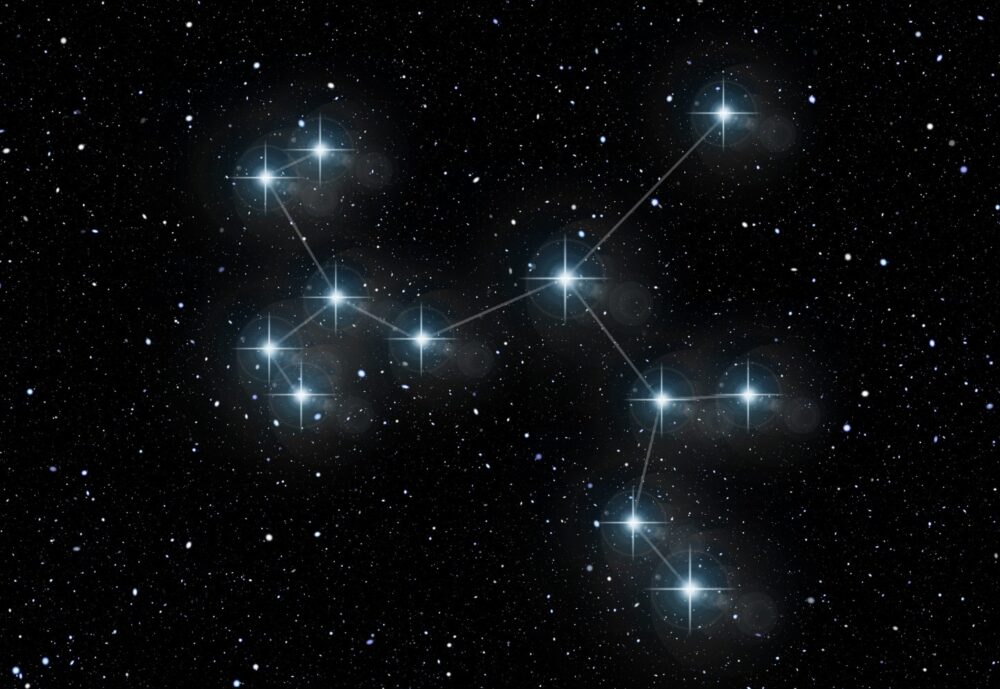
Late in the year, iconic constellations such as Orion, Taurus, and Gemini dominate the night sky. These star patterns are rich in nebulae, star clusters, and bright stars.
Winter skies are often clearer and steadier, making them ideal for deep-sky observing. Even without equipment, the contrast and brightness of winter constellations make them visually striking.
Follow us and access great exclusive content every day
10. The Geminid meteor shower closes out the year
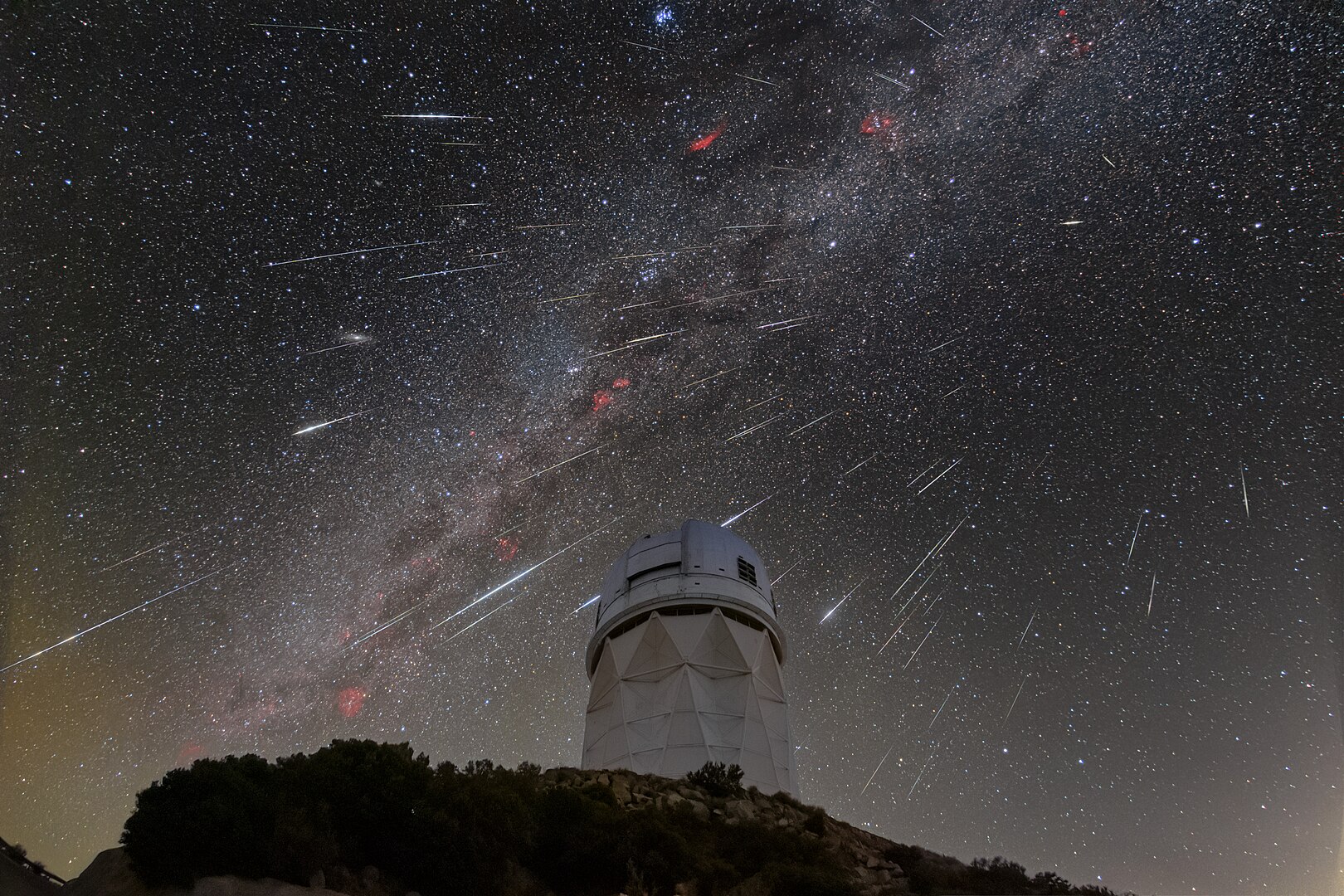
December’s Geminid meteor shower is often considered the most reliable and intense of the year. Unlike many showers, Geminids are known for slower, brighter meteors that appear in large numbers.
Cold temperatures can make viewing challenging, but those who bundle up are often rewarded with one of the best meteor displays of the year. It’s a fitting finale to a strong stargazing calendar.
11. Why planning ahead makes stargazing more rewarding

Stargazing isn’t just about luck. Knowing when major events occur increases the chances of seeing something memorable. In 2026, several events benefit from advance planning, whether it’s traveling for an eclipse or choosing the right night for meteor watching.
With minimal preparation, the night sky offers moments of wonder that connect people across cultures and generations. The events of 2026 are reminders that some of the most impressive experiences are still free, shared, and written overhead.