
Overflowing landfills and scarce resources could turn waste into one of the world’s next big flashpoints.
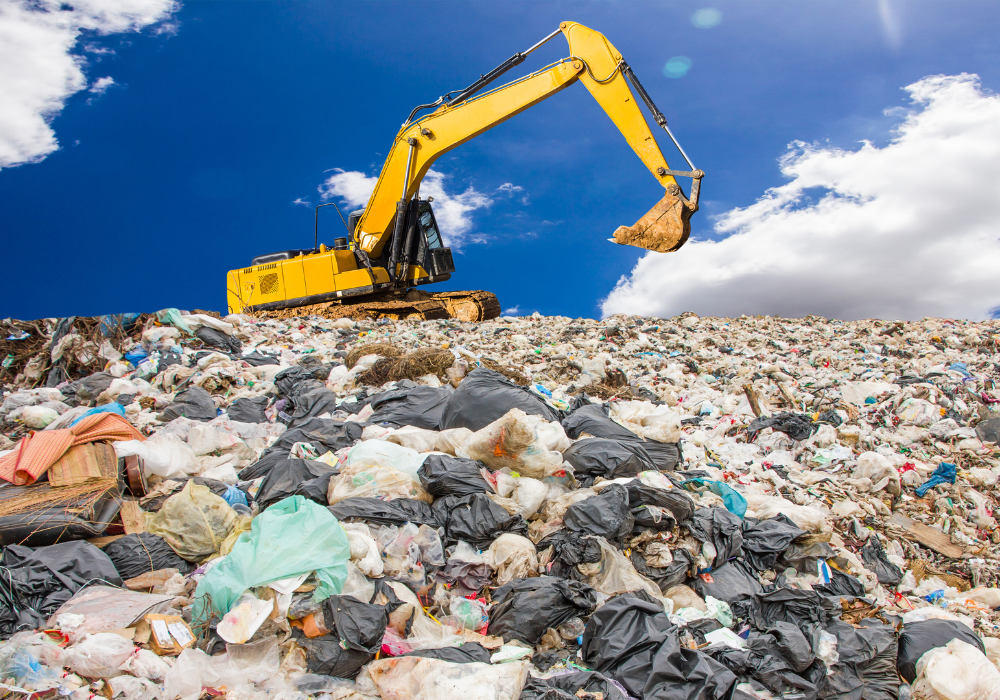
A global crisis is building that could reshape international relations and trigger conflicts we’ve never seen before. The world produces over 2 billion tons of waste every year, and that number is exploding as developing countries get wealthier and consume more.
What makes this truly dangerous isn’t just the sheer volume of garbage we’re creating. It’s the fact that wealthy nations are running out of places to dump their waste, while poorer countries are drowning in toxic materials they never wanted in the first place.
When basic resources like clean water and livable land become scarce because of waste contamination, history shows us that people fight back. We’re approaching a tipping point where trash could literally become a matter of national security.
1. Rich countries ship millions of tons of toxic waste to poor nations every year.
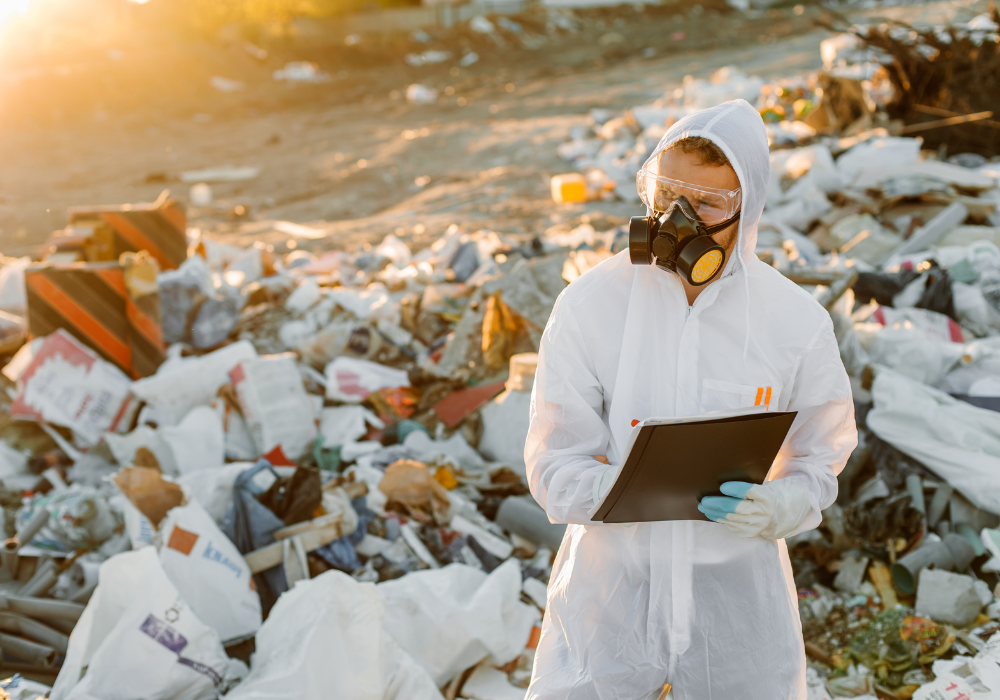
For decades, wealthy nations have solved their waste problems by simply shipping garbage to developing countries under the guise of “recycling.” The U.S. alone exports about 1 million tons of plastic waste annually, much of it ending up in Southeast Asia, Africa, and Latin America. These countries often lack the infrastructure to properly process this waste, so it ends up in massive dumps, rivers, and coastal areas.
This isn’t just regular household trash – we’re talking about electronic waste containing mercury and lead, contaminated plastics, and industrial chemicals that poison soil and water. Countries like Malaysia, Thailand, and Kenya are pushing back hard, banning imports and sending shipments back to sender. As more nations refuse to be the world’s dumping ground, wealthy countries are running out of options for their mounting waste problem.
2. Electronic waste contains enough precious metals to fight over.
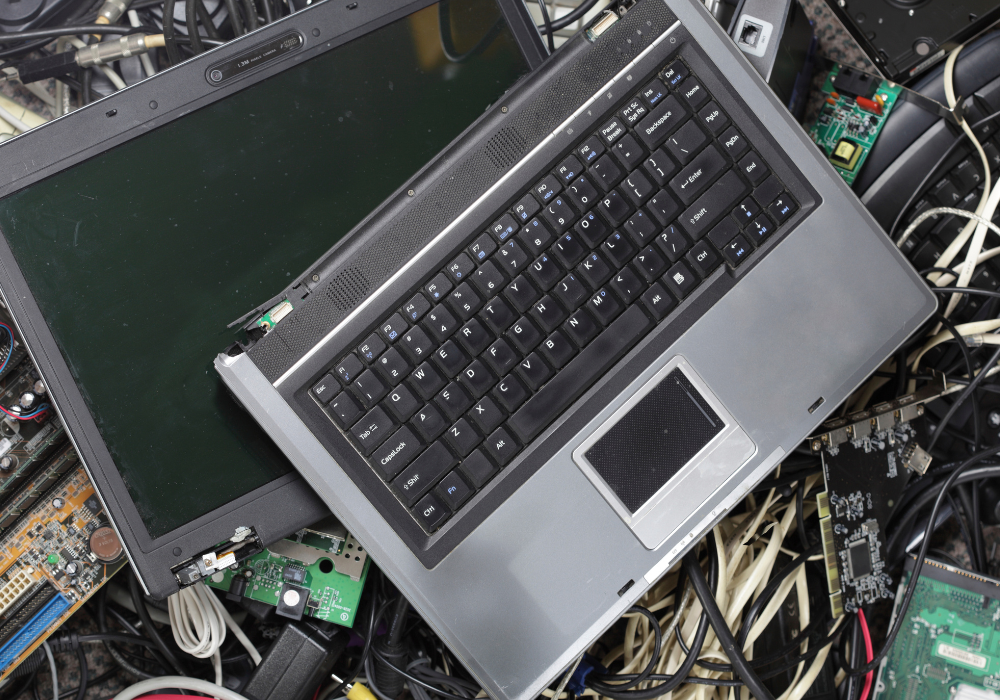
The world’s electronic waste contains more gold, silver, and rare earth metals than many actual mines. A single smartphone contains over 60 different elements, including platinum, palladium, and lithium that are essential for modern technology. With billions of devices being thrown away every year, we’re literally throwing away fortunes while also creating environmental disasters.
Countries are starting to view e-waste as a strategic resource worth controlling. China has been buying up e-waste processing facilities globally, giving them access to the valuable materials inside old electronics. As these metals become scarcer and more expensive to mine, nations that control e-waste processing could have significant leverage over countries that depend on these materials for their tech industries.
3. Plastic waste is choking major shipping lanes and fishing zones.
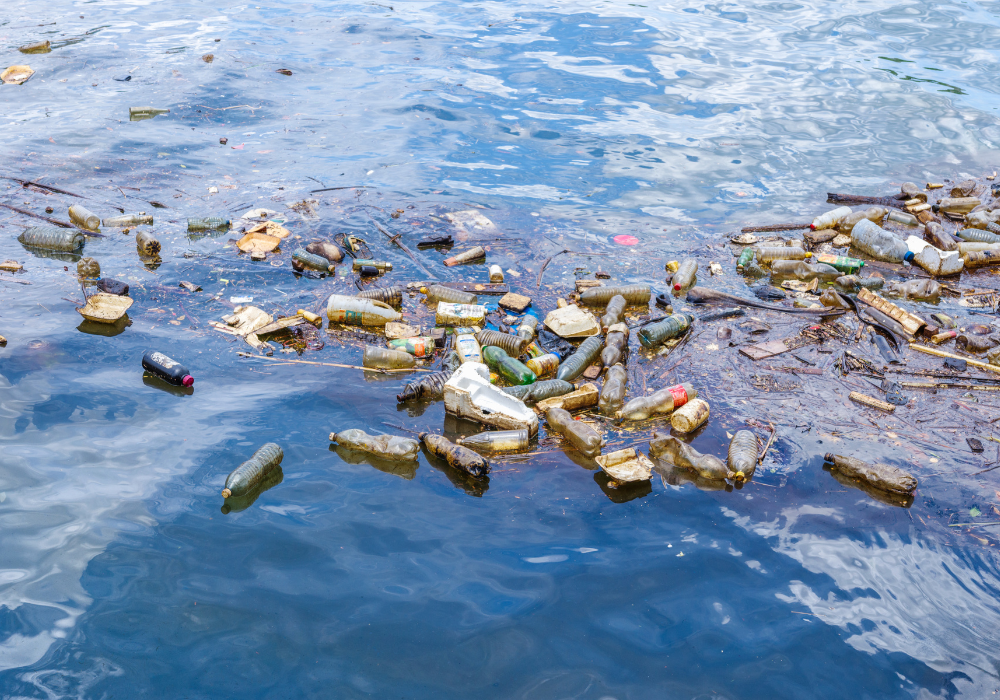
The Great Pacific Garbage Patch is now twice the size of Texas and growing, but it’s not the only massive waste accumulation in our oceans. Similar garbage patches exist in the Atlantic, Indian, and other Pacific regions, creating navigation hazards for ships and destroying marine ecosystems that entire nations depend on for food and economic survival.
Small island nations and coastal countries are seeing their fishing industries collapse as plastic pollution makes fish unsafe to eat or drives them away entirely. When a country’s primary food source and economic engine disappears because of waste from other nations, diplomatic tensions rise quickly. Pacific Island nations are already demanding compensation from major plastic-producing countries for the damage to their waters and economies.
4. Landfills near major cities are reaching dangerous capacity levels.
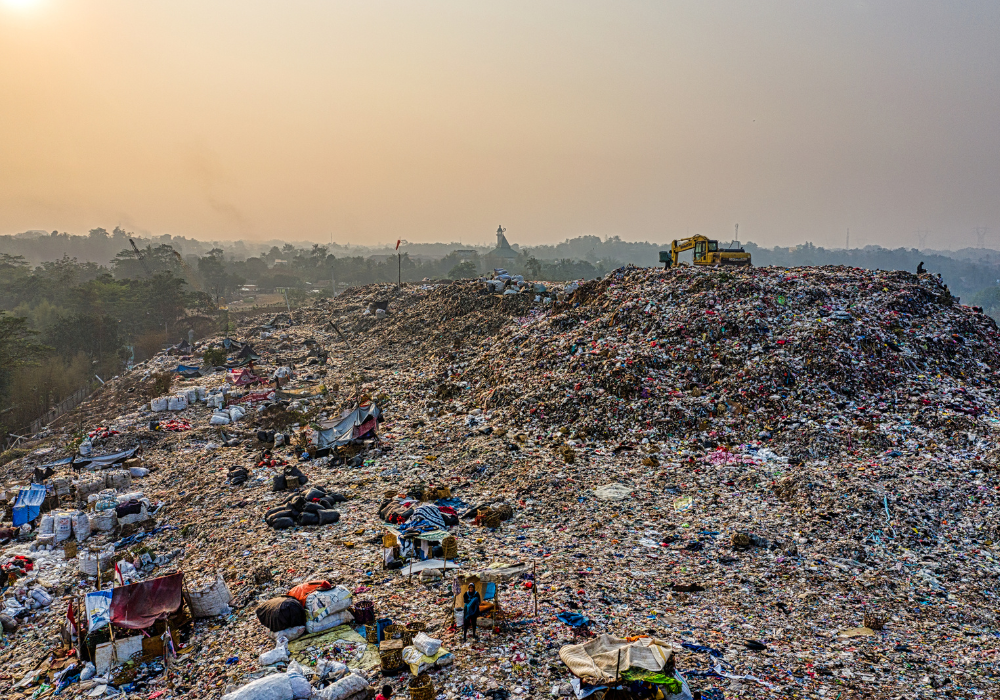
Cities like Delhi, Lagos, and Mexico City are facing landfill crises that could trigger social unrest within years. These massive waste sites are not just full – they’re overflowing into neighborhoods, contaminating water supplies, and creating health emergencies for millions of people. When basic services like waste collection break down, cities can quickly descend into chaos.
The competition for new landfill sites is already causing conflicts between communities, states, and even countries. No one wants a mega-dump in their backyard, but the trash has to go somewhere. As prime locations for waste disposal become scarce, expect to see more heated disputes over where to put the garbage that keeps piling up faster than anyone can process it.
5. Water supplies are being poisoned by leaking waste dumps worldwide.

Landfills and illegal dump sites are contaminating groundwater that billions of people depend on for drinking, cooking, and agriculture. In many developing countries, waste dumps sit directly on top of aquifers with no protective barriers, allowing toxic chemicals to seep into water supplies that serve entire regions. This contamination can last for generations.
Water wars are already happening in places like India and parts of Africa, where different groups fight over access to clean water sources. When waste contamination makes large water supplies unusable, these conflicts will intensify and spread. Countries downstream from major waste sites are already accusing upstream neighbors of poisoning their water, creating diplomatic crises that could escalate into armed conflicts.
6. Recycling systems are collapsing under the weight of too much waste.
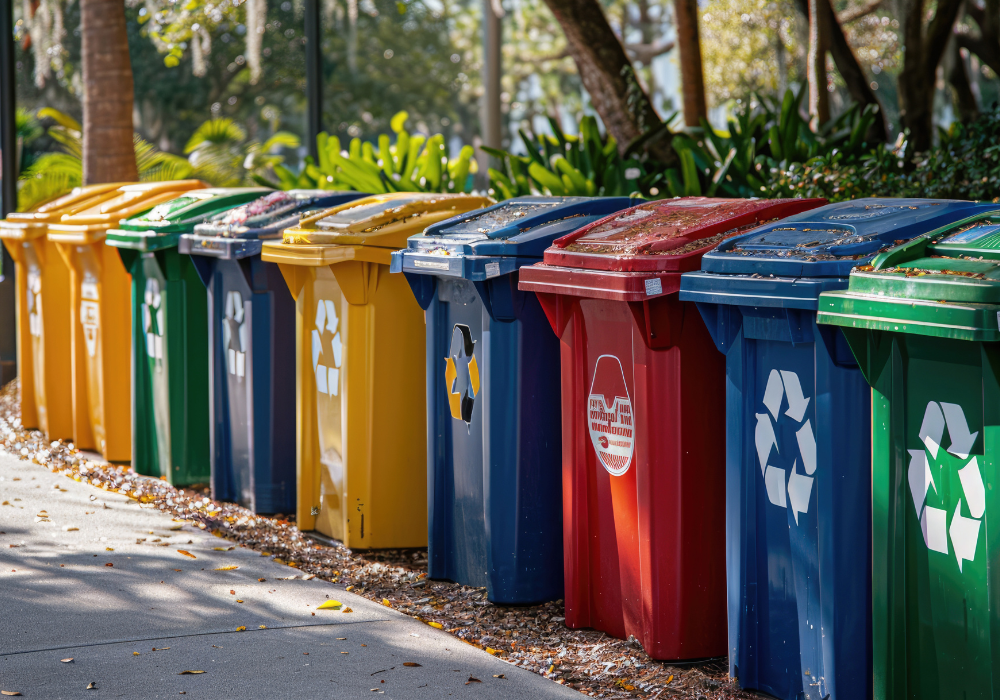
China’s decision to stop accepting most foreign waste in 2018 broke recycling systems worldwide, but that was just the beginning. Many countries built their waste management around shipping problems elsewhere, and now they’re scrambling to deal with materials they never had infrastructure to handle. Recycling facilities are overwhelmed, and much of what people think is being recycled is actually just going to landfills.
This recycling crisis is forcing countries to confront the true cost of their consumption, and some are not handling it well. Trade disputes are erupting as nations refuse each other’s waste shipments, leaving tons of garbage stranded at borders. The breakdown of international waste trade agreements could trigger broader economic conflicts as countries struggle to manage their mounting trash problems.
7. Illegal dumping is turning border regions into environmental war zones.
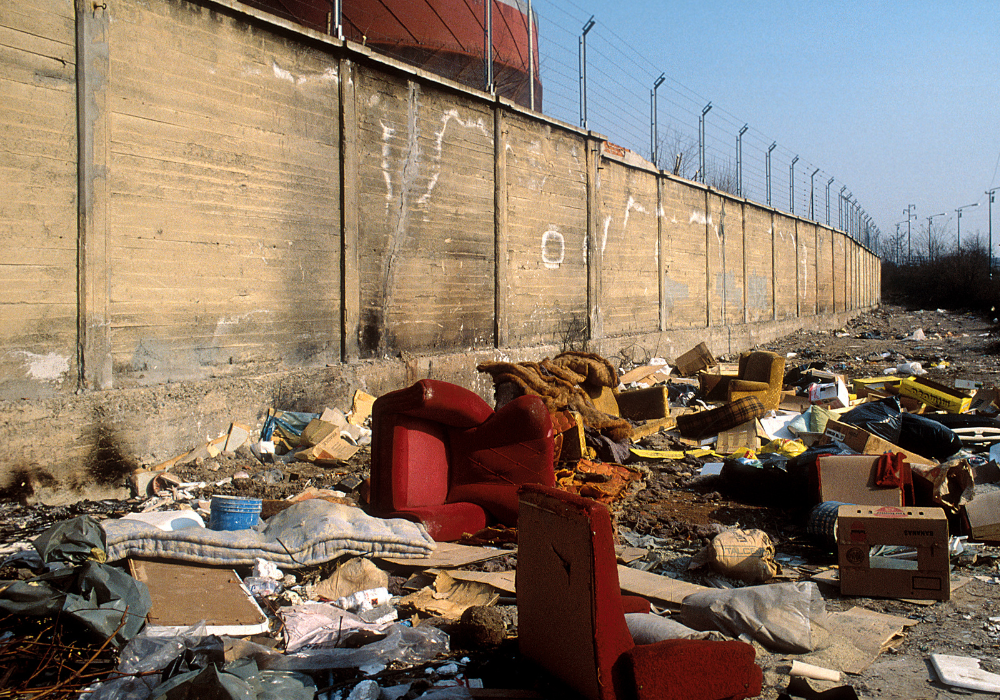
Criminal organizations are making billions by illegally dumping waste across international borders, creating environmental disasters that can destabilize entire regions. These operations often involve corruption at the highest levels of government and can fund other criminal activities including weapons trafficking and human smuggling. When governments can’t or won’t stop illegal dumping, communities sometimes take matters into their own hands.
Border areas between rich and poor countries are becoming battlegrounds over waste dumping, with local communities, environmental activists, and sometimes military forces clashing with waste traffickers. Mexico, Eastern Europe, and parts of Africa are seeing increased violence related to illegal waste operations. As these criminal enterprises grow more profitable and bold, the conflicts around them are likely to escalate.
8. Climate change makes waste problems exponentially worse everywhere.
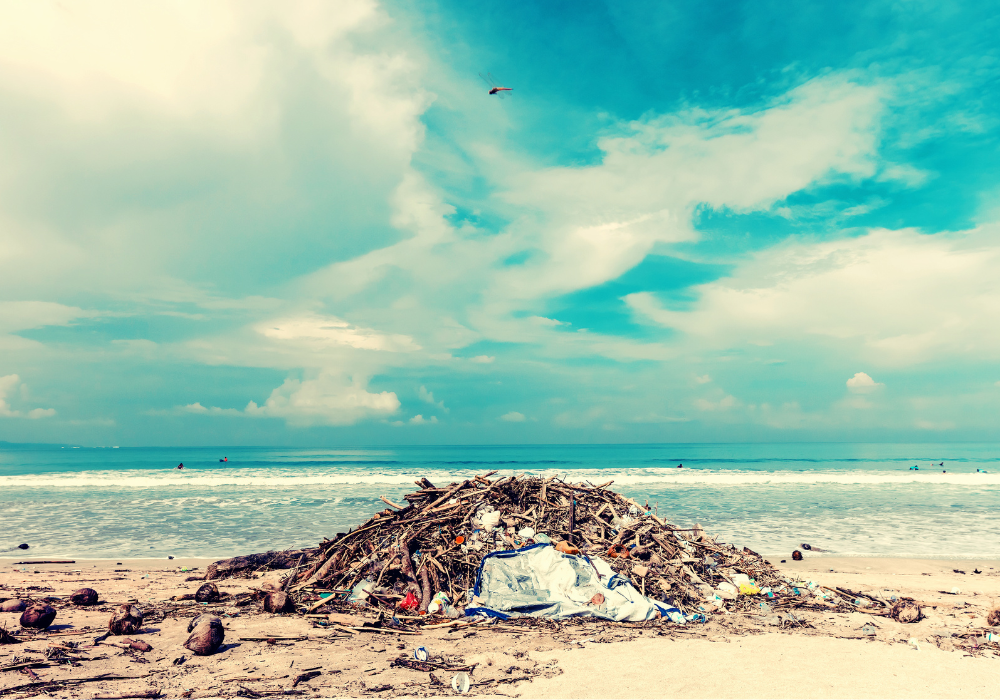
Rising sea levels are washing waste from coastal dumps back into cities and farmland, spreading contamination far beyond original disposal sites. Extreme weather events like hurricanes and floods are turning landfills into toxic soup that spreads for miles, poisoning everything in its path. What used to be contained waste problems are becoming regional disasters.
Droughts are concentrating toxic chemicals in water sources, while floods are carrying waste into areas that were previously clean. Countries dealing with climate refugees are also inheriting their waste problems, straining already overwhelmed disposal systems. As climate change intensifies, waste-related conflicts will multiply as contamination spreads beyond borders and affects multiple countries simultaneously.
9. Space junk threatens satellite systems that modern warfare depends on.

There are over 130 million pieces of space debris orbiting Earth, and the problem is getting worse every time we launch more satellites or have collisions in orbit. This space trash travels at 17,000 mph, fast enough to destroy any satellite or spacecraft it hits. Countries are becoming increasingly protective of their orbital space as it becomes more crowded and dangerous.
Military satellites that handle communications, GPS, and surveillance are particularly vulnerable to space debris, making this a national security issue. Countries are already developing weapons to destroy other nations’ satellites, and space junk gives them plausible deniability – was that satellite destroyed by debris or by an enemy weapon? As space becomes more militarized, orbital trash could provide cover for the first shots of space-based conflicts.
10. Toxic waste sites are becoming terrorist targets and security nightmares.
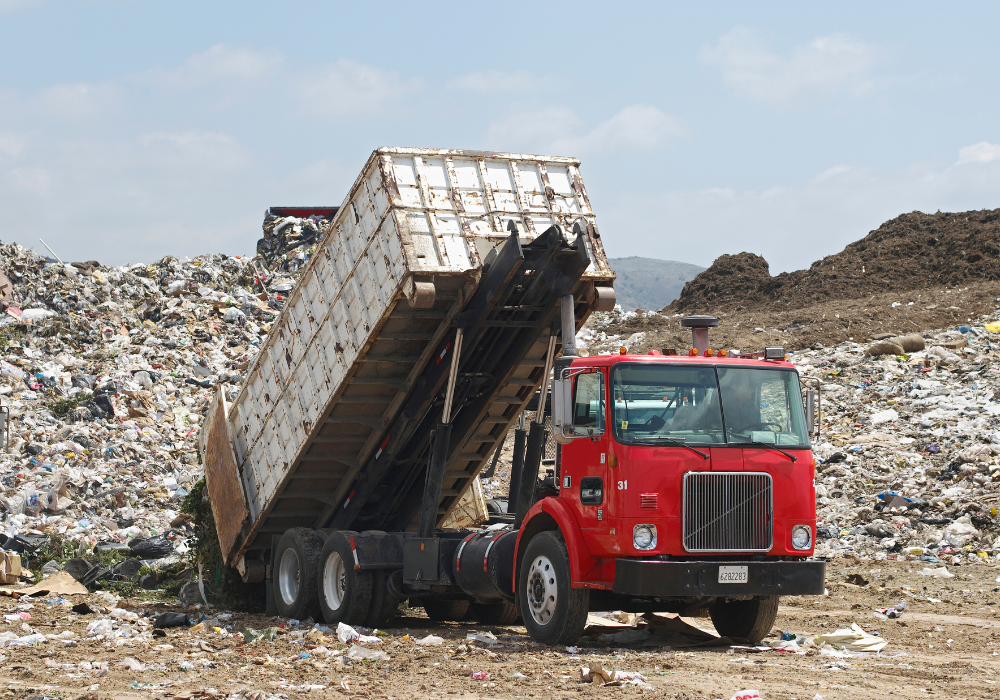
Large waste facilities storing hazardous materials are essentially weapons of mass destruction waiting to be triggered. A coordinated attack on major waste sites could release toxic chemicals that would make areas uninhabitable for generations. Security experts are increasingly worried about these facilities as terrorism targets, especially those near major population centers.
Countries are spending billions to secure waste sites that were never designed with security in mind. International disputes are arising over waste facilities near borders, with nations demanding their neighbors improve security or relocate dangerous waste storage. The cost of securing massive amounts of toxic waste is becoming a significant military expense that some countries simply can’t afford.
11. Medical waste from pandemics creates new international tensions.
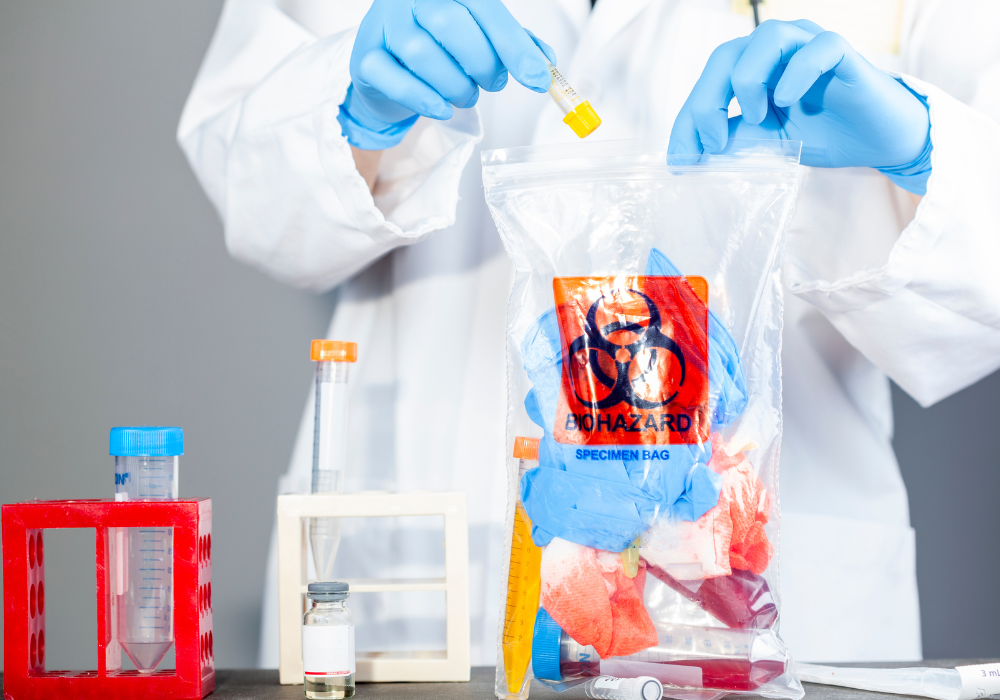
COVID-19 generated unprecedented amounts of medical waste – masks, gloves, testing materials, and contaminated equipment that requires special handling. Much of this waste ended up being shipped to developing countries that couldn’t safely process it, creating new health risks and diplomatic tensions. Future pandemics could generate even more dangerous medical waste.
Countries are now more suspicious of medical waste shipments, fearing they could spread diseases or overwhelm local disposal systems. Some nations have banned medical waste imports entirely, while others are demanding compensation for handling other countries’ pandemic waste. As global health emergencies become more frequent, medical waste disposal could become a major source of international conflict.
12. Food waste is destabilizing agriculture and causing mass migrations.
One-third of all food produced globally gets thrown away, while nearly a billion people don’t have enough to eat. This massive waste represents not just lost nutrition, but wasted water, energy, and farmland that could be feeding people instead of rotting in landfills. As climate change makes farming harder and populations grow, food waste becomes a security issue.
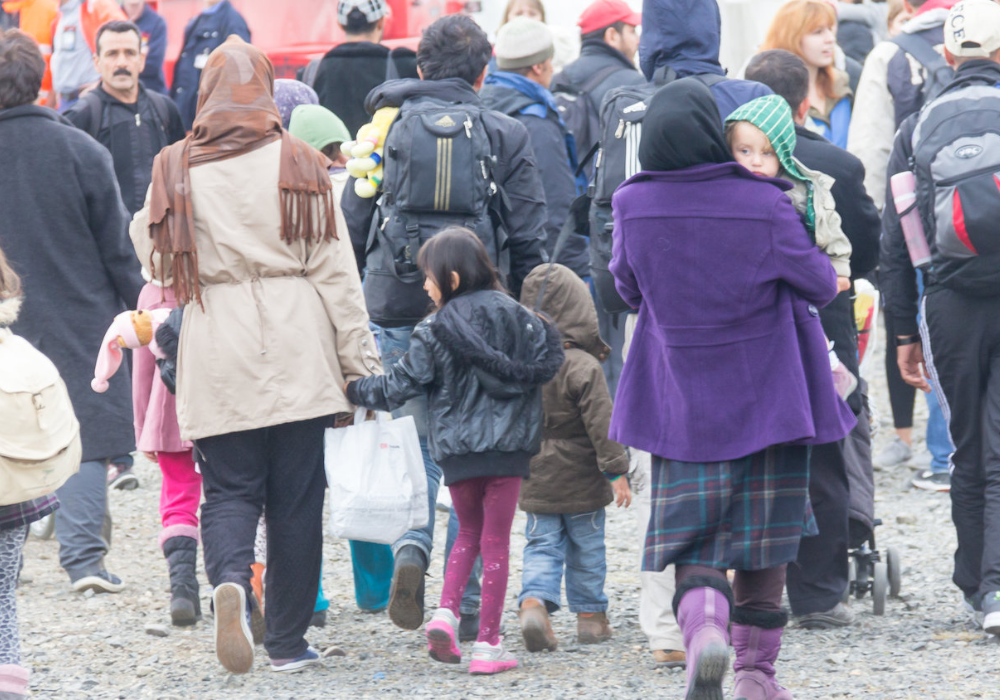
Countries experiencing food shortages are increasingly angry about wealthy nations throwing away massive amounts of edible food while their people starve. This resentment is fueling anti-Western sentiment and could justify hostile actions against countries seen as wasteful. Mass migrations driven by food insecurity often end up in refugee camps that generate even more waste, creating cycles of environmental degradation and conflict.
13. Waste-to-energy plants become strategic targets in future conflicts.
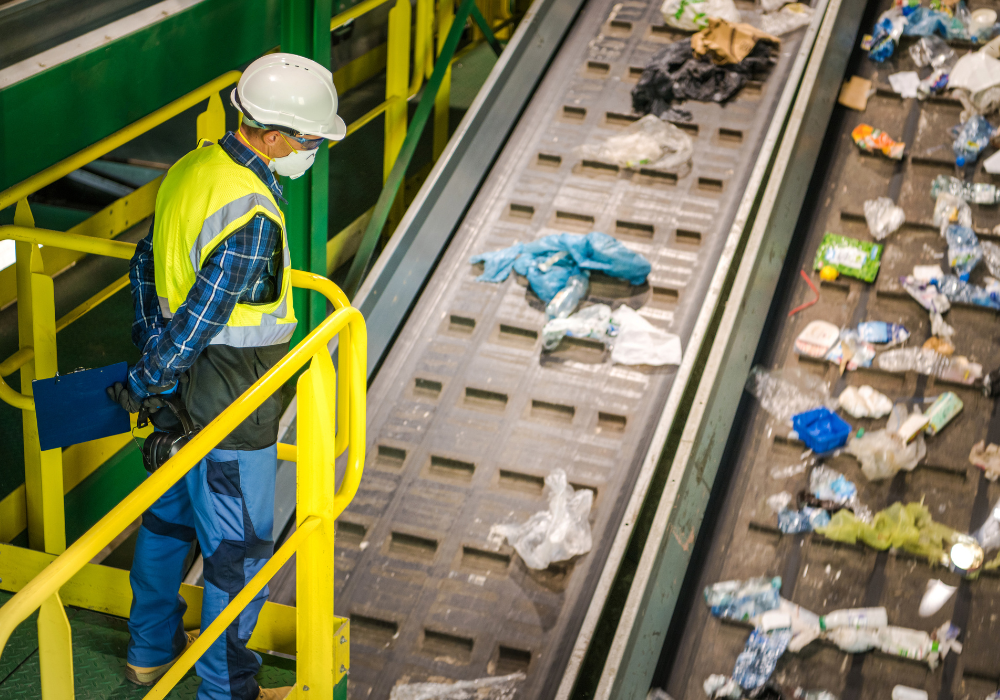
As countries invest billions in waste-to-energy facilities to deal with their trash problems, these plants become critical infrastructure that enemies might target in conflicts. A successful attack on major waste processing facilities could leave entire regions drowning in garbage while also cutting off significant sources of electricity. These dual-purpose facilities represent new vulnerabilities that didn’t exist before.
Nations are already competing to control waste-to-energy technology and the strategic advantages it provides. Countries that can efficiently convert waste to energy gain independence from fossil fuel imports while also solving their trash problems. This technology gap could create new forms of international dependency and leverage, where waste management capabilities become as important as oil reserves or military strength.