
How centuries of eruptions reshaped Sicily, its cities, and the lives around the volcano.
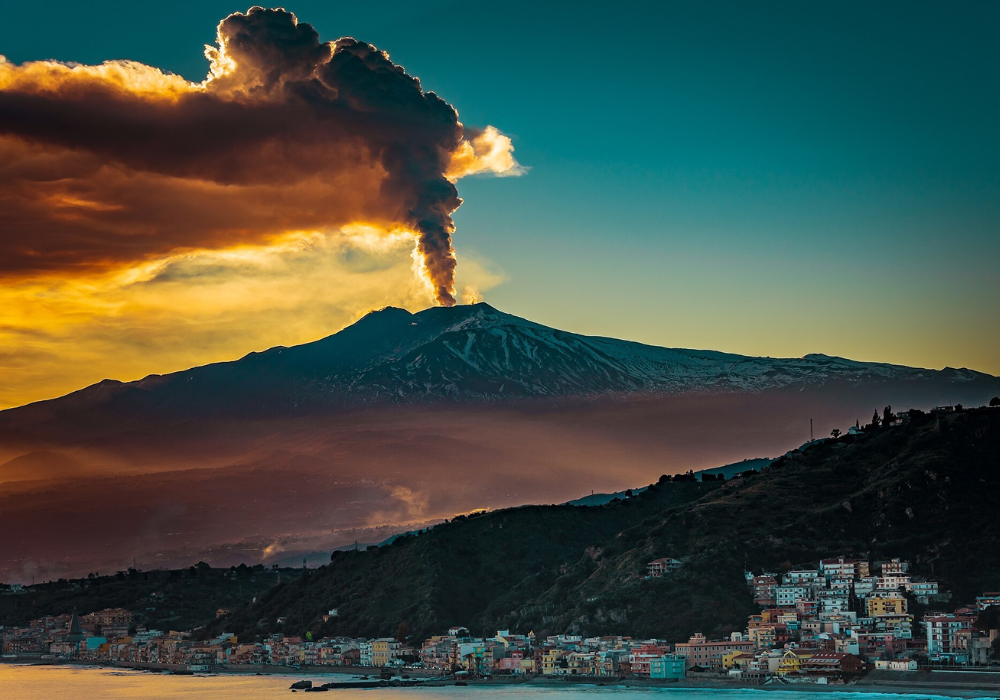
Mount Etna has been erupting for thousands of years, long before written history, and it remains one of the most active volcanoes on Earth today. Rising above eastern Sicily, it has shaped the landscape, the economy, and the daily lives of the people who live nearby.
For centuries, communities have benefited from Etna’s fertile soils while also living with the constant risk that the volcano can turn destructive with little warning. Some eruptions have been relatively gentle, producing lava flows that move slowly and allow time for evacuation.
Others, however, have been sudden, deadly, and transformative, destroying towns, claiming lives, and permanently altering the region. Looking back at Mount Etna’s most disastrous eruptions helps explain why this volcano is both revered and feared.
Click through and discover why its history still matters for millions of people today.
1. The eruption in 1669 that buried entire communities
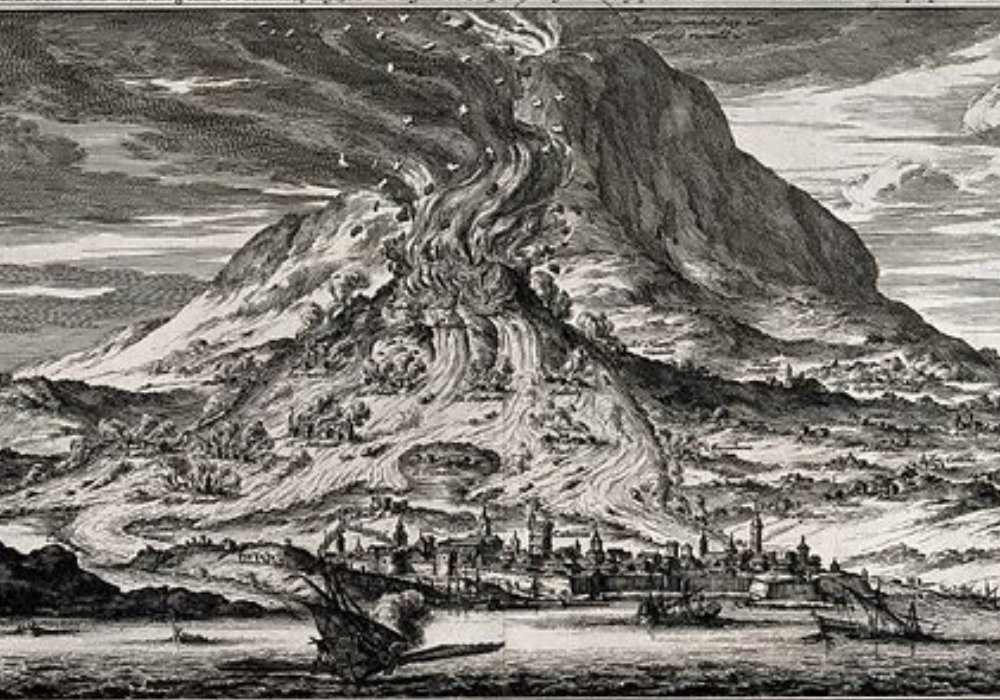
The 1669 eruption is widely considered the most destructive in Mount Etna’s recorded history. It began with earthquakes and fissures opening on the volcano’s slopes, followed by massive lava flows that moved relentlessly toward populated areas.
Several villages were completely destroyed, and lava eventually reached the outskirts of Catania, Sicily’s second-largest city. Defensive walls were overwhelmed, homes were buried, and thousands of people were displaced. The eruption dramatically reshaped the coastline and remains a defining event in Etna’s long history.
Follow us and access great exclusive content every day
2. How medieval eruptions reshaped eastern Sicily
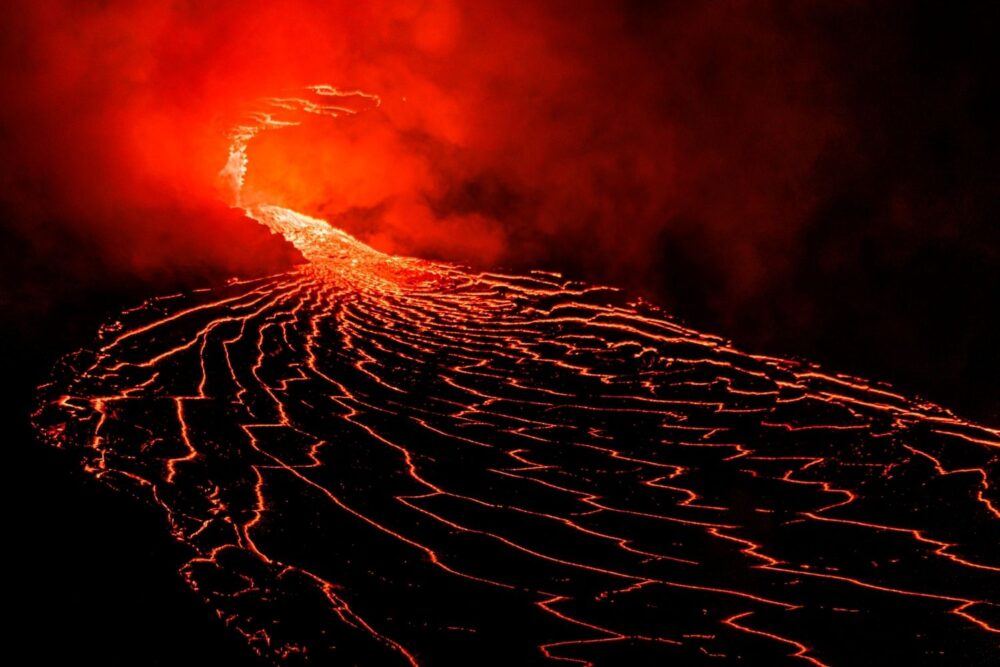
During the Middle Ages, Mount Etna erupted frequently, often with little understanding of volcanic warning signs. These eruptions repeatedly altered farmland, trade routes, and settlement patterns across eastern Sicily.
Lava flows destroyed crops and homes, forcing communities to relocate or rebuild from scratch. Over time, these repeated disasters influenced where towns were built and how people learned to coexist with the volcano, balancing fertile land against persistent danger.
3. The deadly eruption of 1169 and its human toll
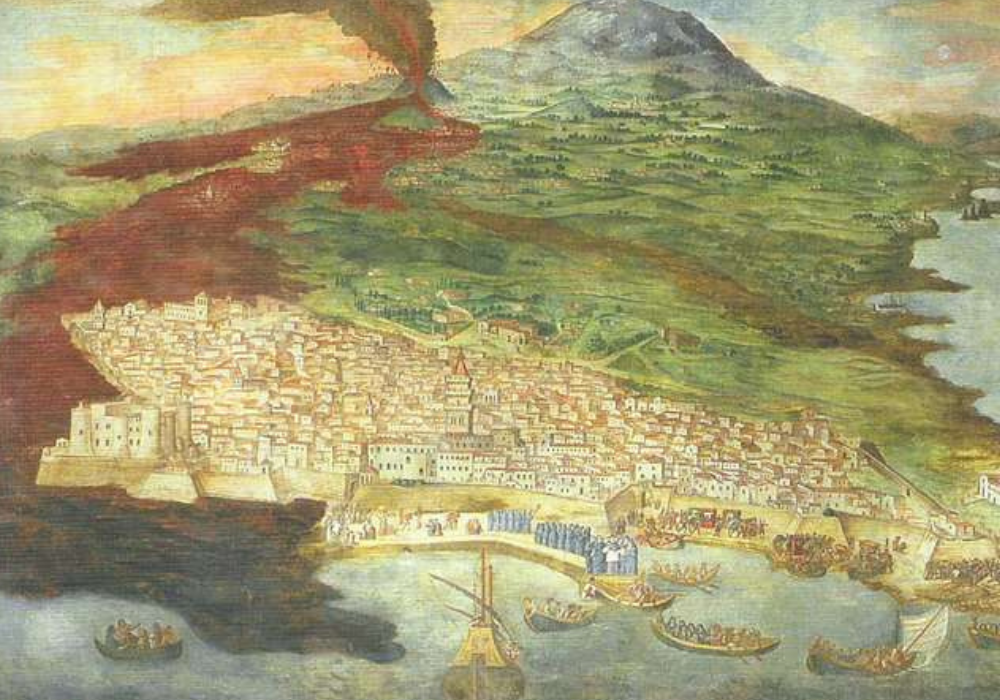
One of the earliest recorded catastrophic eruptions occurred in 1169, accompanied by a powerful earthquake. The combined disaster caused widespread destruction across eastern Sicily, including severe damage in Catania.
Historical accounts describe collapsed buildings and thousands of fatalities, making it one of the deadliest natural disasters in the region’s history. The event highlights how volcanic activity and seismic forces can combine to devastating effect around Mount Etna.
Follow us and access great exclusive content every day
4. Nineteenth-century eruptions that destroyed farmland and livelihoods
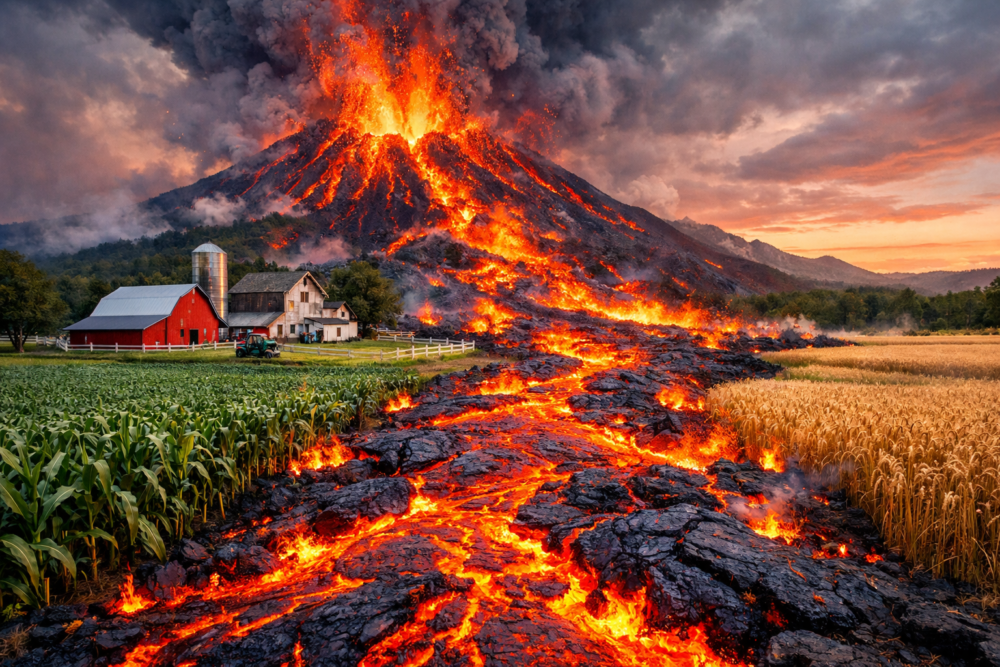
The 1800s saw several significant eruptions that didn’t always kill large numbers of people but had enormous economic consequences. Lava flows repeatedly covered agricultural land, destroying vineyards, orchards, and villages that depended on them.
For farming communities, these eruptions meant sudden loss of income and long-term displacement. Even when lives were spared, livelihoods were often wiped out, reinforcing the idea that disaster isn’t measured only in casualties.
5. Why the 1669 eruption still defines Mount Etna’s danger today
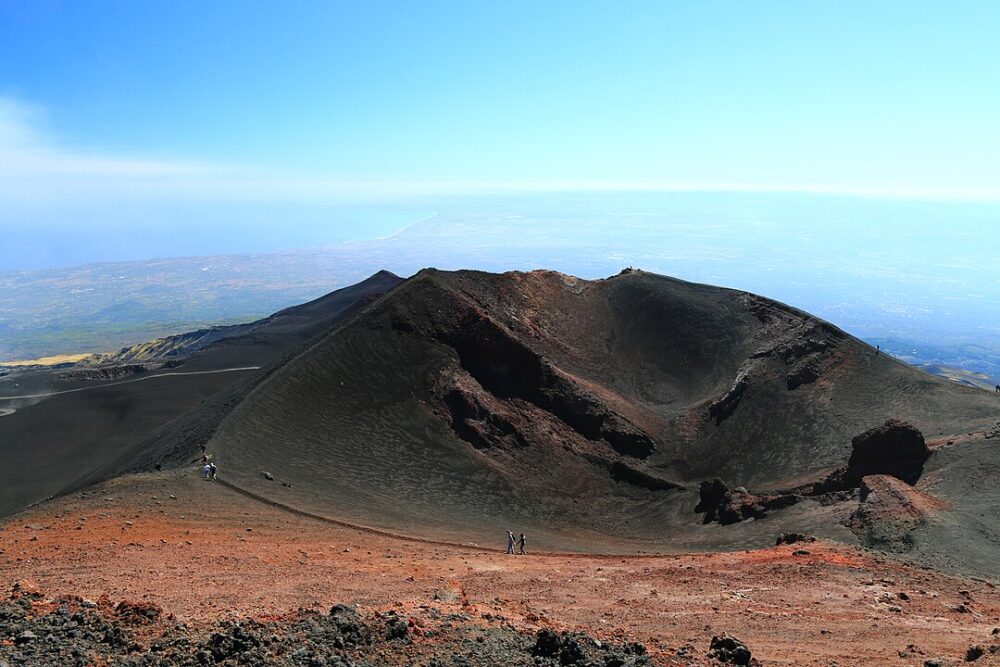
The 1669 eruption stands apart not just because of its scale, but because of how clearly it illustrates the risks of living near Mount Etna. Lava traveled more than 15 kilometers from the eruption site, showing how far-reaching Etna’s eruptions can be. Entire settlements vanished beneath solid rock, leaving permanent scars on the landscape that are still visible today.
What makes this eruption especially important is how it changed human behavior. After 1669, people began to document Etna’s activity more carefully and think differently about settlement planning. The event became a reference point for later generations, shaping how risk was understood and passed down through history.
Even now, volcanologists study this eruption to understand lava flow behavior and eruption dynamics. It serves as a reminder that while modern monitoring has improved safety, Mount Etna’s potential for large-scale destruction has not diminished.
Follow us and access great exclusive content every day
6. Twentieth-century eruptions that tested modern preparedness
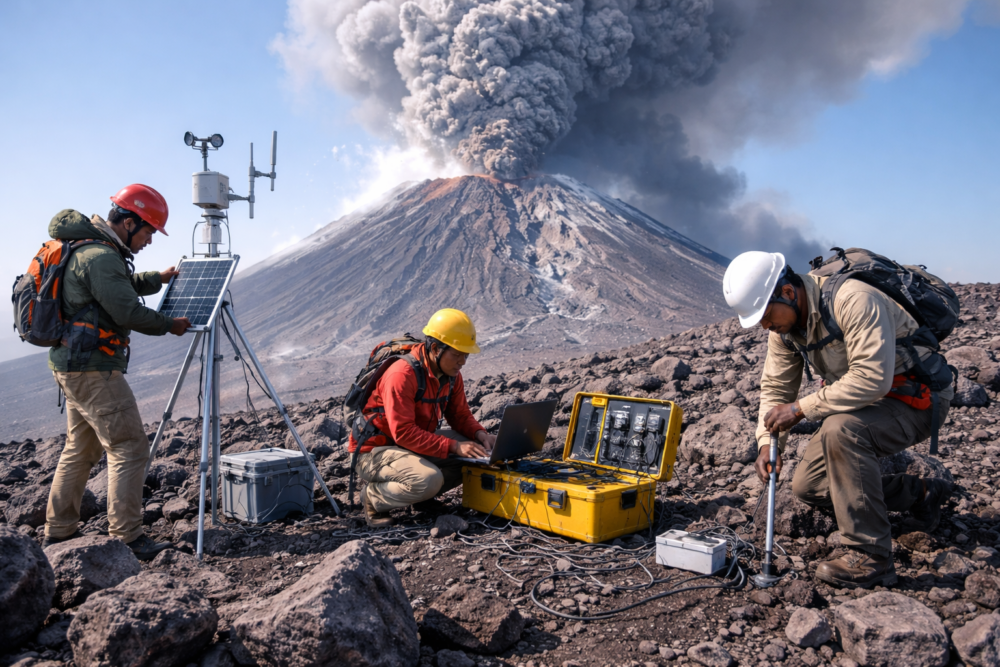
In the 1900s, several eruptions threatened towns but also demonstrated the benefits of improved response. Advances in monitoring allowed authorities to evacuate residents before lava reached populated areas.
While homes and infrastructure were still damaged, loss of life was significantly reduced compared with earlier centuries. These eruptions marked a turning point in how science and emergency planning could mitigate, though not eliminate, volcanic risk.
7. How lava flows have repeatedly altered the coastline
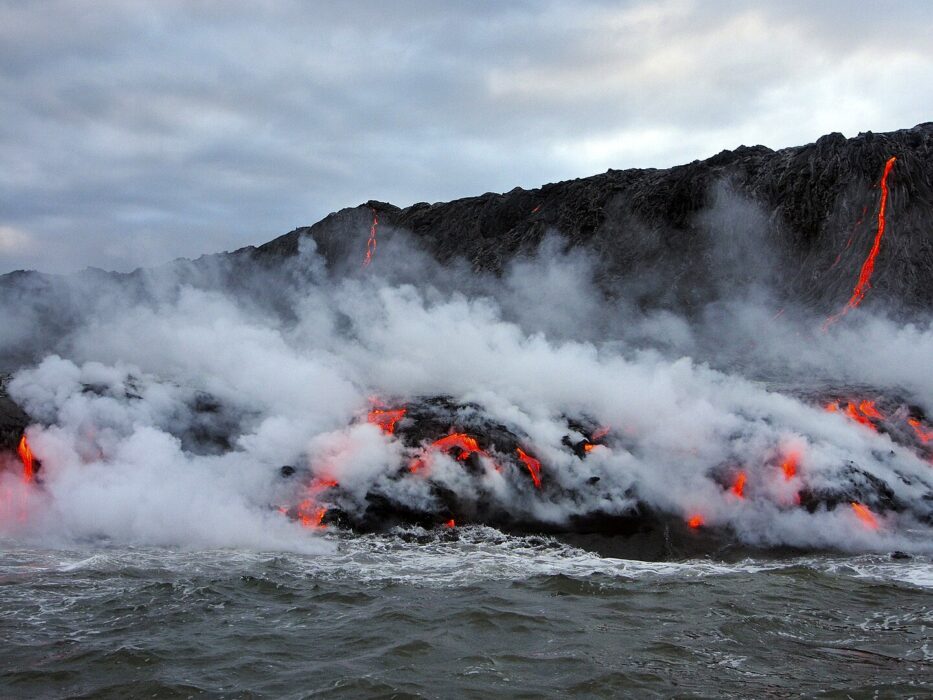
Some of Mount Etna’s eruptions have sent lava all the way to the sea, extending Sicily’s coastline and creating new land. While this may sound beneficial, these flows often destroyed ports, fishing areas, and coastal settlements along the way.
The coastline changes remind residents that Etna’s influence isn’t confined to the mountain itself. Its eruptions can reshape environments far beyond the summit, affecting trade, ecosystems, and daily life.
8. Why living near Etna remains a calculated risk
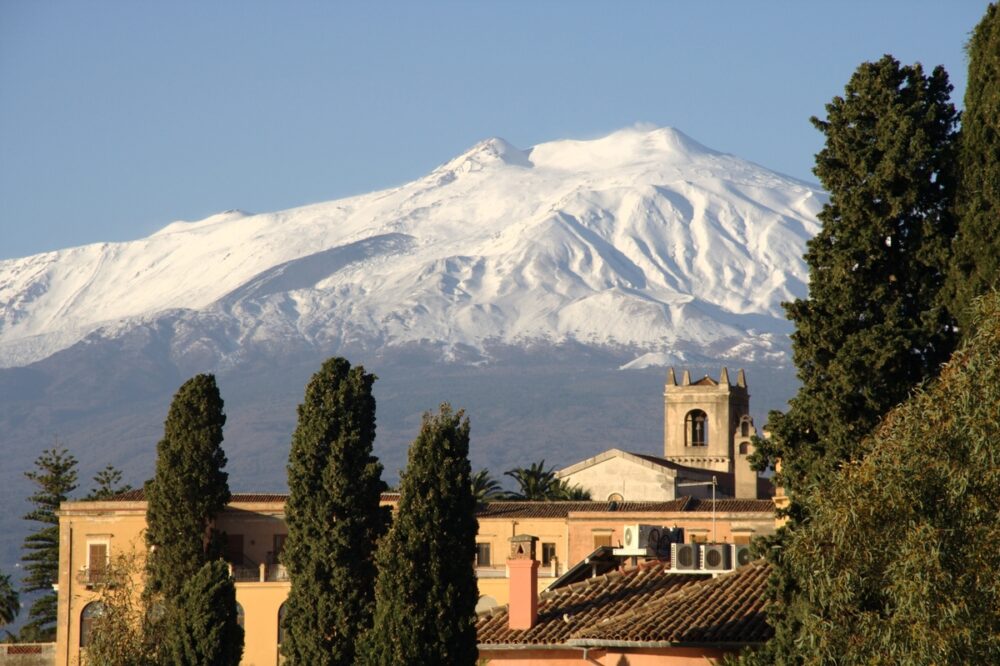
Despite its history, hundreds of thousands of people still live near Mount Etna. Fertile volcanic soil supports agriculture, and the region’s economy is deeply tied to the land shaped by past eruptions.
Residents accept a level of risk, relying on monitoring systems and evacuation plans. The volcano’s history plays a key role in these decisions, informing how communities prepare for future activity.
Follow us and access great exclusive content every day
9. What Mount Etna’s eruptions teach scientists today
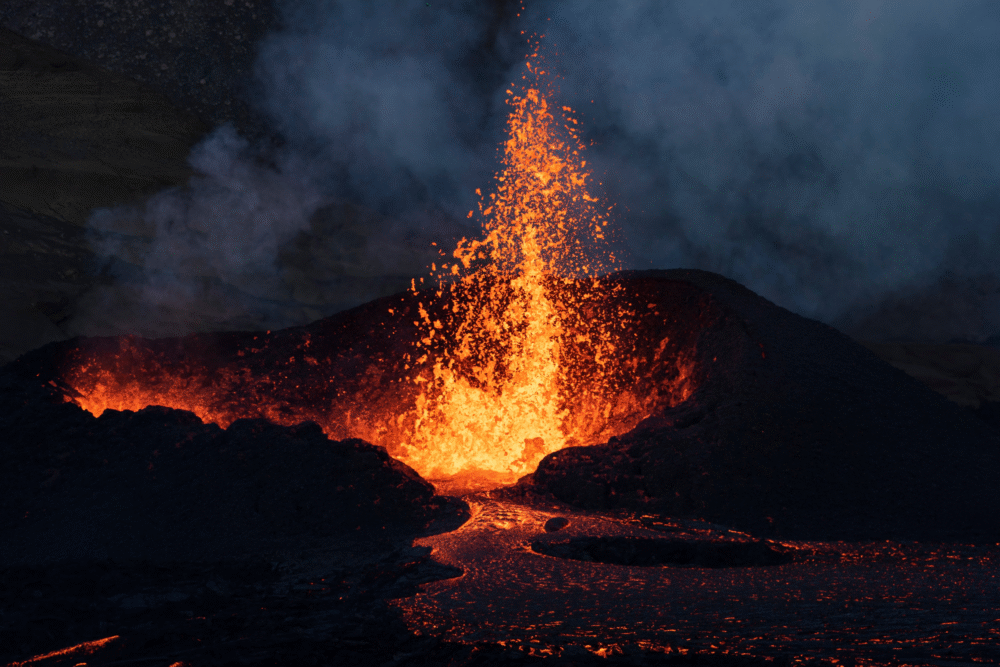
Mount Etna is one of the most closely studied volcanoes in the world. Its frequent eruptions provide valuable data on magma movement, lava flow patterns, and eruption forecasting.
Studying past disasters helps scientists refine models that can save lives in the future. Each eruption adds to a growing body of knowledge that benefits volcanic regions worldwide.
10. Why Etna’s most disastrous eruptions still matter now
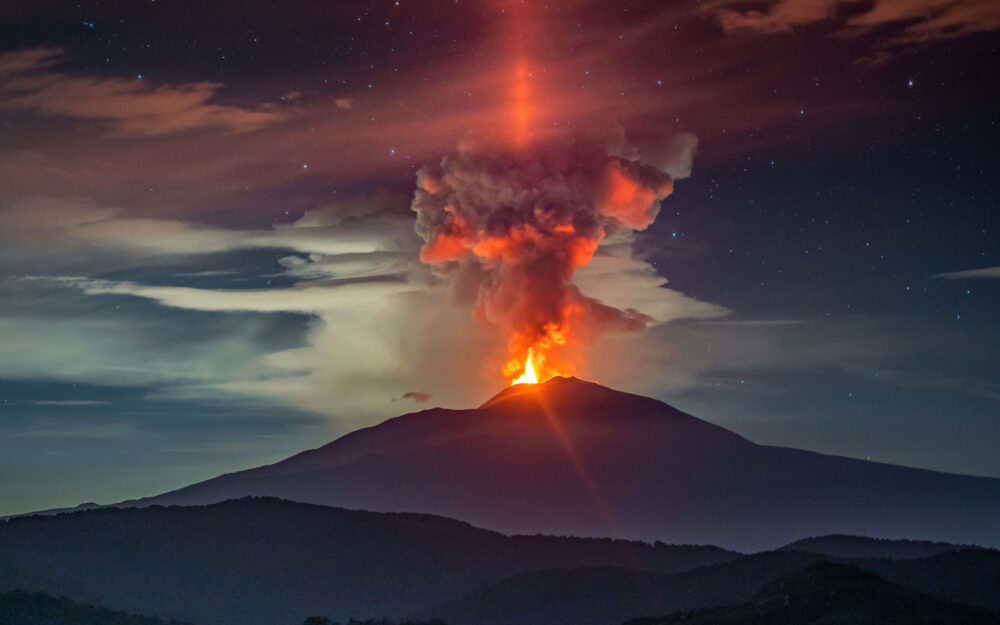
Mount Etna’s past is not distant history. The same forces that caused catastrophic eruptions centuries ago are still active today. Remembering the volcano’s most disastrous moments helps keep risk in perspective.
These eruptions are reminders that living with a volcano requires respect, preparation, and constant attention. Etna’s history continues to shape how people understand natural risk and resilience in one of Europe’s most volatile landscapes.