
New research uncovers overlooked evidence of Indigenous engineering skill across early America.
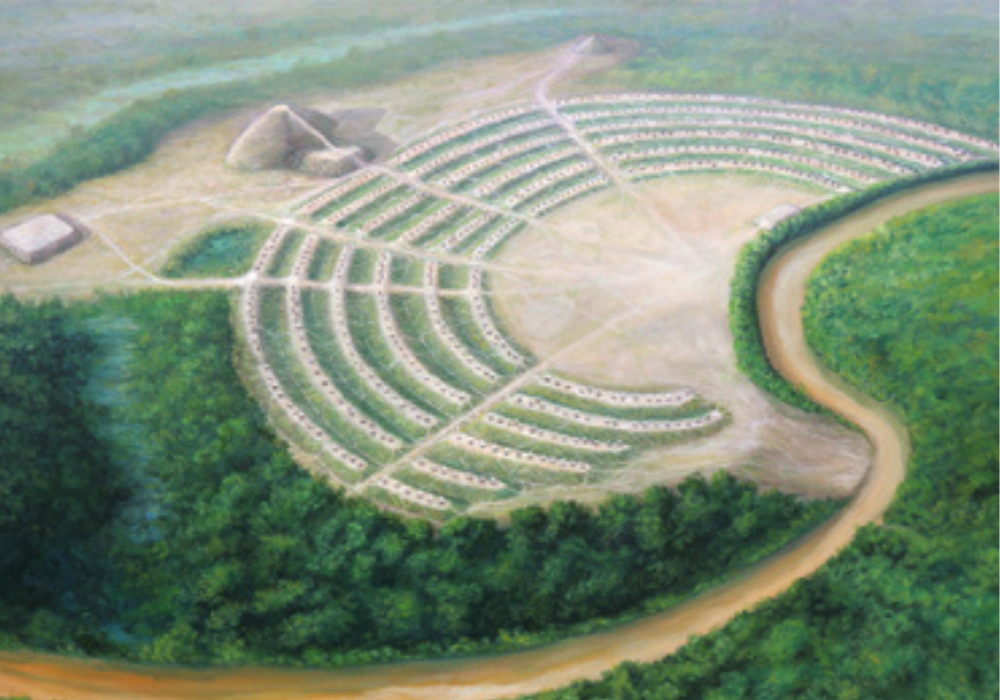
Recent archaeological research is revealing remarkable Indigenous engineering accomplishments that were long overlooked, downplayed, or misattributed in colonial-era records. Scholars say many early officials and chroniclers failed to document or fully recognize Native American infrastructure, earthworks, and technological systems, leaving gaps in the historical record. Newly analyzed evidence suggests advanced engineering traditions existed across North America, from large-scale construction projects to complex water management.
1. Newly Analyzed Artifacts Show Advanced Indigenous Engineering Methods

Archaeologists reviewing previously stored artifacts have discovered construction methods that demonstrate a deep understanding of soil, stone, and structural engineering. Some tools and materials show precision shaping and planning once believed to be absent from early North American societies. These findings come from renewed studies using modern techniques unavailable to earlier researchers.
Scholars note that the engineering sophistication of Indigenous communities is increasingly clear as new evidence is uncovered. The artifacts give greater insight into how these societies built durable structures, modified landscapes, and designed efficient systems suited to local environments.
2. Colonial Records Often Omitted Details of Indigenous Infrastructure
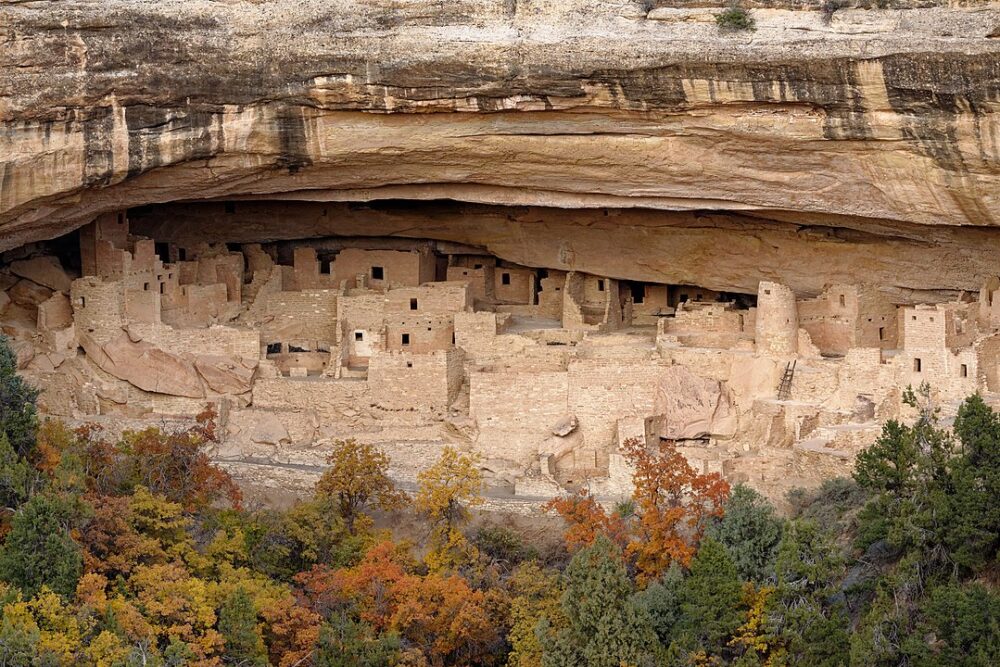
Historians examining early colonial documents found that many descriptions of Indigenous settlements were incomplete or dismissive. Officials often focused on political or religious matters rather than engineering accomplishments, leading to partial or inaccurate accounts. As a result, early reports rarely acknowledged the full extent of Indigenous construction techniques.
This lack of detailed documentation created a distorted historical narrative. Only now, with archaeological studies and scientific analysis, is the scale of Indigenous engineering becoming more widely recognized and understood.
3. Massive Earthworks Reveal Complex Planning and Construction Skills
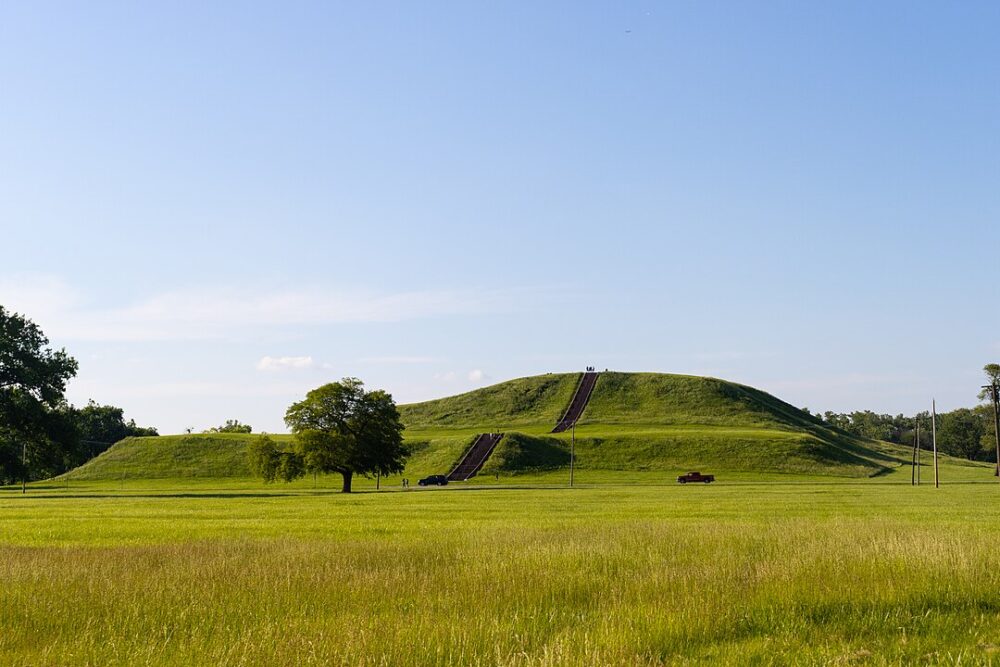
Large earthen structures found across North America—such as mounds, embankments, and ceremonial platforms—demonstrate sophisticated engineering that required coordinated labor and long-term planning. Soil analyses show that builders used layered materials to stabilize these structures, ensuring their durability for centuries.
Many early colonial observers did not recognize the engineering complexity behind these earthworks. Modern research reveals that these features were intentional, well-designed, and constructed with advanced knowledge of materials and landscape behavior.
4. Water Management Systems Show Deep Environmental Expertise
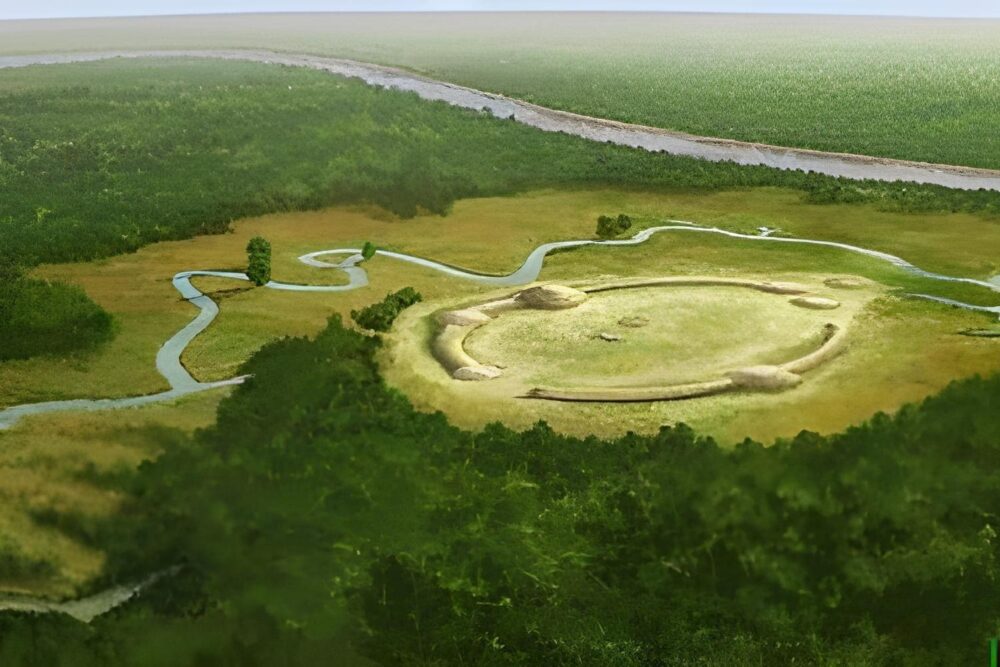
Recent excavations have uncovered channels, ponds, and irrigation features built by Indigenous communities to manage water flow. These systems demonstrate a sophisticated grasp of hydrology and land management, enabling communities to support agriculture, settlement, and ecological balance.
Colonial-era accounts rarely acknowledged these systems or misinterpreted them as natural formations. Today’s researchers emphasize that Indigenous water-management engineering was both practical and innovative, reflecting expert knowledge of local ecosystems.
5. Indigenous Road Networks Were More Extensive Than Once Believed
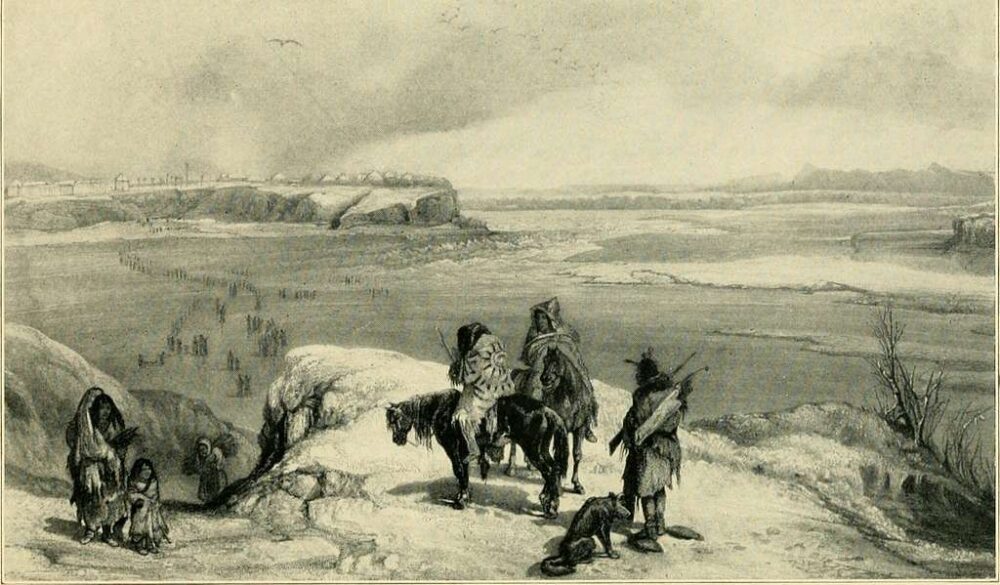
Archaeological mapping and remote sensing reveal that many Indigenous groups constructed wide, straight roadways connecting settlements across long distances. These transportation routes required careful grading and planning to maintain accessibility and durability.
Early colonial writers often overlooked or misunderstood these engineered pathways. Modern technology now confirms their purpose and scale, revealing sophisticated connectivity that supported trade, governance, and cultural exchange.
6. Village Layouts Show Intentional Urban Planning
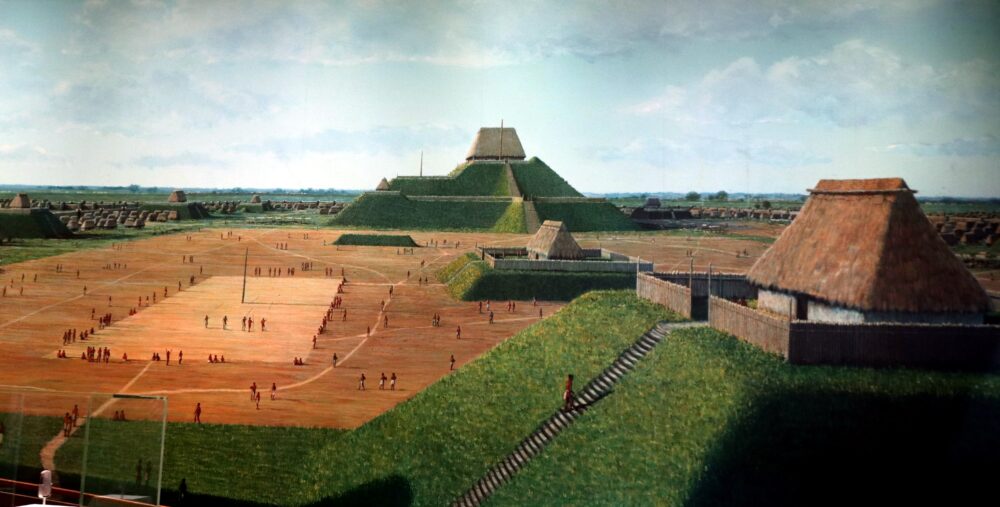
Some Indigenous settlements reveal carefully organized layouts, including plazas, residential zones, and ceremonial spaces arranged with geometric precision. These designs demonstrate an understanding of spatial engineering and social planning that early observers did not fully recognize or record.
Archaeologists now see these patterns as evidence of organized governance and long-term planning. The precision of these settlements challenges outdated assumptions about Indigenous community structures.
7. Construction Techniques Varied Regionally and Show Innovation
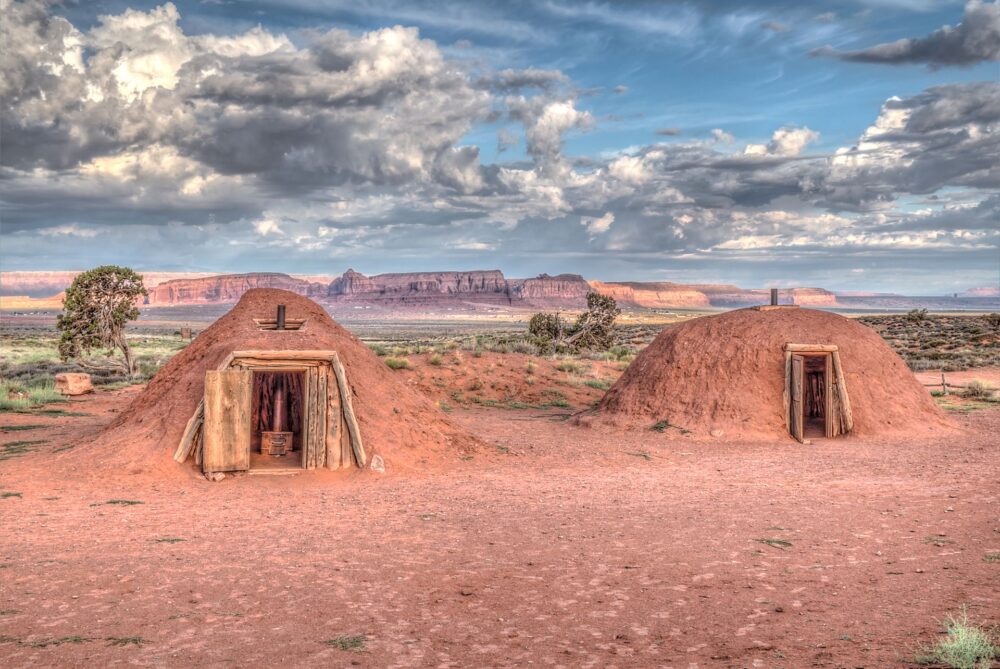
Different Indigenous groups used locally available materials—such as timber, stone, shell, or clay—to build structures optimized for their climate and environment. These regionally adapted engineering styles demonstrate versatility and innovation that early colonial officials often failed to document.
Modern research highlights how these traditions evolved over generations. By studying these building techniques, archaeologists gain a deeper understanding of Indigenous technological creativity.
8. Oral Traditions Preserve Engineering Knowledge

Many Indigenous communities passed engineering insights through oral traditions rather than written records. These narratives preserved information about construction, resource management, and environmental adaptation that may not appear in colonial documents.
Researchers working collaboratively with Indigenous groups are now integrating oral histories with archaeological evidence. This combined perspective provides a fuller, more accurate picture of the engineering knowledge held by these communities.
9. Scientific Tools Are Revealing Hidden Indigenous Structures
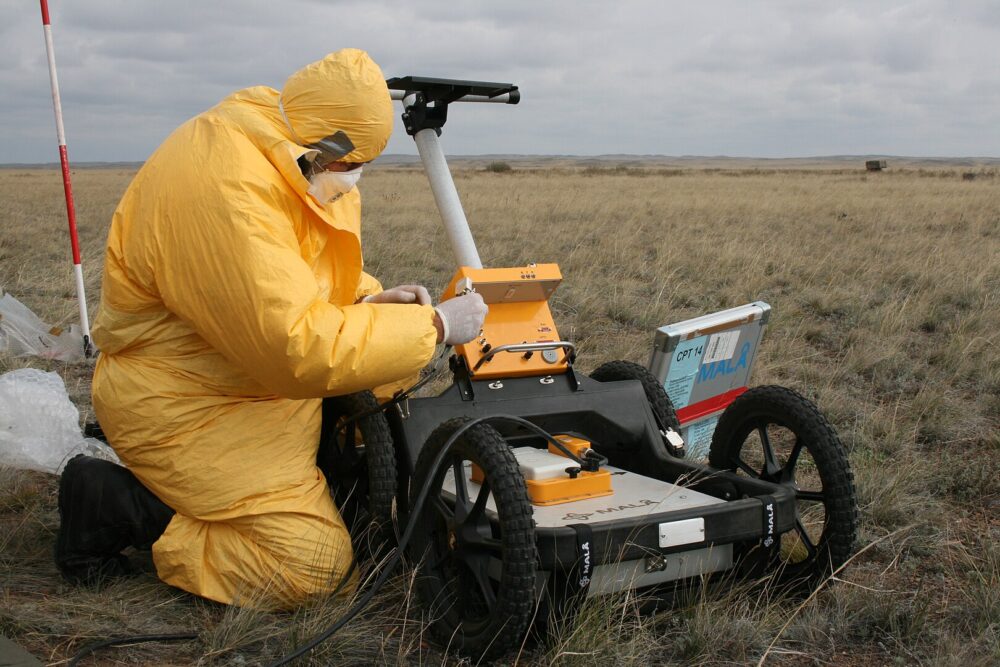
Technology such as LiDAR, ground-penetrating radar, and high-resolution mapping has uncovered complex Indigenous structures previously hidden beneath vegetation or missed by early explorers. These tools reveal geometric earthworks, settlement grids, and landscape modifications invisible at ground level.
The discoveries show that many Indigenous engineering achievements remained unknown simply because earlier observers lacked the technology to detect them. Modern methods are transforming our understanding of precolonial North America.
10. These Discoveries Are Rewriting Parts of Early American History

As archaeological and historical evidence accumulates, scholars are reevaluating long-standing assumptions about Indigenous societies. The engineering accomplishments now being documented reveal a level of complexity, knowledge, and innovation that earlier histories often overlooked or undervalued.
Researchers say this broader perspective offers a more accurate and respectful view of Indigenous achievements. By recognizing these engineering traditions, we gain a deeper understanding of North America’s past and the ingenuity of its earliest communities.