
New analyses of lunar orbiter imagery and AI tools are pointing to possible final resting places for humanity’s first soft-landing spacecraft.
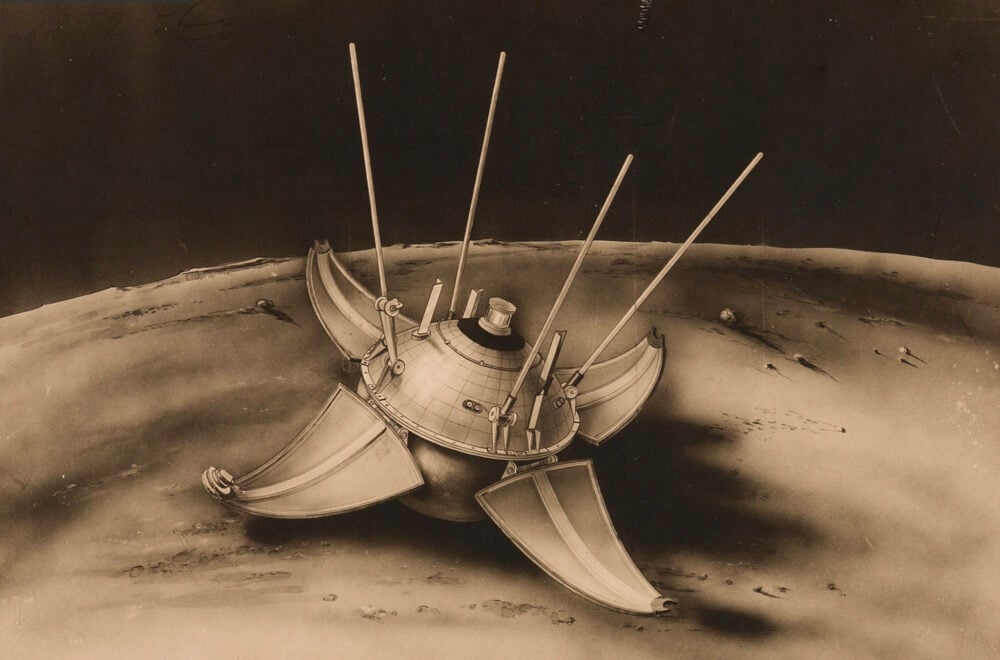
For decades, the fate of one of space history’s most important machines has remained a mystery. In 1966, the Soviet probe Luna 9 became the first human-built object to perform a soft landing on the Moon and transmit images from its surface.
After its batteries failed just days later, the probe’s precise location was lost. Now, scientists using modern orbital data and machine-learning techniques believe they may have narrowed the search to a small number of promising sites, potentially closing a 60-year-old chapter of lunar exploration.
1. What Luna 9 Was and Why It Mattered
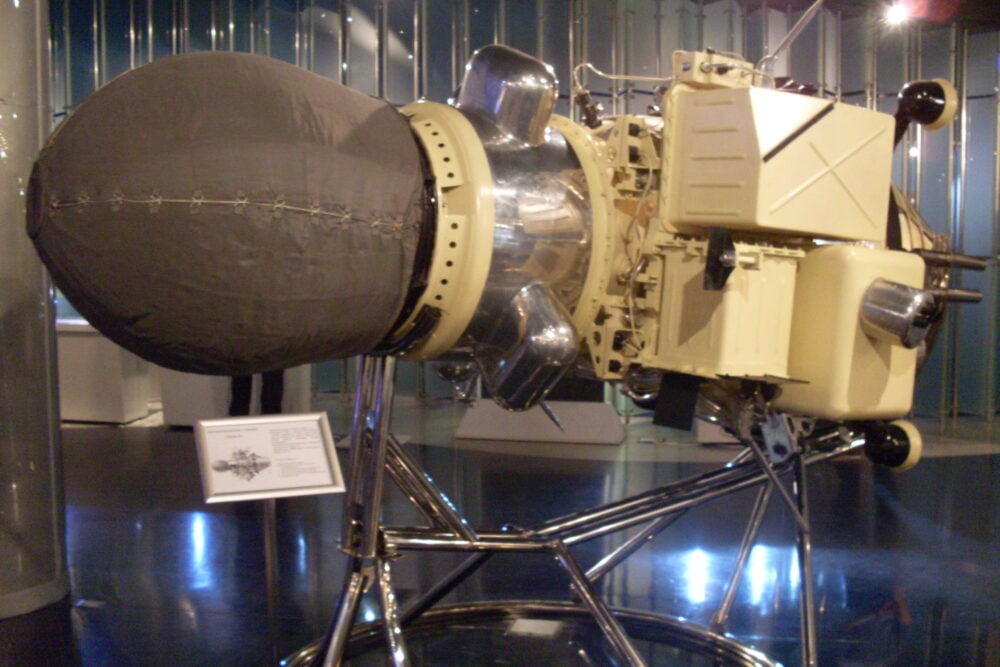
In February 1966, Luna 9 achieved a milestone by becoming the first spacecraft to land gently on the Moon rather than crash into it. The probe used an innovative airbag system that allowed it to bounce and roll safely to a stop.
Once settled, it deployed petal-like panels and transmitted the first panoramic images ever taken from the lunar surface. These images proved that the Moon’s surface could support spacecraft, clearing a major hurdle for future missions.
2. A Landing Site Lost in Time
Despite its success, Luna 9’s exact landing site was never precisely recorded. Navigation and tracking technology in the 1960s lacked the resolution needed to pinpoint its final resting place.
Estimates placed it within a broad region, but even small uncertainties translated into miles of terrain on the Moon, making the lander effectively lost for decades.
3. Modern Technology Reopens the Search
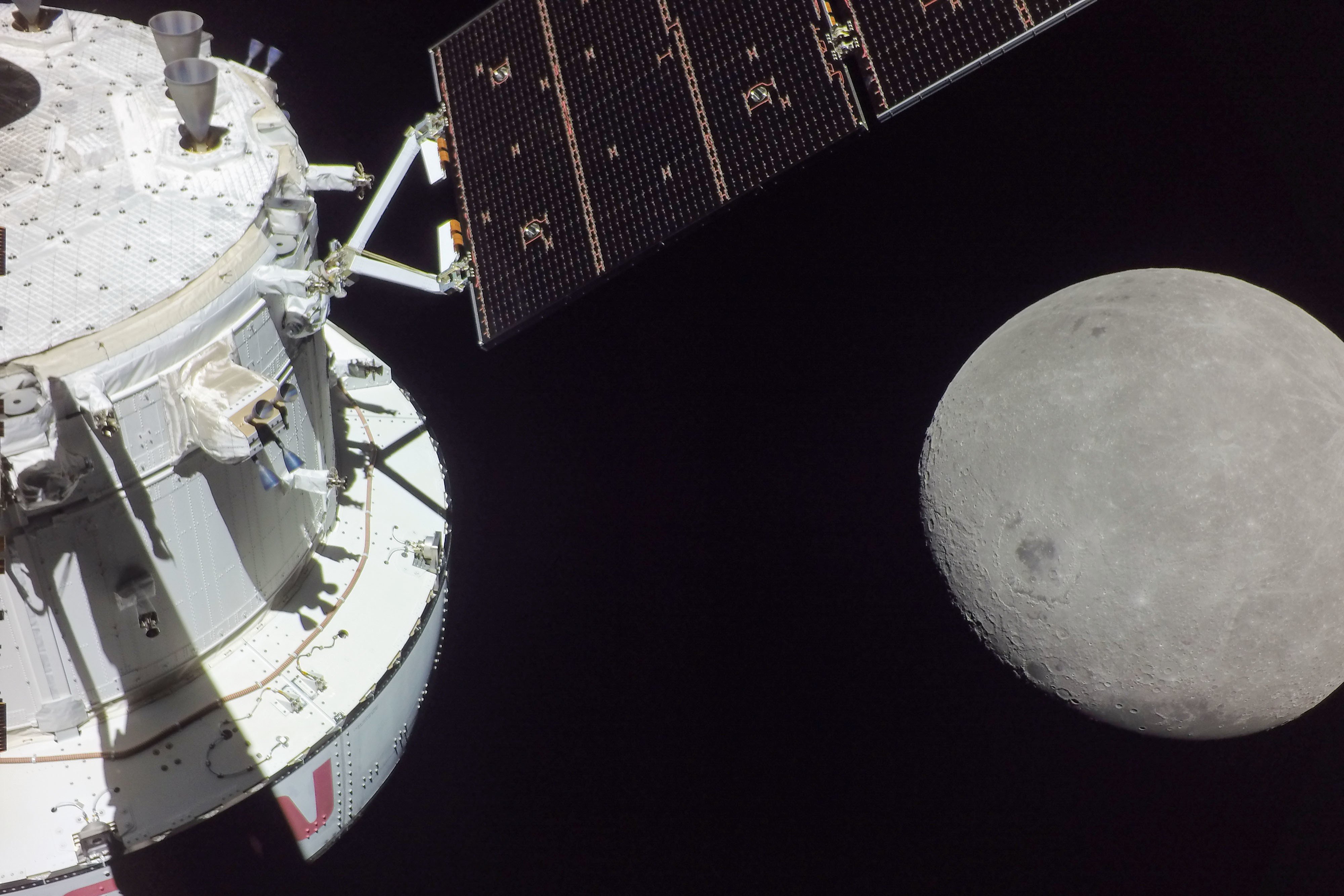
The hunt gained new momentum thanks to detailed imagery from lunar orbiters that have mapped the Moon at unprecedented resolution since the late 2000s.
These images allow researchers to examine subtle surface features that could indicate artificial objects, offering a chance to revisit unanswered questions from the early space age.
4. How Machine Learning Entered the Picture
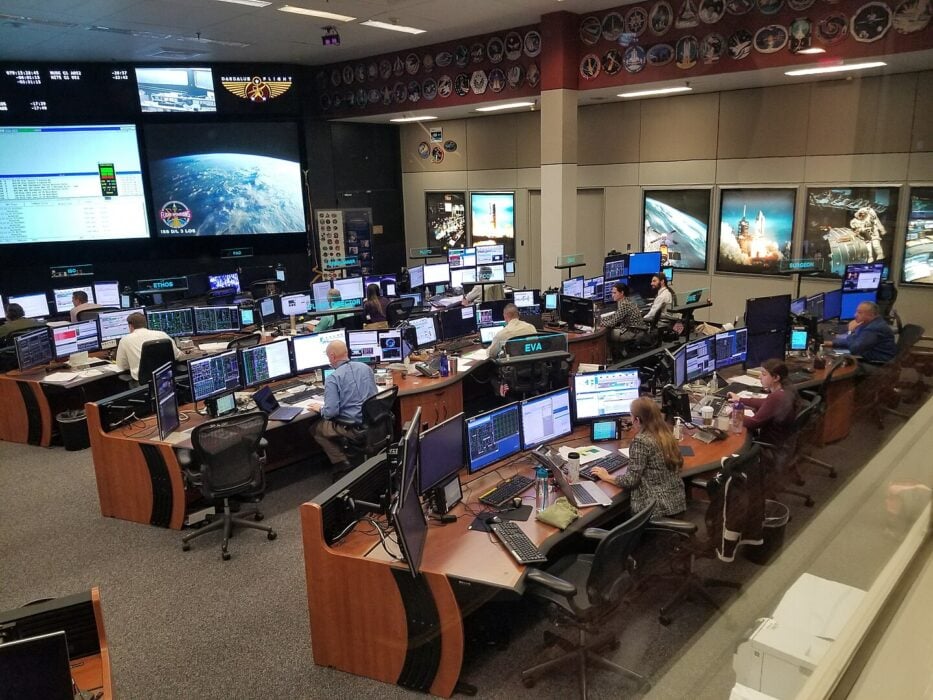
Researchers turned to machine-learning algorithms trained to detect unusual patterns in large image datasets. These systems can sift through thousands of orbital images far faster than humans alone.
By scanning regions near the predicted landing area, the algorithm flagged several anomalies that stand out from natural lunar terrain.
5. What Those Anomalies Might Represent

The candidate sites show features such as unusual shadows, small surface disturbances, or shapes that differ from surrounding geology.
While none are definitive on their own, the patterns are consistent with what might be expected from a small spacecraft resting on the lunar surface for decades.
6. Why Luna 9’s Design Leaves a Clue
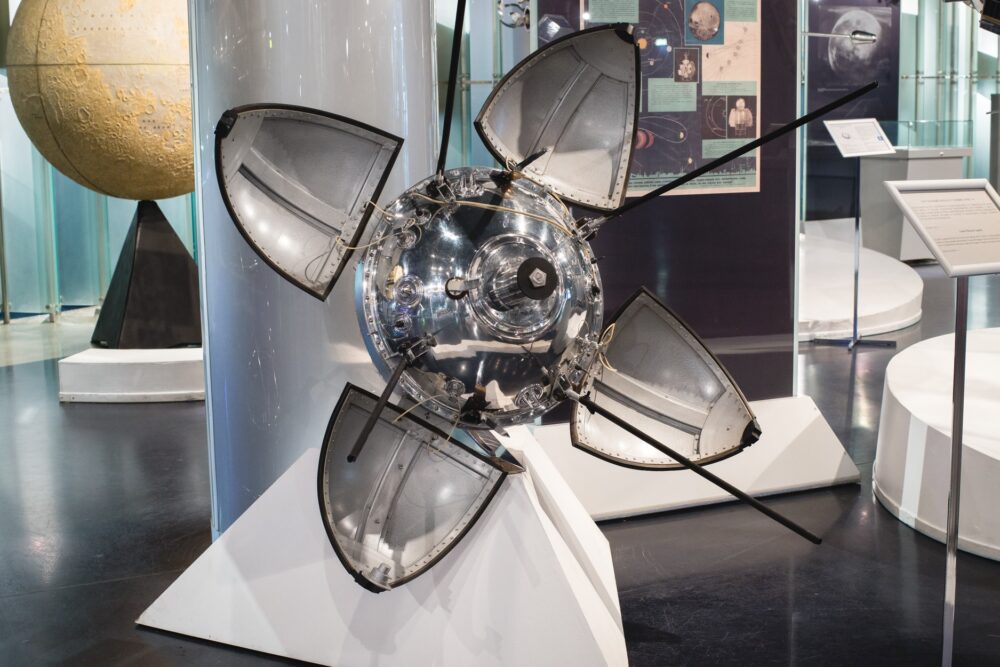
Luna 9 had a distinctive structure, including a spherical landing capsule and unfolding panels. These components could cast recognizable shadows or leave lasting impressions in the lunar soil.
Those unique characteristics give scientists specific visual signatures to search for when examining orbital images.
7. A Shortlist of Possible Locations
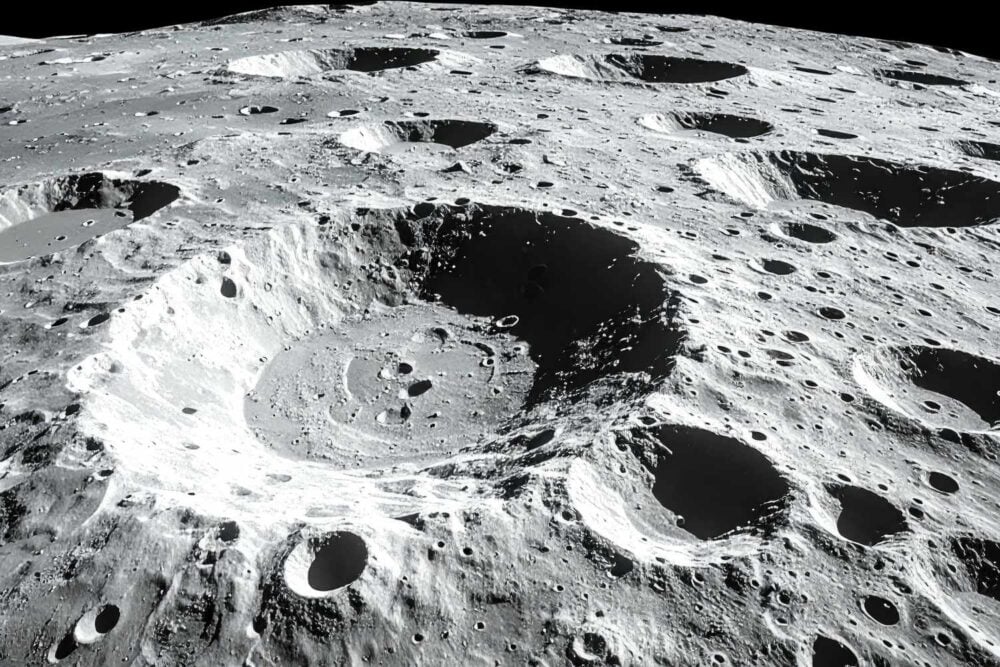
So far, researchers have identified a handful of promising candidate sites, separated by several miles. Each location contains features that merit closer inspection.
Further analysis will be needed to determine whether any of these sites truly match the expected appearance of the historic lander.
8. Upcoming Missions Could Help Confirm It
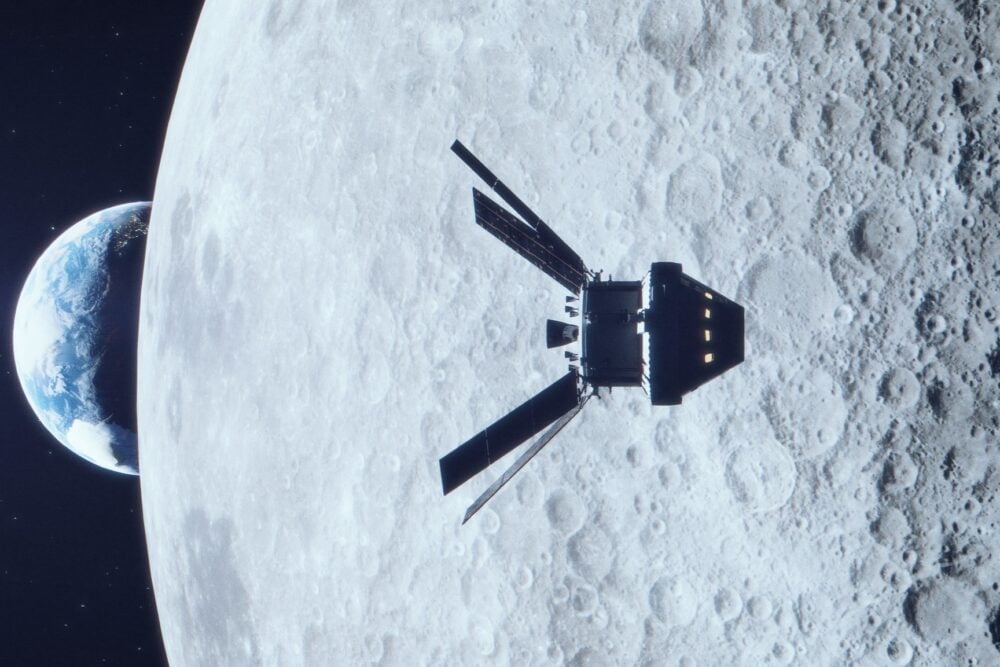
Future lunar flyovers by orbiters with high-resolution cameras may pass directly over the candidate regions.
Sharper imagery could help distinguish between natural features and the remains of a human-made object, potentially confirming Luna 9’s location.
9. Why Finding It Would Matter
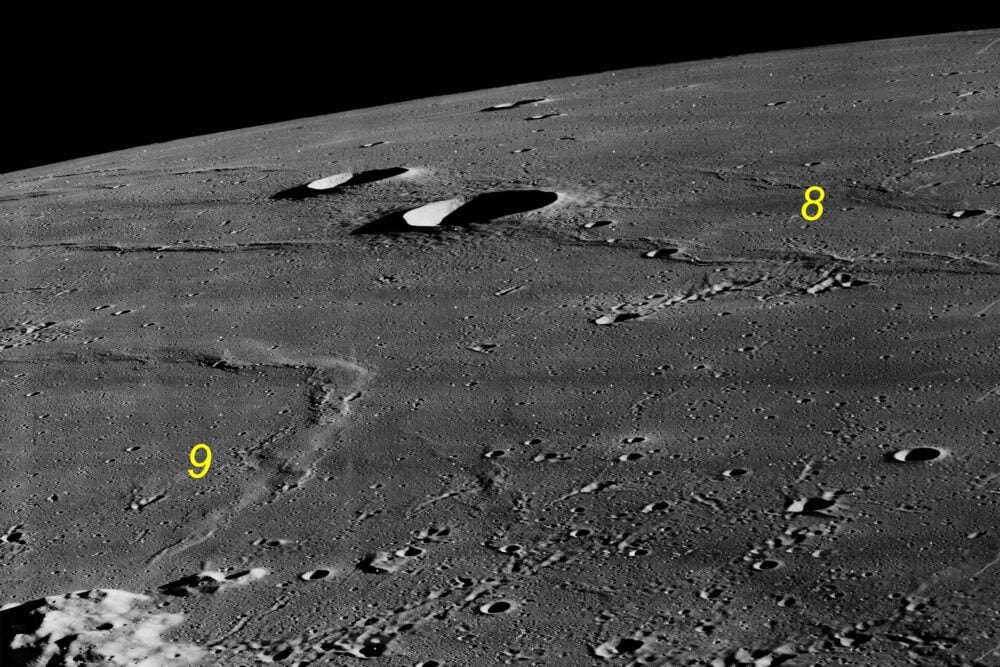
Locating Luna 9 would not change what it accomplished, but it would complete the story of the first successful lunar landing.
It would also demonstrate how modern tools can solve long-standing mysteries using data gathered decades after an event occurred.
10. A Reminder of the Early Space Race
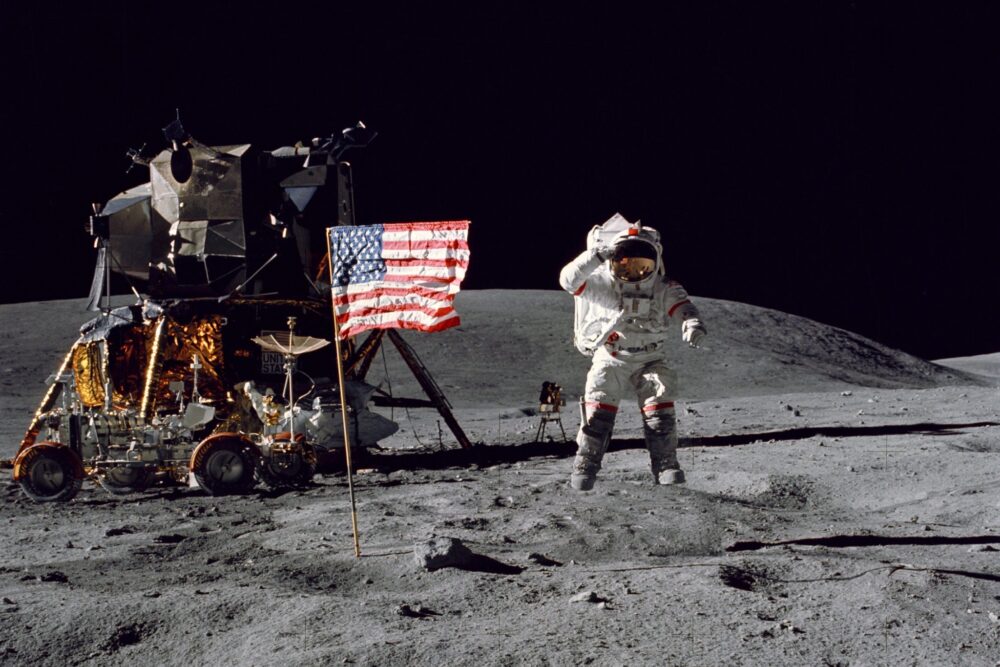
Luna 9’s landing came during a period of intense competition between global powers, when rapid technological advances often outpaced record-keeping.
Recovering its location would highlight the many pioneering achievements of that era that are sometimes overshadowed by later, more famous missions.
11. What Happens Next

Researchers continue to analyze imagery and await new observations that could clarify the nature of the candidate sites.
Whether or not Luna 9 is conclusively identified, the search shows how advances in imaging and artificial intelligence are allowing scientists to rediscover humanity’s earliest steps beyond Earth.