
The James Webb Telescope is uncovering atmospheric chemicals, cloud patterns, and thermal secrets on distant exoplanets.
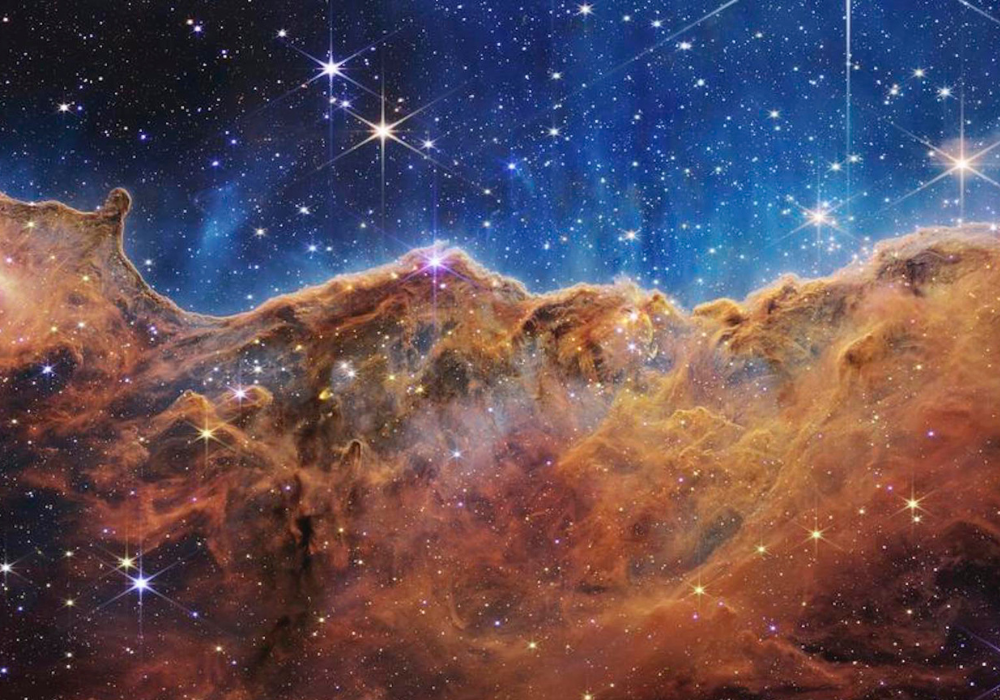
The James Webb Space Telescope is transforming our understanding of distant planets by revealing details scientists could only dream of a decade ago. Using its powerful infrared instruments, JWST can detect atmospheric chemicals, measure heat flowing across alien worlds, and even identify cloud layers hundreds of light-years away. These observations are rewriting assumptions about how planets form, evolve, and behave. As researchers analyze more data, they say Webb’s discoveries are only beginning—and each new glimpse into these strange worlds raises even more questions.
1. Webb Is Detecting Atmospheric Molecules on Planets Light-Years Away
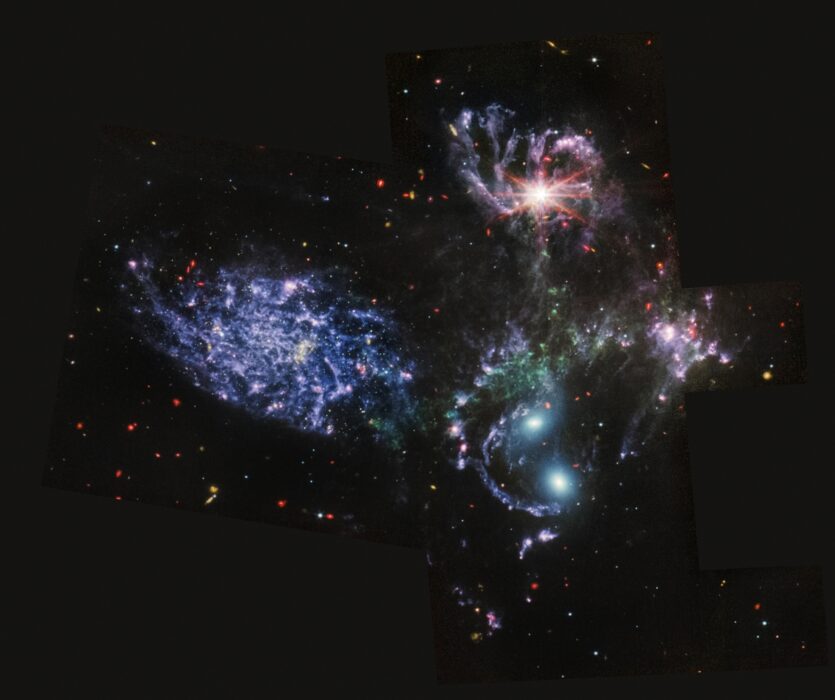
JWST’s infrared spectrometers allow scientists to identify chemicals in an exoplanet’s atmosphere as starlight filters through its air. Webb has already detected water vapor, methane, carbon dioxide, carbon monoxide, sulfur dioxide, and haze particles on several planets, including WASP-39b, WASP-17b, and WASP-107b. These observations mark the first time many molecules have been confirmed on worlds beyond our solar system.
This ability helps scientists understand what these planets are made of, how they formed, and whether their atmospheres contain the building blocks of life. No telescope has ever captured this level of detail before.
2. Webb Found Signs of Active Chemistry on a Planet 700 Light-Years Away
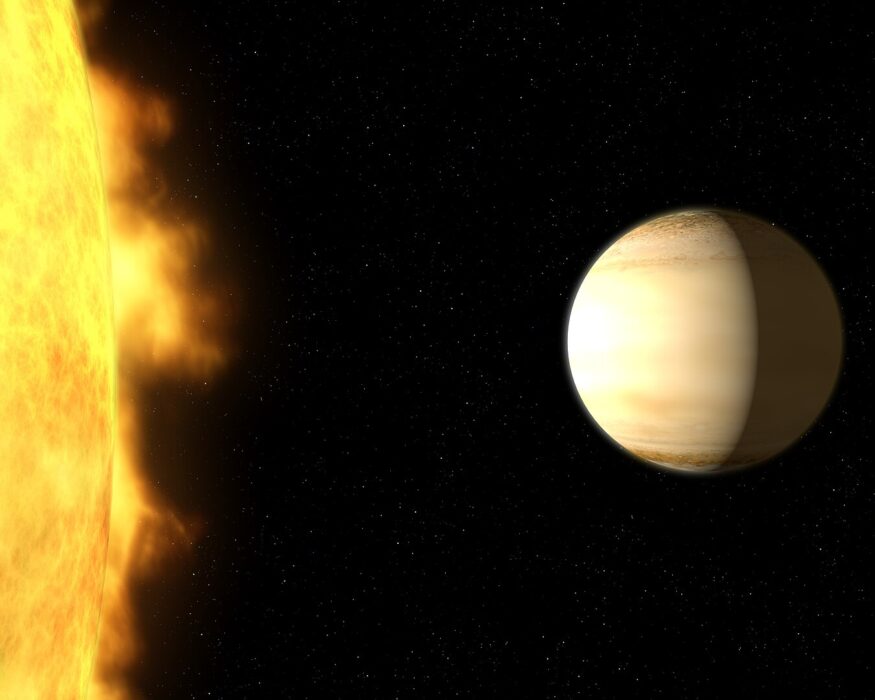
One of Webb’s biggest surprises came from WASP-39b, where it detected sulfur dioxide—a chemical produced through photochemistry when a star’s light interacts with atmospheric gases. This was the first confirmed detection of photochemical processes on an exoplanet.
Scientists say this is a major milestone because it shows that alien atmospheres undergo complex reactions similar to those on Earth, Venus, and Mars. It also proves Webb can detect not just atmospheric ingredients but also the processes shaping them.
3. JWST Can Map Heat Patterns Across Scorching Alien Worlds
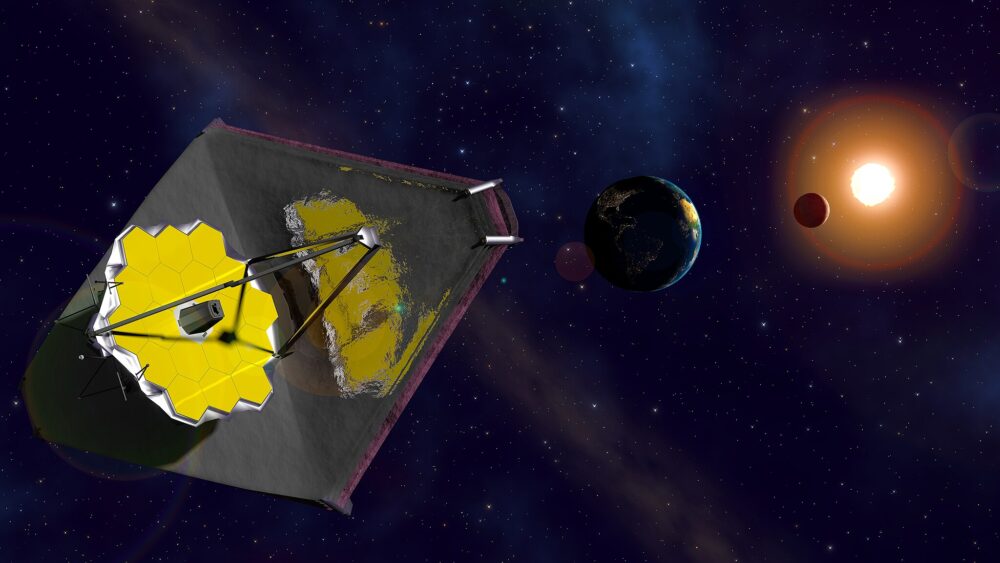
Webb has measured the temperature difference between the day and night sides of several “hot Jupiters,” including WASP-43b and WASP-18b. These planets are tidally locked, meaning one side always faces their star. Webb discovered that some have extreme temperature contrasts, while others redistribute heat through powerful winds.
These thermal maps help researchers understand atmospheric circulation on worlds far hotter than any planet in our solar system. The data is essential for modeling exoplanet climates and predicting atmospheric behavior under extreme conditions.
4. Webb Is Revealing Cloud Layers and Weather Patterns on Distant Worlds
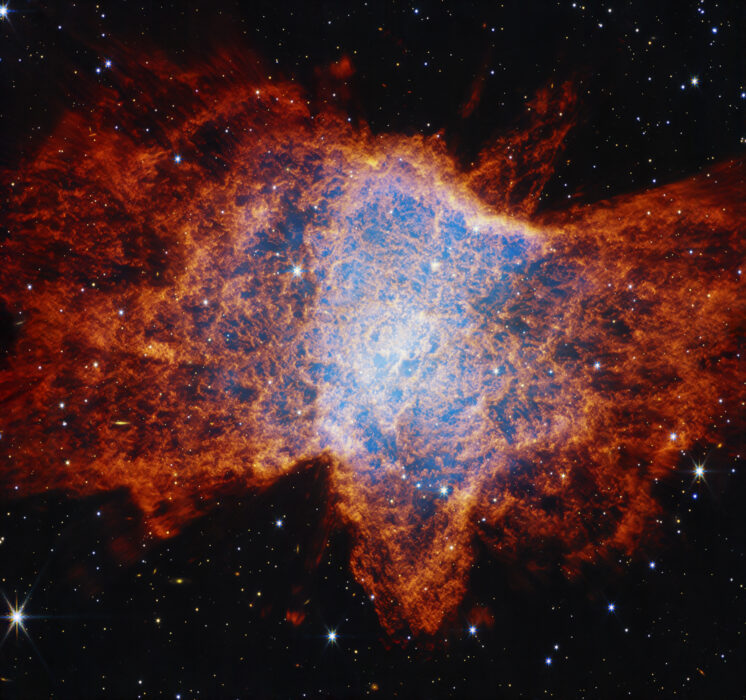
Using infrared light, JWST can see through atmospheric haze to detect cloud layers that older telescopes could not observe. On WASP-107b, Webb discovered thick, high-altitude clouds made of tiny aerosol particles. On WASP-17b, it found evidence of silicate (sand-like) particles that may form glassy clouds swirling through the atmosphere.
These findings show that weather on other planets can be far stranger than anything on Earth. Scientists now believe many exoplanets have dynamic, multilayered cloud systems shaped by extreme heat and fast winds.
5. Some Planets Are Showing Chemistry Scientists Didn’t Expect

Webb’s observations have revealed surprising atmospheric ratios that don’t match standard models of planet formation. For example, several hot Jupiters contain more heavy elements than expected, suggesting they formed differently or migrated from distant regions of their solar systems.
These anomalies are forcing scientists to revisit older theories about how planets form. Webb’s precise measurements of carbon-to-oxygen ratios and other chemical signatures are giving researchers the most detailed clues yet about the origins of alien worlds.
6. JWST Has Confirmed Carbon Dioxide on Multiple Exoplanets
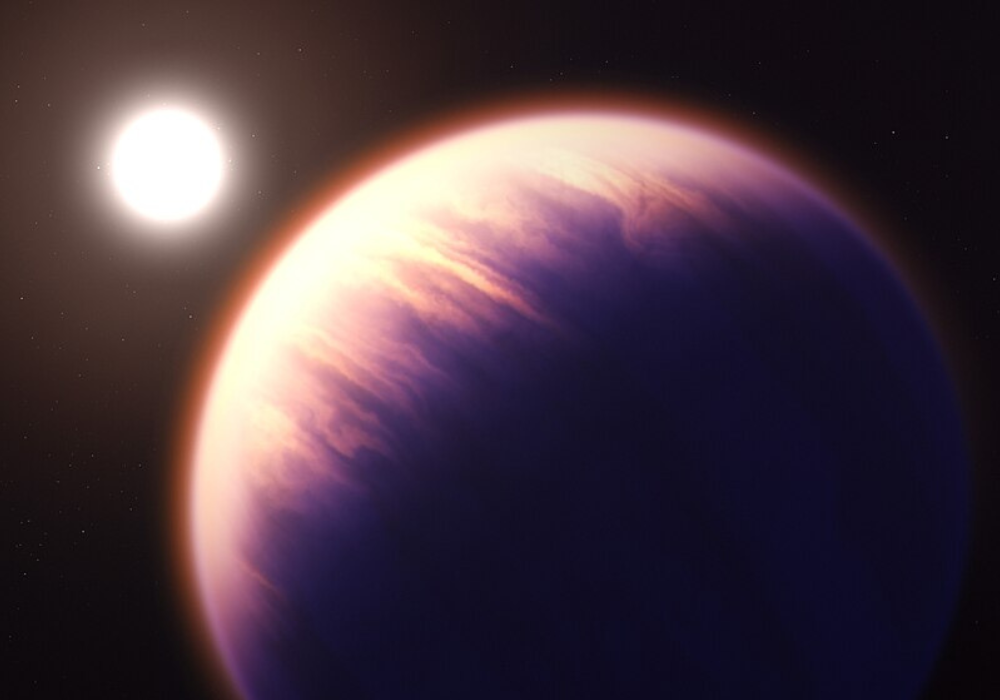
One of Webb’s early breakthroughs was detecting carbon dioxide on the hot gas giant WASP-39b—a first in exoplanet research. Follow-up observations have confirmed CO₂ on additional worlds, proving that Webb can reliably detect major atmospheric components.
This matters because carbon dioxide plays a key role in understanding planet formation and atmospheric structure. JWST’s sensitivity allows scientists to measure how much CO₂ a planet has, helping determine whether it formed close to its star or migrated inward over time.
7. Webb Can Sense the Presence of Alien Hazes and Smog
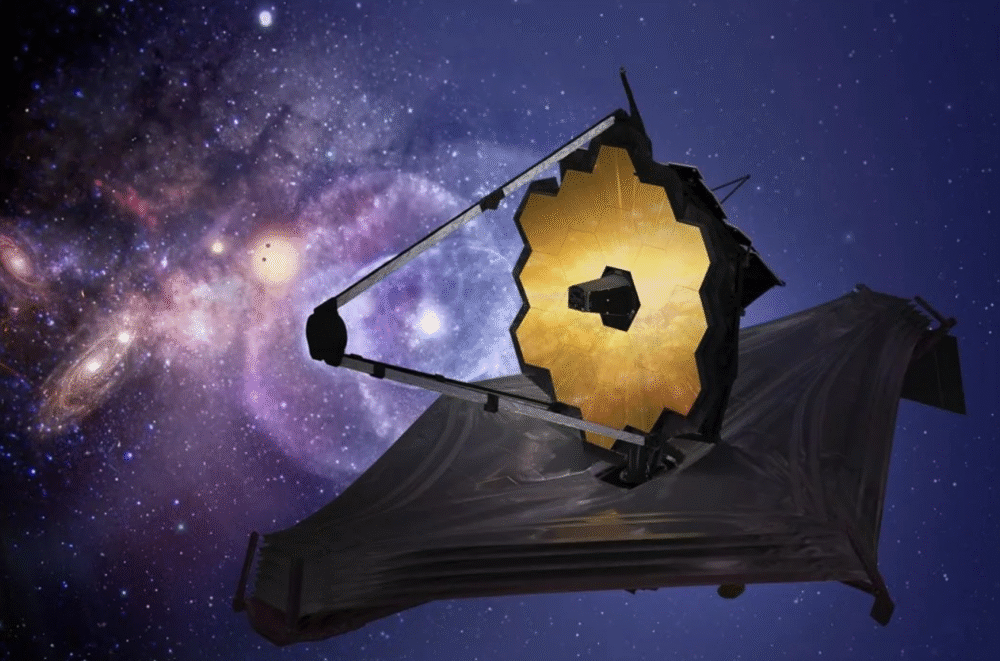
Using near-infrared spectroscopy, JWST has identified hazes on several exoplanets—tiny particles suspended in their atmospheres. These hazes can block or scatter starlight, making planets appear different from what models predict.
Understanding hazes is essential because they influence a planet’s climate and the accuracy of atmospheric measurements. Webb’s ability to detect them from such great distances marks a major advancement in exoplanet science.
8. Strange “Puffy Planets” Are Making Scientists Rethink Planet Structure

Webb has helped study unusually low-density planets like WASP-107b, which is so inflated that it resembles a cotton ball with a tiny core. JWST data helped confirm that the planet’s atmosphere is far more extended than expected, likely due to strong heating from its star.
These findings challenge previous assumptions about how much heat gas giants can absorb and retain. Scientists say these inflated planets may hold clues to the limits of planetary physics.
9. Webb Is Finding Evidence of Powerful Winds and Extreme Weather
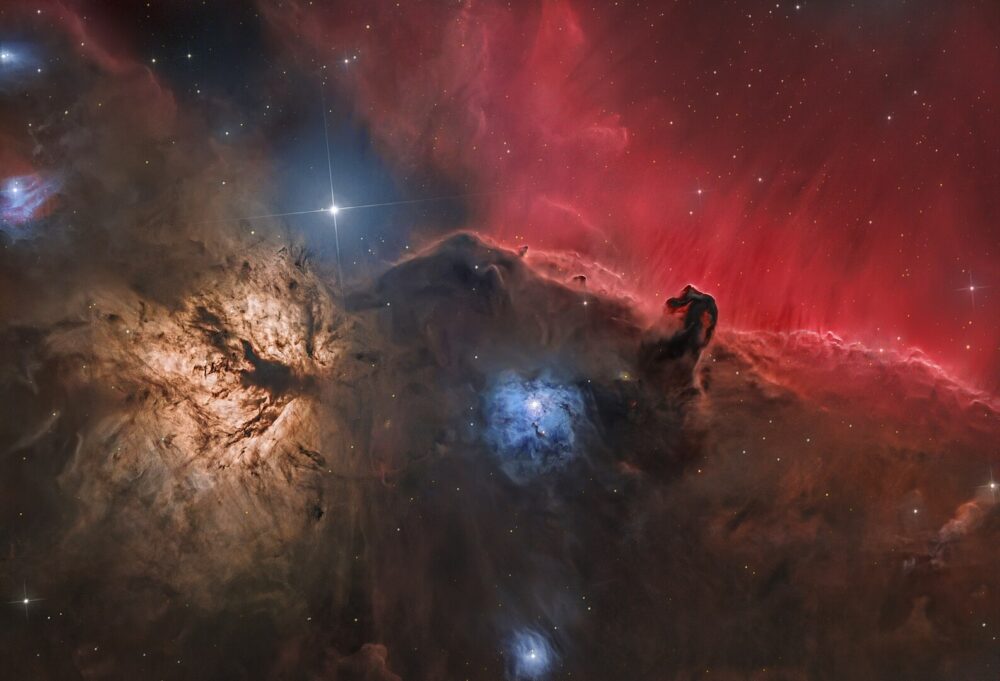
Infrared measurements reveal wind speeds on some exoplanets reaching thousands of miles per hour. On tidally locked worlds, heat from the dayside is often carried around the planet by superheated jet streams. Webb has detected these shifts by observing how temperature changes across the planet’s surface.
These weather signatures help researchers understand how atmospheres behave under conditions far beyond anything seen in our solar system—valuable information for refining climate models.
10. JWST Has Detected Water Vapor on Multiple Distant Worlds

Webb’s instruments have identified water vapor signatures on several exoplanets, including WASP-96b and WASP-39b. While none of these planets are habitable—they’re all gas giants—detecting water demonstrates Webb’s power to identify key molecules.
Water vapor is essential for understanding a planet’s temperature, formation, and atmospheric chemistry. JWST’s success in spotting it paves the way for analyzing smaller, Earth-sized planets in the future.
11. Webb’s Future Observations Could Identify Habitable World Candidates
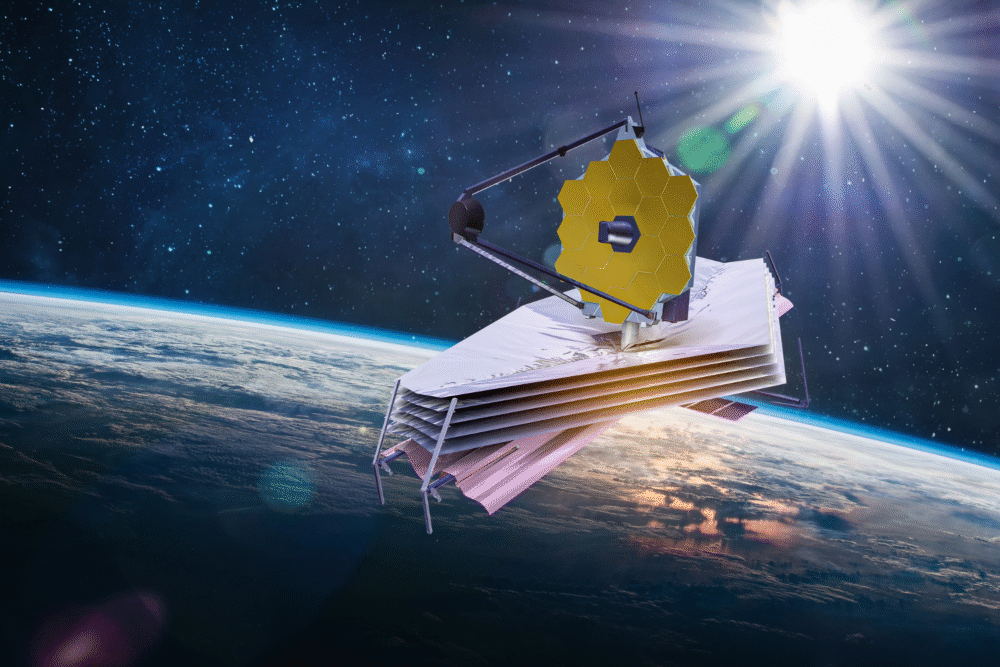
Scientists say the most exciting discoveries are still ahead. JWST is scheduled to observe several rocky planets in systems like TRAPPIST-1, searching for signs of atmospheres, heat patterns, and possible water vapor. While no evidence of life has been detected, Webb’s sensitivity could reveal whether any of these worlds have conditions that might support habitability.
These upcoming observations may determine whether small, Earth-like planets can hold onto atmospheres—and could mark the biggest breakthrough in exoplanet research yet.