
Forget fad diets—Italy’s slow, structured approach to meals could be the secret to lasting weight control.

Italians have long been admired for their effortless relationship with food—enjoying pasta, wine, and dessert without the guilt or constant calorie counting. But their secret isn’t about restriction; it’s about rhythm. Studies show that Italians tend to eat on a consistent schedule, savor meals slowly, and avoid the all-day snacking common elsewhere. These habits help regulate hunger, improve digestion, and naturally limit overeating—offering a balanced, sustainable approach to eating that keeps both body and mind satisfied.
1. Italians Eat on a Schedule—Not on Impulse

Unlike many Americans who grab snacks throughout the day, Italians follow a structured meal rhythm. Breakfast, lunch, and dinner happen at predictable times, often with several hours in between. This routine gives the body time to digest and recognize true hunger cues.
Nutrition experts say consistent eating patterns help stabilize blood sugar levels and prevent overeating. The predictability also reduces mindless snacking, a major factor in unnecessary calorie consumption throughout the day.
2. Breakfast Is Light, Simple, and Never Rushed

An Italian morning meal is usually small—often just a cappuccino and a pastry or toast with jam. It’s meant to start the day pleasantly, not to fill up. The real fuel comes later, at lunch, when families enjoy their largest meal together.
This approach contrasts with heavy American breakfasts loaded with sugar and fat. By keeping mornings light, Italians avoid midmorning crashes and give digestion an easy, steady start to the day.
3. Lunch Is the Main Event of the Day

For Italians, lunch is the most important meal—often a leisurely, sit-down experience that may include multiple small courses. Meals feature fresh vegetables, grains, and moderate portions of meat or fish, eaten slowly and socially.
Because lunch provides lasting nourishment, it reduces the urge to snack later. Scientists say this midday focus aligns with the body’s circadian rhythm, allowing for better digestion and energy balance compared to late, heavy dinners.
4. Dinner Is Lighter and Earlier Than You Might Expect

Italians rarely eat large, late dinners. The evening meal, or cena, typically includes soup, salad, or a small pasta dish rather than rich entrées. It’s a time to unwind, not indulge.
Ending the day with a light meal gives the digestive system time to rest before sleep. Studies show that eating earlier and in smaller portions can improve metabolism and reduce the risk of nighttime acid reflux or weight gain.
5. Snacking Between Meals Is Rare—and Intentional

In Italy, snacks aren’t eaten out of boredom or habit. When Italians do snack, it’s often a small espresso, a piece of fruit, or a handful of nuts enjoyed midmorning or late afternoon. The goal is to bridge the gap, not replace a meal.
This mindful approach prevents the constant grazing that leads to overeating. By giving the body time to feel hunger again, Italians naturally maintain a healthier relationship with food.
6. Portion Sizes Are Smaller but More Satisfying
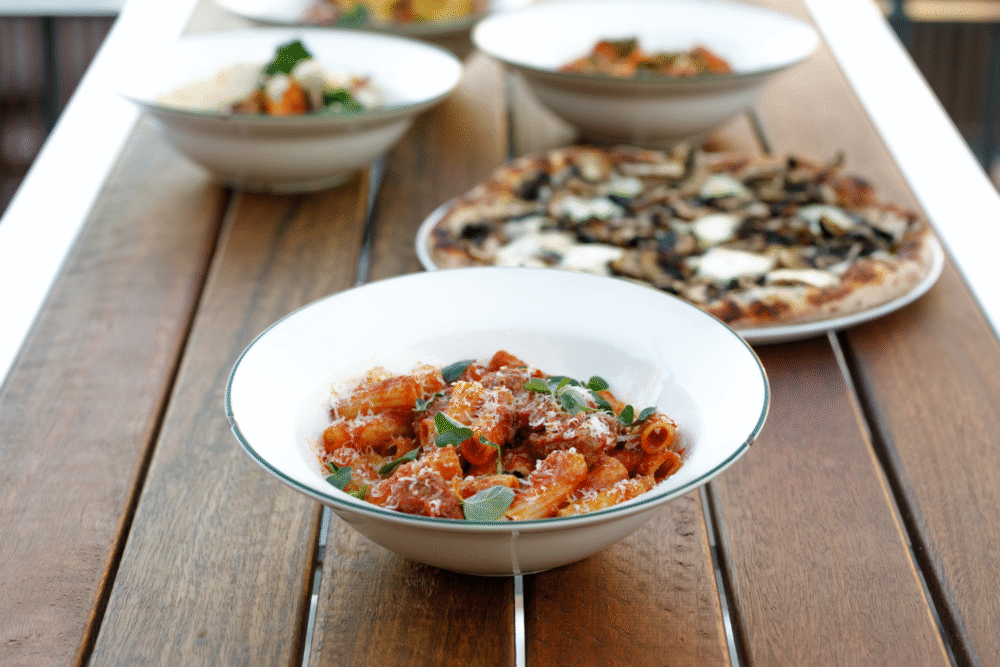
Italian meals are rich in flavor, texture, and freshness—but portions are moderate. Italians value quality over quantity, savoring each bite rather than piling their plates. Even indulgent foods like pasta and gelato are enjoyed in small, satisfying amounts.
This philosophy helps regulate calorie intake without strict rules or guilt. Research shows that when food is eaten mindfully, people tend to consume fewer calories while feeling more satisfied overall.
7. Meals Are a Social Event, Not a Solo Task

Eating in Italy is rarely rushed or done alone. Meals are social rituals meant to connect family and friends. Talking between bites slows down eating naturally, giving the body time to recognize fullness.
Psychologists say communal dining improves mood, digestion, and satisfaction. It transforms food from a source of anxiety into an experience of pleasure and belonging—key reasons Italians tend to maintain healthy relationships with what they eat.
8. Fresh, Local Ingredients Take Priority
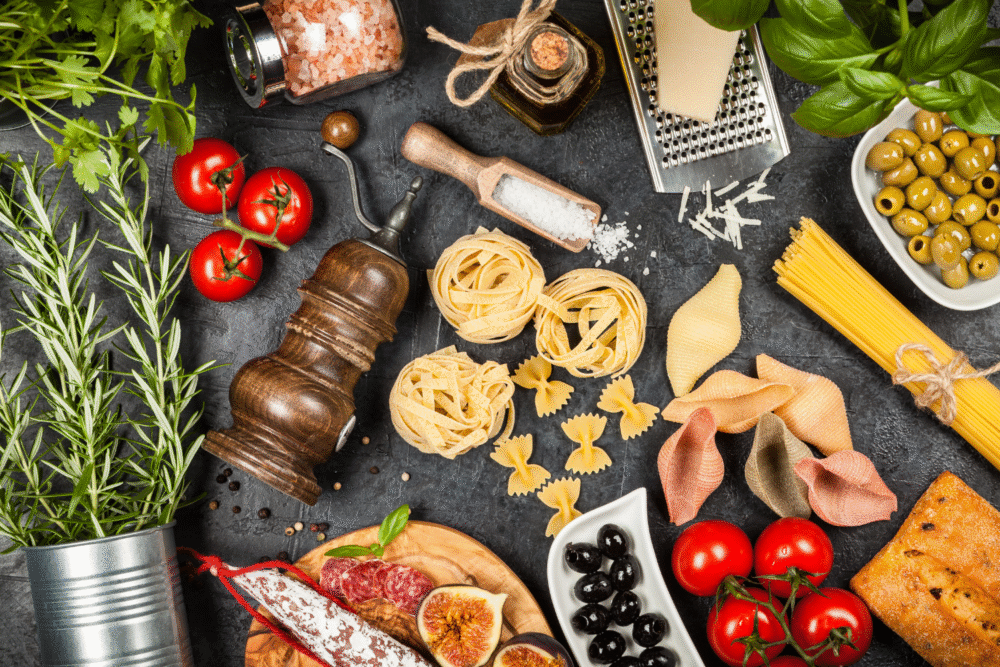
The Italian diet emphasizes simple ingredients prepared well—fresh produce, olive oil, seafood, herbs, and grains. Processed foods and artificial flavors are less common, and many households shop daily for what they need.
Researchers link this “fresh first” approach to lower rates of obesity and heart disease. Meals built from whole foods provide better nutrition, support digestion, and eliminate the hidden sugars and additives found in heavily processed products.
9. Olive Oil Replaces Butter and Processed Fats

Instead of cooking with butter or vegetable oils, Italians rely on extra-virgin olive oil—a cornerstone of Mediterranean cuisine. Rich in antioxidants and healthy fats, it helps reduce inflammation and improve heart health.
Nutrition experts say substituting olive oil for processed fats can significantly lower cholesterol and support weight management. It’s one of the simplest yet most effective changes anyone can make when adopting Italian-style eating habits.
10. Italians Take Their Time at the Table
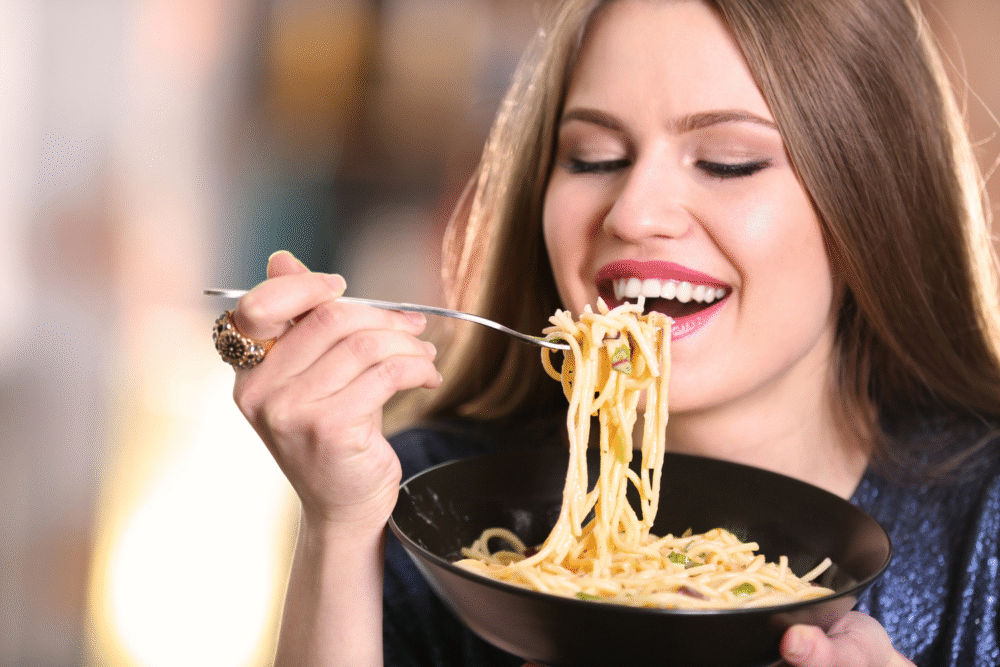
Speed-eating is virtually unheard of in Italy. Even weekday meals are unhurried, allowing time to savor textures, aromas, and conversation. This slower pace aids digestion and signals satiety before overeating occurs.
Scientists have found that slow eaters tend to consume fewer calories overall. By eating mindfully—one of the most ingrained Italian habits—people naturally align with their body’s hunger and fullness cues.
11. Dessert Isn’t Off-Limits, Just Balanced
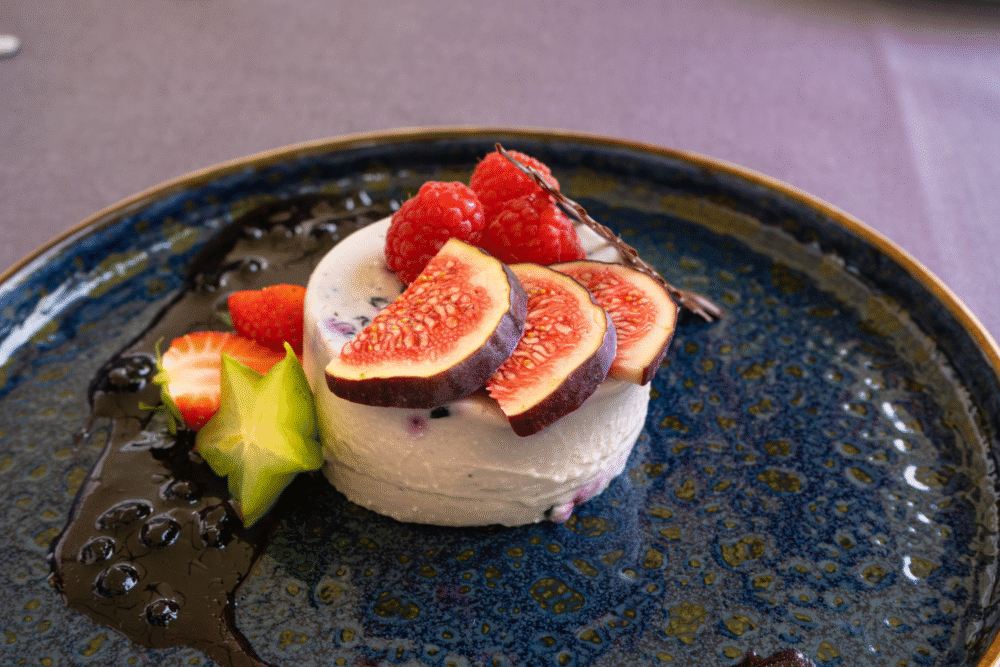
Italians love sweets, but they enjoy them in moderation. A small scoop of gelato, a piece of dark chocolate, or a slice of fruit-topped tart is savored without guilt. Dessert is a treat, not a routine.
This healthy relationship with indulgence helps prevent the binge-and-restrict cycle common in diet culture. Italians show that you don’t need to give up pleasure to eat well—you just need to practice balance.
12. Water and Wine Replace Sugary Drinks

At mealtime, Italians usually drink water or a small glass of wine, not sodas or sweetened beverages. Even coffee is consumed without heavy creamers or syrups. This keeps sugar intake naturally low without conscious effort.
By choosing simple, traditional drinks, Italians cut hundreds of excess calories each week. Hydration also supports digestion and keeps energy steady between meals, reinforcing the natural rhythm of Italian-style eating.
13. It’s a Lifestyle, Not a Diet—and That’s Why It Works

The Italian approach isn’t about rules, restrictions, or calorie tracking. It’s a sustainable way of living centered on structure, enjoyment, and quality food. Because it doesn’t feel like a diet, it’s easier to maintain long-term.
Nutritionists agree that the best eating habits are the ones that fit seamlessly into daily life. By focusing on pleasure, pace, and portion balance, Italians have built one of the healthiest—and happiest—food cultures in the world.