
New research tracks rapid Himalayan glacier loss, warning billions may face water risks sooner than expected.
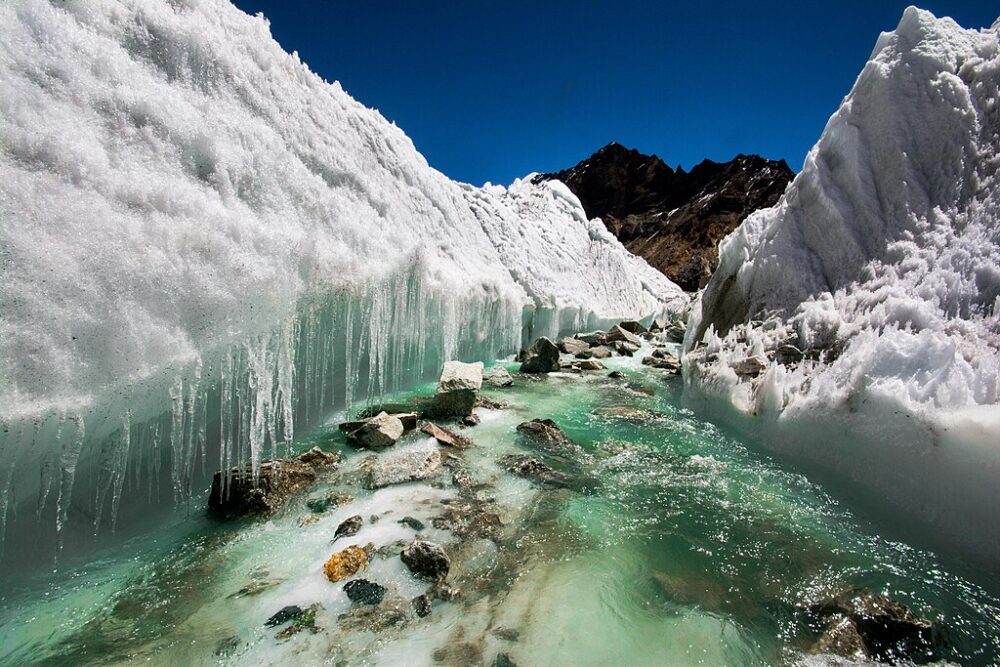
A landmark study released in November 2025 highlights that Himalayan glaciers—often called Earth’s “Third Pole”—are melting at unprecedented rates. The interactive report from The New York Times uses satellite imagery and regional field data to confirm ice mass losses that threaten water supplies for billions of people across South and Central Asia. With warming climates accelerating glacier retreat, scientists warn the consequences extend beyond mountain scenery: from flash floods and river shortages to long-term risk for agriculture and energy systems.
1. Himalayan Glaciers Are Melting Faster Than at Any Time in Recorded History
Satellite measurements collected over the past two decades show that ice loss in the Himalayas has doubled compared to the late 20th century. The region is warming faster than the global average, and even high-altitude peaks once considered permanently frozen are now losing mass every year.
Scientists say this acceleration is tied directly to rising temperatures, darker soot deposits on ice, and shifts in seasonal snowfall. Together, these factors are shrinking some glaciers by multiple feet of vertical thickness annually.
2. The Region Is Known as Earth’s “Third Pole” for a Reason
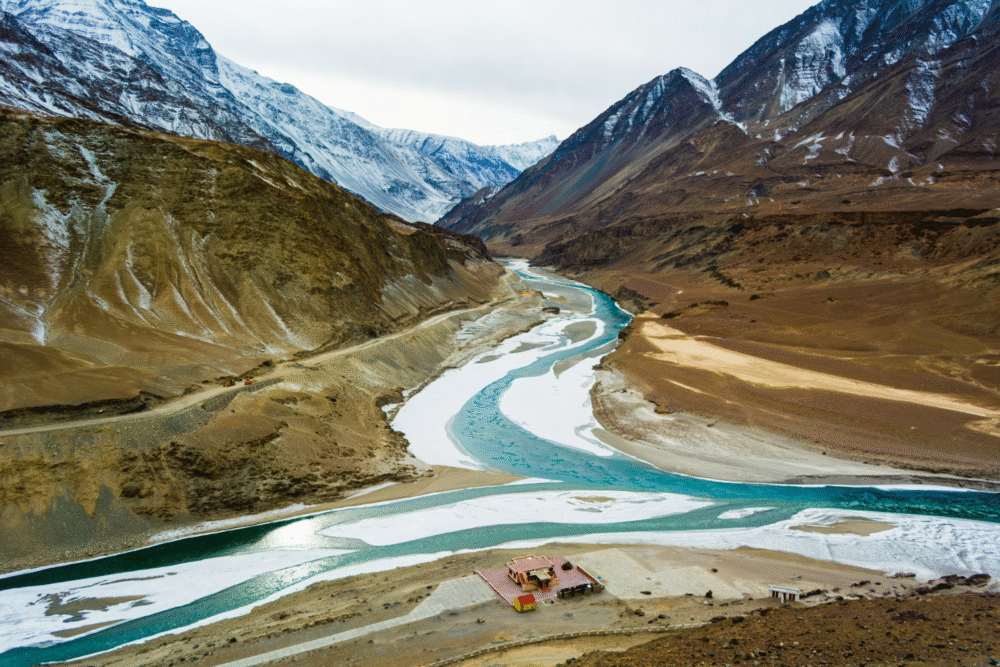
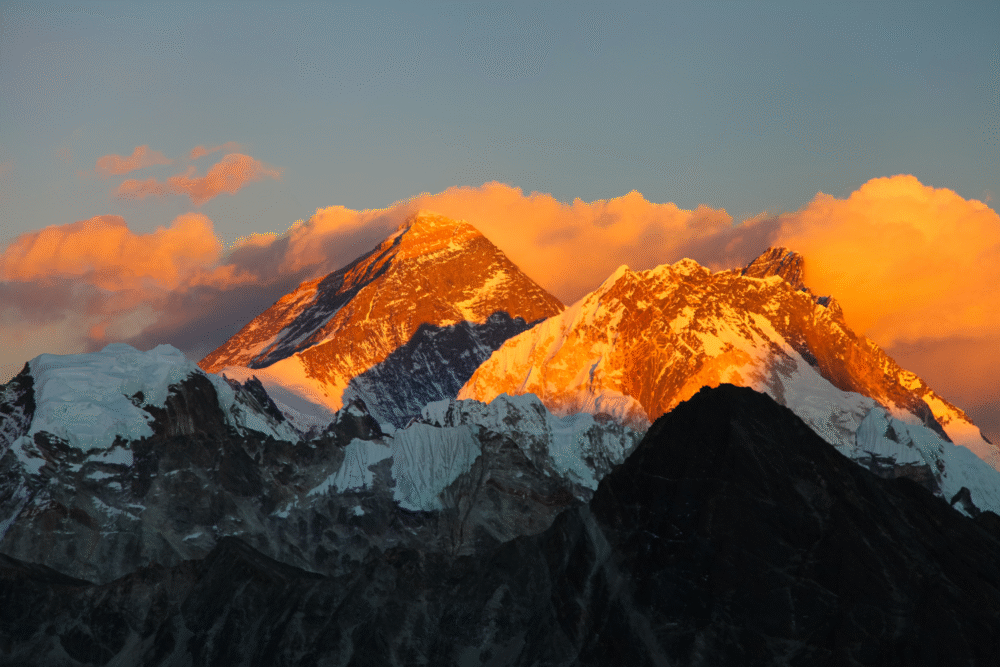
The Himalayas contain more ice than anywhere on Earth outside the Arctic and Antarctic—earning them the nickname “Third Pole.” This vast storage of frozen water feeds major rivers including the Ganges, Indus, Brahmaputra, Yangtze, and Mekong.
Because billions of people rely on these rivers for drinking water, farming, and energy, the stability of Himalayan ice has global importance. Rapid melt threatens to disturb a finely balanced water system that has supported civilizations for thousands of years.
3. Rivers Supplying Billions Are Becoming Increasingly Unpredictable
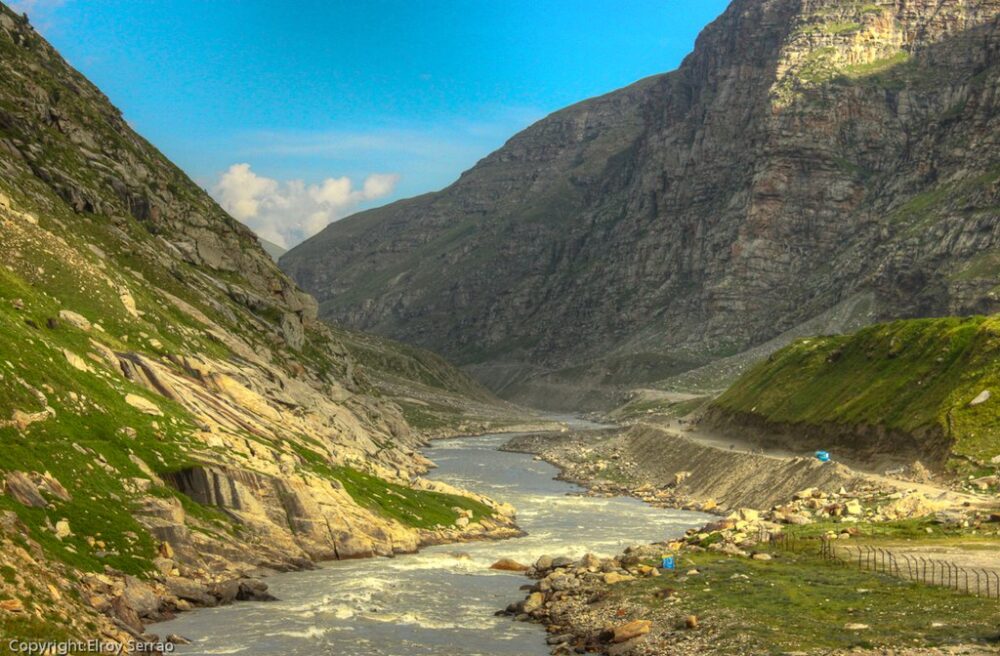
As glaciers melt more quickly, rivers initially swell with excess water. But when glaciers shrink beyond a critical point, downstream flow declines, especially during dry seasons when meltwater historically filled the gap. Scientists now warn that some basins may hit this turning point sooner than expected.
Communities in India, Nepal, Pakistan, Bhutan, and China already report seasonal water shortages linked to altered glacier runoff. Long-term models suggest that without intervention, the region could face severe water stress by mid-century.
4. Rapid Melt Creates Dangerous “Glacial Lake Time Bombs”
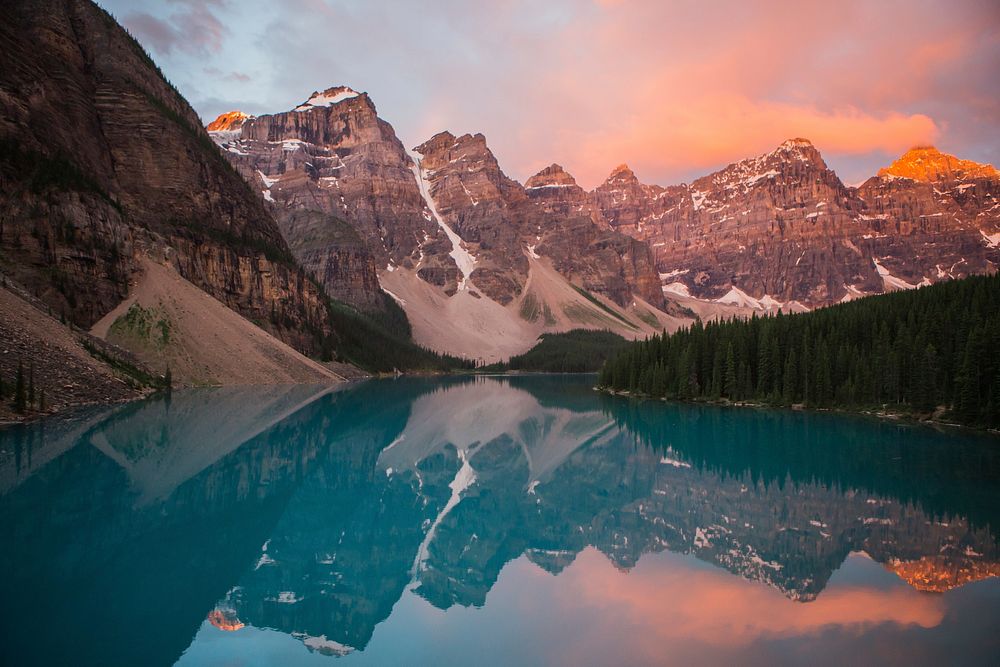
When glaciers retreat, they leave behind large lakes dammed by fragile walls of rock and ice called moraines. As the lakes grow larger, they can suddenly burst, sending catastrophic floods downstream—known as glacial lake outburst floods (GLOFs).
Scientists have identified hundreds of growing lakes across the Himalayas that now pose significant risk to villages and infrastructure. Several deadly GLOFs have already occurred in Nepal and India over the past two decades, and warming temperatures increase the probability of more.
5. Entire Valleys Are Becoming More Vulnerable to Flash Floods
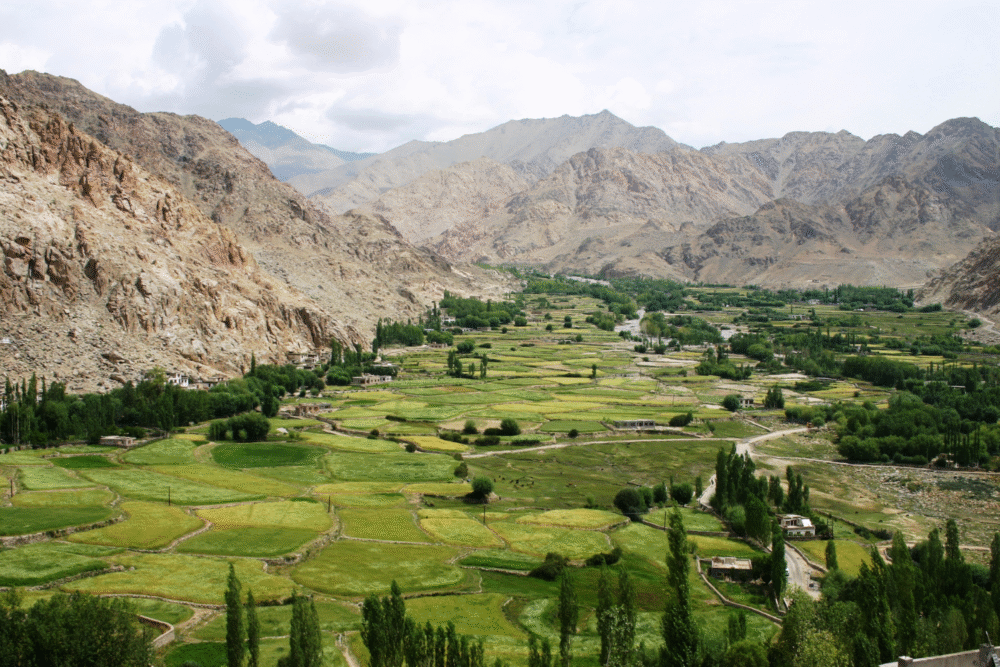
Satellite analysis shows large portions of steep Himalayan terrain becoming destabilized as ice that once held rocks and soil in place disappears. When heavy rains fall on newly exposed slopes, flash floods and landslides occur more easily.
The combination of extreme rainfall events—now more common due to climate change—and rapid glacier retreat creates dangerous conditions for communities in narrow mountain valleys. This was a key factor in recent deadly floods in Uttarakhand, India.
6. Hydropower Plants Downstream Are Facing Growing Uncertainty
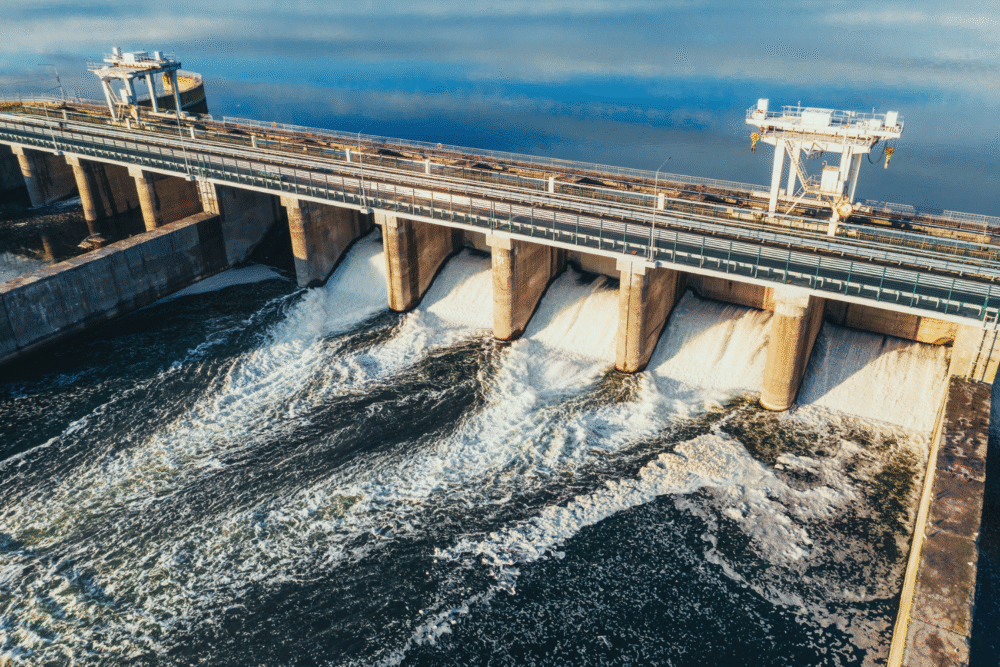
Many Himalayan nations depend heavily on hydropower, and dam operators rely on predictable river flow to generate electricity. As glacier-fed river systems become more erratic, power supplies may fluctuate more than in the past.
In places like Nepal and Bhutan, where hydropower makes up a large portion of national income, changing meltwater patterns have already complicated long-term planning. Scientists warn that increased sediment from melting glaciers may also damage turbines and reduce dam lifespans.
7. Farmers Are Seeing the Impacts in Their Seasonal Water Supply
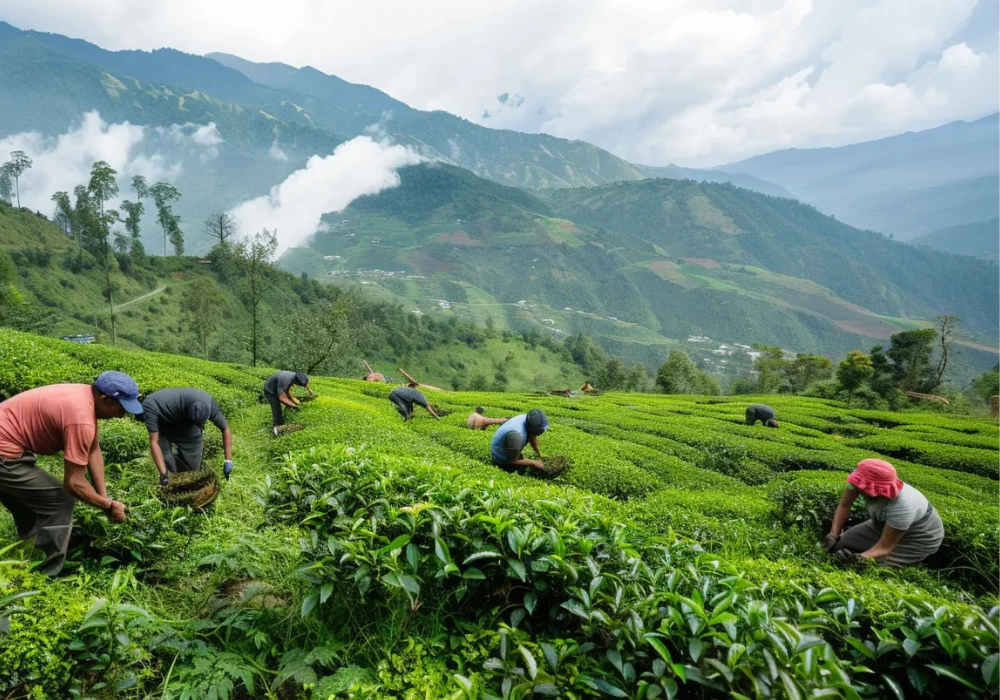
Agriculture across India, Pakistan, Nepal, and Bangladesh depends on meltwater that feeds irrigation systems during dry months. As glaciers shrink, this buffer is weakening, increasing pressure on farmers who already face extreme heat and shifting rainfall.
Studies show that regions dependent on the Indus River—which receives up to 40% of its water from melt—are among the most vulnerable. Reduced dry-season flow could directly impact food production for millions.
8. Warming at High Elevations Is Happening Faster Than Expected
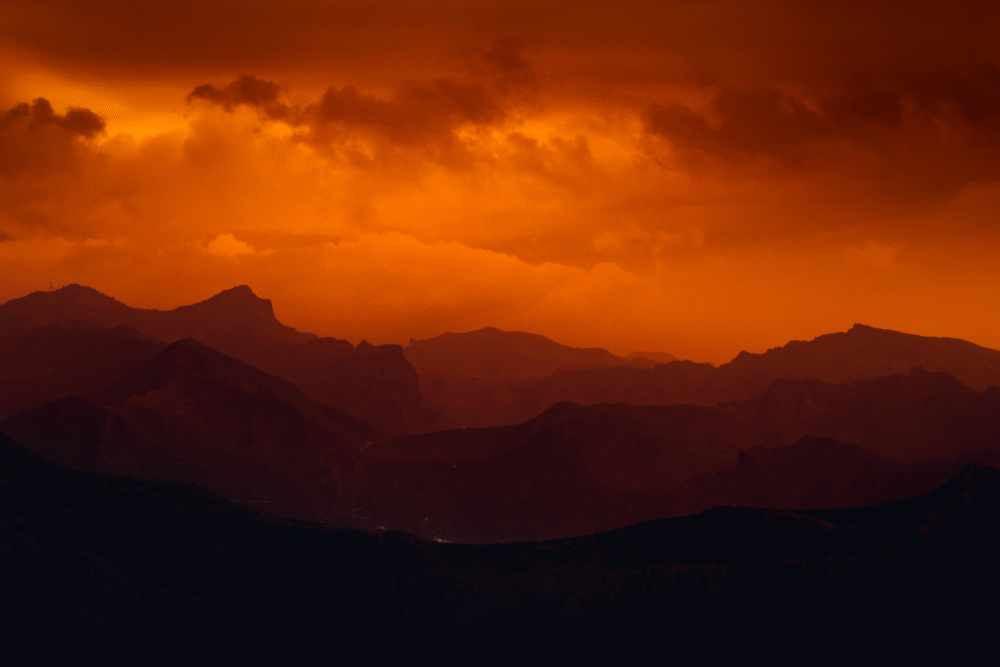
Scientists once believed that extreme elevation would slow warming, but new data shows that high-altitude areas in the Himalayas are warming more quickly than lower elevations. This is partly due to a feedback loop: as snow and ice vanish, dark rock absorbs more heat.
This means not only are glaciers melting rapidly now, but the conditions that protect them are disappearing too. Even the highest peaks, once thought immune to change, are showing measurable ice loss.
9. Traditional Mountain Communities Are Being Forced to Adapt
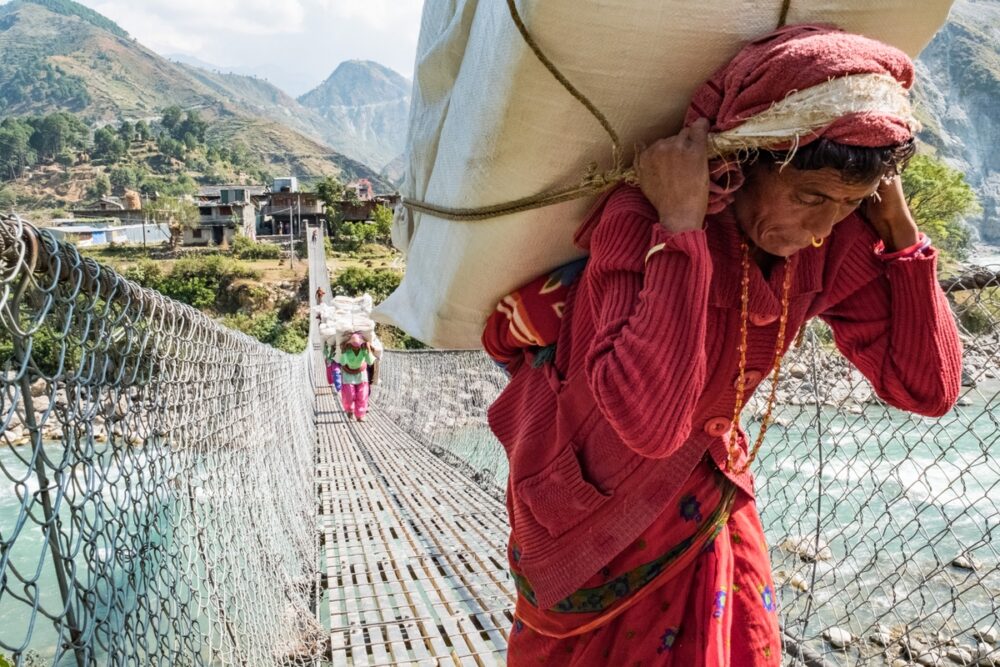
Villages that have depended on glacier-fed springs for generations are seeing their water sources shrink or disappear entirely. Some communities in Nepal and northern India have already relocated due to water shortages or glacial lake threats.
These shifts highlight a growing humanitarian concern: climate-driven displacement in remote mountain regions where adaptation options are limited. Local governments and nonprofits are working to install new water systems, but challenges remain enormous.
10. Scientists Say the Window for Prevention Is Narrow

Research shows that if global emissions remain high, the Himalayas could lose up to 80% of their current ice by the end of the century. Even under more moderate scenarios, glaciers will continue retreating for decades due to heat already absorbed by the planet.
However, researchers emphasize that aggressive climate action can still preserve a significant amount of ice—especially for glaciers at higher elevations, which may stabilize if warming slows.
11. The Future Stability of Asia’s Water Supply Depends on Today’s Decisions
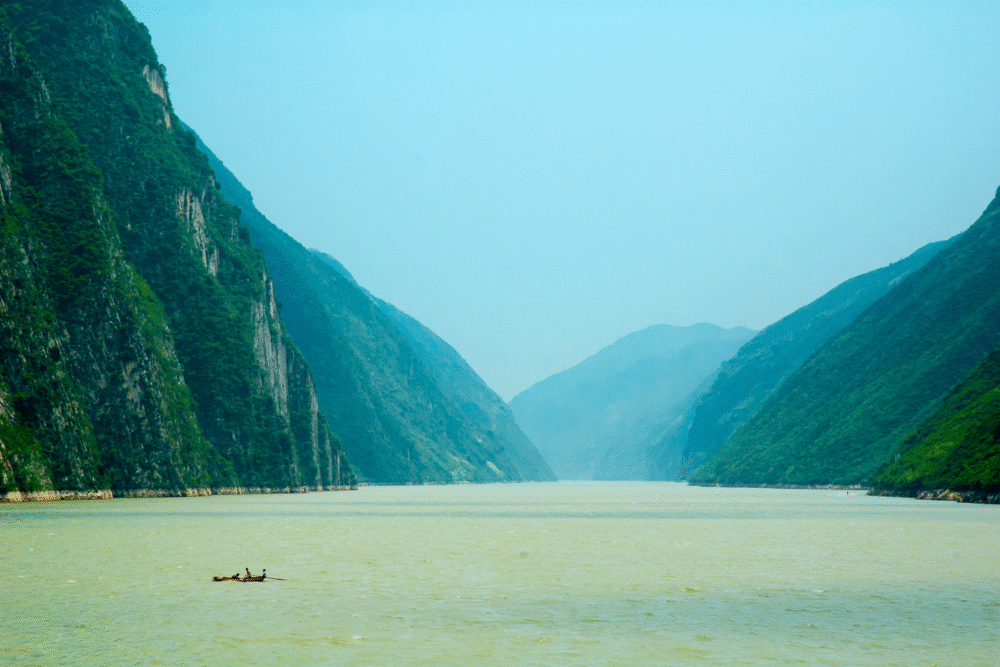
The changes unfolding in the Himalayas are not isolated—they ripple through the economies, cities, and farms of one-third of humanity. As the glaciers shrink, the reliability of water for drinking, farming, and energy becomes less certain.
Scientists say that governments across Asia must prepare for shifting water availability by investing in reservoirs, early-warning systems, and climate adaptation strategies. The choices made now will determine whether communities face manageable changes or severe shortages in future decades.