
From food to housing, the rising cost of survival could soon push everyday life out of reach.

Climate change isn’t just reshaping the planet—it’s reshaping your wallet. The price of basics like food, water, and energy is climbing faster than most households can keep up with. What once felt stable and affordable is now unpredictable, as extreme weather, droughts, and rising demand strain the systems we rely on every day.
For millions, the cost of survival is no longer a background worry but a growing threat to daily life. The reality is stark: in a warming world, even the essentials may soon feel out of reach.
1. Drought is making water the new gold

Rivers are drying, reservoirs are shrinking, and once-reliable water supplies are turning uncertain. Cities across the globe are already rationing, and farms are fighting over dwindling resources. What was once a guaranteed right—the ability to turn on a tap—can no longer be assumed.
As supplies tighten, water bills are climbing fast. Families are being warned to prepare for skyrocketing prices, and some communities may see water traded like oil. The luxury of unlimited access is ending. In a hotter world, clean water is becoming less a public good and more a scarce commodity with a steep price.
2. Crops are collapsing and food prices are exploding

Droughts, floods, and shifting weather patterns are battering global agriculture. Wheat fields shrivel, fruit harvests fail, and coffee plants wither under relentless heat. Crops that once seemed dependable are becoming harder to grow, and entire regions are watching their agricultural output collapse.
For consumers, the results show up at checkout lines. Grocery bills climb higher with every season, and staples like bread, coffee, and fresh produce feel less affordable. Families are forced to stretch budgets further, cutting corners on nutrition just to cope. The global food system is fraying, and with it, the promise of affordable meals.
3. Climate-safe housing is pushing prices sky-high

As seas rise and wildfires spread, people are moving away from danger zones. The migration fuels skyrocketing housing demand in regions considered “climate safe,” creating bidding wars and driving prices well beyond reach. Affordable housing in safer areas is quickly disappearing.
Families with modest incomes are being priced out entirely, forced to remain in riskier zones or endure crushing rents. Climate change isn’t just deciding where people live—it’s deciding who can afford to live at all. The dream of homeownership, once central to stability, may vanish as safe ground becomes one of the scarcest resources of all.
4. Energy bills are soaring with every heat wave
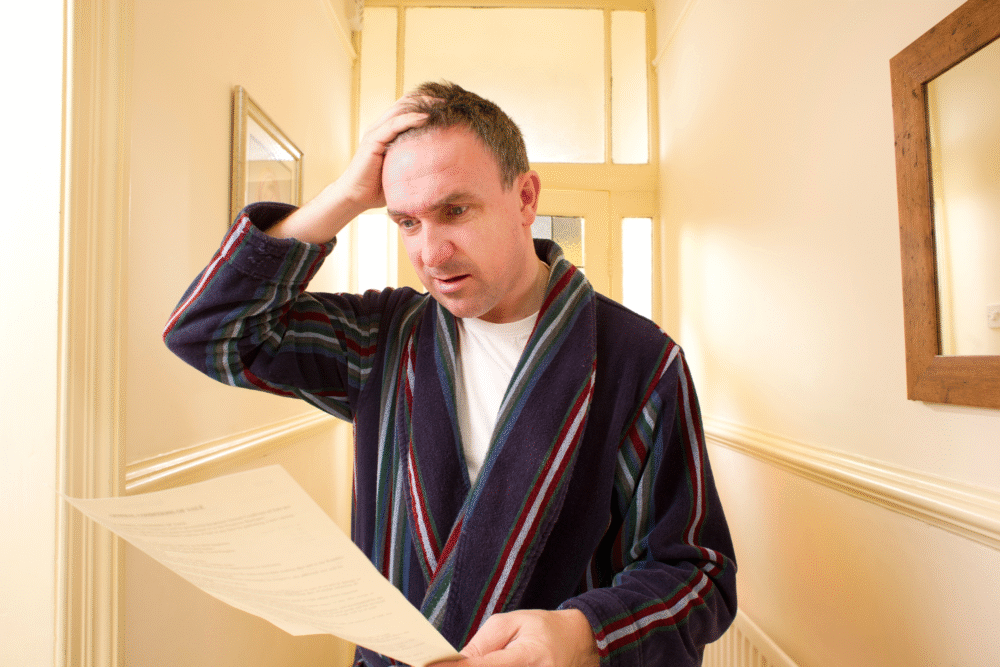
Extreme weather is driving demand for more heating and cooling. Record-breaking summers force households to run air conditioners nonstop, while unexpected cold snaps leave heating systems working overtime. Utilities can’t keep up without passing massive costs onto consumers.
What was once a manageable monthly bill now feels like a financial blow. Families face the impossible choice between comfort and survival, often cutting back elsewhere just to pay energy companies. In hotter summers and colder winters, electricity isn’t just a service—it’s a lifeline. And that lifeline is becoming more expensive with every passing season.
5. Insurance is vanishing when it’s needed most

Homes in flood zones, coastal areas, and fire-prone regions are becoming uninsurable. Companies are pulling out of entire states, leaving homeowners stranded without coverage. For those who can find policies, premiums are rising so steeply they’re out of reach.
Insurance was once a safety net, but now it’s becoming a privilege for the wealthy. A single storm, fire, or flood could wipe out everything without hope of rebuilding. Families who spent decades building security are being left exposed. The places most at risk are the least likely to be protected, and survival is growing more precarious.
6. Transportation is no longer cheap or reliable

Roads buckle under heat, railways flood, and airports shut down from violent storms. Infrastructure built for a stable climate is struggling in the face of new extremes. Add rising fuel costs, and the price of transportation is climbing sharply.
Travelers and commuters are already feeling the squeeze. Shipping delays drive up consumer prices, flights become more expensive, and even basic commuting strains wallets. Moving from one place to another—something people once took for granted—is becoming increasingly difficult. For many, transportation will shift from a daily convenience to a growing financial burden they must carefully calculate.
7. Health care costs are climbing with climate disasters

Heat stroke, asthma, and mosquito-borne diseases are spreading as global temperatures rise. Wildfire smoke worsens respiratory illnesses, and heat waves send emergency room visits soaring. Hospitals are under enormous pressure, and costs rise for both treatment and insurance.
Families are shouldering the burden. Premiums climb higher, out-of-pocket expenses grow, and those without coverage fall deeper into debt. Climate change is reshaping public health, and it’s draining wallets at the same time. Survival isn’t just about shelter and food anymore—it’s about staying healthy in an environment that’s actively working against human bodies. And it’s growing costlier every year.
8. Extreme weather is wrecking supply chains worldwide

Flooded ports, burned warehouses, and washed-out roads are disrupting the movement of goods. A single storm now triggers ripple effects that leave shelves empty and costs inflated for months. Supply chains that once seemed stable are unraveling.
For consumers, that means higher prices for everything from electronics to clothing. The cost of climate disasters doesn’t end with cleanup—it follows into every store aisle. When supply chains falter, the essentials become harder to find and more expensive. Shoppers are learning that the price tag on everyday goods carries the hidden toll of a destabilized planet.
9. Families are left defenseless as coverage disappears

Without affordable insurance, families hit by disasters lose everything. Homes, savings, and stability vanish in a single storm or fire. The fallout is catastrophic, leaving people unable to recover or rebuild.
The gap between the insured and uninsured is widening into a chasm. Wealthier households can rebuild, but millions of others are left to start over with nothing. Climate change is turning everyday people into climate refugees in their own nations, trapped by financial loss. For many, one disaster will mean permanent poverty rather than temporary hardship.
10. Climate migration is driving up costs in safer regions
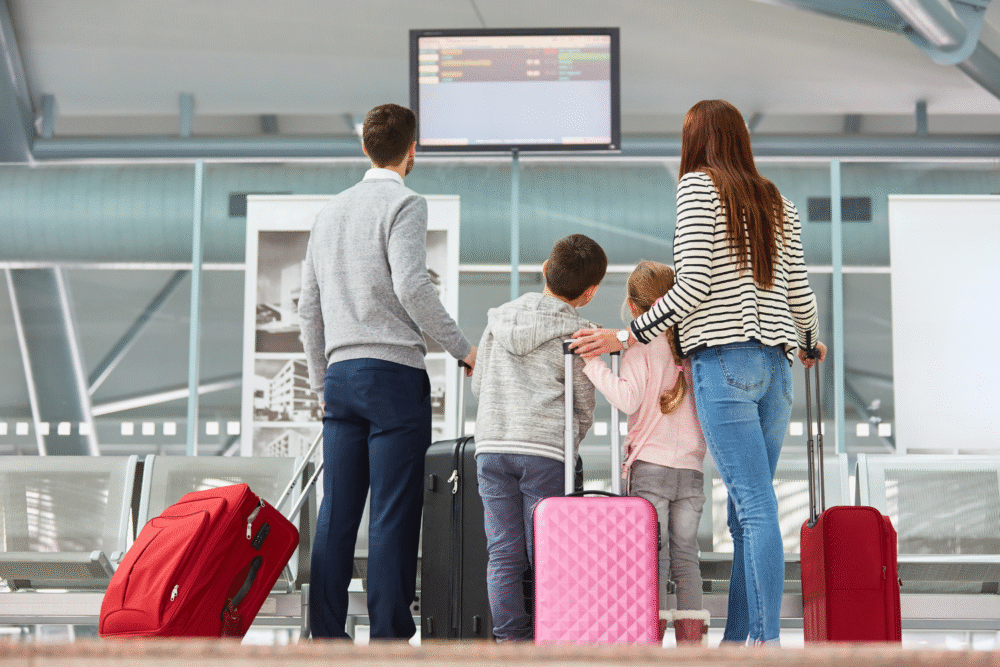
Millions are already relocating from coasts, fire-prone forests, and drought-ravaged plains. As they move, safer regions are straining under the pressure of sudden population booms. Housing, food, schools, and services buckle under demand.
The result is soaring costs in cities that once felt stable. Rents rise, taxes climb, and resources are stretched thin. Climate change isn’t only creating refugees across borders—it’s reshaping economies inside nations. Where people once moved for opportunity, they’re now moving for survival, and that shift is rewriting what affordability means in every corner of the map.
11. Everyday goods are carrying hidden climate costs

Nearly every product we buy depends on vulnerable supply chains and natural resources. Cotton fields fail, rare earth mining is disrupted, and factories face power shortages. Rising costs in production ripple outward into higher price tags.
The shift is already obvious on store shelves. Sneakers, phones, and even basic household goods are creeping upward in price. Climate disasters are no longer isolated—they’re baked into the global economy. What used to be affordable everyday purchases may soon feel like luxury splurges. Consumers are already paying for climate change, whether they realize it or not.
12. Savings are no match for climate-driven inflation

Nest eggs once seen as security are shrinking faster than families can replenish them. Rising costs for food, housing, insurance, and energy erode savings each year. The money meant for retirement or college is now used just to keep pace.
Even the most responsible savers can’t keep up. Inflation linked to climate disruptions adds volatility that no budget can predict. Families are discovering that financial planning built on past assumptions no longer holds up in the new reality. Climate inflation isn’t just a strain—it’s rewriting what financial stability looks like.
13. The price of survival will define the future

Survival once meant food, water, and shelter—essentials people assumed would always be there. Climate change is tearing that assumption apart, making basic necessities harder to access and far more expensive.
The cost of living will no longer be about comfort, but about survival itself. Entire generations may grow up seeing water, food, and safety as luxuries rather than guarantees. Climate change isn’t just reshaping weather—it’s reshaping the economy of daily life. And for millions, the rising cost of survival will become the story of their lifetime.