
Scientists warn a massive Antarctic ice collapse could trigger flooding that reshapes coastlines across the globe.

While politicians debate climate policy and scientists measure global temperatures, something catastrophic might already be happening beneath your feet—or rather, beneath the world’s most remote ice sheets.
Deep under Antarctica’s frozen surface, warm ocean water is quietly eating away at massive ice shelves that hold back enough ice to raise global sea levels by several feet. This isn’t a distant future scenario that might happen in 100 years; satellite data shows the collapse is accelerating right now, and some researchers believe we’ve already crossed critical tipping points that make catastrophic flooding inevitable.
1. Underwater robots reveal ice sheets melting from below at terrifying speeds
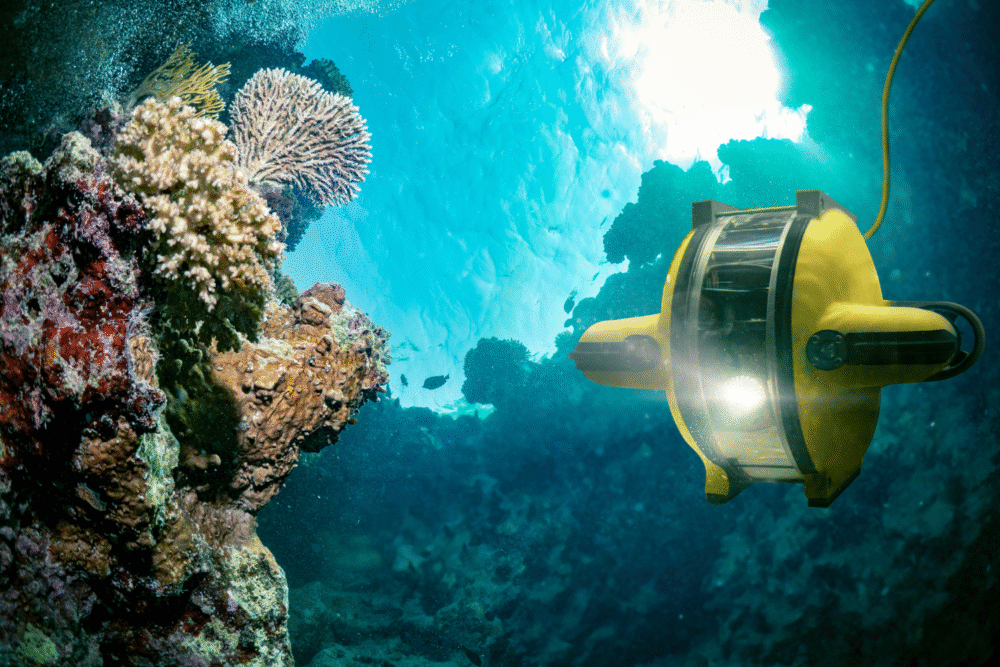
Scientists recently deployed autonomous underwater vehicles beneath Antarctic ice shelves and discovered that warm ocean water is melting ice from underneath far faster than anyone predicted. These robotic explorers found massive cavities carved out by seawater that’s just a few degrees above freezing—enough to dissolve ice barriers that have existed for thousands of years.
The Thwaites Glacier, nicknamed the “Doomsday Glacier,” is losing ice equivalent to the entire state of Florida every few years. Underwater cameras show dramatic footage of ice cliffs collapsing directly into the ocean as warm water undermines their foundations. This process is largely invisible from satellite imagery, meaning the true extent of ice loss has been dramatically underestimated.
2. Ancient ice sheets are collapsing faster than computer models thought possible
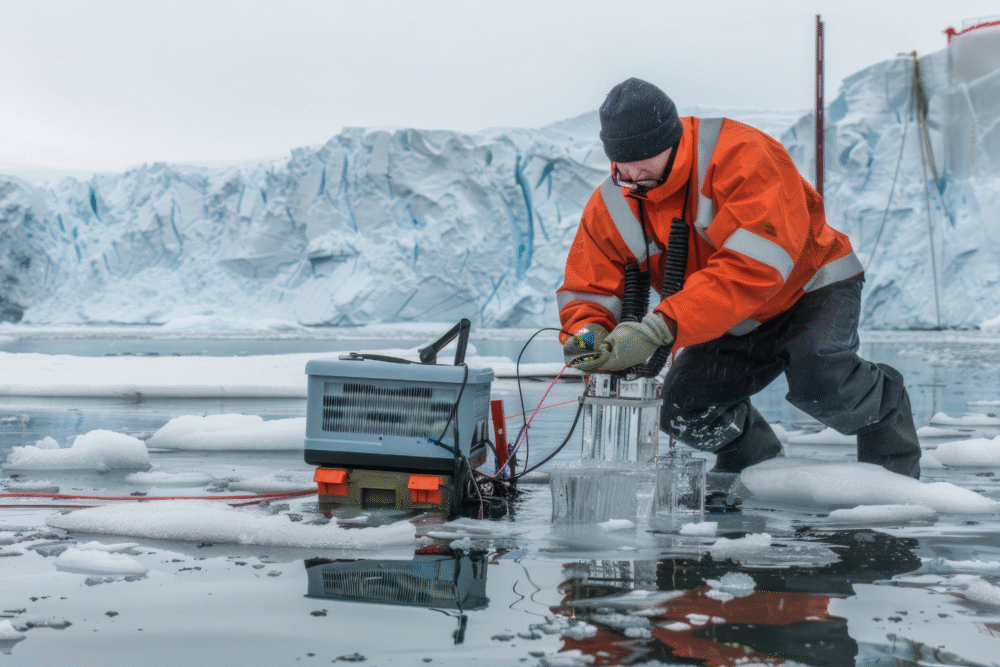
Climate models used to predict sea level rise assumed ice sheets would melt gradually over centuries, but real-world observations show they can disintegrate within decades once certain thresholds are crossed. The West Antarctic Ice Sheet contains enough water to raise global sea levels by 12 feet, and growing evidence suggests its collapse may now be unstoppable.
Recent ice core analysis reveals that similar ice sheets have collapsed completely in just 50-100 years during past warm periods. The physics of ice sheet collapse involves accelerating feedback loops—as ice retreats, more warm water flows underneath, causing faster melting and further retreat. Once this process begins, it’s extremely difficult to stop.
3. Satellite data shows Antarctica losing ice mass equivalent to a city every few days
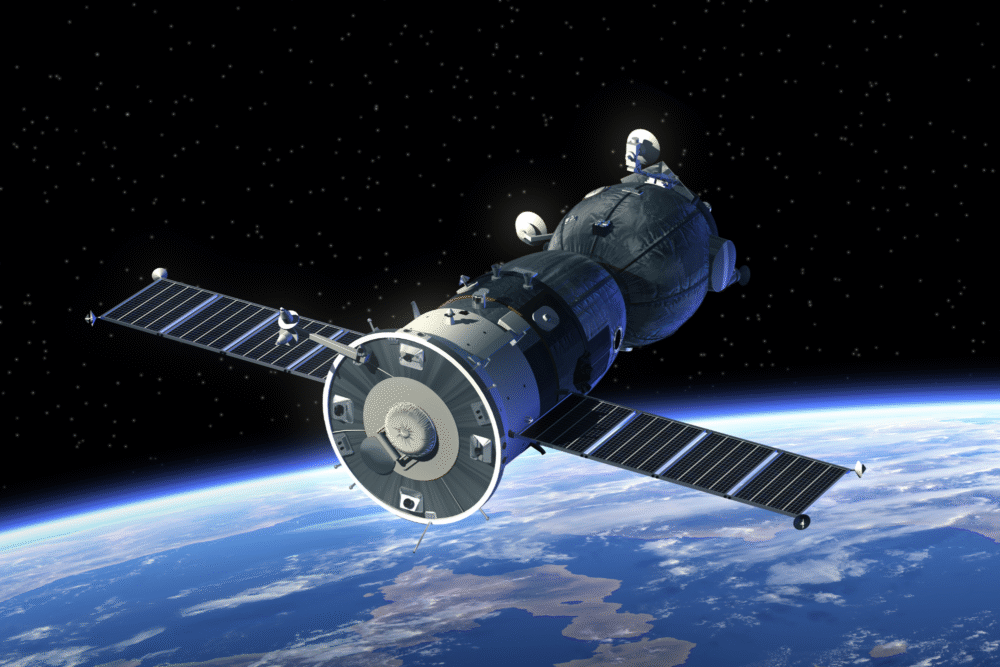
Advanced satellite measurements reveal that Antarctica is currently losing about 150 billion tons of ice annually—roughly equivalent to the mass of a large city disappearing into the ocean every few days. This rate has tripled since the 1990s and continues accelerating as feedback loops intensify.
The most shocking discovery is that ice loss is concentrated in specific regions where warm ocean currents have gained access to previously protected ice shelves. Satellites can now track individual icebergs larger than some countries as they drift away from the continent, each one representing irreversible sea level rise already locked in.
4. Ocean currents are shifting to channel warm water directly under ice shelves
Changes in global ocean circulation patterns are directing warm water toward Antarctica’s most vulnerable ice shelves with devastating precision. The Antarctic Circumpolar Current, which normally protects ice by keeping warm water away from the continent, is developing new pathways that funnel heat directly to ice sheet foundations.
These current changes appear linked to shifting wind patterns caused by climate change, creating a dangerous feedback loop. As more ice melts, it affects ocean salinity and temperature, which further alters circulation patterns and accelerates melting. Marine scientists describe this as crossing into uncharted territory where past climate analogies may no longer apply.
5. Bedrock mapping reveals ice sheets sitting on underwater mountains
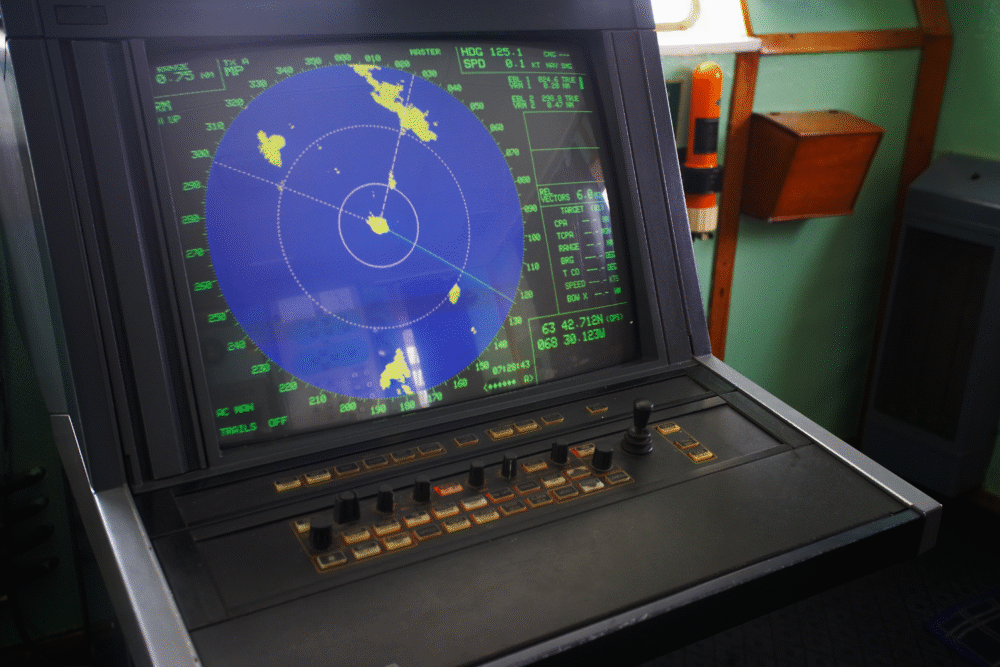
Detailed sonar mapping of the seafloor beneath Antarctic ice has revealed a landscape of underwater ridges and valleys that control how fast ice can retreat. Many ice sheets are anchored to underwater mountains, and once they retreat past these natural barriers, collapse accelerates dramatically.
The most concerning discovery is that several major ice sheets sit on bedrock that slopes downward inland, creating a geometric instability that promotes runaway retreat. As the ice front moves inland, it encounters deeper water that allows more warm ocean access, creating an unstoppable chain reaction that could empty entire ice basins.
6. Ice cliff instability could trigger avalanche-like collapses
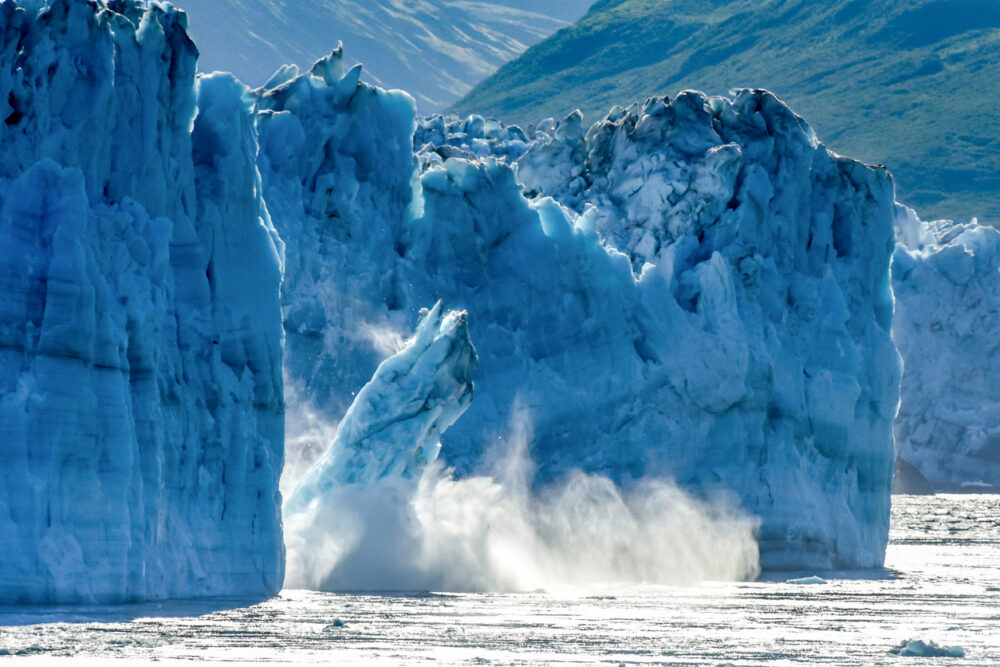
Scientists have identified a new mechanism called “marine ice cliff instability” where ice cliffs become too tall and unstable to support their own weight once they reach certain heights. When these cliffs collapse into the ocean, they expose even taller cliffs behind them, creating an avalanche effect that could rapidly drain ice sheets.
Computer simulations show that once this process begins, ice cliffs could retreat at speeds of several miles per year—far faster than any current sea level projections account for. The phenomenon has been observed starting at several locations around Antarctica, suggesting the avalanche phase of ice sheet collapse may have already begun.
7. Meltwater is creating hidden lakes that destabilize ice from within
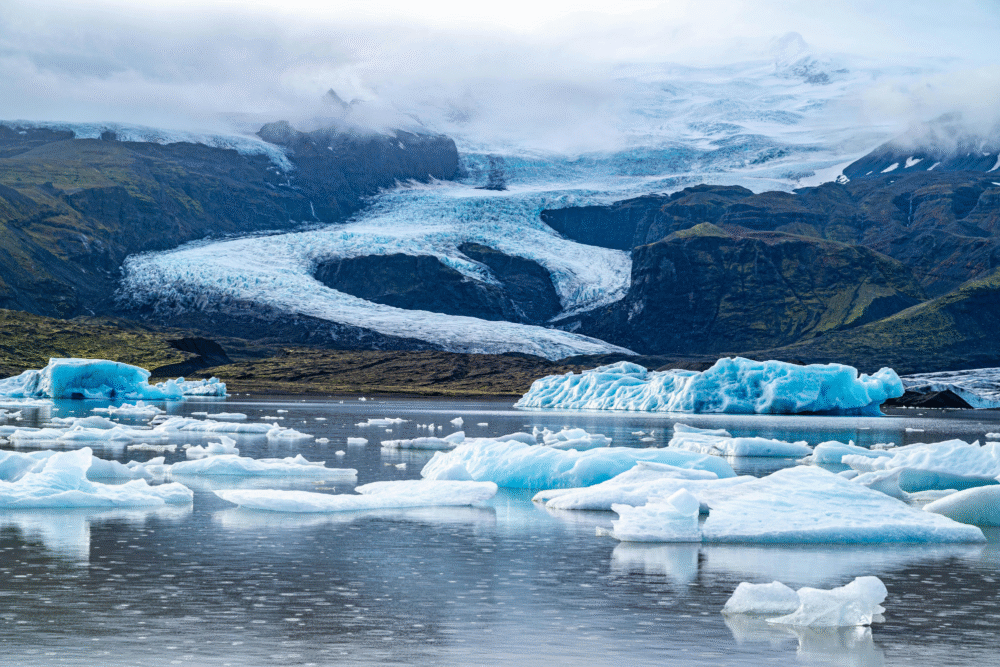
Researchers have discovered extensive networks of meltwater lakes and rivers flowing beneath Antarctic ice sheets, lubricating the ice base and accelerating its flow toward the ocean. These hidden water systems can transport heat deep into ice sheets and create instabilities that cause sudden, dramatic ice loss events.
Some of these subglacial lakes are larger than Lake Erie and can drain catastrophically, causing ice above them to suddenly accelerate toward the sea. The drainage events happen too quickly for satellites to track in real-time, meaning scientists often discover them only after massive ice acceleration has already occurred.
8. Coastal cities are planning for flooding scenarios that may be too conservative
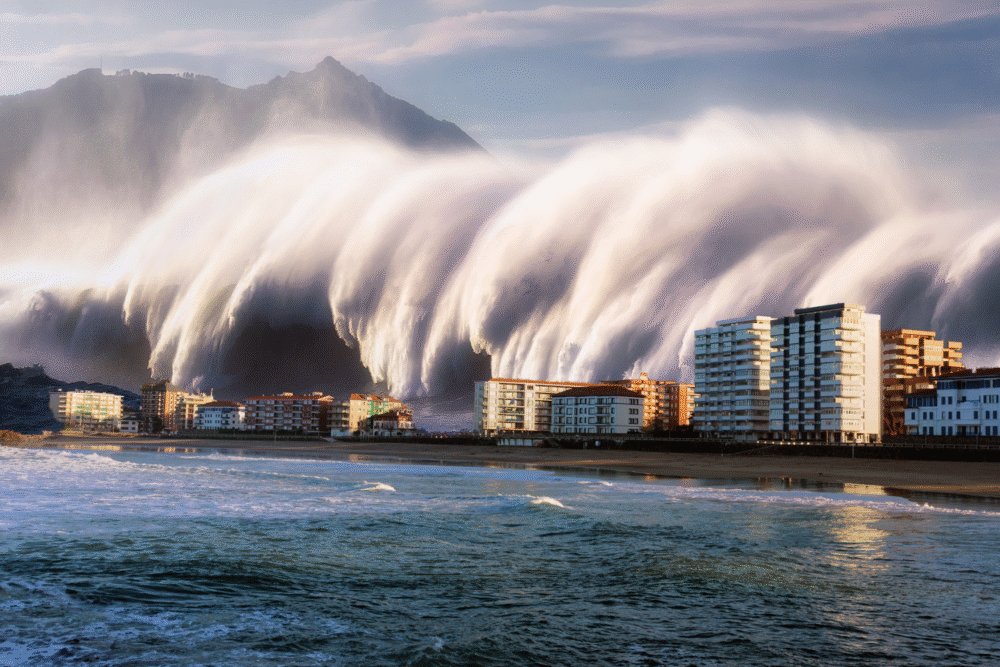
Major coastal cities are beginning to plan for sea level rise, but most projections are based on outdated estimates that don’t account for recent discoveries about ice sheet behavior. New York’s flood barriers are designed for scenarios that may be obsolete before they’re even completed.
Cities like Miami already experience flooding during high tides, and this “sunny day flooding” will become routine as sea levels rise just a few more inches. The engineering challenges of protecting major population centers become exponentially more difficult and expensive as the required height of sea walls increases beyond what current technology can realistically achieve.
9. Archaeological evidence shows ice sheets can disappear in human lifetimes
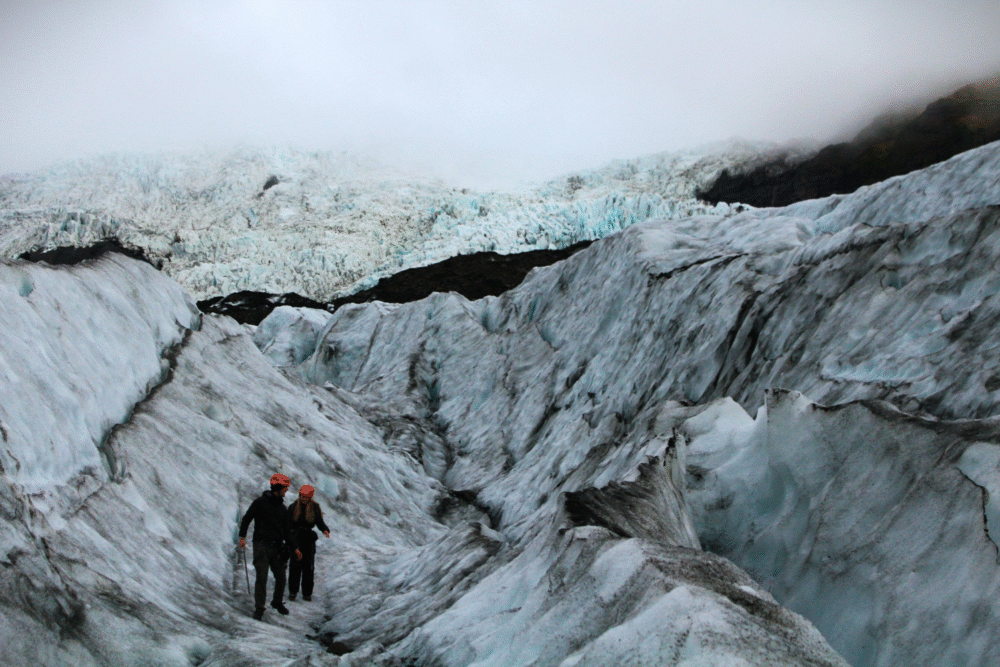
Fossil evidence from previous warm periods reveals that ice sheets can completely disappear within 50-100 years once collapse begins, fundamentally reshaping global geography in timeframes shorter than human lifespans. Ancient shorelines show that sea levels have risen 20+ feet relatively quickly during past interglacial periods.
These paleoclimate records suggest that current climate models may be systematically underestimating the speed of ice sheet response to warming. The geological evidence indicates that ice sheets have “fast modes” of collapse that aren’t captured in current projections, implying that catastrophic sea level rise could happen much sooner than anticipated.
10. Tipping points may have already been crossed with unstoppable consequences
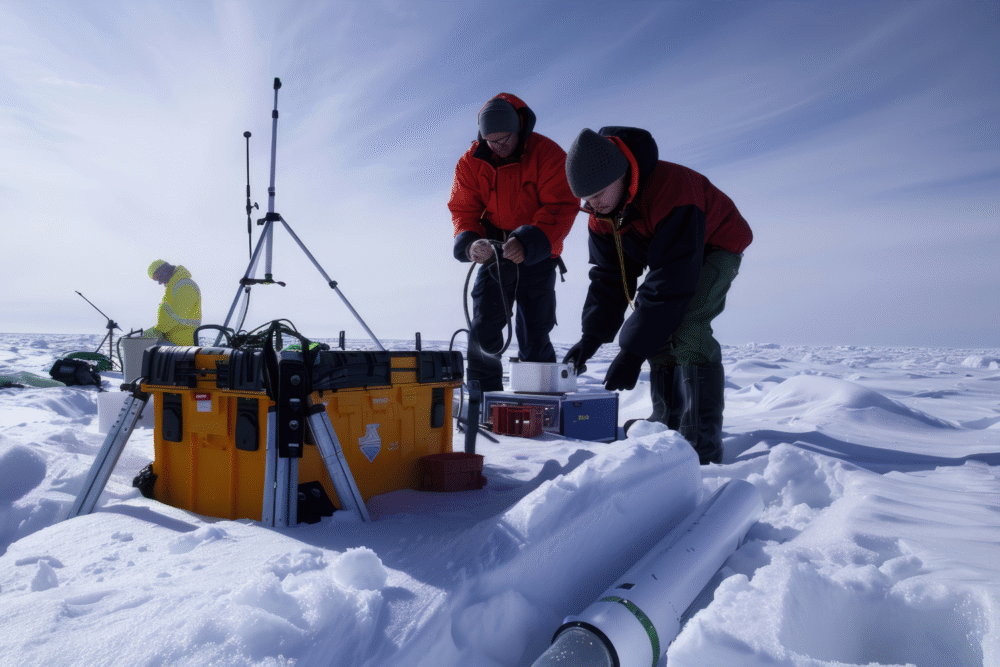
Growing evidence suggests that key Antarctic ice sheets have already passed critical tipping points where collapse becomes inevitable regardless of future climate policies. The geometry of ice sheet retreat, combined with ocean warming already locked in by past emissions, may guarantee massive sea level rise over the next century.
This doesn’t mean climate action is pointless—it can still influence how fast and how much ice is ultimately lost. But it does mean that some level of catastrophic coastal flooding is now unavoidable, and society needs to begin planning for relocating coastal populations and infrastructure rather than just trying to protect them in place.