
Researchers say the Atlantic’s “climate engine” is showing signs of breakdown faster than predicted.

The Gulf Stream—a powerful ocean current that helps regulate Earth’s climate—may be approaching a critical tipping point. According to recent studies published in Nature Communications and Science Advances, the Atlantic Meridional Overturning Circulation (AMOC)—the larger system of currents that includes the Gulf Stream—is weakening faster than expected due to melting ice and warming oceans. Scientists warn that if the AMOC collapses, it could drastically alter weather patterns, disrupt food production, and accelerate climate instability worldwide. While a total shutdown isn’t certain, new data suggest the risk is more immediate than previously thought.
1. The Gulf Stream Is Part of a Global Ocean Circulation System

The Gulf Stream is one component of the Atlantic Meridional Overturning Circulation, or AMOC, a massive “conveyor belt” that moves warm water from the tropics toward the North Atlantic. It plays a crucial role in balancing global temperatures.
As warm water flows north, it cools, becomes saltier, and sinks—driving deep currents that loop back south. This process distributes heat and nutrients around the planet, influencing rainfall, weather stability, and even atmospheric carbon storage.
2. Scientists Have Tracked a Significant Weakening Since the Mid-20th Century
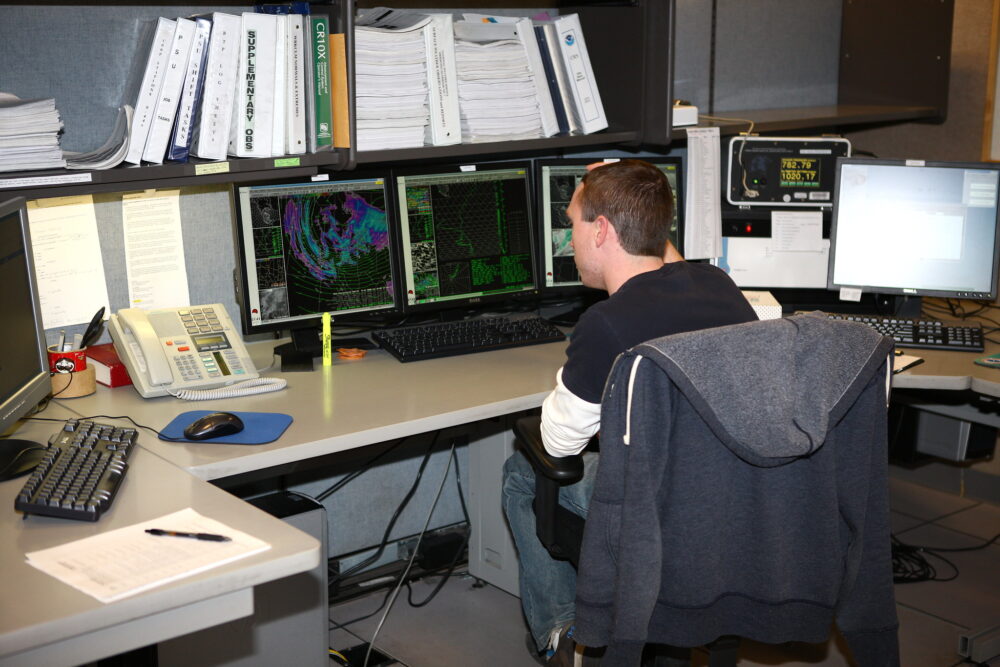
Data from ocean buoys, satellite records, and sediment cores show that the AMOC has slowed by about 15% since the 1950s. This trend has been confirmed by multiple independent analyses from the U.K. Met Office, NOAA, and European research teams.
This decline is linked to increased freshwater from melting ice in Greenland and the Arctic, which reduces ocean salinity. With less dense, salty water available to sink, the circulation driving the Gulf Stream weakens.
3. Melting Greenland Ice Is a Major Trigger
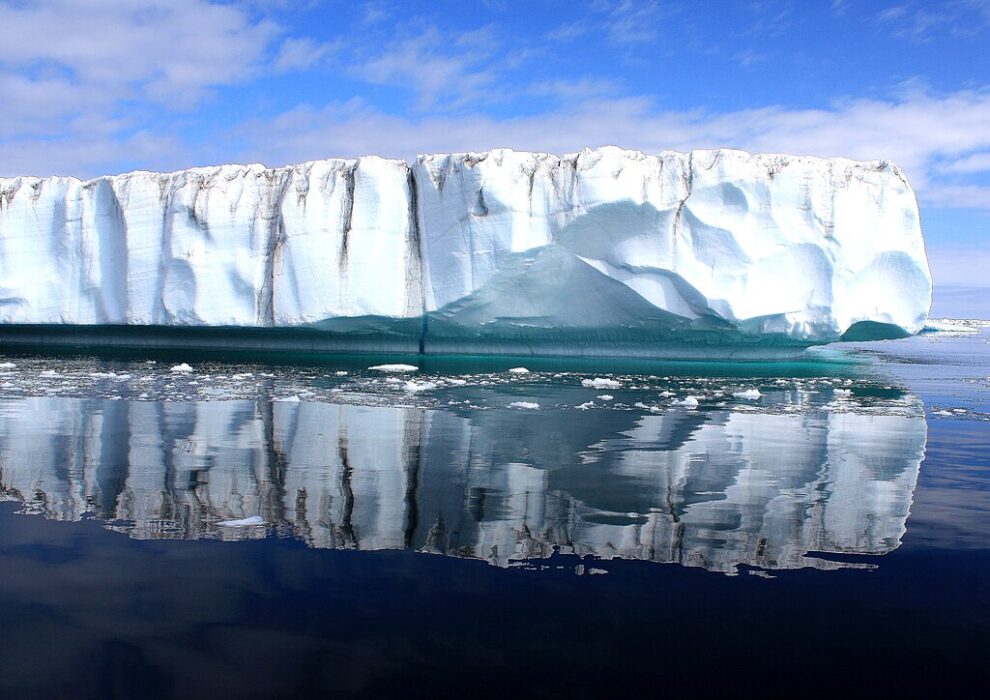
The Greenland Ice Sheet is losing ice at a rate of nearly 250 billion metric tons per year. This meltwater flows directly into the North Atlantic, disrupting the delicate balance of temperature and salinity that keeps the AMOC functioning.
Freshwater is lighter than saltwater, so as it accumulates, it prevents cold, dense water from sinking to drive the current. Scientists warn that this process could accelerate rapidly if warming continues at current rates.
4. A Collapse Would Radically Alter Europe’s Climate
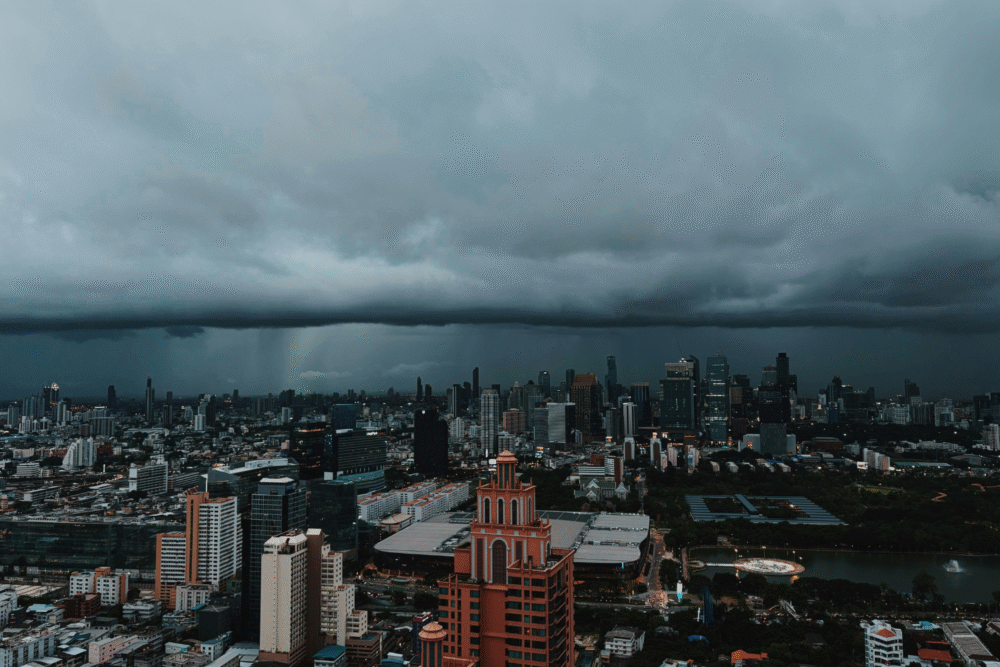
If the Gulf Stream shuts down, Europe would experience a significant drop in temperature—potentially by 5 to 10 degrees Celsius in some regions. The warm air brought by the current helps keep Europe’s climate milder than other regions at similar latitudes.
Without it, winters could become far colder, summers shorter, and agricultural growing seasons much less stable. Historical evidence shows that a sudden AMOC slowdown once triggered severe cooling events at the end of the last Ice Age.
5. The Impacts Would Be Global, Not Just European
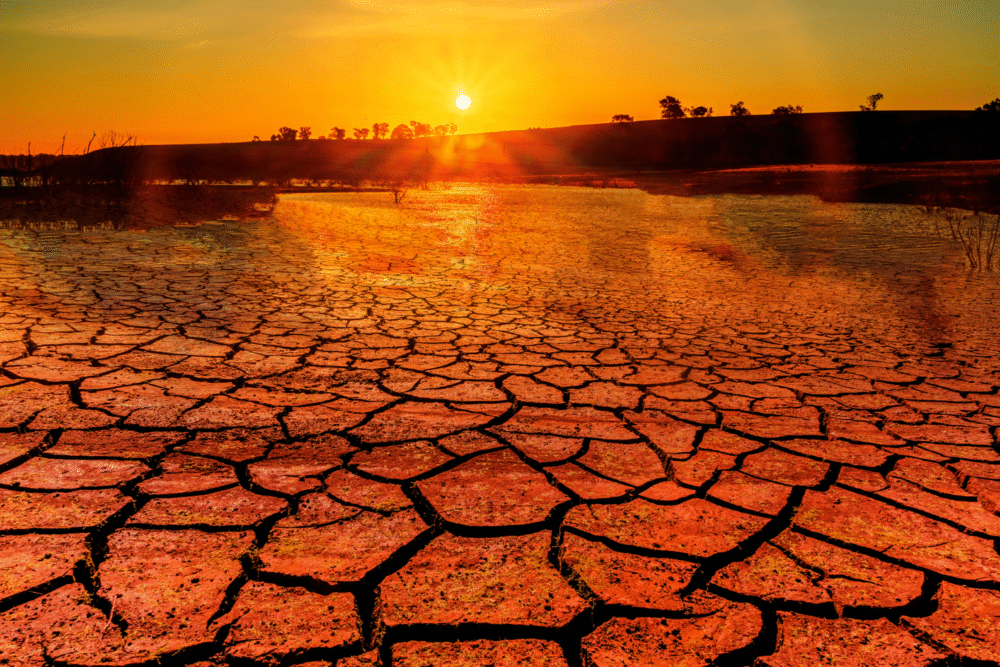
While Europe would face the most immediate cooling, other regions would experience extreme consequences too. Tropical regions could become hotter and drier, and rainfall patterns would shift dramatically.
In the Southern Hemisphere, monsoon systems in Africa and Asia could weaken or fail, threatening crops and water supplies for billions of people. These disruptions would ripple through ecosystems and global food markets alike.
6. Sea Levels Would Rise Sharply Along the U.S. East Coast

A weaker AMOC causes water to accumulate along the western Atlantic, pushing sea levels higher along the eastern coast of North America. NASA and NOAA have documented this regional sea-level rise pattern in recent decades.
If the Gulf Stream weakens further, cities like Miami, New York, and Boston could see sea levels rise several additional inches beyond global averages, worsening coastal flooding and erosion.
7. Ocean Ecosystems Would Face Major Upheaval

The Gulf Stream helps distribute oxygen and nutrients that sustain marine life. A slowdown would disrupt these nutrient flows, threatening fisheries and altering food chains across the Atlantic.
Marine species dependent on stable temperatures—like cod, mackerel, and plankton—could shift northward or decline entirely. The result could be cascading effects on both ocean biodiversity and coastal economies that rely on fishing.
8. Evidence Suggests the AMOC May Be Near a Tipping Point

A 2021 study in Nature Climate Change found “early warning signals” of instability within the AMOC, indicating it may be approaching an irreversible collapse. These signals were detected in long-term sea surface temperature and salinity data.
Scientists describe this as “loss of resilience”—a point where small disturbances could trigger a rapid transition from a stable to a collapsed state. The exact timing remains uncertain, but models suggest it could occur within decades if warming continues.
9. The Last AMOC Shutdown Plunged the Planet Into a Cold Period
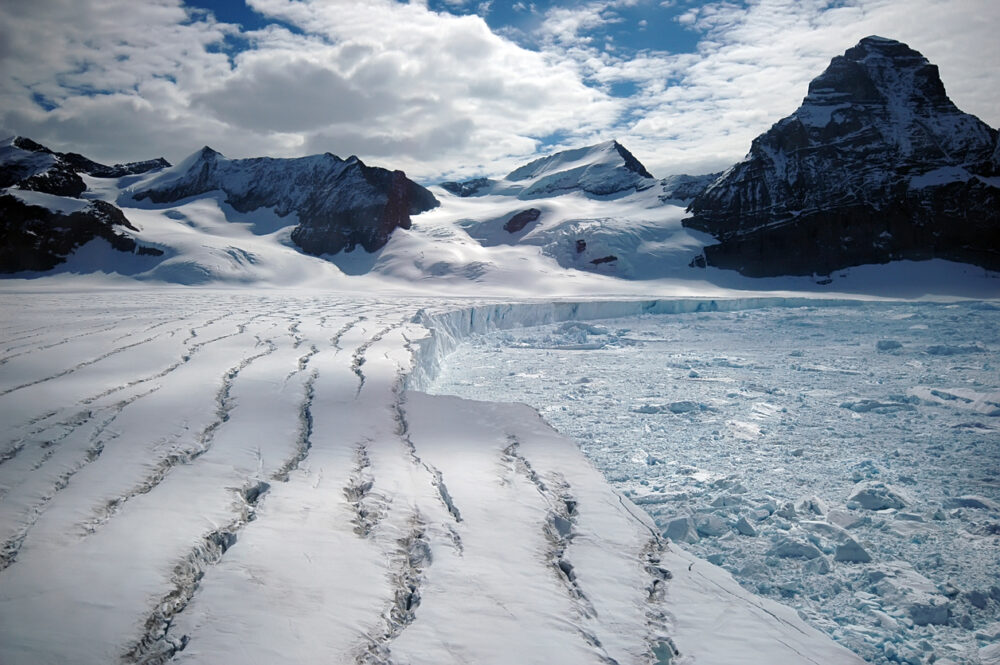
About 12,000 years ago, during a period known as the Younger Dryas, a massive release of glacial meltwater disrupted the AMOC, leading to a sudden cooling across the North Atlantic region.
Temperatures in Europe dropped by up to 10 degrees Celsius within a few decades, transforming ecosystems and altering human migration patterns. Scientists cite this event as a warning of how sensitive the system is to freshwater input.
10. Some Models Suggest a Collapse Could Occur This Century
While not all climate models agree, several recent simulations suggest that the AMOC could reach a critical threshold within this century if global emissions remain high. A 2023 study in Nature Communications estimated a potential tipping point between 2025 and 2095, with mid-century most likely.
Even if a full collapse doesn’t occur soon, further weakening could still produce dangerous instability in regional climates, intensifying storms and altering precipitation cycles across continents.
11. Scientists Are Urging Global Emission Cuts to Prevent a Collapse

The most effective way to preserve the AMOC is to reduce greenhouse gas emissions and slow global warming. Lowering temperatures will reduce ice melt and help maintain the salinity balance in the North Atlantic.
Researchers emphasize that stabilizing the climate system now could avert irreversible damage later. While the Gulf Stream has fluctuated naturally in the past, today’s rapid warming is pushing it into uncharted territory.
12. The World’s Climate Agencies Are Watching Closely

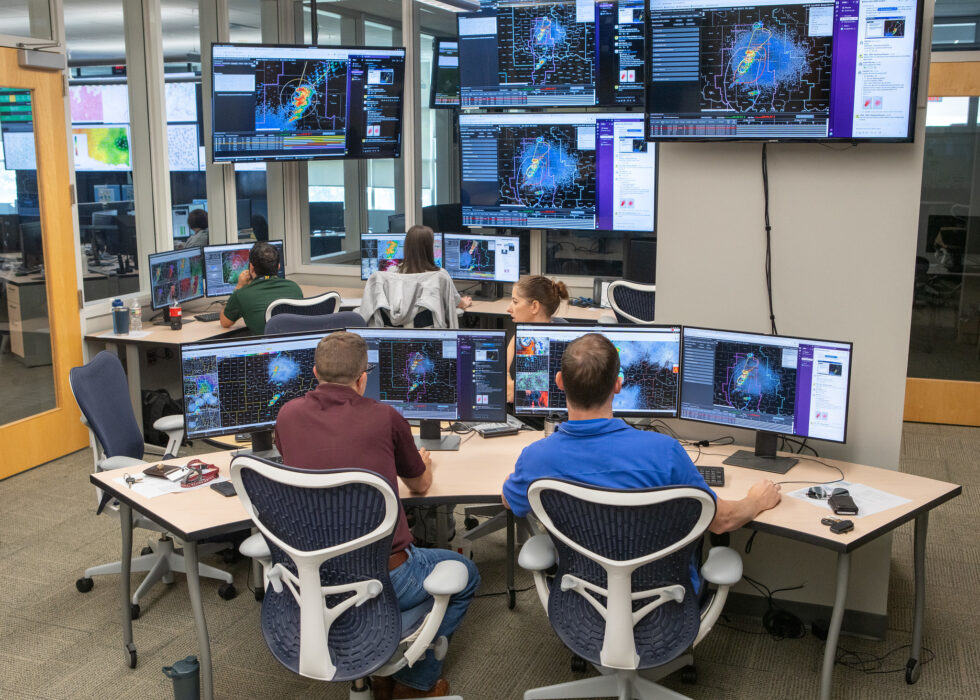
Monitoring programs like RAPID-MOCHA, operated by NOAA and the U.K. Met Office, continuously track temperature, salinity, and current velocity across the Atlantic. These data help scientists refine models and detect changes in real time.
Although the system remains functional today, its continued weakening is a clear warning sign. Experts say humanity is witnessing the early stages of a potential planetary-scale shift—one that underscores how interconnected and fragile Earth’s climate truly is.