
What ancient landscapes, hidden ecosystems, and rising seas reveal about Greenland’s true importance.
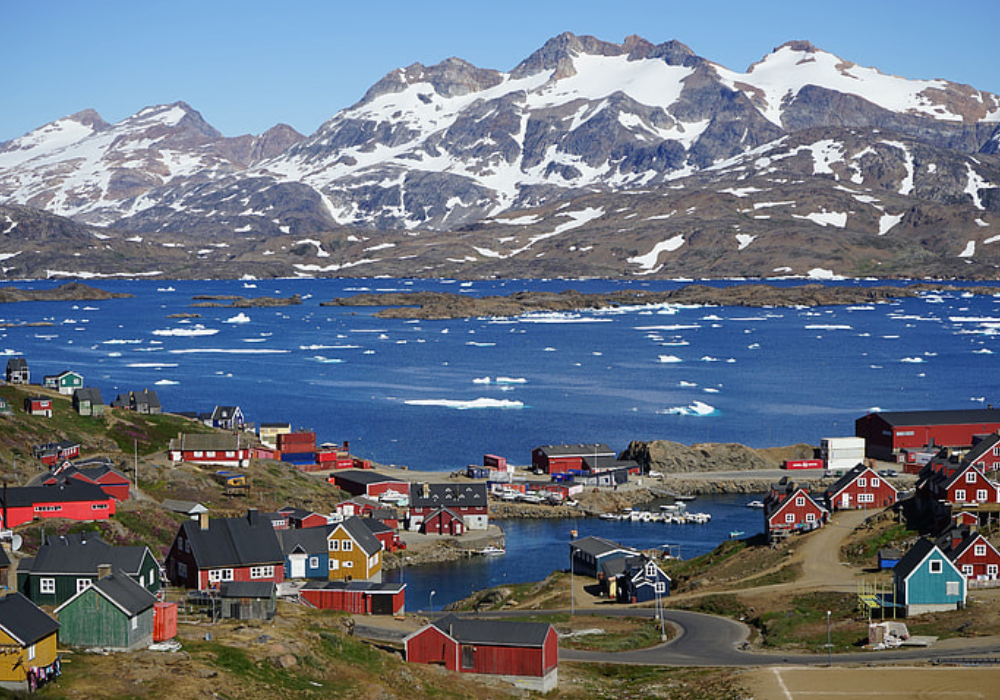
Greenland gets talked about like a prize on a map, but the biggest story isn’t politics; it’s what the island hides under its ice. Beneath miles of frozen water is a record of past warm spells, lost ecosystems, and landscapes that look paused in time.
Scientists have analyzed sediments from beneath the ice and found fragile plant remains, showing parts of Greenland once supported tundra. Airborne radar surveys, including NASA’s Operation IceBridge, have also revealed buried canyons and an ancient lakebed.
If Greenland’s ice melted nearly completely, global sea level would rise about 7 meters, roughly 23 feet, reshaping coastlines worldwide.
1. The “Who Owns Greenland?” Question Misses the Real Prize

Greenland gets framed as a strategic “prize” because it sits in a powerful spot on the globe, and big countries have cared about it for decades. But that framing can distract from the bigger reality: Greenland is also one of Earth’s most important climate archives.
Think of it less like real estate and more like a frozen library. The island’s ice and the land beneath it store clues about past warm periods, past ecosystems, and how quickly things can change when the planet heats up.
2. The Cold War Built a Hidden City, and Science Inherited the Clues

If you want a quick, nonpolitical example of “strategic interest,” look at Camp Century. In the Cold War, the U.S. built a base inside Greenland’s ice—part research station, part military experiment—because the location mattered.
Here’s the twist: the science outlived the mission. The Camp Century drilling project produced an ice core, and frozen material at its base later helped researchers study what was happening under the ice sheet, not just on top of it. A place built for strategy ended up feeding climate science for decades.
3. The “Plants Under a Mile of Ice” Discovery That Changed the Mood

For a long time, people assumed the ground under Greenland’s ice would be scraped clean, like a giant belt sander passed over it. Then scientists examined sediments collected from beneath the ice and found something delicate: plant material that shouldn’t survive grinding.
Those remains—tiny bits of vegetation—imply parts of Greenland once supported tundra, not endless ice. It’s a quiet but huge clue: the ice sheet hasn’t always been as stable or as permanent as it looks from space today.
4. Greenland Wasn’t Tropical—But It Was Alive

When someone says “Greenland used to be green,” they’re not claiming it was a tropical paradise. The evidence points to tundra-like conditions—plants that can handle cold, but still need exposed land and seasons that allow growth.
The key takeaway is timing. Plant-bearing sediments suggest ice-free conditions occurred in the geologically recent past, meaning Greenland’s ice can retreat when the climate tips warm enough. That makes today’s warming feel less abstract and more like a replay risk. It also hints that change can happen without a single dramatic trigger.
5. Radar Turned the Ice Sheet Into a Window

Radar has become the cheat code for seeing through miles of ice. NASA’s Operation IceBridge and other airborne surveys have mapped huge subglacial features, including a mega-canyon that runs hundreds of miles beneath Greenland’s interior.
Scientists have also identified an ancient lakebed sealed under more than a mile of ice in northwest Greenland. Together, these finds show the ice sheet is sitting on a surprisingly intact landscape—one that can preserve evidence of old climates, old rivers, and old ecosystems.
6. The Sea-Level “Time Bomb” Everyone Underestimates
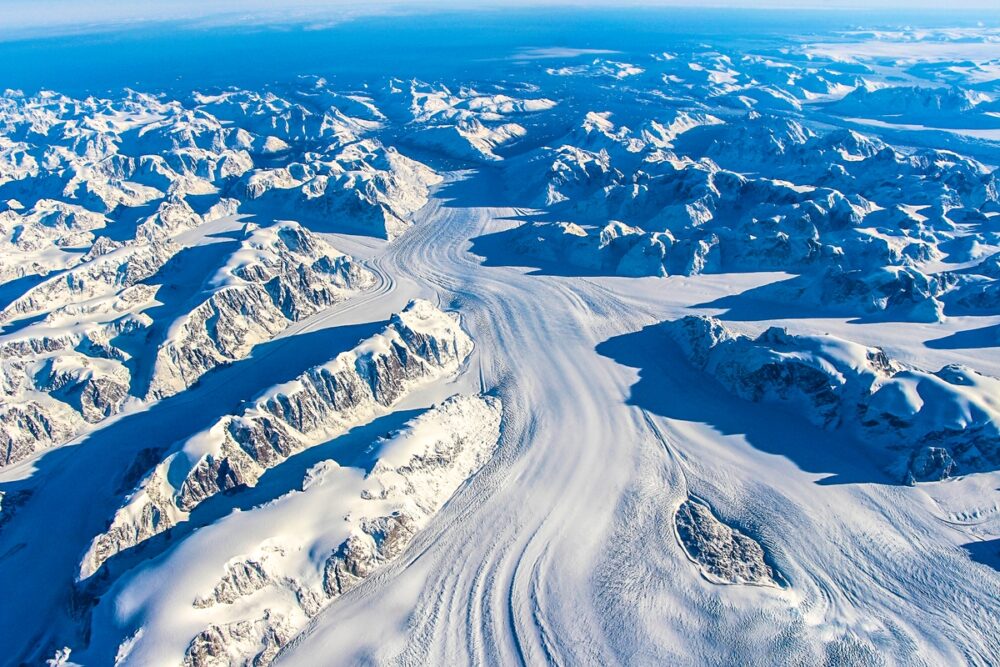
When people call Greenland a “time bomb,” they’re talking about sea level. Greenland holds enough ice to raise oceans by about 7 meters (around 23 feet) if it melted nearly completely.
That doesn’t happen overnight, but the direction matters. Even partial melt raises tides, worsens storm surge, and turns “once in a century” flooding into a regular headache for coastal cities.
The scary part is how sensitive Greenland can be to small temperature shifts. Evidence from beneath the ice shows it responded to past warming, which is why scientists track it so obsessively today—because the past can be a preview.
7. How “Mud Under Ice” Becomes a Climate Story
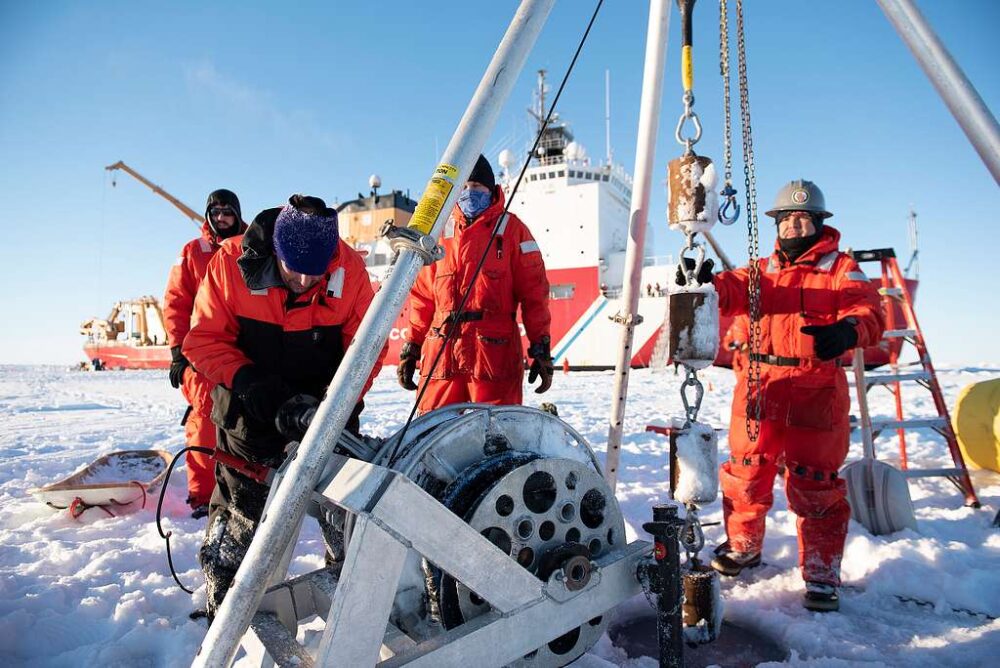
So how do scientists turn “mud under ice” into a climate story? They look at what’s in the sediments—minerals, organic fragments, and chemical signatures that act like fingerprints of past environments.
If you find plant remains, you know there had to be exposed ground and a growing season. If you see certain sediment layers, you can infer how water moved, whether the surface was stable, and whether the ice advanced or retreated. It’s slow detective work, but the clues add up fast.
8. Why This Matters Even If Greenland Doesn’t Fully Melt
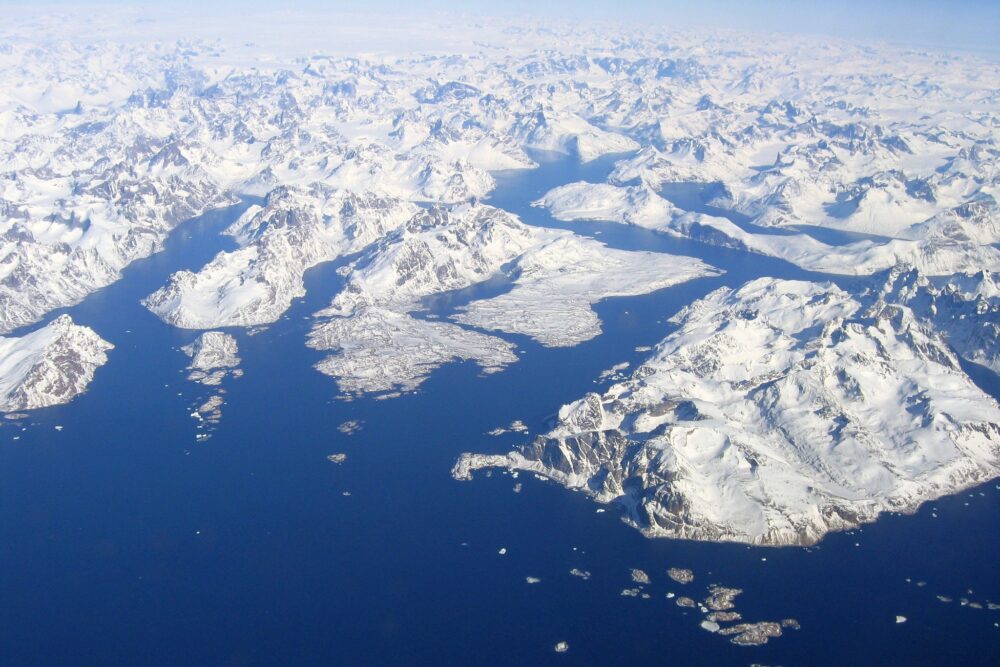
One reason this matters is that Greenland doesn’t have to fully collapse to change the world. Small shifts in melt rates can reshape coastlines, insurance maps, and even where people can afford to live.
The sub-ice evidence also changes the mindset from “Greenland is eternal” to “Greenland is responsive.” If it shrank during past warm periods, then modern warming isn’t pushing on an untested system. It’s pushing on something that has moved before, sometimes a lot. That’s why scientists watch thresholds so closely.
9. The Hidden Ecosystem Angle Most People Don’t Expect
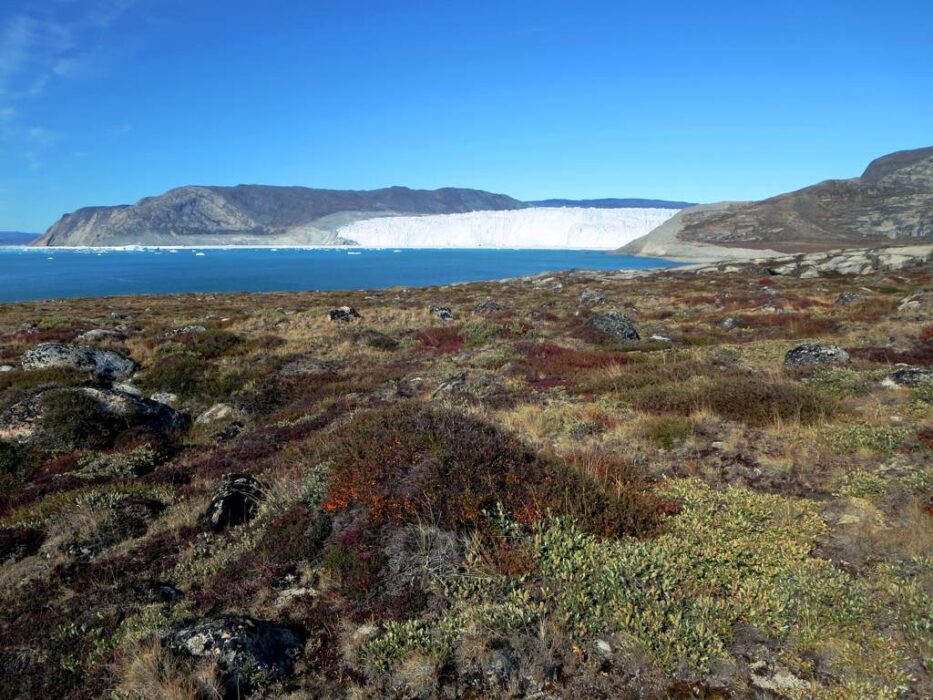
The “ultimate prize” framing also misses a softer truth: Greenland is a biodiversity story, too—just one that’s buried. A tundra ecosystem under the ice implies there were once habitats, food webs, and living landscapes where today there’s only a frozen cap.
That doesn’t mean those exact ecosystems come back if ice retreats. But it does mean the land can support life when conditions allow. In other words, Greenland isn’t a blank slate—it’s a place with a past, waiting under the ice.
10. Why Scientists Trust the Big Picture More Than Any One Headline

What scientists are doing now is combining different tools so the story isn’t based on one lucky sample. Ice cores, sub-ice sediments, and radar mapping each answer a different question: what grew here, when it was exposed, and what the land looks like.
The more independent lines of evidence agree, the stronger the conclusion. That’s why Greenland research keeps tightening: fewer guesses, more cross-checking. It’s also why single headlines don’t tell the full story—this is a puzzle built from many small, careful pieces.
11. The Moment Greenland Stops Feeling Far Away

If you live near a coast, Greenland’s “hidden” story is personal. The sea-level numbers aren’t just a graph—they translate into higher baseline water, more frequent flooding, and bigger damage when storms hit.
So yes, Greenland is strategic. But not because it’s a trophy. It’s strategic because it’s one of the biggest levers in the global sea-level system, and it contains a frozen record of how quickly Earth can shift. Once you see that, the island stops feeling distant—and starts feeling connected.