
Archaeologists say the vivid green artifacts offer rare insight into Maya royalty, power, and burial rituals.
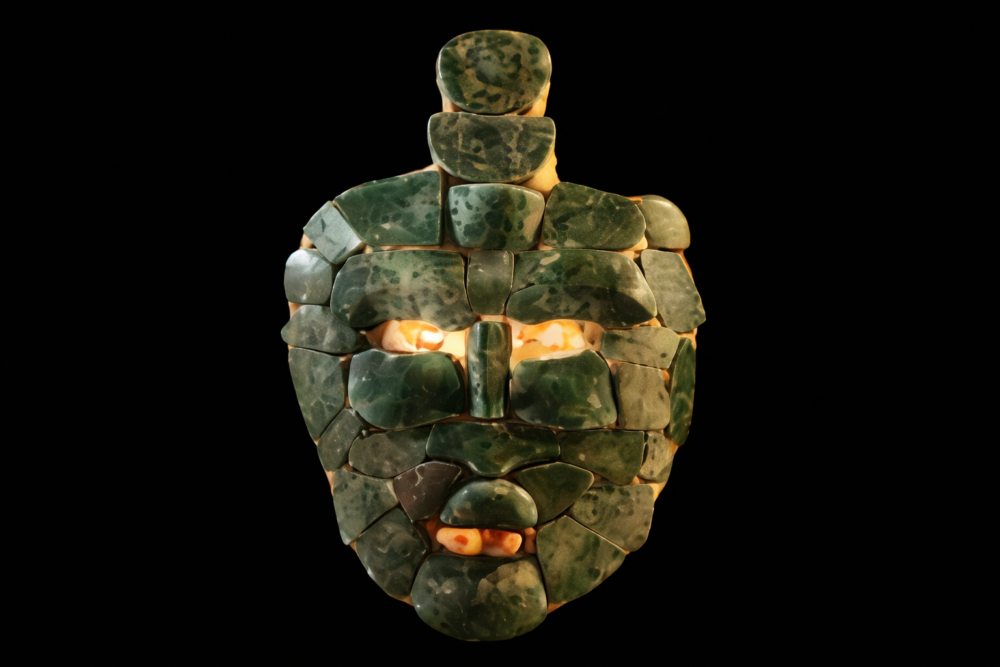
An undisturbed Maya king’s tomb uncovered in Belize is giving archaeologists an unusually clear glimpse into ancient royal power. Sealed for more than a thousand years, the burial chamber contained vivid green jade artifacts placed carefully around the ruler’s remains. Because the tomb was never looted, researchers can study the objects exactly as they were arranged at the time of burial.
The discovery is significant not just for its beauty, but for what it reveals about Maya beliefs, political authority, and the symbolic power of jade — a material more valued than gold in the ancient Maya world.
1. The Tomb Belonged to a Maya Ruler
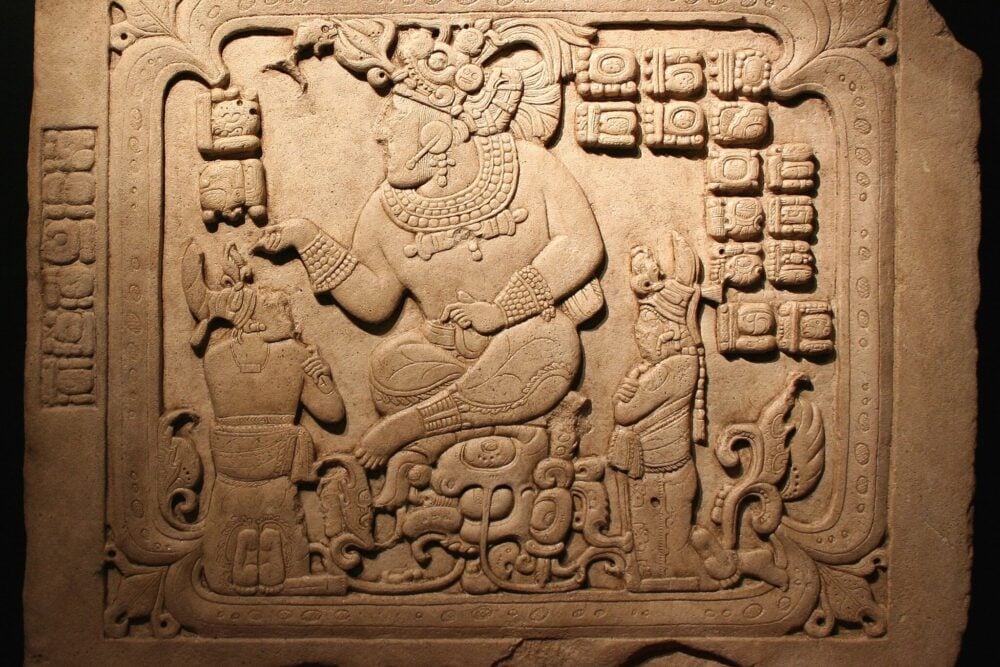
Archaeologists identified the burial as that of a Maya king based on its location, construction, and the richness of the grave goods. The tomb was positioned beneath a ceremonial structure, a placement typically reserved for elite rulers.
Such burials were meant to reinforce royal authority even in death, physically linking the king to sacred architecture and the city’s spiritual center.
2. The Burial Remained Completely Undisturbed
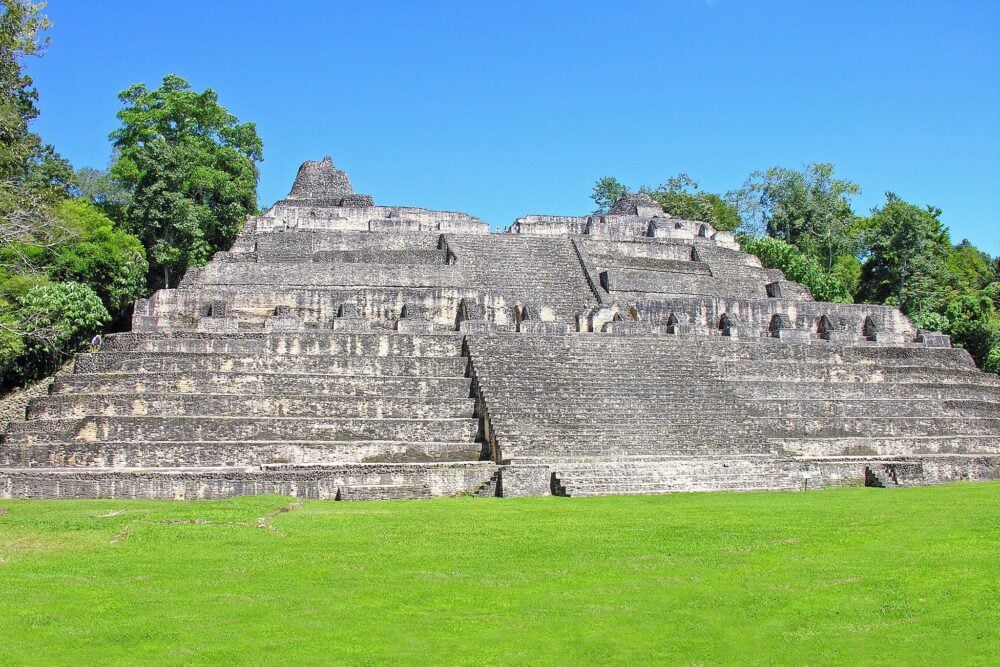
Unlike many Maya tombs, this one showed no signs of looting or later disturbance. The sealed chamber preserved the original placement of objects, offering rare archaeological clarity.
Undisturbed contexts allow researchers to interpret burial rituals with far greater confidence, avoiding speculation about which items may have been moved or removed over time.
3. Jade Was the Most Important Material Found
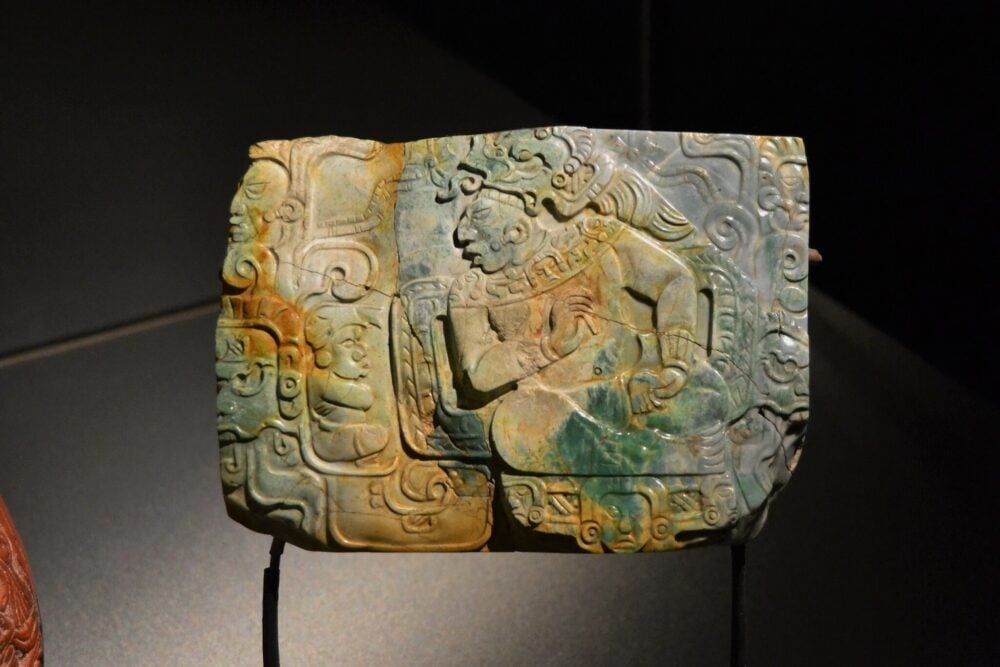
The “green treasure” refers primarily to jade artifacts, a material deeply sacred to the Maya. Jade symbolized life, fertility, maize, and renewal.
Because jade was rare and difficult to obtain, its presence in large quantities signaled immense wealth and political power, especially when reserved for royal burials.
4. The Jade Objects Were Carefully Arranged
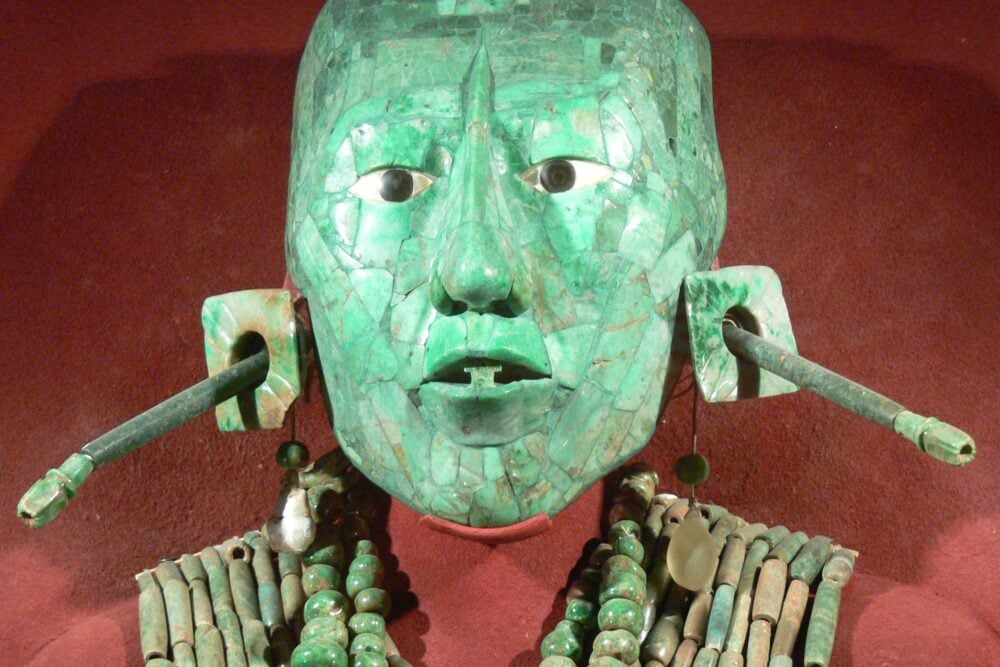
Rather than scattered, the jade items were deliberately placed around the body. Some were positioned near the head and chest, areas associated with breath, spirit, and authority.
This careful arrangement suggests the objects played ritual roles, possibly meant to protect the ruler or help guide them into the afterlife.
5. One Jade Piece May Have Been a Death Mask
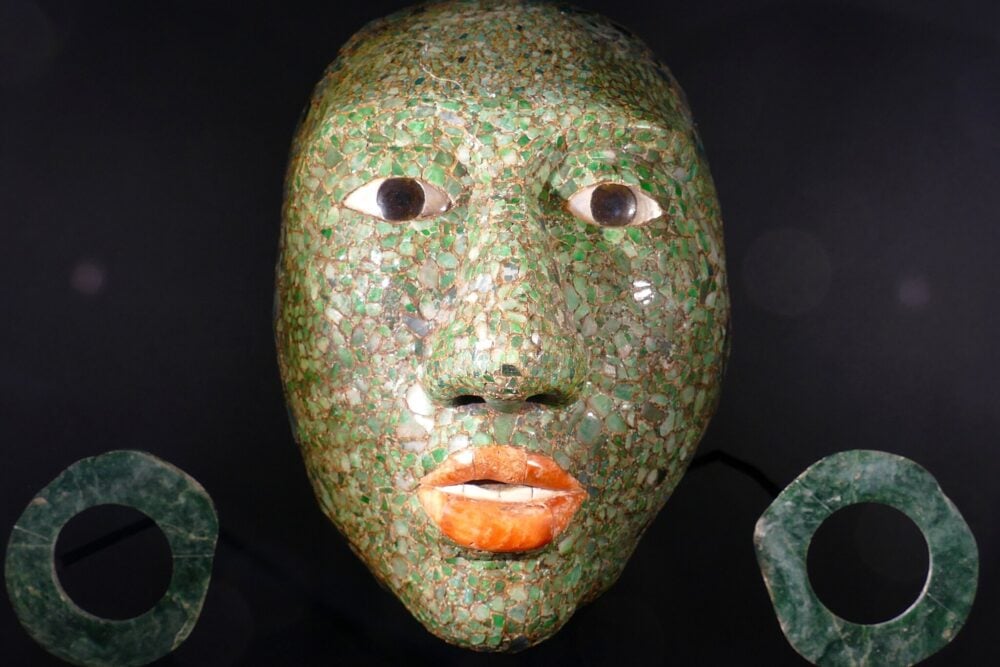
Among the artifacts, researchers identified jade pieces that may have formed part of a mask or facial covering. Masks were sometimes used to transform the deceased into a divine or ancestral figure.
Covering the face with jade reinforced ideas of rebirth and continuity, linking the ruler to both gods and future generations.
6. Jade Was More Valuable Than Gold to the Maya
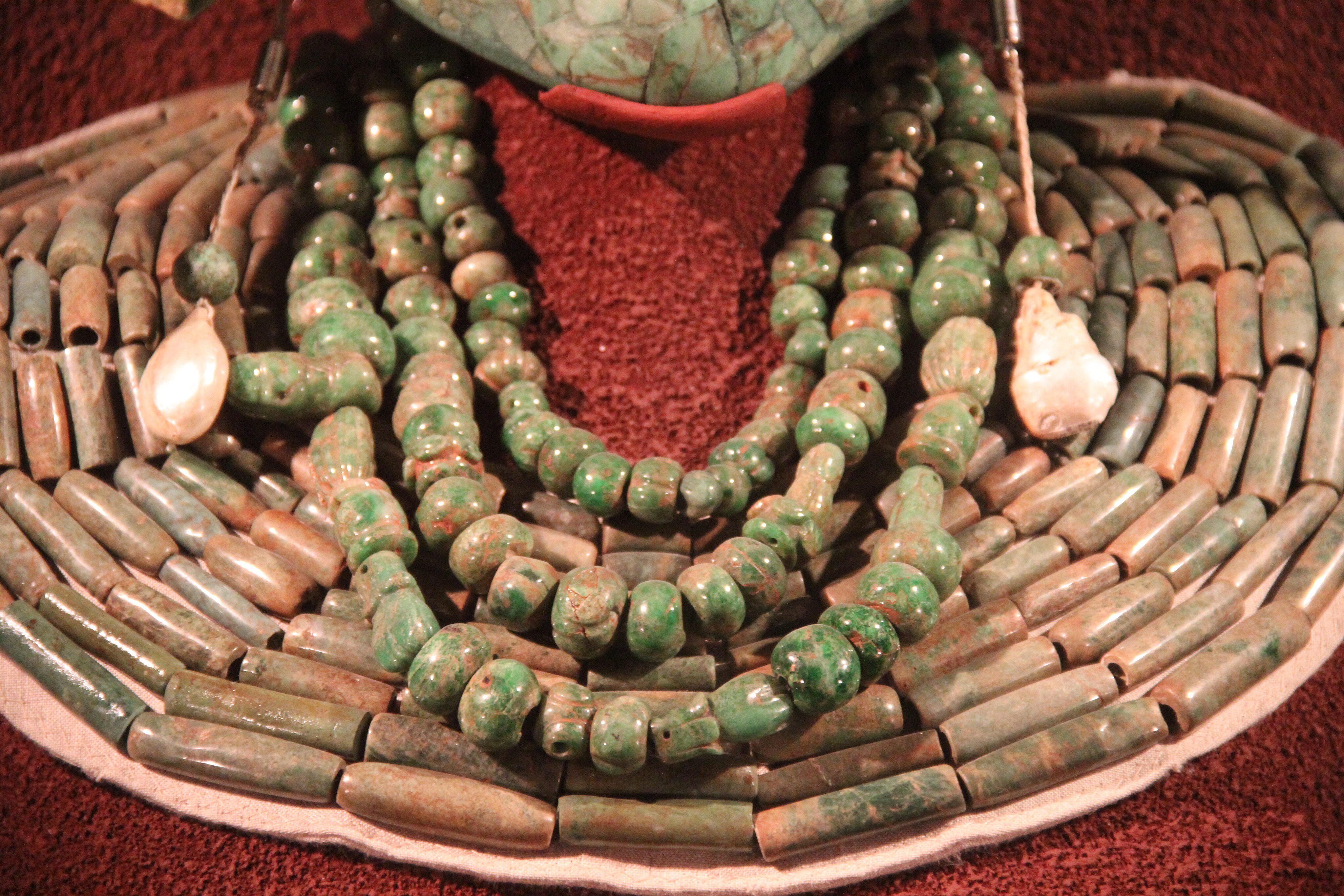
In the ancient Maya world, jade carried greater symbolic weight than precious metals. Its green color was associated with living plants, water, and agricultural renewal.
Using jade in royal burials emphasized not material wealth alone, but the king’s role as a life-giver and intermediary between humans and the natural world.
7. The Tomb Dates to the Classic Maya Period
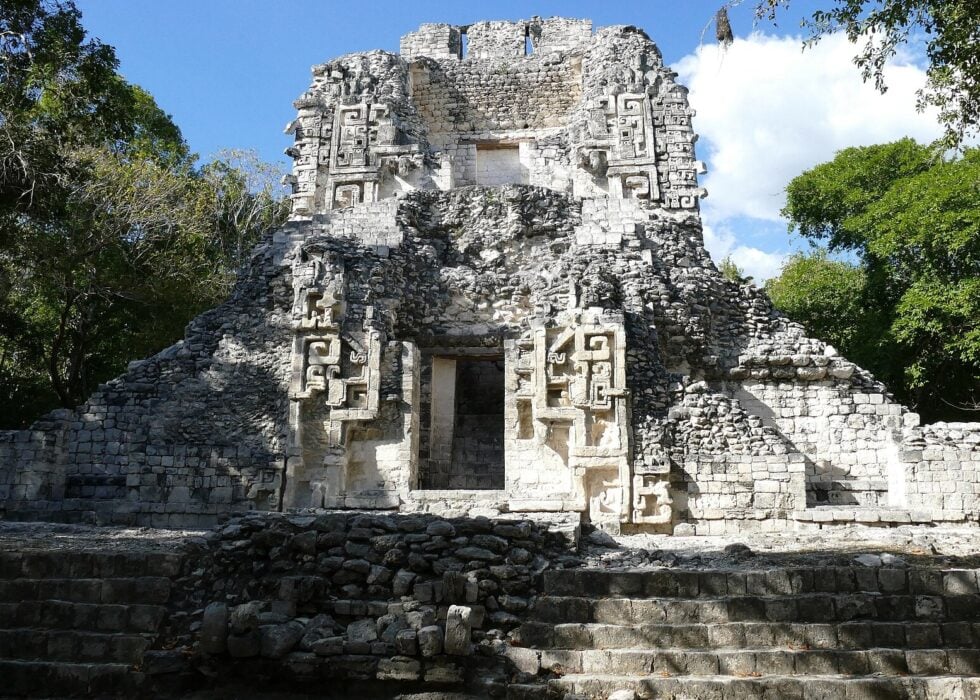
Based on pottery styles, architecture, and artifact design, archaeologists date the tomb to the Classic period, when Maya cities reached their political and artistic peak.
This era saw powerful dynasties competing for influence, and elaborate burials became a way to assert legitimacy and divine favor.
8. The Discovery Helps Decode Maya Burial Rituals

Because the tomb is intact, researchers can study how objects, architecture, and the body interacted as a single ceremonial design. This helps clarify long-debated burial practices.
Such finds allow archaeologists to move beyond theory and directly observe how elite funerary rituals were carried out.
9. The Find Strengthens Belize’s Archaeological Record
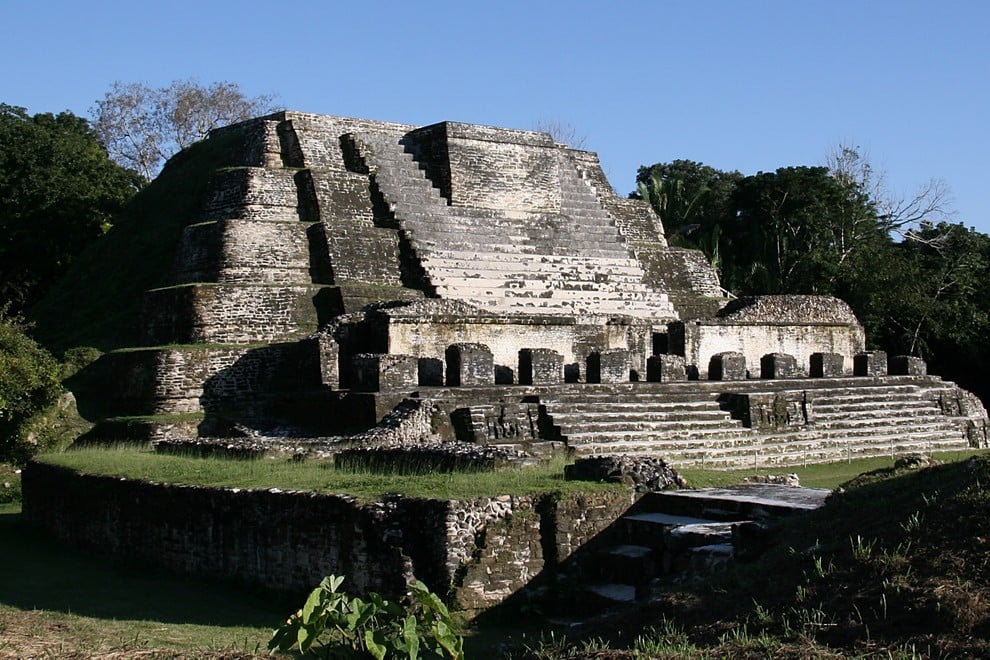
Belize has long been known for major Maya sites, but intact royal tombs remain rare. This discovery adds critical evidence about regional power centers.
It also highlights the role Belizean sites played in broader Maya political and ceremonial networks across Mesoamerica.
10. Modern Methods Preserved the Context
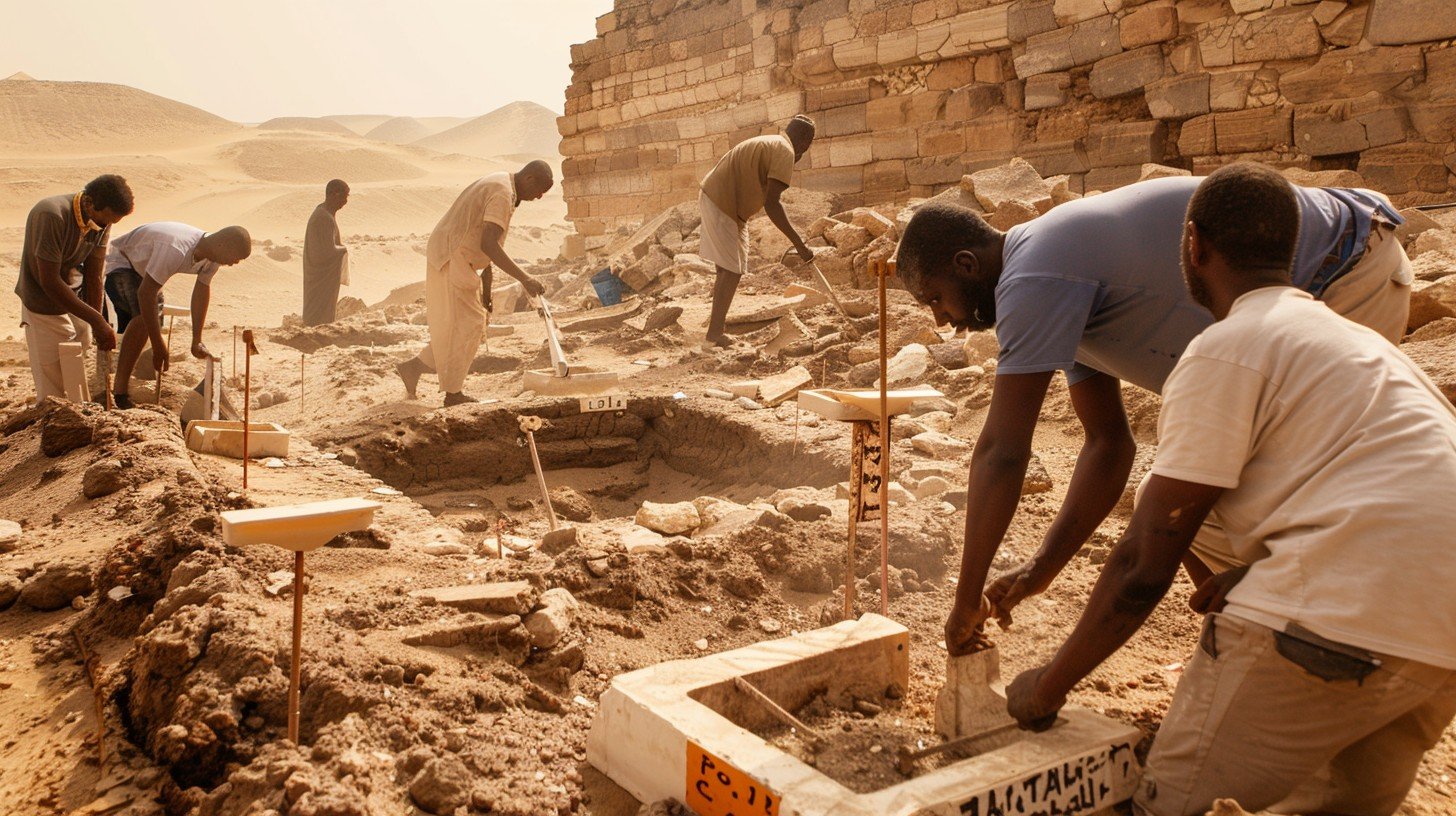
Archaeologists used careful excavation techniques to document the tomb before removing any objects. Detailed mapping and imaging preserved spatial relationships.
This approach ensures the information survives even as artifacts are studied in laboratories, maintaining scientific integrity.
11. The Green Treasure Tells a Human Story
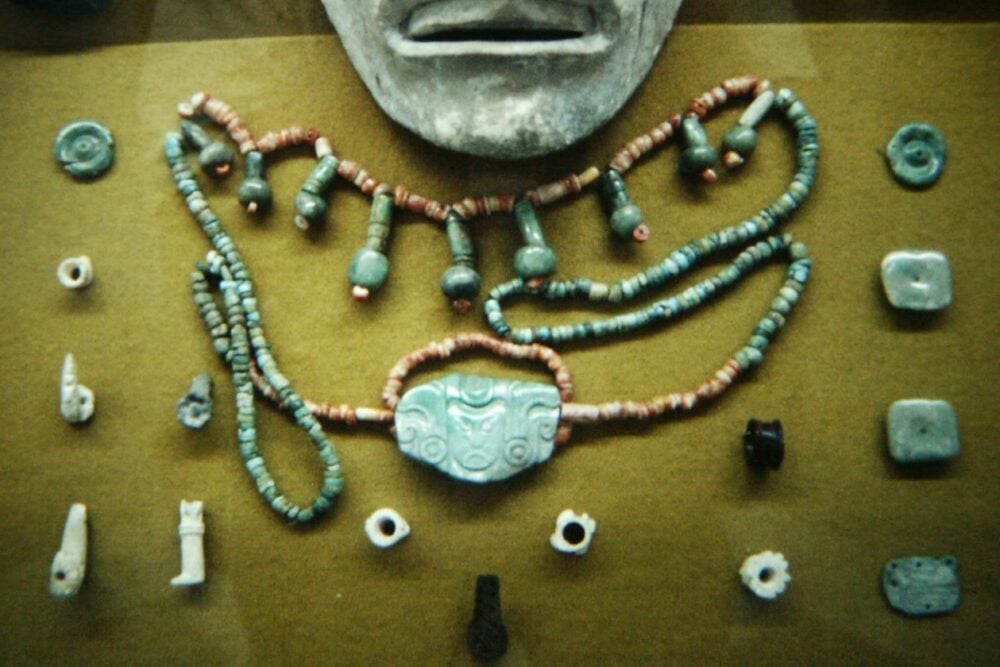
Beyond its beauty, the jade tells a story of belief, identity, and legacy. These objects were chosen to define how a king would be remembered.
The tomb reminds researchers that archaeology isn’t just about artifacts, but about understanding how ancient people expressed power, faith, and meaning through ritual.