
Wealthier nations hold the power, but vulnerable countries are paying the highest price.

The climate crisis isn’t just about rising temperatures—it’s about rising inequalities. Across the Global South, communities that contribute the least to greenhouse gas emissions are grappling with the most devastating consequences. From severe droughts in sub-Saharan Africa to intensified cyclones in Southeast Asia, the human toll is mounting while wealthier nations continue to fall short on promises of financial aid and meaningful action.
As the planet warms, the fight for climate justice is becoming more urgent. These countries are demanding not just recognition, but reparations and systemic change from the global powers driving the crisis. This isn’t a battle for sympathy—it’s a call for accountability and equity on a global scale. Without a shift in power, funding, and climate policies, the divide between those responsible for the crisis and those suffering its consequences will only deepen.
1. The colonial legacy fuels today’s climate inequality.
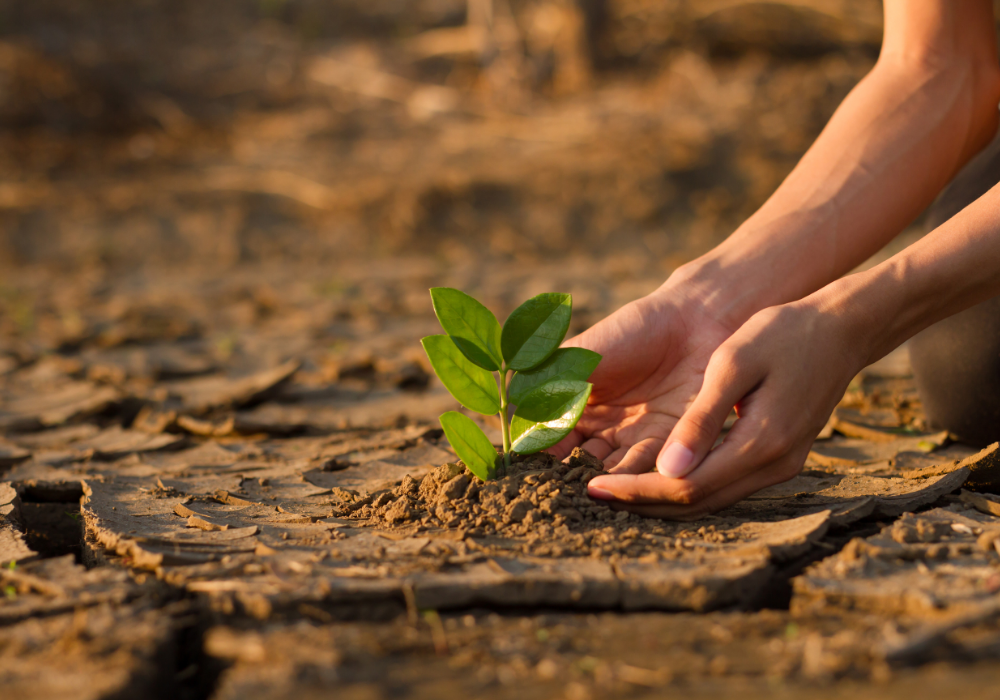
Centuries of colonial exploitation laid the foundation for the climate disparities we see today. Colonizing powers extracted resources from the Global South, fueling industrialization in the West while leaving formerly colonized nations economically dependent and environmentally degraded, according to Columbia Climate School. The wealth amassed by industrialized nations came at the cost of ecosystems and economies in the Global South.
This historical imbalance remains embedded in global climate negotiations. Wealthier nations often push for market-based solutions, like carbon offset schemes, which allow them to continue polluting without directly addressing the damage they’ve caused. Meanwhile, countries in the Global South demand financial reparations and structural change to combat the consequences of a crisis they didn’t create. Climate justice requires acknowledging this legacy and ensuring that historical responsibility is factored into global climate action.
2. Broken promises on climate finance are fueling distrust.

At COP15 in 2009, wealthy nations pledged $100 billion annually to support developing countries with climate adaptation and emissions reduction. More than a decade later, that goal remains unmet. The United Nations Climate Change provides details in their article, “The Climate Finance Question”. For countries already grappling with rising sea levels, extreme weather events, and food insecurity, these unfulfilled commitments translate to real-world suffering.
Even when funding is delivered, it often comes in the form of loans instead of grants, deepening existing debt burdens. This approach forces developing nations into a vicious cycle of borrowing just to respond to climate disasters, leaving them with fewer resources to invest in sustainable growth. Climate justice demands more than financial promises—it requires equitable funding mechanisms that prioritize grants and debt relief, ensuring that vulnerable nations aren’t further penalized for a crisis they didn’t cause.
3. Climate migration is reshaping entire regions.
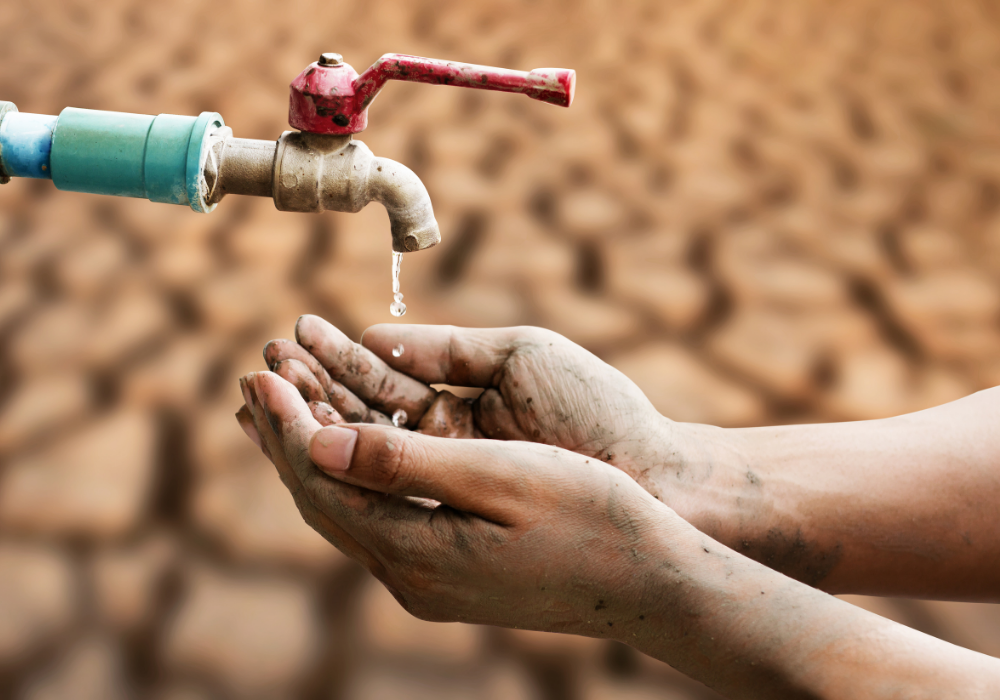
The Global South is facing a surge of climate-induced displacement. Rising sea levels, prolonged droughts, and increasingly frequent natural disasters are forcing millions from their homes. The World Bank estimates that climate-related migration could displace over 200 million people by 2050.
Despite the scale of this crisis, international protections for climate migrants remain weak. Most global frameworks do not recognize climate-induced displacement as grounds for asylum, leaving affected populations without legal pathways to safety. Without stronger global agreements and legal protections, countries in the Global South will continue to face migration crises largely unsupported by the nations most responsible for the climate crisis.
4. Fossil fuel dependency keeps economies trapped.
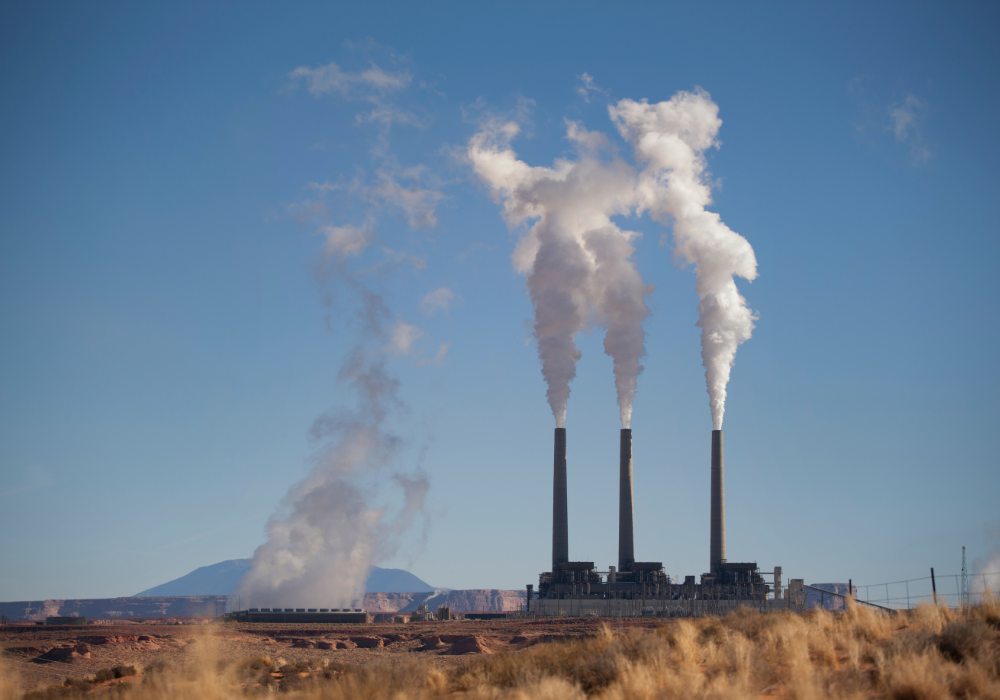
Many economies in the Global South rely heavily on fossil fuel exports, a legacy of colonial economic structures that prioritized resource extraction. This creates a dilemma—these nations are among the most vulnerable to climate impacts, yet fossil fuels remain a critical source of income.
Transitioning away from fossil fuels without adequate financial support could devastate national economies, leading to job losses and decreased funding for public services. Wealthy nations need to support a just transition by investing in renewable energy infrastructure and providing financial assistance for economic diversification. Climate justice means ensuring that the burden of decarbonization doesn’t fall on those who can least afford it.
5. Indigenous solutions are being ignored.

Indigenous communities in the Global South have long maintained sustainable land-use practices and possess vital ecological knowledge. From forest management in the Amazon to water conservation in Africa, their practices could offer valuable solutions to today’s climate crisis.
However, these communities are often sidelined in climate discussions, and their land rights are frequently violated by extractive industries. Recognizing Indigenous leadership and integrating their knowledge into national and international climate policies isn’t just about fairness—it’s essential for building effective, sustainable solutions that benefit both local ecosystems and the global climate.
6. Climate reparations are long overdue.

Countries in the Global South are increasingly calling for climate reparations—financial compensation from wealthier nations to cover the loss and damage caused by climate change. The creation of a “Loss and Damage” fund at COP27 marked progress but fell short of concrete action, with many wealthy nations resisting firm financial commitments.
Reparations are about more than financial aid—they represent an acknowledgment of historical responsibility. Without tangible contributions from high-emitting countries, the idea of climate justice remains an empty promise. The path forward requires more than symbolic agreements; it demands enforceable funding mechanisms to address both past harm and future adaptation needs.
7. Debt traps are making climate adaptation impossible.
Many developing nations are burdened by debt, which limits their ability to invest in climate resilience. To make matters worse, climate finance from wealthier countries often comes in the form of loans, adding to existing financial pressures.
Debt cancellation and restructuring are essential components of climate justice. International financial institutions and wealthier governments must recognize that saddling vulnerable countries with more debt for climate adaptation is both unjust and unsustainable. Without meaningful debt relief, nations in the Global South will continue to struggle with both economic instability and climate vulnerability.
8. Food insecurity is worsening as climate impacts intensify.
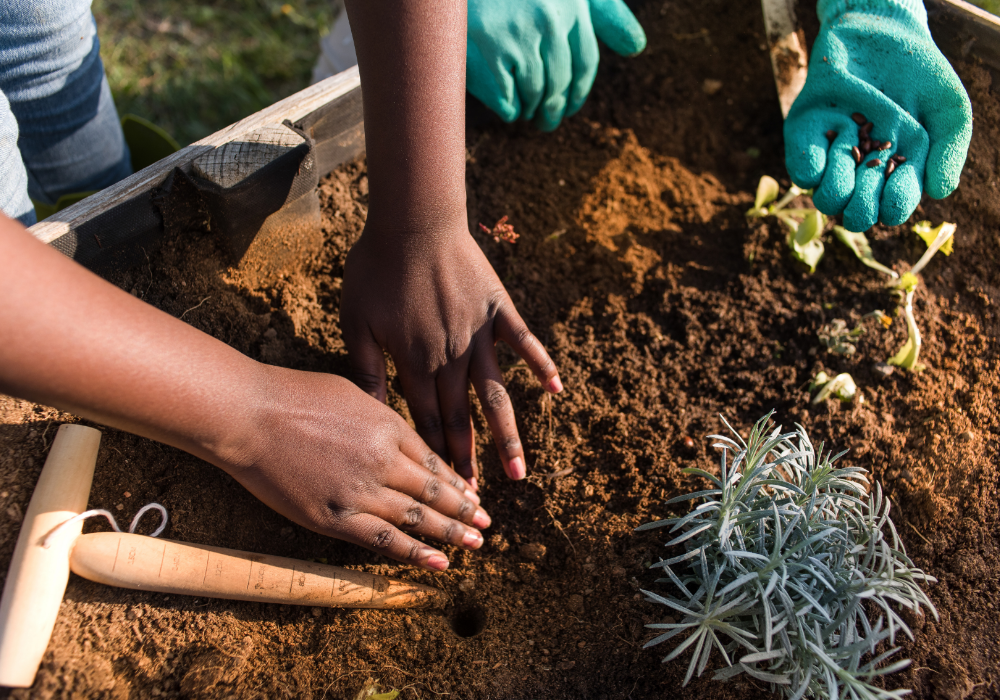
The Global South is disproportionately affected by climate-driven food insecurity. Changing weather patterns, prolonged droughts, and flooding are disrupting agriculture, reducing yields, and driving up food prices. In regions where the majority of the population relies on subsistence farming, these shifts threaten both livelihoods and survival.
Global climate policy must prioritize food security by supporting sustainable agricultural practices and funding climate adaptation programs for smallholder farmers. Ignoring this reality risks worsening poverty, hunger, and social instability across entire regions, creating a crisis that will inevitably ripple across borders.
9. Water scarcity is creating new conflicts.

Water scarcity, exacerbated by climate change, is becoming a major driver of conflict in regions like sub-Saharan Africa and South Asia. As droughts intensify and freshwater supplies dwindle, tensions over access to water resources are rising, threatening regional stability.
Solving this issue requires international cooperation and investment in water management systems. Equitable access to water must be recognized as a basic human right, with wealthier nations supporting infrastructure projects and conflict prevention efforts in vulnerable regions. Without proactive solutions, water scarcity will continue to fuel violence and displacement across the Global South.
10. The Global South’s leadership is reshaping climate action.

Countries in the Global South aren’t just victims of the climate crisis—they’re also driving innovative solutions. Nations like Costa Rica have demonstrated global leadership by committing to renewable energy transitions, while Pacific Island states have been at the forefront of international climate diplomacy.
Their leadership highlights the importance of shifting global power dynamics in climate negotiations. Rather than imposing top-down solutions, wealthier nations must listen to and support the leadership of those most affected. True climate justice will only be possible when the voices of the Global South are heard and prioritized in decision-making spaces.