
Long before the American frontier expanded westward, the Sauk tribe shaped the nation’s destiny through courage, conflict, and resilience.
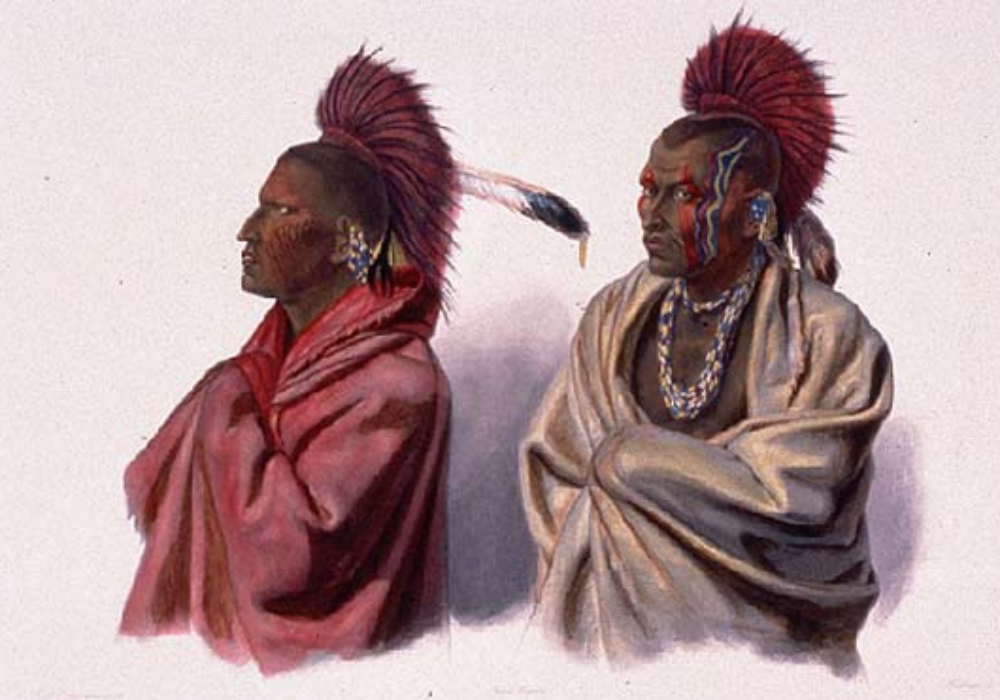
The Sauk were once among the most influential Indigenous nations in North America, controlling vast territories along the Mississippi River and shaping the early course of U.S. expansion. Their leaders, including the legendary Black Hawk, resisted forced removal and fought to protect their homeland during one of America’s most misunderstood conflicts. Though history often overlooks them, the Sauk tribe’s struggle and legacy helped define the nation’s identity—and its conscience.
1. The Sauk Once Controlled the Heart of the Midwest

Before the United States expanded westward, the Sauk tribe occupied fertile lands along the upper Mississippi River in present-day Illinois, Iowa, and Wisconsin. They were skilled farmers, hunters, and traders who built thriving villages near riverbanks, where waterways served as highways for commerce and culture.
The Sauk’s central location made them a powerful force in the region. Their influence extended through alliances and trade with other tribes and early European settlers, giving them an essential role in shaping the cultural and economic foundations of America’s developing frontier.
2. A Culture Rooted in Community and Balance

The Sauk people lived in structured, communal villages, with longhouses made of elm bark and woven mats. Families worked cooperatively, sharing food and resources. They grew corn, beans, and squash—the “Three Sisters”—and hunted deer, elk, and buffalo.
Their society emphasized balance and respect for nature, viewing the earth as a living partner rather than a resource to exploit. This worldview clashed with incoming settlers’ ideas of land ownership, setting the stage for future conflicts over territory and sovereignty.
3. Early Encounters With European Powers

By the 1600s, French explorers and traders arrived in Sauk territory, introducing firearms, metal tools, and new trade opportunities. For a time, the exchange was mutually beneficial—the Sauk gained goods and allies, while Europeans accessed furs and navigational routes.
But European expansion also brought disease, displacement, and pressure from rival tribes armed by foreign powers. The Sauk soon found themselves navigating a complex web of shifting alliances between France, Britain, and the newly formed United States, each seeking control of the Mississippi River corridor.
4. The Rise of the Black Hawk Nation
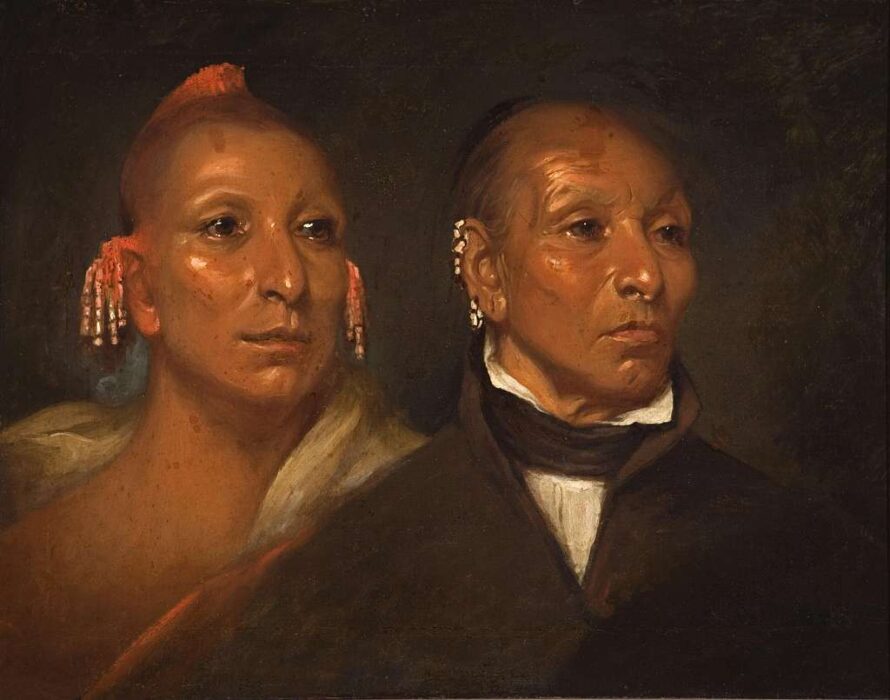
Among the most revered Sauk leaders was Black Hawk, born in 1767 in Saukenuk, the tribe’s principal village along the Rock River in Illinois. Known for his bravery, eloquence, and leadership, Black Hawk rose to prominence as a warrior and protector of his people.
He rejected treaties signed by other tribal representatives that ceded Sauk land to the U.S. government, insisting the tribe had been misled. Black Hawk’s determination to defend his homeland would make him both a symbol of resistance and a central figure in one of the 19th century’s defining frontier conflicts.
5. The Treaty That Sparked Betrayal

In 1804, a small group of Sauk and Meskwaki (Fox) leaders traveled to St. Louis to negotiate peace after a skirmish—but instead signed away 50 million acres of tribal land for a fraction of its value. Many historians believe they didn’t understand the treaty’s full implications or lacked authority to represent the entire nation.
When the U.S. government enforced the treaty years later, the Sauk were shocked. Their ancestral home at Saukenuk was claimed by settlers, and their people were forced to cross the Mississippi River into unfamiliar and less fertile territory.
6. The Black Hawk War Begins
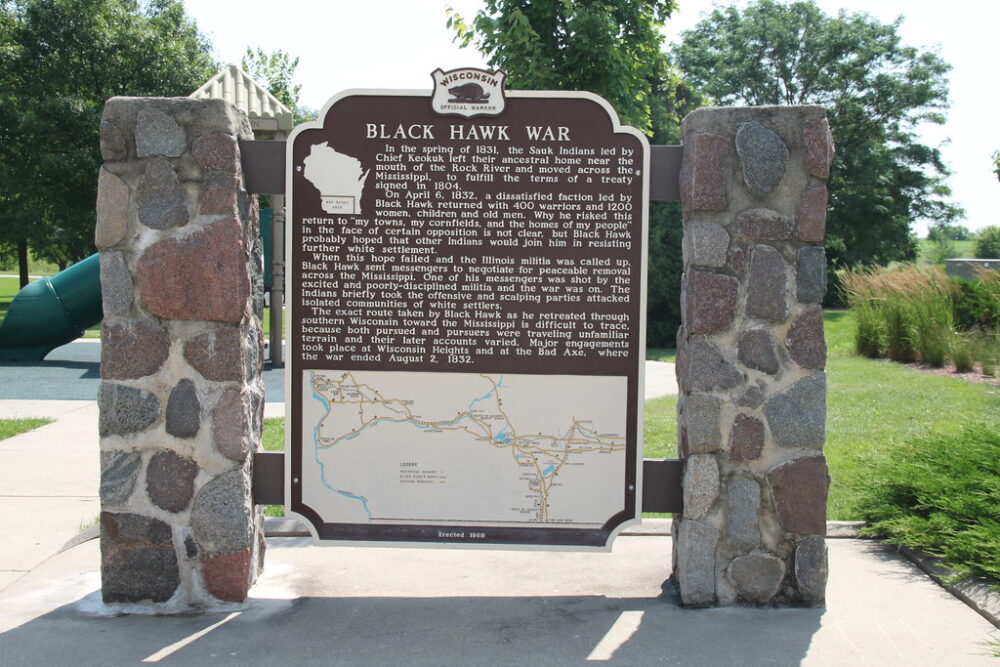
In 1832, Black Hawk led a band of nearly 1,000 Sauk, Meskwaki, and Kickapoo people back across the Mississippi River to reclaim their homeland. The U.S. military and state militias responded with overwhelming force, viewing the movement as an invasion.
The conflict—later called the Black Hawk War—lasted only a few months but was marked by tragedy. Many Sauk were killed as they fled north, including women and children caught in ambushes. The war ended with Black Hawk’s capture, but his defiance left an enduring mark on American history.
7. A Defiant Leader Becomes a Legend

After his surrender, Black Hawk was taken east to meet President Andrew Jackson and was later paraded through major U.S. cities. Newspapers portrayed him as both a noble warrior and a vanquished enemy, turning his story into a national sensation.
In captivity, Black Hawk dictated his autobiography—one of the first Native American memoirs ever published. His words revealed not vengeance but sorrow for his people’s suffering, offering Americans a rare firsthand account of the human cost of expansion. His dignity transformed him into a symbol of resistance and courage.
8. The Aftermath: Forced Removal and Displacement
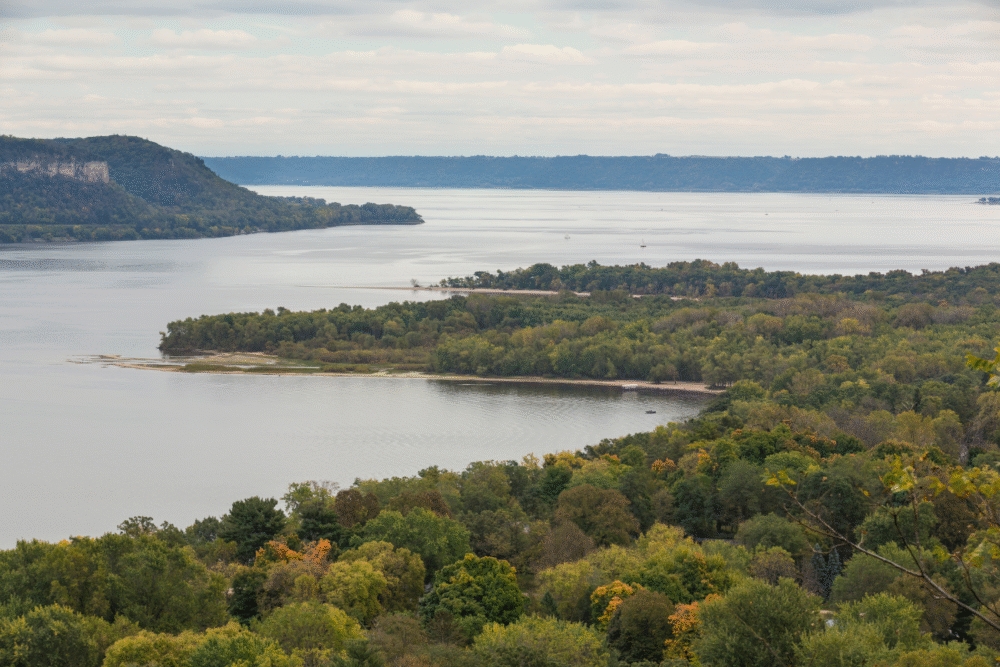
Following the Black Hawk War, surviving Sauk families were relocated west of the Mississippi River, eventually settling in what is now Iowa and later Kansas and Oklahoma. Their once-rich farmlands were replaced by reservations with poor soil and limited resources.
The loss fractured Sauk society. Many struggled with disease, hunger, and dependency as government agents imposed unfamiliar lifestyles and policies of assimilation. Yet, despite displacement, the Sauk retained their language, traditions, and governance—refusing to let centuries of culture disappear into history’s margins.
9. The Sauk and Fox Confederation Endures

Over time, the Sauk and the closely allied Meskwaki (Fox) people united formally as the Sac and Fox Nation. Together, they rebuilt their community and preserved their identity through shared governance, language, and ceremonial traditions.
Today, federally recognized Sac and Fox tribes reside in Iowa, Kansas, Nebraska, and Oklahoma. They continue to honor their ancestors’ resilience through cultural programs, powwows, and preservation of sacred sites—keeping the spirit of the Sauk alive even after centuries of upheaval.
10. How the Sauk Shaped American History

The Sauk story is more than a tale of loss—it’s a cornerstone of America’s formation. Their resistance forced the U.S. to confront the consequences of expansion and treaty-making, influencing federal Indian policy for generations.
Their presence along critical waterways helped shape early trade routes and settlement patterns across the Midwest. The Black Hawk War also launched the military careers of several future American leaders, including Abraham Lincoln, Zachary Taylor, and Jefferson Davis—proof of how deeply the Sauk’s fate intertwined with the nation’s own.
11. A Legacy of Strength and Survival

Though history books often overlook them, the Sauk people’s resilience endures. Their descendants continue to fight for cultural preservation, land rights, and recognition of their contributions to American history.
Through education, language revitalization, and renewed connection to ancestral lands, the Sauk remind us that their story isn’t just about the past—it’s about endurance. Against overwhelming odds, they survived, adapted, and reclaimed their voice, ensuring that the “forgotten tribe” will never be forgotten again.