
Ancient writings were excluded from the Bible for complex reasons involving theology, politics, and early church debates.
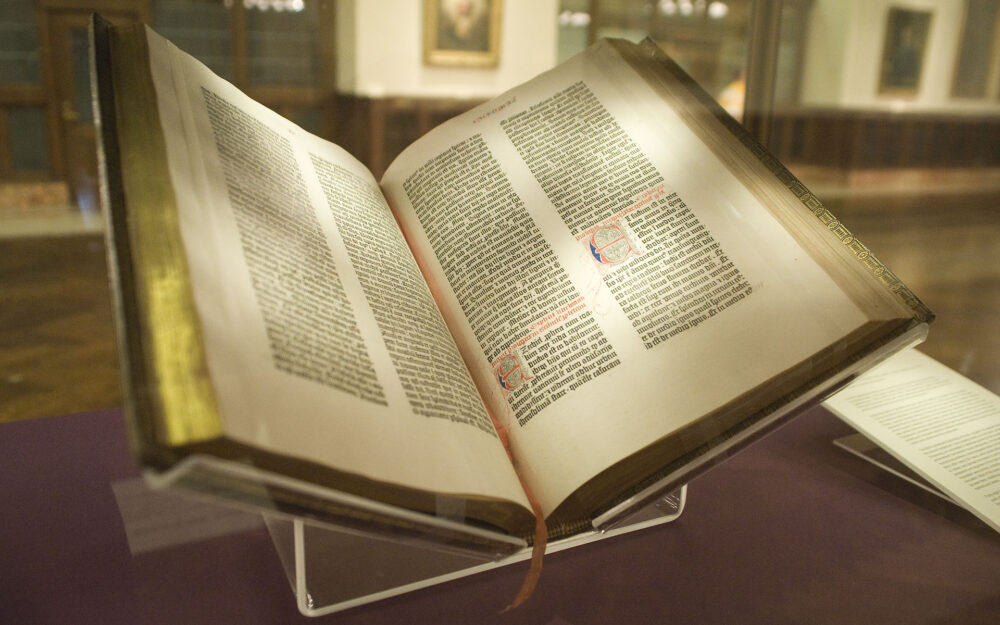
Many people are surprised to learn that early Christianity produced far more writings than the books that appear in today’s Bible. Over centuries of debate, councils and church leaders decided which texts aligned with accepted beliefs—and which did not. Some works were too new, too controversial, or lacked reliable authorship. Others offered ideas that conflicted with emerging Christian doctrine. These “forbidden” or excluded books reveal a fascinating window into early religious debates and show how the Bible we know today slowly took shape.
1. Early Christian Communities Used Many More Texts Than the Modern Bible
In the first centuries after Jesus’ life, Christian groups across the Mediterranean relied on a wide range of writings—gospels, letters, hymns, and apocalyptic visions. These texts varied widely in style and theological beliefs. Some churches used books that others had never heard of, creating a patchwork of traditions.
Because Christianity was not yet unified, no single authority determined which books were “official.” The diversity of early texts shows how fluid early Christian teaching was before later leaders began narrowing down which writings were considered trustworthy.
2. Books Were Excluded When Their Origins Seemed Uncertain or Anonymous

One major reason certain works were left out of the Bible was questionable authorship. Many texts claimed to be written by apostles but were actually composed decades or even centuries later. Scholars call these writings “pseudepigrapha”—works written under a famous name to gain authority.
Church leaders feared that anonymous or falsely attributed texts could mislead believers. Excluding these books helped ensure that only writings believed to be connected to eyewitnesses or early followers were included in the emerging canon.
3. Some Writings Offered Theologies That Clashed With Mainstream Beliefs

Several excluded texts contained ideas that differed from what became orthodox Christian doctrine. For example, some gnostic gospels emphasized secret knowledge as the path to salvation, while others described Jesus in ways that conflicted with emerging church teachings about his nature.
Leaders aimed to maintain theological unity. Books that challenged core beliefs about Jesus’ divinity, resurrection, or teachings were set aside. Their exclusion helped shape what became the central message of Christianity.
4. The Gospel of Thomas Was Left Out Due to Its “Sayings-Only” Style

The Gospel of Thomas is one of the most famous excluded texts. Discovered in Egypt in 1945, it contains 114 sayings attributed to Jesus but no stories of his life, death, or resurrection. Some sayings resemble those in the New Testament, while others appear more mystical.
Because Thomas lacks a narrative and presents Jesus’ message in a way some saw as aligned with gnostic ideas, early leaders did not include it in the official canon. Its discovery has sparked debate about the range of early Christian beliefs.
5. The Gospel of Mary Highlighted a Prominent Female Disciple

Fragments of the Gospel of Mary describe teachings given to Mary Magdalene and depict her as an important, respected figure among Jesus’ followers. The text also shows tensions between Mary and male disciples, raising questions about gender roles in early Christianity.
Although influential in some communities, the text was not widely circulated and conflicted with developing church structures. Its limited distribution and unconventional themes likely contributed to its exclusion from the Bible.
6. The Book of Enoch Was Revered by Some but Considered Too Ancient and Complex

The Book of Enoch, a Jewish apocalyptic work written centuries before Jesus, describes angels, visions, and cosmic events. Parts of it were popular among some early Christians and even quoted in the New Testament’s Book of Jude.
However, its elaborate angelology and symbolic imagery were seen as too speculative for the canon. Over time, it fell out of use in most churches—except in Ethiopia, where it remains part of the Ethiopian Orthodox Bible today.
7. The Shepherd of Hermas Was Once Extremely Popular—but Eventually Removed

The Shepherd of Hermas, a second-century Christian text full of parables and visions, was considered valuable reading in many early churches. Some leaders even recommended it as an edifying work for new believers.
However, it was ultimately excluded because it was written too late to be connected to the apostles. While respected, it lacked the authority needed for inclusion in the Bible. Its removal shows how timing and origin mattered as much as content.
8. The Infancy Gospels Added Legendary Details About Jesus’ Childhood

Several excluded works, known as “infancy gospels,” describe miraculous events from Jesus’ childhood—stories not found in the New Testament. These texts include dramatic tales like young Jesus forming clay birds and bringing them to life.
Because these accounts were written centuries after Jesus’ lifetime and included legendary elements, early leaders considered them unreliable. Their exclusion helped keep the biblical narrative focused on historically grounded events.
9. Some Texts Were Simply Too New to Be Considered Authoritative
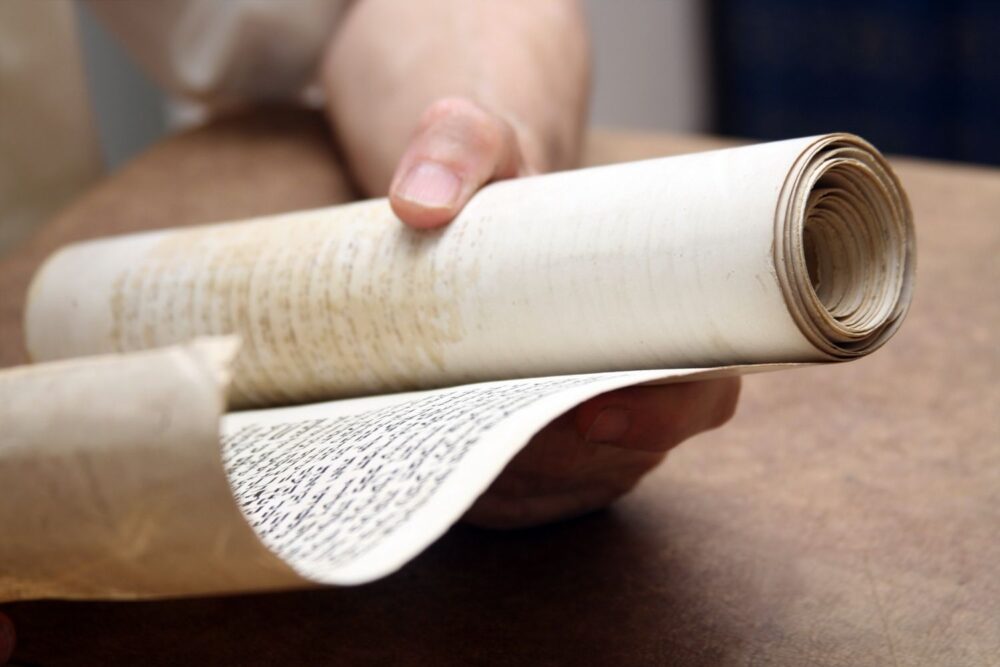
Works written after the apostolic era were generally rejected from the canon. Early church councils preferred writings produced in the first century, close to the lives of Jesus and the apostles. Later texts, even if moral or inspirational, lacked the historical connection needed for inclusion.
This time filter ensured that only the earliest Christian voices shaped the official foundation of scripture. Many later texts survived as spiritual literature but not as biblical books.
10. Church Councils Helped Formalize the Canon—but Slowly

The process of finalizing the Bible took centuries. Lists of accepted books appeared as early as the second century, but broader agreement emerged gradually. The Council of Carthage in 397 CE recognized the 27 New Testament books used today, formalizing decisions that had evolved through long debate.
This slow process reflects how diverse early Christianity was—and how much discussion went into deciding which writings carried lasting authority.
11. Excluded Books Still Reveal a Rich and Complex Early Christian World

Although these texts were left out of the Bible, they remain valuable for understanding early Christianity. They reveal debates about theology, leadership, gender roles, and the nature of spiritual authority. Scholars use them to reconstruct how different communities practiced their faith and interpreted Jesus’ teachings.
These works were not hidden conspiratorially—they simply reflected beliefs and traditions that did not become mainstream. Today, they offer fascinating insight into how early Christians wrestled with big questions that shaped the religion we know.