
History warns us what happens when civilizations ignore environmental collapse.

The decline of the Roman Empire wasn’t just about political corruption and invading forces—it was also a climate disaster. Unpredictable weather, prolonged droughts, and crop failures destabilized one of history’s most powerful civilizations, leaving it vulnerable to economic collapse and social unrest.
While climate change wasn’t the only factor, it played a crucial role in the empire’s downfall. Fast forward to today, and the parallels are impossible to ignore. Once again, extreme weather threatens food supplies, economic stability, and global security.
Rising temperatures, water shortages, and resource conflicts mirror the environmental stressors that helped bring Rome to its knees. If history has taught us anything, it’s that ignoring climate shifts comes at a high cost.
Click through to learn how the past is repeating itself.
1. When the crops dried up, so did Rome’s future.
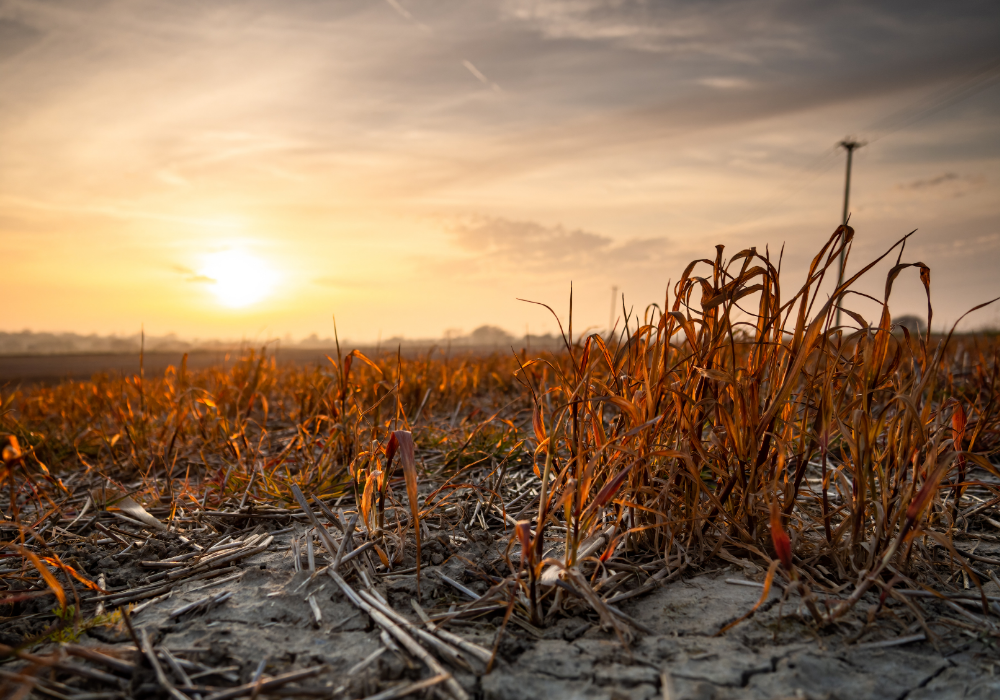
Rome had power, wealth, and military strength, but none of it mattered when the land stopped producing food. The Roman Empire’s intensive demand for wood for construction and shipbuilding led to widespread deforestation, which, combined with overgrazing and intensive farming practices, led to soil erosion and decreased crop yields.
Years of brutal droughts left farms barren, and grain imports couldn’t keep up with demand. The rich hoarded what little was left, while the poor rioted in the streets. A starving empire is a weak empire, and Rome was no exception.
Follow us and access great exclusive content every day
2. Droughts wrecked the farms, then floods finished the job.
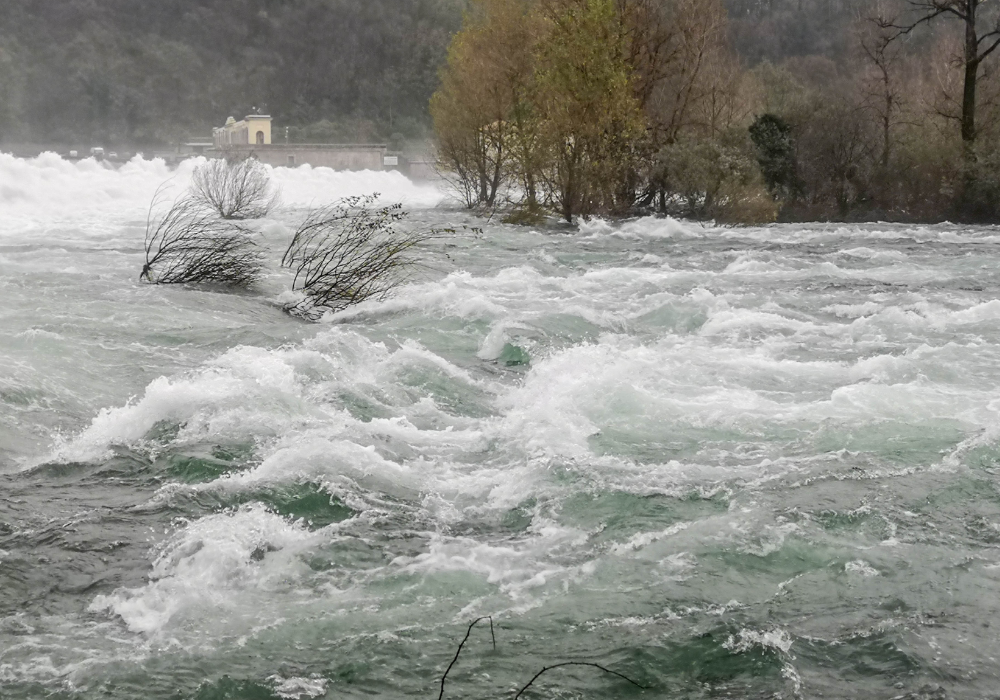
Rome’s climate wasn’t just unpredictable—it was ruthless. After years of devastating drought, the skies finally opened up, but not in the way anyone hoped. Relentless floods washed away what little farmland remained, drowned infrastructure, and left cities stranded. Crops were wiped out, trade slowed, and everything spiraled from bad to worse.
Today’s cities are built for stable weather, not biblical-level storms. From Miami to Venice, rising sea levels and extreme floods are swallowing entire neighborhoods. Roads, power grids, and drainage systems can’t keep up, leaving billions in damages every year.
3. Rome’s climate disasters hit the poor hardest—just like today.
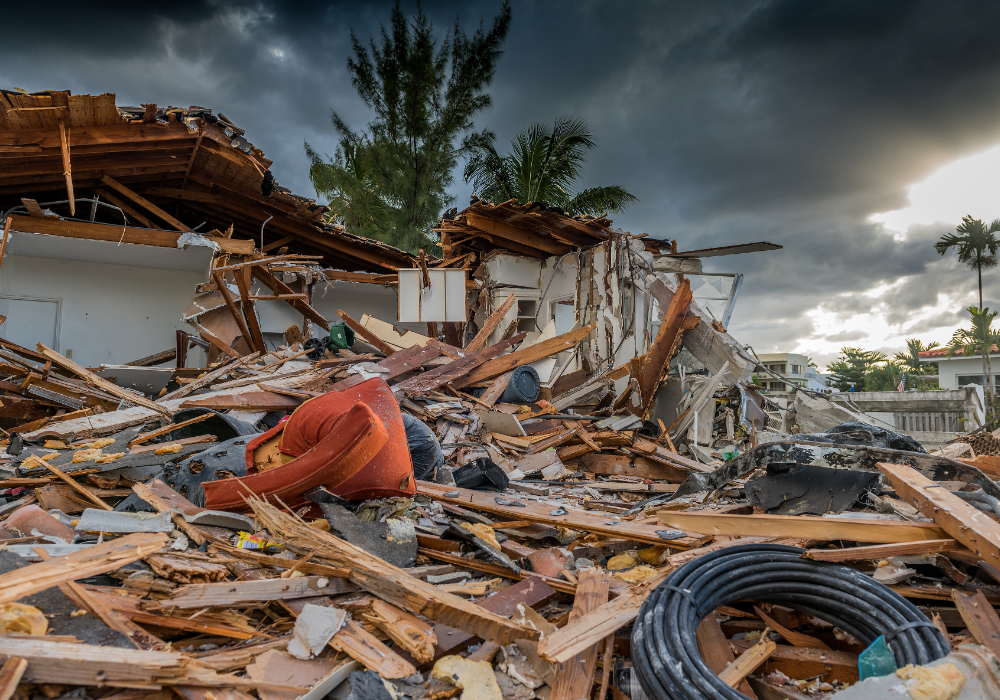
When Rome’s food supply collapsed and extreme weather wrecked cities, the working class and poor were left behind by the elite to deal with riots, food shortages, and failing infrastructure. Lorraine Boissoneault of the Smithsonian Magazine reports that before the fall of the Roman Republic, wealth inequality and political corruption left ordinary citizens struggling while the elite hoarded resources.
Skip to today, and the pattern hasn’t changed. From deadly heatwaves in poorly insulated housing to hurricanes wiping out underfunded neighborhoods, the gap between who survives and who suffers keeps widening. If today’s governments keep ignoring the most vulnerable, history won’t just repeat itself; it will collapse in the same way, only faster.
Follow us and access great exclusive content every day
4. The empire’s economy tanked when the weather turned against it.

For centuries, Rome’s economy thrived on trade, agriculture, and a seemingly endless supply of resources. But once climate disasters started piling up, everything unraveled. Failing crops drove up food prices, supply chains broke down, and entire industries collapsed. Inflation skyrocketed, and everyday Romans found themselves struggling to survive.
Now, the global economy is feeling the heat—literally. Climate disasters are draining billions from disaster relief funds, insurance companies are pulling out of high-risk areas, and supply chains are breaking under the weight of unpredictable weather. Energy and food prices are soaring, and some industries may never recover.
5. Plagues loved Rome, and they’ll love us too.
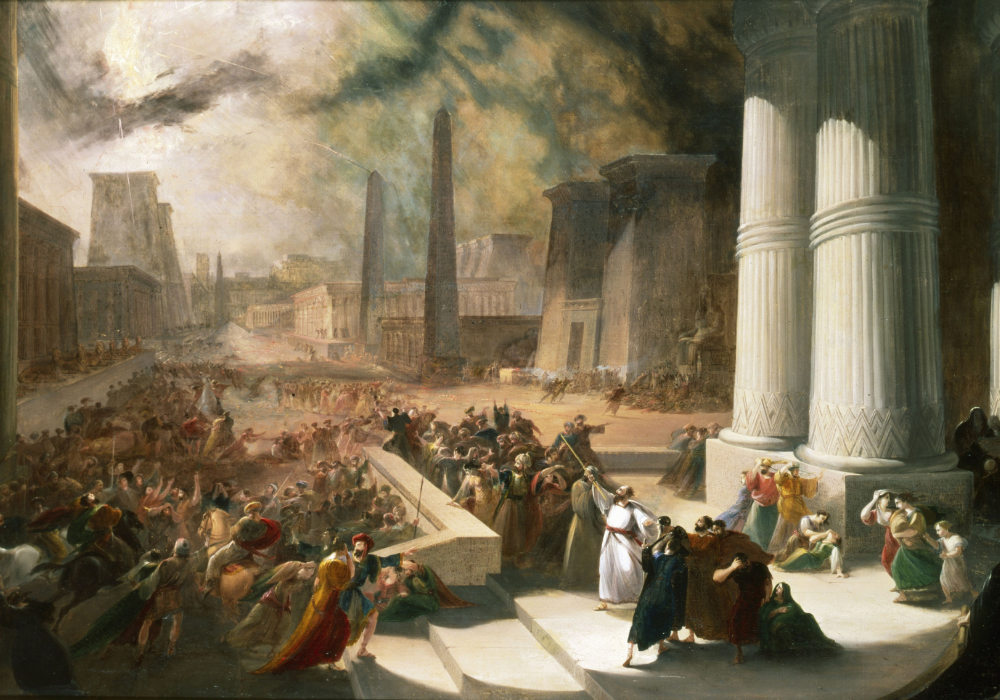
Rome’s food shortages didn’t just leave people hungry—they left them vulnerable. Malnutrition and overcrowded cities became the perfect breeding ground for disease, and once the plagues started, they didn’t stop. Millions died, entire regions were crippled, and the empire never fully recovered.
Fast forward to now, and rising temperatures are fueling a new wave of infectious diseases. Mosquito-borne viruses like malaria and dengue are spreading into new regions, antibiotic-resistant bacteria are thriving in warming waters, and extreme weather is forcing millions into crowded, unsanitary conditions.
Scientists are already warning that climate change will drive future pandemics. Rome didn’t have modern medicine, but we do. The question is whether we’ll actually use it to prevent what’s coming—or just wait until it’s too late.
6. Rome’s military was unstoppable—until climate change weakened it.
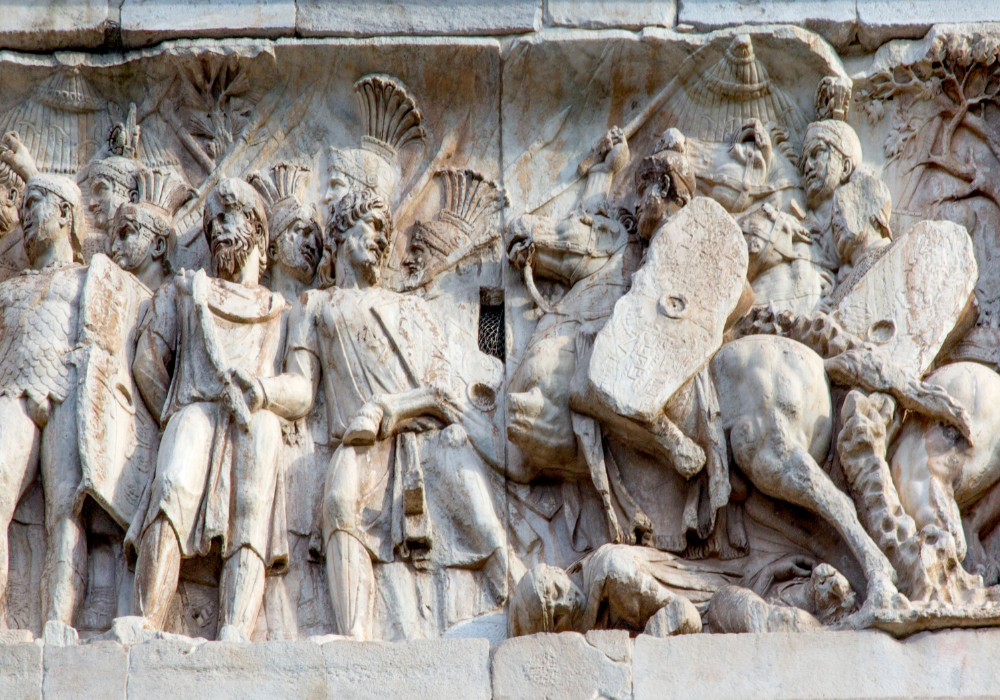
Rome’s armies were legendary, but even the strongest military couldn’t fight against climate collapse. Droughts dried up food supplies, floods wiped out infrastructure, and extreme weather left troops underfed, undersupplied, and unable to hold the empire together. The government poured money into wars instead of fixing its climate problems, and eventually, there was nothing left to fund either.
History is playing out again. Climate disasters are already straining militaries around the world, from hurricanes damaging U.S. naval bases to wildfires threatening military training grounds. Food and water shortages are fueling conflicts in unstable regions, while governments keep pumping cash into defense instead of climate solutions.
Follow us and access great exclusive content every day
7. Water shortages divided the empire, and now they’re turning nations against each other.
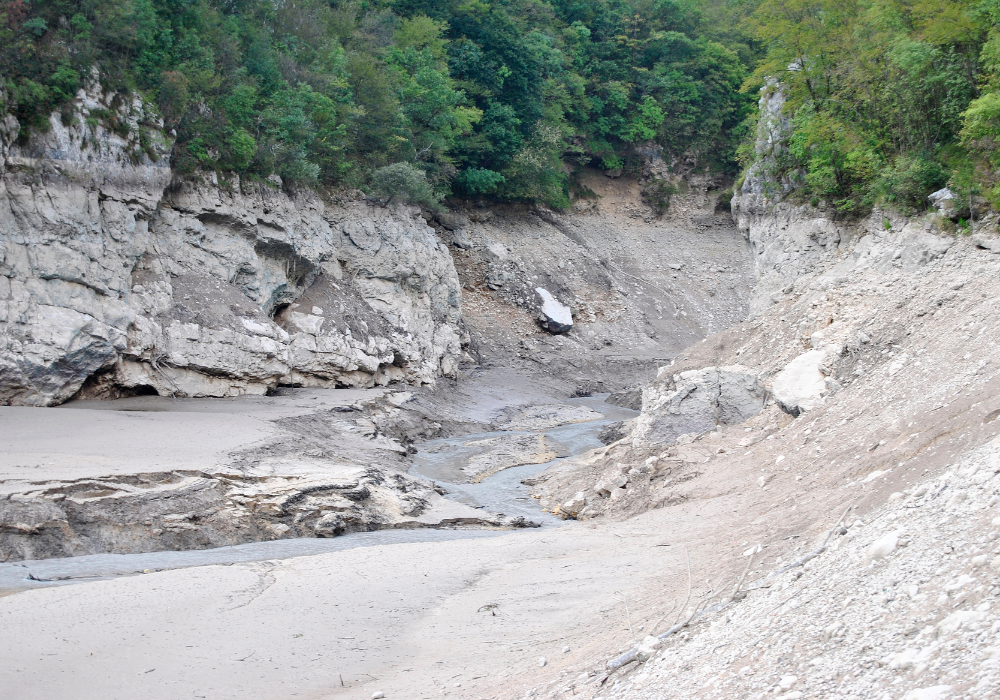
When Rome’s water supplies started drying up, things got ugly. Wealthy elites found ways to hoard access, while the poor were left to fight over scraps. Tensions boiled over, and soon, regions were turning on each other in battles over water rights. The empire stretched too thin, and leaders lost control.
Now, water wars are creeping back into the modern world. Countries are clashing over rivers, aquifers, and reservoirs as once-reliable sources disappear. Farmers are watching their land turn to dust, cities are rationing water, and corporations are buying up what’s left.
8. They ignored environmental collapse, and then it was too late.
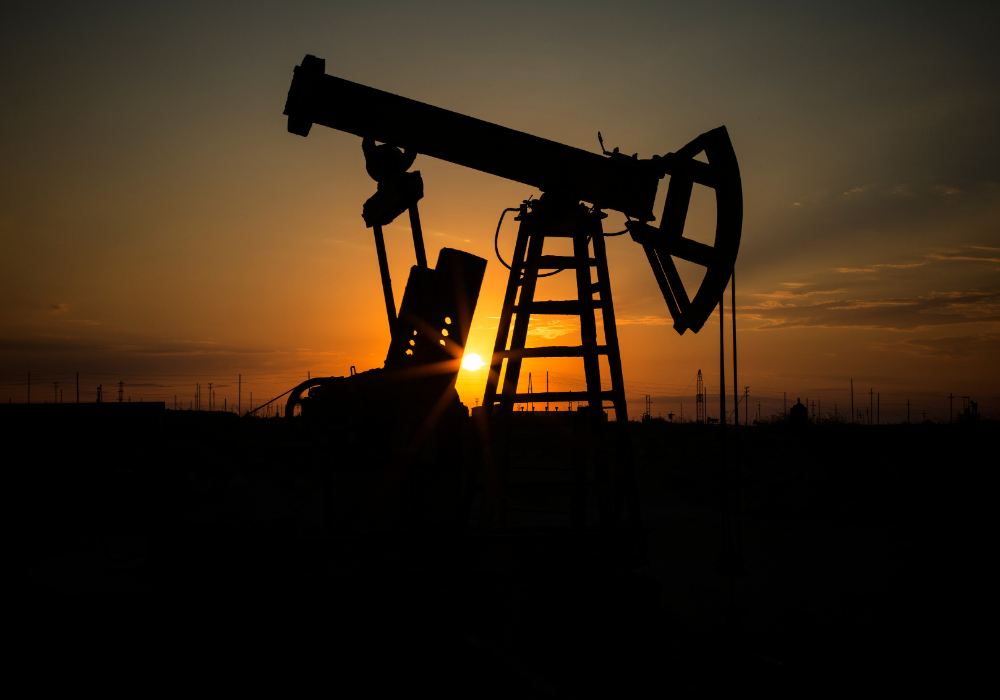
Roman leaders saw the warning signs of their failing environment, but they refused to take action. Instead, they doubled down on business as usual, prioritizing expansion and wealth over fixing their broken systems. By the time they realized their mistake, the damage was done, and the empire was past the point of saving.
World leaders today are following the same script. Scientists have been sounding the alarm for decades, yet governments continue subsidizing fossil fuels, slashing environmental protections, and pretending infinite growth is possible on a planet with finite resources.
9. The rich ran—but their safe havens didn’t last.
Rome’s wealthiest citizens had no interest in fixing a crumbling empire. As food shortages, disease, and unrest spread, they retreated to countryside villas, surrounding themselves with guards and stockpiled supplies. They believed they could wait out the chaos while the rest of society collapsed. Eventually, the same instability they had escaped found them.
Today’s modern elites are making the same mistake. Billionaires are buying bunkers, securing private islands, and stockpiling resources, convinced their wealth can shield them from a planet in crisis. But when entire economies start failing, fresh water runs out, and supply chains break down, gated mansions and underground bunkers won’t keep the chaos out forever.
Follow us and access great exclusive content every day
10. Rome thought it was too powerful to fall—so does the modern world.
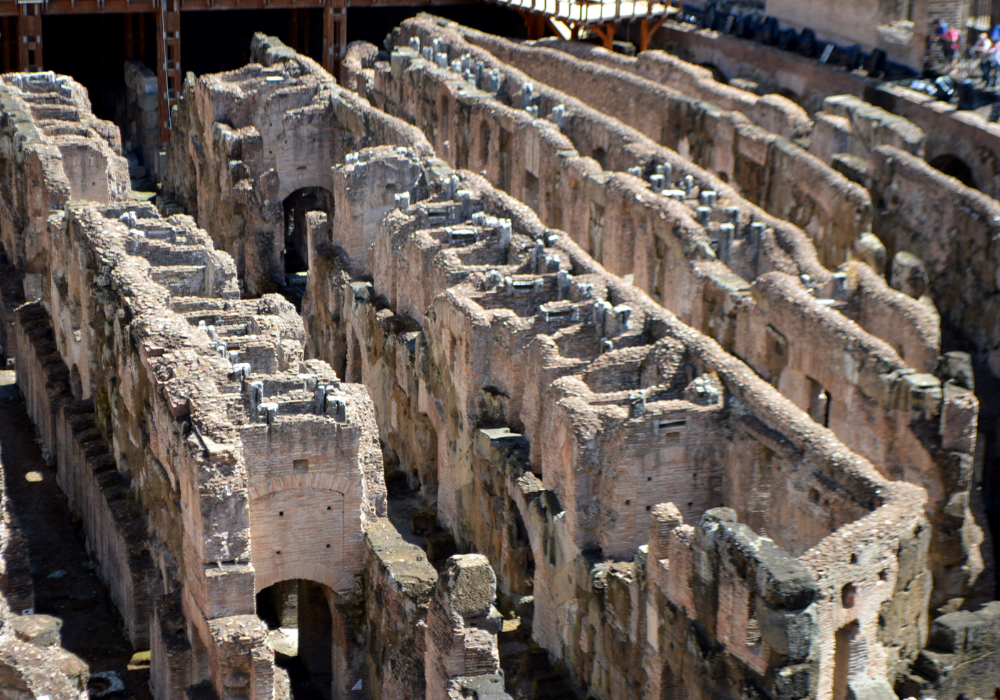
At its peak, Rome was the most powerful civilization on Earth. Its people believed the empire was invincible, that its systems would last forever. Even as food ran out, cities flooded, and the economy tanked, many refused to believe Rome could ever truly fall. Then, one day, it did.
Our current global superpowers have that same unshakable confidence. No one wants to imagine that the modern world, built on sprawling cities, high-tech infrastructure, and global trade, could ever collapse as Rome did. But climate change doesn’t care about power or progress. Every empire that ignored environmental disaster has fallen. The question isn’t if it can happen again—it’s whether we’ll be smart enough to stop it before it does.