
Sixty years later, the deaths of nine hikers in the Ural Mountains remain one of history’s strangest mysteries.
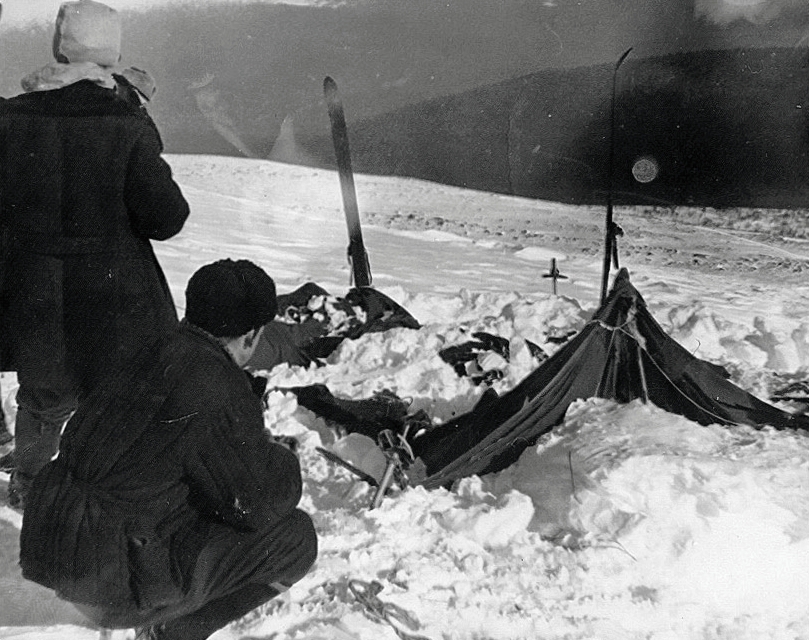
In February 1959, nine young hikers set out to cross the snowy peaks of Russia’s Ural Mountains — and never returned. When rescuers finally found their campsite, it looked like a scene from a nightmare. Their tent had been slashed open from the inside, their belongings left behind, and the hikers’ bodies scattered across the mountainside in various states of undress. Soviet investigators ruled the deaths “caused by an unknown compelling force.” Decades later, despite new evidence and modern forensics, the Dyatlov Pass mystery continues to baffle scientists, historians, and amateur sleuths alike.
1. The Expedition Begins
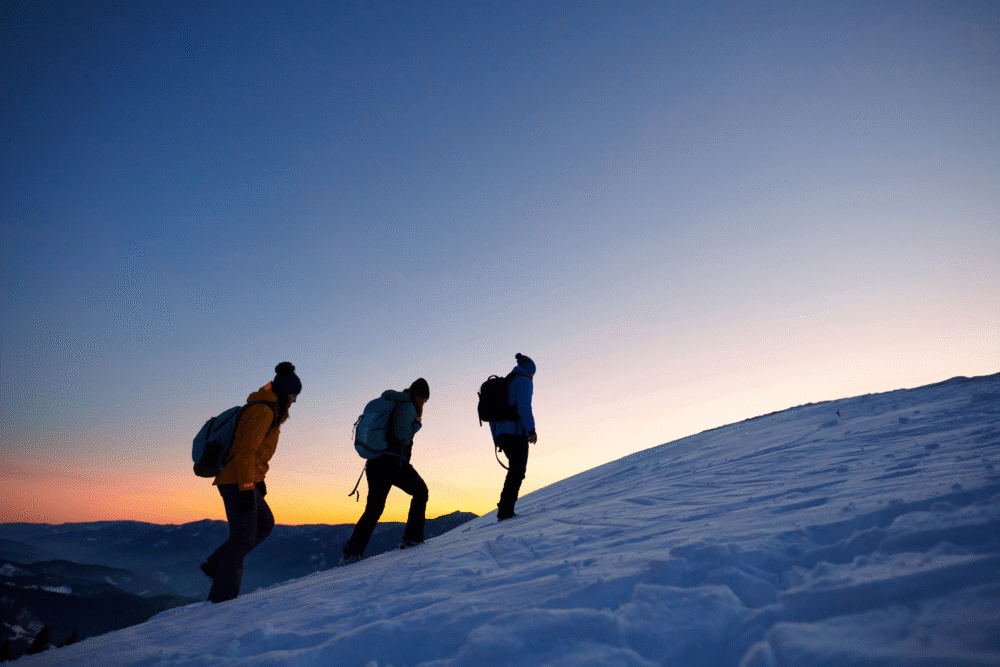
Led by 23-year-old engineering student Igor Dyatlov, the group of nine men and women from the Ural Polytechnic Institute embarked on a challenging winter trek. Their goal was to ski across the northern Urals to reach Mount Otorten — a route classified as “Category III,” the most difficult at the time.
All were experienced outdoorspeople. They carried detailed journals, a homemade stove, and carefully planned supplies. Their journey began on January 25, 1959, and everything went smoothly for the first week. But as they climbed higher, severe snowstorms forced them off course — setting the stage for tragedy.
2. The Final Camp
The hikers’ last known camp was found on the eastern slope of Kholat Syakhl — a name that means “Dead Mountain” in the local Mansi language. For reasons still debated, the group set up their tent in an exposed area rather than in the forest below, where there would have been shelter from the wind.
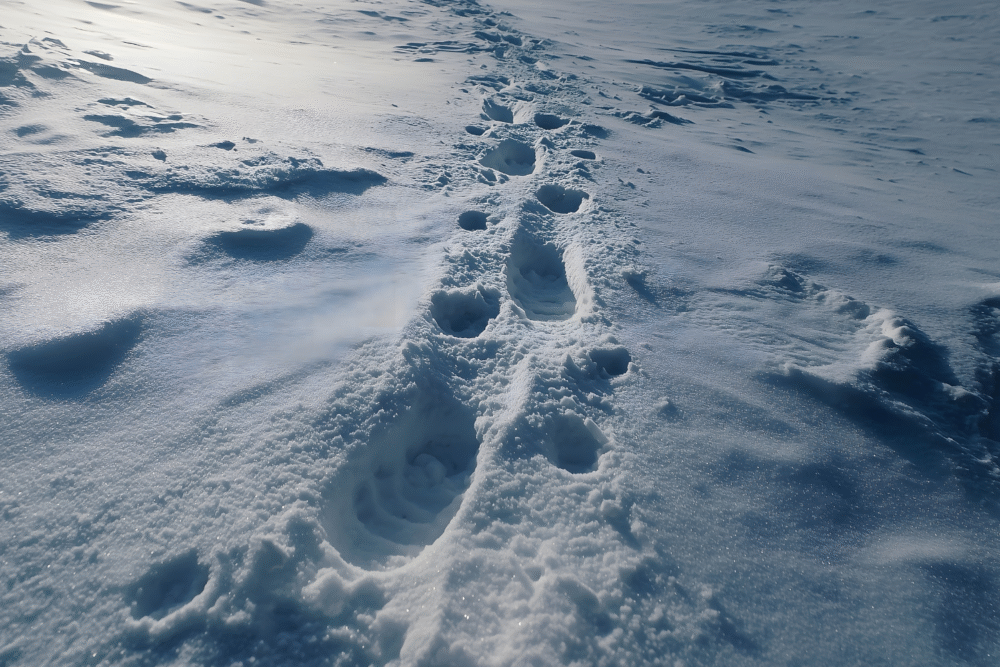
Investigators later discovered that the tent had been cut open from the inside. Equipment, boots, and food were neatly arranged, as if the hikers had fled suddenly. Their tracks led downhill into the darkness, barefoot or in socks, even though temperatures had plunged to -30°C.
3. The First Bodies Found
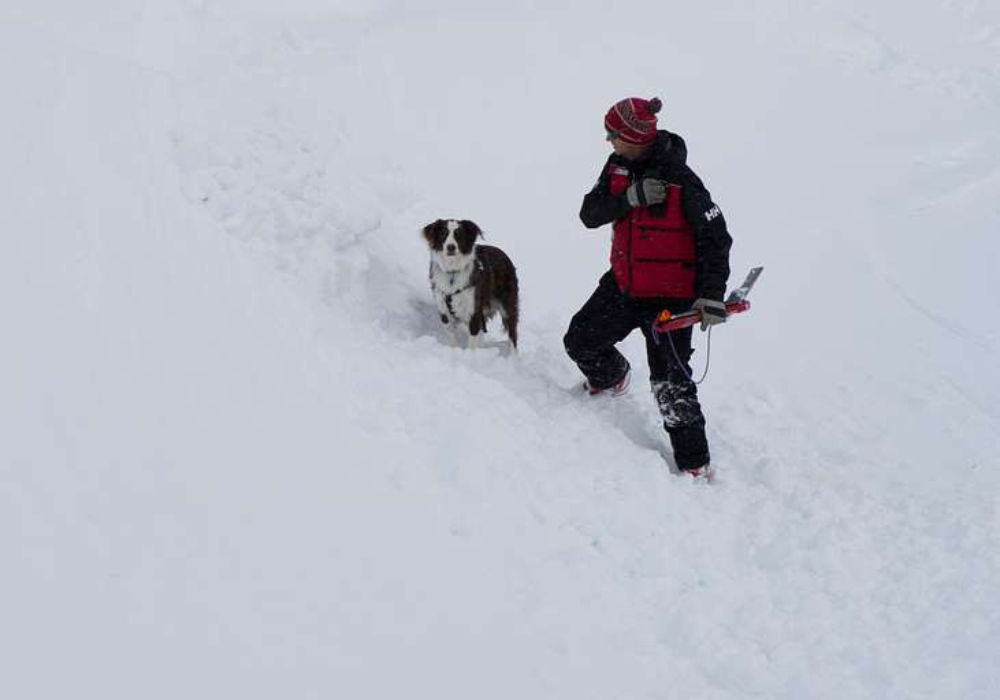
Rescue teams began searching in late February after the group failed to return on schedule. It took more than two weeks to find the first bodies — those of Yuri Doroshenko and Yuri Krivonischenko — lying near the edge of a forest, wearing only underwear and with signs of hypothermia.
Nearby, rescuers found remnants of a campfire and branches broken high up a cedar tree, suggesting they may have tried to climb for warmth or visibility. Three more bodies — including Dyatlov himself — were discovered between the forest and the tent, positioned as though they were crawling back toward camp.
4. The Final Four and the Shock of Discovery
Two months later, searchers found the remaining four hikers buried under several feet of snow in a nearby ravine. These bodies showed more severe and puzzling injuries: crushed ribs, fractured skulls, and one missing eyes and tongue. Yet there were no signs of an external struggle or attack.
Medical examiners were stunned. The pattern of injuries didn’t match an avalanche or a fight. One investigator described the internal damage as “equivalent to a car crash.” The absence of defensive wounds only deepened the mystery of what force could have caused such trauma.
5. Early Theories: Avalanche or Panic?
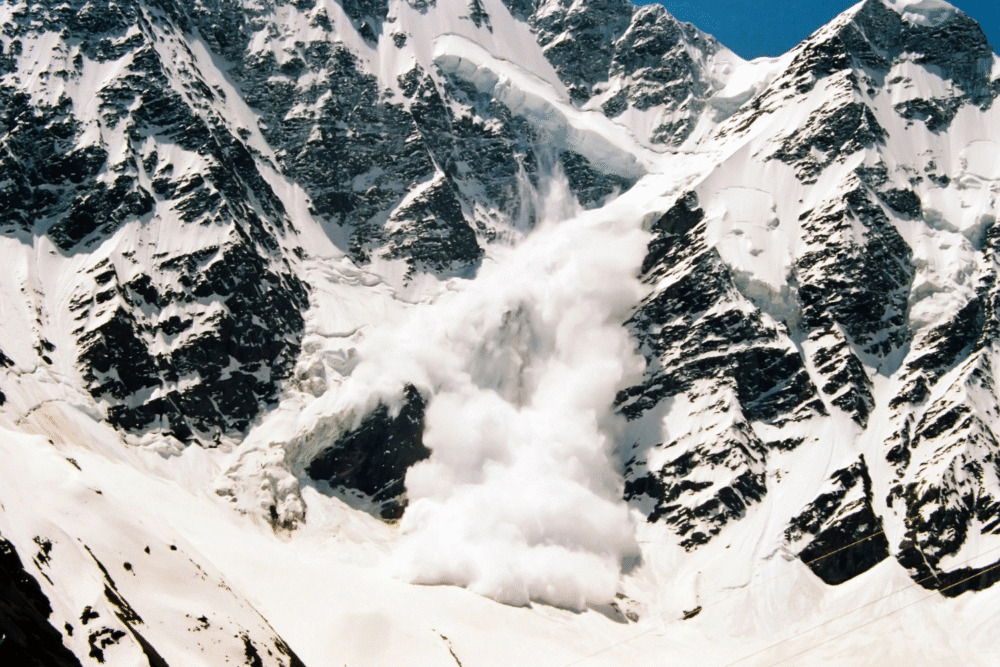
Soviet officials initially suspected an avalanche — a natural explanation that could fit the scene. But experts pointed out inconsistencies: the slope was too shallow, the tent remained partially standing, and snow accumulation was minimal.
Others suggested the group panicked after hearing a strange noise or seeing something unusual, fleeing without proper clothing. However, the hikers were disciplined and well-trained; it seemed unlikely they would abandon their tent in such deadly cold unless they truly believed their lives were in danger.
6. The Radiation Mystery
Tests conducted on the victims’ clothing revealed traces of radiation — a fact that fueled decades of speculation. Some theorized the hikers had stumbled upon a secret Soviet weapons test or that radioactive fallout had contaminated the snow.
However, later analyses suggested the readings were low-level and possibly caused by naturally occurring isotopes from equipment at their university. While the radiation theory keeps resurfacing in popular accounts, most researchers now believe it was incidental rather than central to the tragedy. Still, it remains one of the most cited anomalies in the case.
7. Military Tests and Cover-Up Claims

During the Cold War, secrecy surrounded nearly every aspect of Soviet life, including military operations. Some researchers suspect the hikers were accidentally caught in the path of secret weapons tests — perhaps parachute mines or sonic explosions — explaining both the panic and internal injuries.
Survivors from nearby expeditions reported strange glowing lights in the sky on the night of the incident, adding to the speculation. Declassified documents show there were indeed missile tests in the Ural region during that period, though none conclusively linked to Dyatlov Pass. For many, the mystery of official silence remains the most haunting clue.
8. Scientific Reinvestigation

In 2019, Russian authorities reopened the Dyatlov case to apply modern forensic analysis. After reviewing historical evidence and new simulations, investigators concluded in 2020 that a “slab avalanche” — a rare, delayed snow slide triggered by wind and gravity — was the most likely cause of death.
Computer models and motion studies supported the theory: compacted snow could have crushed parts of the tent, prompting the group to flee in panic. Yet critics argue that the injuries were too severe and the snow layer too shallow. The new explanation solved some questions — but not all.
9. The Hypothermia Paradox
Many experts agree that hypothermia played a role in most of the deaths. Once body temperature drops below 95°F, victims can become disoriented and begin undressing — a symptom known as “paradoxical undressing.”
This could explain why several hikers were found partially clothed despite freezing temperatures. However, this alone doesn’t account for the severe internal injuries of others. It’s possible that multiple factors — hypothermia, snow collapse, and panic — converged in a deadly chain of events that no one could escape.
10. The Role of Fear and Human Instinct
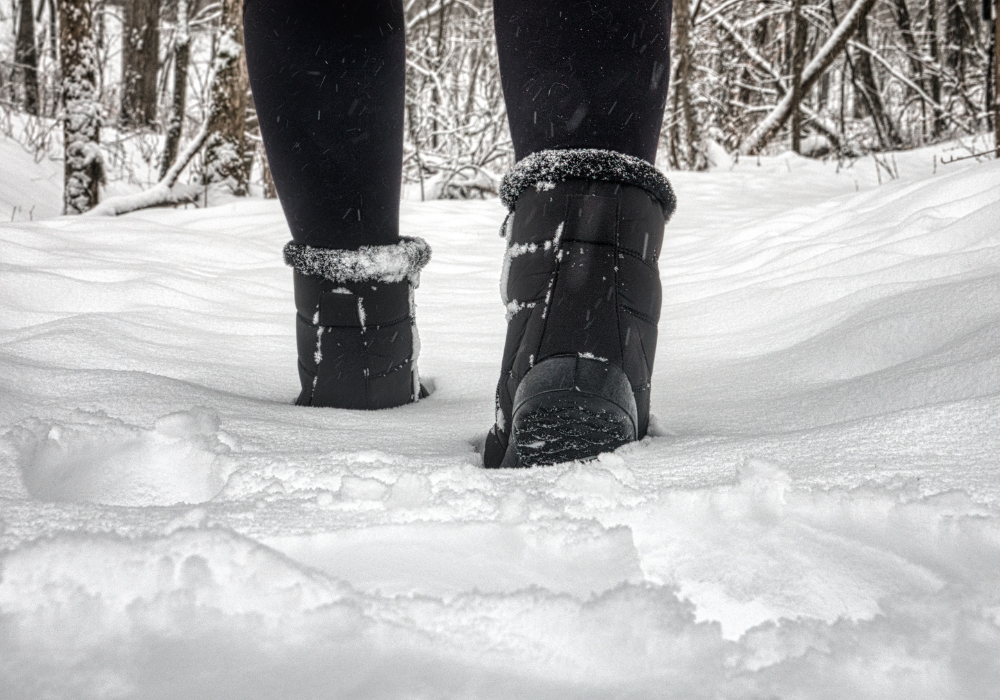
Psychologists studying the case believe that panic and confusion may have been just as lethal as any physical force. Disorientation in the dark, compounded by freezing temperatures and exhaustion, can cause groups to make fatal decisions.
Once separated from their tent and warmth, survival odds plummet within hours. The hikers’ attempts to build a fire and return to camp suggest rational thinking — but their scattered positions reveal how quickly control unraveled. In extreme conditions, even experienced adventurers can succumb to primal fear and environmental chaos.
11. The Mystery That Endures
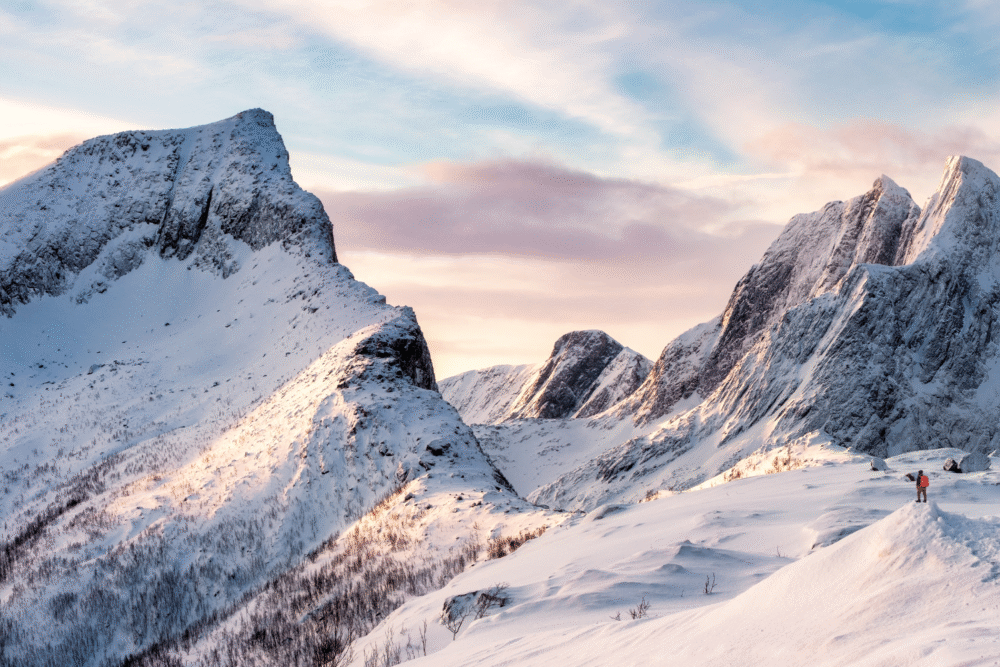
More than six decades later, the Dyatlov Pas Incident still inspires documentaries, investigations, and debates among experts and amateurs alike. Despite advancements in forensic science, no single explanation satisfies every detail.
For many, its enduring power lies in what remains unknown — a stark reminder of how even trained explorers can vanish into the wilderness under inexplicable circumstances. Whether caused by nature, human error, or something stranger, Dyatlov Pass endures as one of the coldest, darkest mysteries in modern history.