
Toxic fires and fumes from hidden landfills are threatening health and safety in communities nationwide.

You probably drive past toxic waste sites every day without even knowing it. There are currently 1,335 Superfund sites on the National Priorities List, and many more contaminated areas that haven’t made it onto the official cleanup roster yet. These aren’t just abandoned industrial zones in the middle of nowhere – they’re woven into our everyday neighborhoods, hiding behind shopping centers, underneath parks, and sometimes right next to schools.
The scary truth is that many of these contaminated sites look completely normal from the outside. You might see a vacant lot, an old gas station, or even a thriving business built on top of decades-old pollution. The health effects from living near contaminated sites can include increased cancer rates, birth defects, and respiratory problems, but most people have no idea they’re at risk. What you don’t know about the ground beneath your feet could be slowly poisoning your family.
1. That old gas station is secretly poisoning your neighborhood’s water
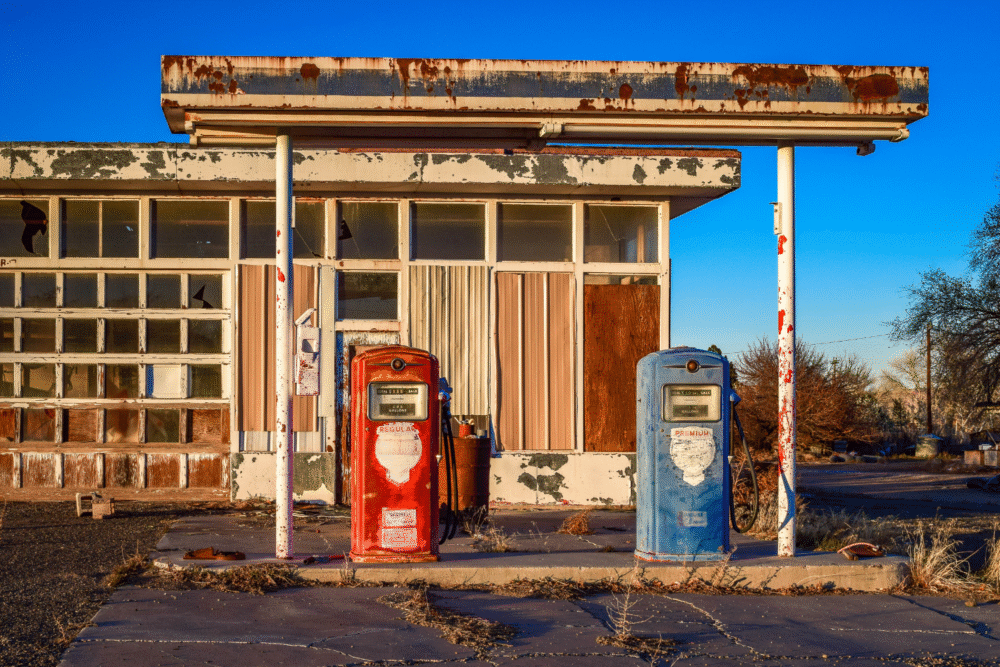
Old gas stations might look harmless after they close, but underground storage tanks often leak gasoline and chemicals into the soil for decades. These leaks create invisible plumes of contamination that can spread through groundwater and affect drinking water wells hundreds of yards away. Many former gas station sites were never properly cleaned up before new businesses moved in.
The chemicals from these leaks don’t just disappear over time – they stick around and keep spreading. Benzene, a known cancer-causing chemical in gasoline, can contaminate groundwater for generations. Families living nearby might notice a strange taste in their well water or smell gasoline fumes in their basement without realizing they’re being exposed to dangerous toxins every single day.
2. Your favorite shopping center could be built on decades of buried toxins

Developers love to build on former industrial land because it’s often cheap and already cleared for construction. But what they don’t always tell shoppers is that the soil underneath might be loaded with heavy metals, solvents, and other nasty chemicals from manufacturing operations that operated there for decades. These contaminants don’t just stay buried – they can affect air quality and even contaminate nearby water sources.
Many popular shopping destinations and strip malls sit on top of former factories, chemical plants, or waste disposal sites. The contamination gets covered up with clean soil and concrete, but it’s still there, sometimes creating vapor problems that seep up through cracks. Shoppers and workers spend hours in these locations without knowing they’re potentially being exposed to harmful substances every time they visit.
3. Dry cleaners left behind cancer-causing chemicals that are still spreading

Dry cleaning businesses used a chemical called perchloroethylene (PCE) for decades, and this stuff is seriously bad news for human health. PCE doesn’t break down naturally and has contaminated soil and groundwater around thousands of former dry cleaning locations. Even businesses that closed years ago are still creating health hazards for people living and working nearby.
This chemical is particularly sneaky because it can seep through concrete foundations and contaminate indoor air inside buildings. People working in offices or living in apartments above old dry cleaning sites often have no idea they’re breathing in cancer-causing vapors. The contamination can last for decades, turning everyday spaces into invisible health threats.
4. Children are going to school on land contaminated with industrial waste

Some schools have been built on or near former industrial sites, landfills, or other potentially contaminated areas, putting kids at risk during the time when their developing bodies are most susceptible to environmental toxins. Children’s nervous systems, organs, and immune systems are still developing, making them much more vulnerable to chemical exposure than adults.
What’s especially heartbreaking is that parents send their kids to school thinking it’s a safe environment, not knowing the playground equipment might be sitting on top of buried industrial waste. Some schools have discovered contamination only after students and teachers started getting sick at unusually high rates. The long-term health effects on these children won’t be fully known for years or even decades.
5. Military bases leaked jet fuel into entire neighborhoods

Military installations have been using and disposing of hazardous materials for decades, often without proper environmental controls. Jet fuel, solvents, and other military chemicals have leaked into groundwater systems that extend far beyond base boundaries. These contaminants can travel for miles underground, affecting civilian communities that have no connection to military operations.
PFAS contamination from military firefighting foam has affected drinking water supplies near many military installations. Families living near these bases often discover their well water is contaminated with chemicals that can cause cancer, liver damage, and immune system problems. The military is finally starting cleanup efforts, but the damage to surrounding communities has already been done.
6. Landfills are leaking toxic soup straight into your drinking water
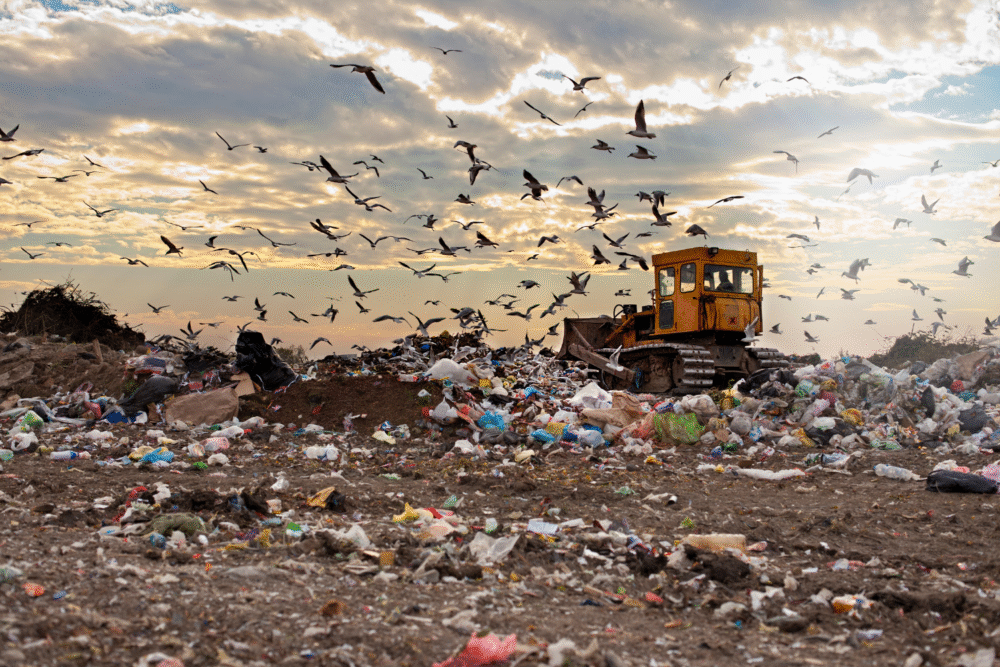
Even properly designed landfills eventually start leaking their contents into the surrounding environment. Modern landfills have liner systems, but these barriers don’t last forever, and older dumps had little to no protection against groundwater contamination. The “toxic soup” that leaks out contains everything from household chemicals to industrial waste that was illegally dumped years ago.
This contaminated groundwater doesn’t respect property lines – it flows according to underground geology and can pop up in wells and springs miles away from the original dump site. Rural communities are especially vulnerable because they rely on private wells that aren’t regularly tested. Many families have been drinking contaminated water for years without knowing it, slowly accumulating toxins in their bodies.
7. Companies secretly dumped industrial waste in rural areas for decades
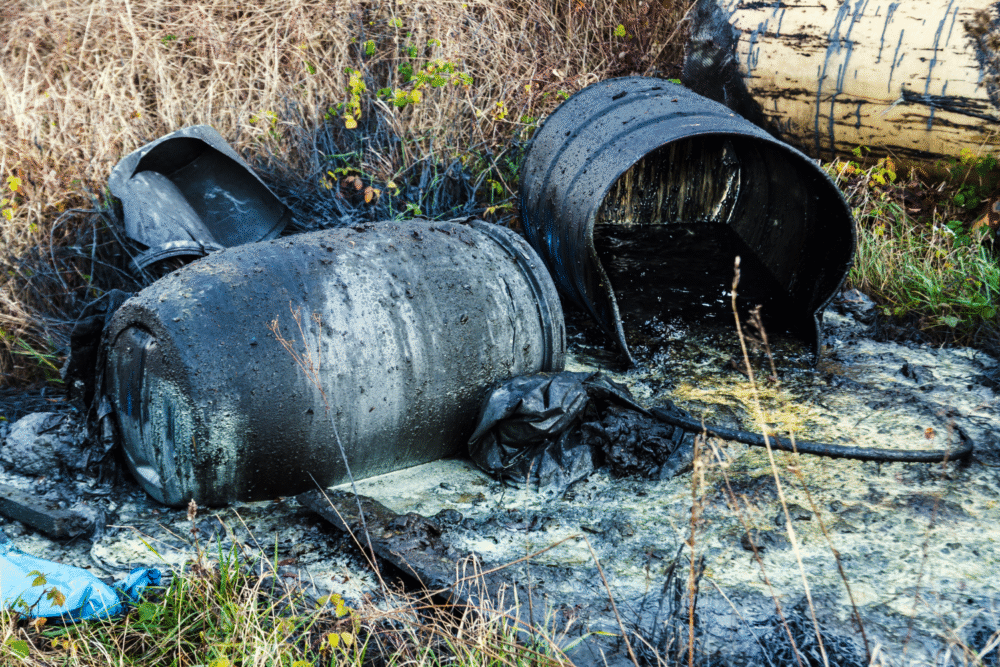
For decades, companies illegally dumped industrial waste in remote rural areas, thinking no one would notice or care. These illegal dump sites often lack any documentation about what was buried there, making them environmental time bombs. Drums of chemicals, contaminated soil, and industrial sludge were simply buried and forgotten, but the contamination is still spreading through groundwater.
Rural communities are discovering these hidden dump sites when their wells start producing foul-smelling or discolored water. Without proper records, it’s nearly impossible to know exactly what chemicals are present or how far the contamination has spread. Cleanup becomes a nightmare when you don’t know what you’re dealing with, leaving families in limbo about their water safety.
8. Chemical spills from the 1980s are still poisoning the air you breathe
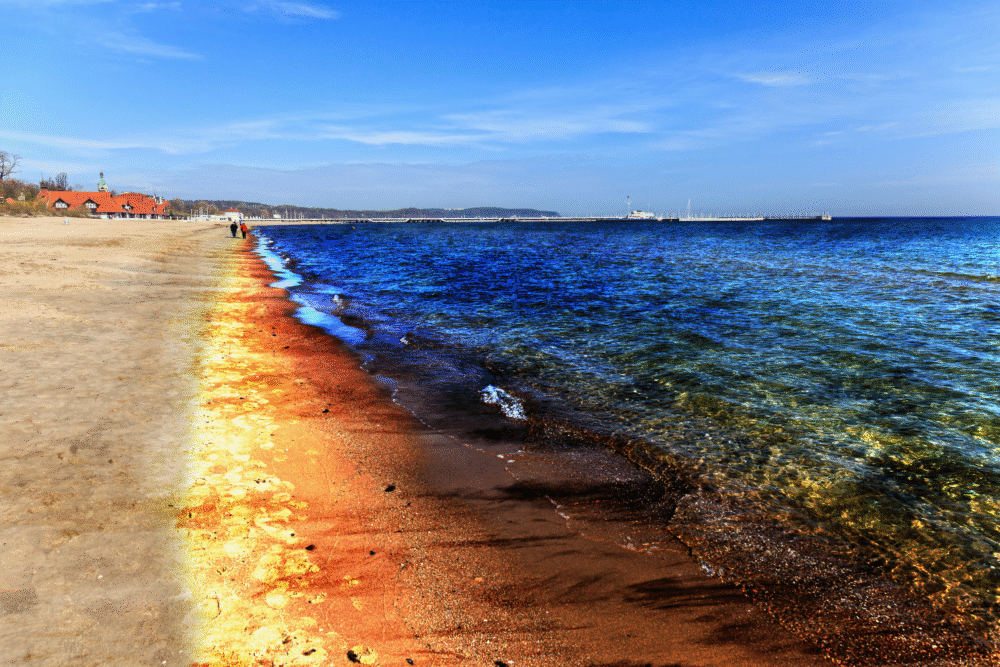
Major chemical spills and industrial accidents from the 1970s and 1980s left behind contamination that’s still affecting air quality today. Chemicals soaked into soil and concrete continue to evaporate into the air, creating ongoing exposure risks for people living and working in these areas. Many of these sites look completely normal now, with no visible signs of the environmental disaster that occurred there.
Volatile organic compounds from old industrial sites can create indoor air quality problems in nearby buildings. People working in offices or living in homes near these sites might experience headaches, dizziness, or breathing problems without realizing the cause. The health effects can be subtle and develop slowly over years, making it hard to connect symptoms to environmental exposure.
9. Abandoned mines turned entire regions into radioactive contamination zones
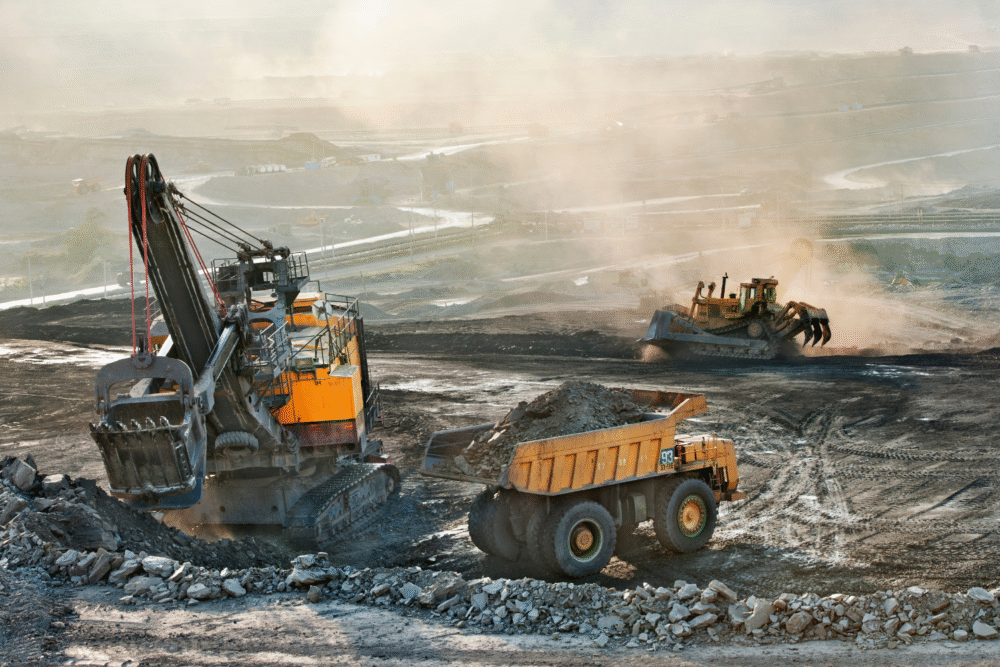
Abandoned mines don’t just create empty holes in the ground – they often leave behind radioactive materials and heavy metals that contaminate water sources for entire regions. Uranium mining, coal mining, and metal extraction operations disturbed naturally occurring radioactive materials and concentrated them in ways that create long-term health hazards.
These contaminants don’t stay put where they were originally disturbed. Rain and groundwater carry radioactive particles and heavy metals downstream, affecting water supplies, agricultural areas, and communities that might be dozens of miles away from the original mining site. Some of these contamination plumes have been spreading for decades and will continue affecting new areas for generations to come.
10. Your dream home might be built on top of buried chemical waste

Real estate developers often purchase contaminated land at bargain prices, do minimal cleanup, and then build housing on top of it. While there are regulations about disclosure, the information doesn’t always make it to the people who end up living there. Residents might move into what seems like a normal apartment complex, not knowing they’re living on top of buried contamination.
Some residential developments have been built on former landfills or industrial sites where proper remediation may not have been completed. The contamination can cause ongoing indoor air quality problems, create health risks for children playing in contaminated soil, and even affect property values once the truth comes out. Many families only discover their home’s toxic history when they start experiencing unexplained health problems or when environmental testing reveals the contamination.