
Ocean wave energy could power the entire planet 24/7 — and we’re finally ready to harness it at massive scale.

We’ve all heard the promises about renewable energy. Solar panels, wind turbines, electric cars — they’re everywhere. But what if I told you there’s been a massive clean energy source right in front of us this whole time, and we’re just now figuring out how to use it properly?
I’m talking about ocean waves. Every single day, waves crash against coastlines around the world with incredible force. That’s raw energy going to waste. According to marine energy researchers at Pacific Northwest National Laboratory, wave power holds enormous potential for America’s energy future. The technology is finally catching up to the opportunity, and the results could change everything.
1. Ocean waves carry more energy than we ever imagined possible.

Think about the last time you stood on a beach and watched waves crash. That force you’re seeing? It’s just a tiny fraction of what’s actually happening out there. The world’s oceans generate incredible amounts of wave energy that could revolutionize our power grid. A single large wave contains enough energy to power 1,000 homes for an entire day, while global wave energy potential equals roughly 29,500 terawatt-hours annually.
Coastal waters within 50 miles of shore hold enough power for entire nations, and one square mile of ocean waves generates more energy than most solar farms. We’re literally surrounded by this massive renewable resource that most people never think about.
2. Wave energy works around the clock, unlike solar and wind power.

Here’s what makes wave power so special compared to other renewable energy sources: it never stops working. Solar panels go dark at night, wind turbines sit still on calm days, but ocean waves keep rolling 24/7.
Even when storms pass and the surface looks calm, there’s still consistent energy moving through the water. This reliability could solve one of the biggest problems with renewable energy — what happens when the sun isn’t shining or the wind isn’t blowing?
3. Countries like Scotland are already proving wave power actually works in practice.

Scotland’s Orkney Islands have become the unofficial testing ground for wave energy technology, and the results are genuinely impressive. Multiple wave power devices are already feeding clean electricity into the local power grid.
Portugal has operated wave energy farms for years, and Australia is rapidly expanding their ocean energy projects. These aren’t just experiments anymore — they’re real power plants serving real communities with sustainable electricity every single day, proving the technology works.
4. The technology looks like something straight out of a science fiction movie.
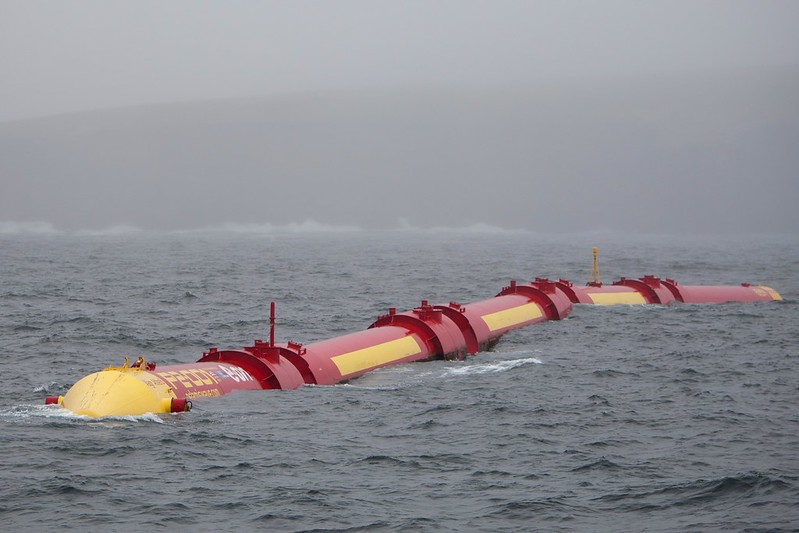
Wave energy devices come in fascinating shapes and designs that capture ocean power in different ways. Each technology tackles the challenge of harvesting wave energy with innovative engineering solutions. Pelamis systems look like giant metal snakes floating on the surface, flexing with each wave to generate power. Point absorber buoys bob up and down, converting that vertical motion into electricity.
Oscillating water column devices use wave pressure to push air through turbines, while overtopping systems channel waves into elevated reservoirs that flow back through generators. It’s amazing how engineers have found so many creative ways to harness the ocean’s endless energy.
5. Coastal cities could become completely energy independent using wave power technology.

Imagine major coastal cities like Los Angeles, Miami, or Boston powering themselves entirely from nearby ocean waves. This isn’t just wishful thinking — it’s becoming increasingly realistic as wave energy technology improves.
Coastal communities have a massive advantage because they’re sitting right next to this endless energy source. Instead of importing fossil fuels or relying on distant power plants, these cities could generate their own clean electricity from the waves that crash on their shores daily.
6. Wave farms require much less space than solar or wind installations.

Here’s something most people don’t realize about wave energy: it’s incredibly space-efficient compared to other renewable sources. A single wave energy device can generate as much power as dozens of wind turbines, and wave farms take up much less ocean space than you’d expect.
Since the devices work underwater or float on the surface, they don’t interfere with shipping lanes, fishing, or other ocean activities. This efficiency makes wave power perfect for densely populated coastal areas where land is expensive.
7. The environmental impact is surprisingly minimal compared to fossil fuel alternatives.

Wave energy systems are remarkably gentle on marine ecosystems when properly designed and installed. Unlike oil drilling or coal mining, wave power doesn’t pollute the water or air, and the devices can actually create artificial reefs that attract sea life.
The biggest environmental concern is noise during construction, but once operational, these systems run quietly underwater. Studies show that fish and other marine animals quickly adapt to wave energy installations, often treating them as new habitat structures.
8. Major energy companies are finally investing serious money in wave power development.

The wave energy industry is experiencing unprecedented investment from major players who previously focused on oil, gas, and traditional renewables. These investments are accelerating research and bringing costs down rapidly. Shell and Total have committed hundreds of millions to ocean energy projects, while Google and Amazon are funding wave power startups through their clean energy initiatives.
Traditional utilities are partnering with wave energy companies to test commercial installations, and government grants are providing additional funding for large-scale demonstration projects. When you see this kind of money flowing in from so many different sources, you know the technology is finally ready for prime time.
9. The cost of wave energy is dropping faster than experts predicted possible.
Just five years ago, wave power was prohibitively expensive compared to other energy sources. But technology improvements and increased production scale are driving costs down dramatically.
Early wave energy projects cost around 50 cents per kilowatt-hour, but new installations are approaching 15 cents — still higher than solar or wind, but competitive with traditional power plants when you factor in reliability. Industry experts predict wave energy will reach cost parity with other renewables within the next decade.
10. Island nations could eliminate their dependence on imported fossil fuels completely.

For island countries that currently import expensive diesel fuel to generate electricity, wave power represents economic freedom. Wave energy offers transformative potential for energy independence that could completely change these nations’ economies. Caribbean islands currently pay 30-40 cents per kilowatt-hour for imported fuel-based electricity, while Hawaii could save billions annually by switching to wave power systems.
Pacific island nations are testing installations that could eliminate fossil fuel imports entirely, and wave energy provides stable prices unlike the volatile oil and gas markets that have kept these communities economically vulnerable for decades. For islands surrounded by endless ocean energy, it’s the ultimate path to self-sufficiency.
11. Climate scientists say wave power could be crucial for reaching global emission targets.

The latest climate research suggests we need to deploy every available clean energy technology to avoid catastrophic warming, and wave power could play a vital role. Ocean energy offers several unique advantages in the fight against climate change.
It provides consistent baseline power that complements intermittent solar and wind energy sources. Wave power can generate electricity in coastal regions where other renewables aren’t practical, and it could power desalination plants to address water scarcity from climate impacts.