
Denial is fading, momentum is building, and change is finally on the table.

For years, it felt like the world was sleepwalking straight into disaster. Climate warnings were everywhere, but nothing really moved. Leaders made vague promises, companies pushed recycled PR slogans, and most people felt powerless to do much of anything. The science got clearer, the storms got stronger, and still—business as usual. But something’s shifting. The crisis hasn’t gone away. It’s gotten louder, more visible, and impossible to ignore. And now, finally, people are starting to respond like it matters.
Across protests, elections, courts, and corporations, the tone has changed. There’s more urgency, more pressure, and a growing refusal to accept delay disguised as progress. It’s not perfect, and it’s definitely not moving fast enough—but it is moving. And it’s not just talk. If you’ve been wondering whether the world is still stuck in neutral, the answer is no. The wheels are finally starting to turn.
1. Record numbers of young voters are choosing climate-first candidates.

The youth vote isn’t just growing—it’s getting focused. Across the world, younger generations are showing up to the polls with one issue front and center: climate action. In recent elections in the U.S., Europe, and Latin America, turnout among voters under 30 has surged, often swinging races in favor of candidates with strong environmental platforms.
As reported by The Guardian, millennials and Gen Z made up 43% of the Australian electorate in 2022, with climate ranked as a top concern among young voters. These voters aren’t just casting ballots.
They’re organizing rallies, building grassroots campaigns, and pushing for real accountability after the elections are over. Climate isn’t just one of many issues—it’s the one that shapes everything else. And politicians are starting to listen. If they want to win, they need to act.
2. Fossil fuel companies are finally being taken to court—and losing.
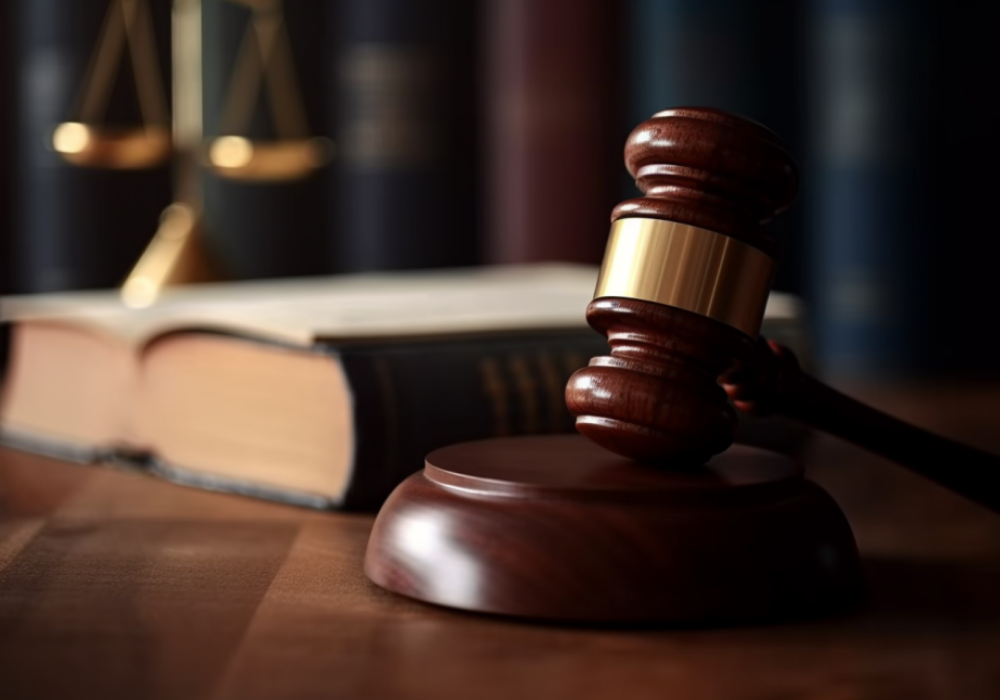
For decades, oil and gas giants operated with near-total impunity. They raked in profits while spreading doubt about climate science, funding denial campaigns, and delaying action. But now, a global wave of lawsuits is coming for them. Per John Kruzel for Reuters, in January 2025, the U.S. Supreme Court declined to hear an appeal by oil companies seeking to dismiss Honolulu’s climate lawsuit, allowing the case to proceed in Hawaii state court.
In a few high-profile rulings, companies have already been ordered to cut emissions or pay damages. And more governments, cities, and advocacy groups are lining up to hold them accountable. This isn’t just symbolic. Legal pressure forces disclosures, halts greenwashing, and hits where it hurts—reputation and revenue. For the first time, the industry that helped create the climate crisis is being forced to face real consequences. And the legal momentum is only growing.
3. Renewable energy is beating fossil fuels on price—and investors know it.

There was a time when clean energy felt like an expensive luxury, something only governments or idealists could back. That era is over. Today, solar and wind are cheaper than fossil fuels in most parts of the world—even without subsidies. According to a 2024 report by the International Renewable Energy Agency, reported by Nina Chestney for Reuters, over 80% of new utility-scale renewable energy projects in 2023 had lower costs than fossil fuel alternatives.
Big investors are taking notice. Banks, insurers, and asset managers are pulling out of fossil fuel projects and pouring money into renewables, batteries, and green tech. It’s not just about values—it’s about returns.
Clean energy is now the smarter bet, and that’s changing how the future gets built. Fossil fuels aren’t just bad for the planet—they’re becoming a financial liability. And in a system driven by profit, that matters more than almost anything.
4. Cities are ditching cars and building around people instead.

For years, city planning revolved around cars—more roads, more parking lots, more traffic. But that’s starting to change in a big way. More cities are investing in bike lanes, car-free zones, expanded public transit, and walkable neighborhoods that actually put people first. It’s not just about going green—it’s about making daily life better, cleaner, and less stressful.
From Paris to Bogotá, urban spaces are being redesigned to cut emissions and boost quality of life. Even car-obsessed cities like Los Angeles are getting on board with more bus lanes and bike infrastructure. People are realizing that less car dependence doesn’t mean inconvenience—it means more space, more freedom, and way fewer traffic jams. The shift isn’t always easy, but it’s happening. Cities are waking up to the fact that building for cars helped create this mess—and now they’re trying something smarter.
5. Extreme weather is finally pushing climate into everyday conversations.
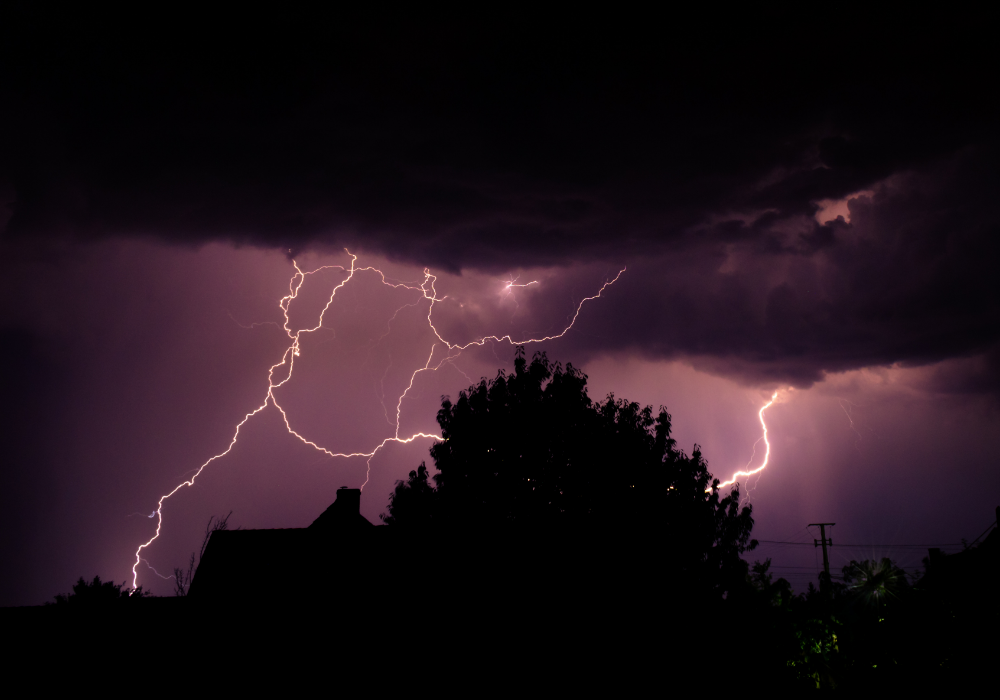
It used to take a major documentary or a science report to get people talking about climate change. Now? It’s your neighbor mentioning the weird heatwave in April, your friend texting about wildfire smoke, or your coworker complaining about flood damage—for the third time this year. The weather is getting so intense, so fast, that people are starting to connect the dots without needing an expert to spell it out.
This isn’t just chatter—it’s creating pressure. When people feel climate change in their day-to-day lives, it stops being abstract and starts feeling personal. And that’s when momentum builds. More people are talking, asking questions, and demanding action from leaders who used to skate by on empty promises. It shouldn’t have taken this much damage to get here—but now that climate is part of the daily conversation, it’s a lot harder for anyone to ignore.
6. Major brands are being called out for greenwashing—and it’s working.
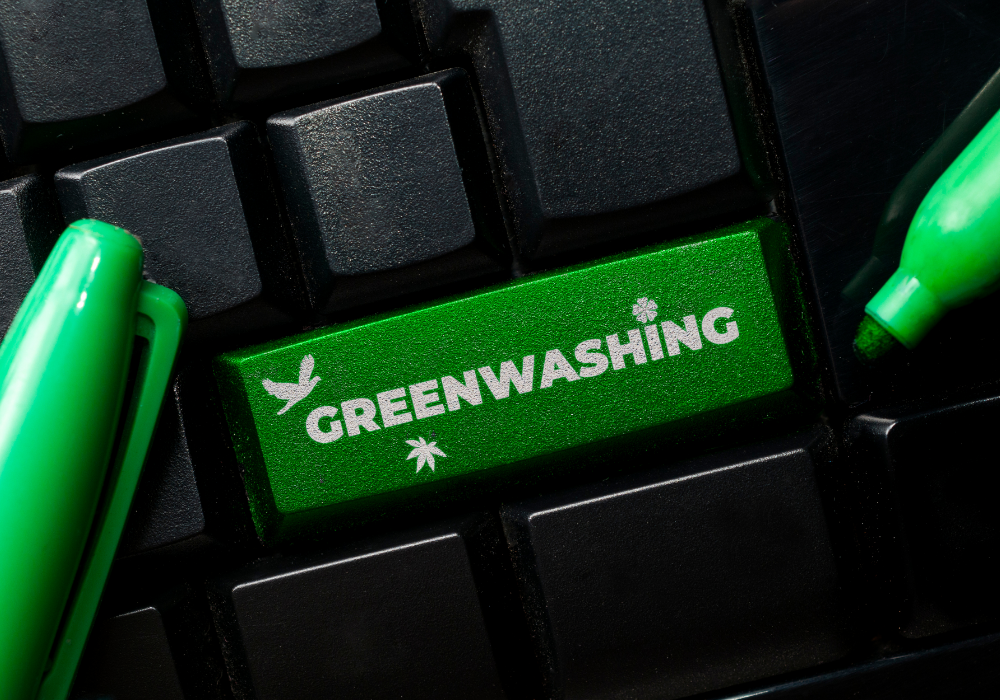
For a long time, companies got away with slapping a leaf on their packaging, using the word “eco,” and calling it a day. Now? People are done falling for it. Consumers, watchdogs, and even governments are starting to call out brands that talk big about sustainability but don’t actually follow through. And companies are feeling the heat.
Greenwashing isn’t just bad PR anymore—it’s becoming a legal and financial risk. Some brands have been fined or forced to change their messaging. Others are getting dragged on social media for selling reusable products wrapped in plastic or calling themselves carbon neutral without any real proof.
The message is clear: it’s not enough to look green—you actually have to be. And that pressure is forcing companies to rethink how they operate, not just how they market.
7. Climate protests are getting louder—and harder to ignore.

From high school walkouts to highway blockades, climate protests are becoming bigger, bolder, and more disruptive. And they’re not going away. Movements like Fridays for Future and Extinction Rebellion have taken climate action from the background noise to the front page. People are putting their bodies on the line to demand change—and they’re forcing the world to pay attention.
These protests aren’t just symbolic. They’re shifting policy, sparking legislation, and making it impossible for leaders to brush the issue aside. And it’s not just one country or one group. From Indigenous land defenders to student activists to grandmothers chaining themselves to pipelines, this movement is global and growing. The louder it gets, the harder it becomes for anyone in power to pretend the status quo is still acceptable.
8. Big banks and investors are finally pulling money out of fossil fuels.

For years, major financial institutions poured billions into oil, gas, and coal projects with barely a second thought. But now, some of the biggest players in finance are starting to walk away. Investment firms, banks, and insurers are beginning to cut ties with fossil fuel companies—not just because it’s ethical, but because it’s becoming too risky.
As climate regulations tighten and public pressure grows, fossil fuel investments look shakier by the day. Some banks have stopped funding new coal plants entirely, while others are dropping oil and gas projects that can’t meet new climate guidelines. Money talks, and when the flow of cash starts shifting away from polluting industries, that’s a big deal. The financial system is finally realizing what climate scientists have been saying for decades—fossil fuels are a bad long-term bet.
9. Climate education is starting younger and reaching more people.
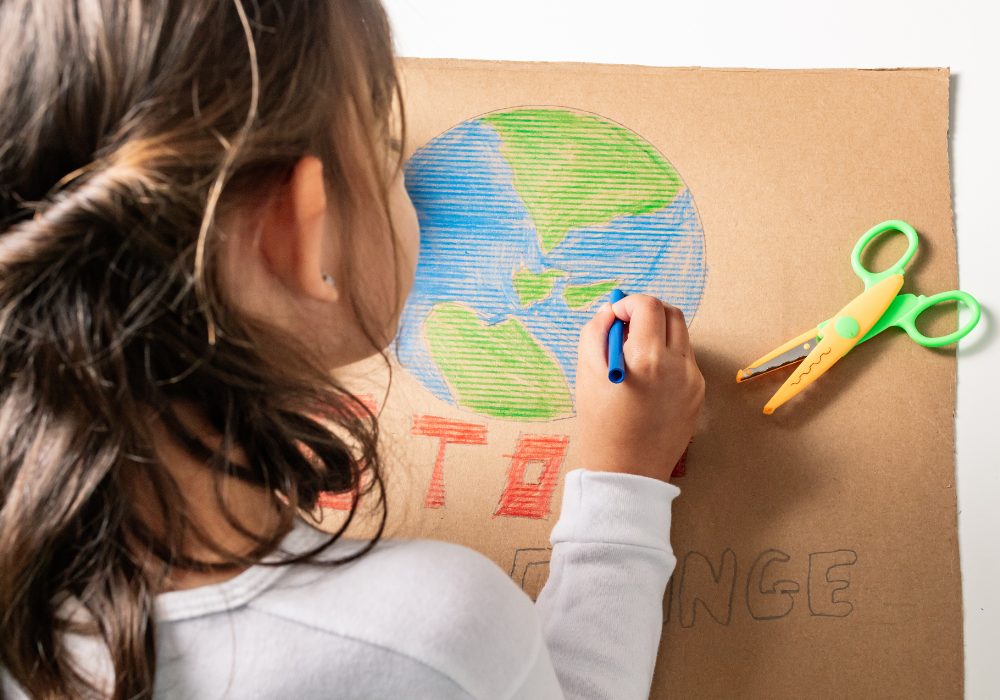
Climate change isn’t just something kids are hearing about in college—it’s starting to show up in classrooms much earlier. Schools around the world are beginning to include climate science, sustainability, and environmental responsibility in their core curriculum. It’s no longer just a side topic or a chapter at the end of a textbook. It’s front and center.
The result? A generation that understands the stakes and isn’t afraid to speak up. Kids are asking tough questions, challenging their parents, and organizing for change before they’re even old enough to vote.
Education isn’t just about facts—it’s about shaping how people see their place in the world. And the more climate literacy grows, the harder it becomes for misinformation to stick. Knowledge creates momentum, and young people are already proving they know what’s at stake.
10. Governments are finally starting to phase out fossil fuels with real policies.
It’s one thing to make promises at climate summits. It’s another to actually pass laws that cut emissions. But more countries are starting to do just that. From banning new gas-powered cars to setting official end dates for coal, governments are beginning to write fossil fuels out of the future—on paper and in policy.
Some places are going further, tying climate goals to budgets, infrastructure, and trade decisions. This isn’t just symbolic anymore. Real deadlines, real penalties, and real transition plans are showing up in national strategies. Is it happening fast enough? Not even close. But seeing major economies take real legislative steps is a shift from where we were even five years ago. The era of vague climate pledges is starting to give way to actual action.
11. Public opinion is shifting and support for bold climate action is growing.

People used to think climate change was something far off—important, but not urgent. That mindset is fading. Poll after poll shows that public concern about the climate crisis is rising, and more people are ready to support strong action, even if it means big changes. This isn’t just happening in one country or one age group—it’s global, and it’s cutting across political lines.
Support for renewable energy, stricter pollution rules, and green jobs is climbing fast. Climate action is no longer a fringe idea—it’s becoming mainstream. And when the public moves, politicians and corporations feel the pressure to move too. We’re not just talking about awareness anymore. People want results. They’re tired of delays and distractions. The more support grows, the harder it becomes for anyone in power to pretend business as usual is good enough.