
Scientists say squirrels use multiple cues to track food they hid long ago.
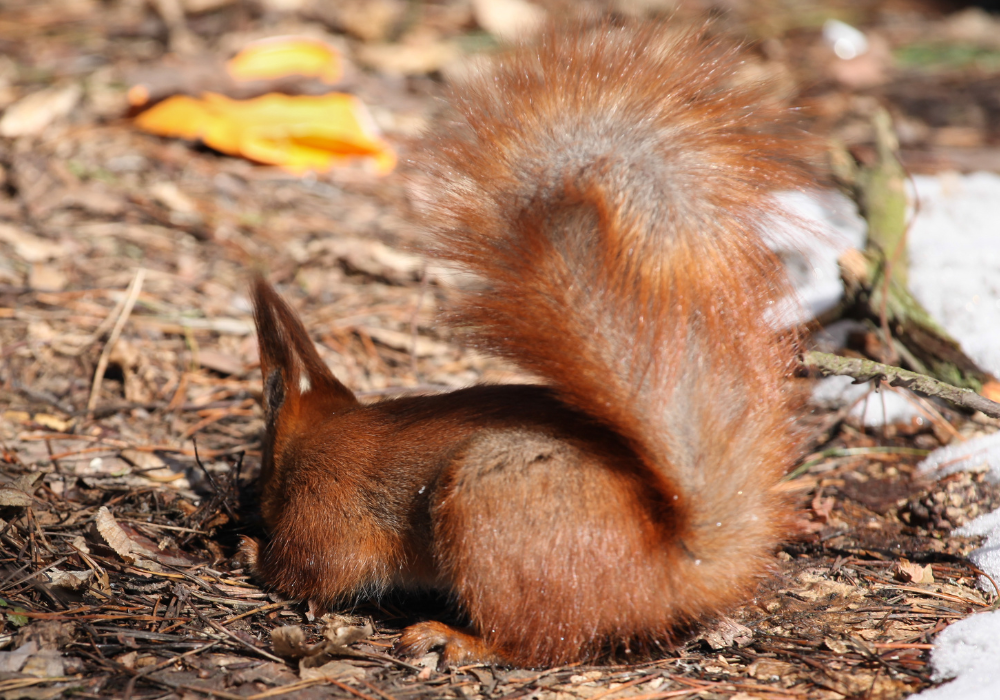
Every fall, squirrels seem to turn neighborhoods, parks, and forests into storage facilities, burying nuts in the ground for months at a time. To human eyes, the process can look chaotic, as if the animals are hiding food at random and hoping for the best.
Yet when winter arrives, many squirrels manage to recover a surprising number of those buried nuts, even after snow has fallen or landscapes have changed. Scientists have spent years studying how squirrels pull this off.
Research shows that their success comes from a mix of strong memory, environmental awareness, smell, and even social strategy.
Click through to find out how squirrels find their hidden food and what limits their accuracy.
1. Squirrels are deliberate about where they bury food
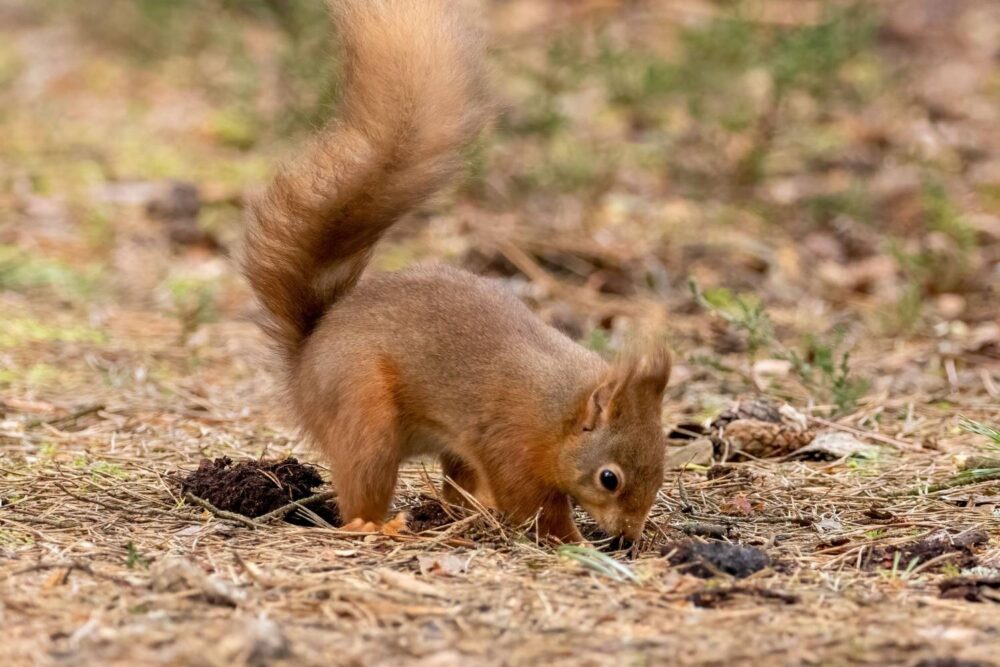
Squirrels don’t simply dig holes wherever they happen to be standing. They choose locations carefully, often near distinctive features like trees, rocks, or changes in terrain. These landmarks help them orient themselves later.
This planning reduces the chances of losing food and increases the odds they can return to the same spot months after burying a nut.
Follow us and access great exclusive content every day
2. Spatial memory acts like a mental map

Studies show that squirrels rely heavily on spatial memory to locate their caches. They remember the layout of their territory and use familiar reference points to guide them back to buried food.
When tested, squirrels are far more accurate at finding their own caches than randomly chosen locations, suggesting they remember specific spots rather than searching blindly.
3. Smell helps, but it’s not the main tool

While smell does play a role, it’s not the primary way squirrels find buried nuts. Soil, leaves, and snow can weaken scents over time, making smell unreliable on its own.
Instead, smell appears to help squirrels fine-tune their search once they’re already close to the right location.
4. Their memory can last for weeks or months

Squirrels don’t forget their caches immediately. Research indicates their memory for cache locations can last for weeks and sometimes several months, which is essential for winter survival.
This long-lasting memory allows them to spread food storage across a season instead of relying on a single stash.
Follow us and access great exclusive content every day
5. Squirrels organize caches to reduce mental strain

One reason squirrels are so effective is that they don’t treat every buried nut as a completely separate task. Many organize their caches by food type or location, grouping similar nuts in the same general areas.
This strategy, sometimes called spatial grouping, makes it easier to remember many sites without overwhelming their memory. They may also adjust their behavior based on food value. Higher-calorie nuts are sometimes buried in safer or more memorable locations, while lower-value food is hidden more casually.
By prioritizing what they bury and where, squirrels reduce the mental effort required to track hundreds or even thousands of hiding spots.
6. Social behavior shapes how squirrels protect their food
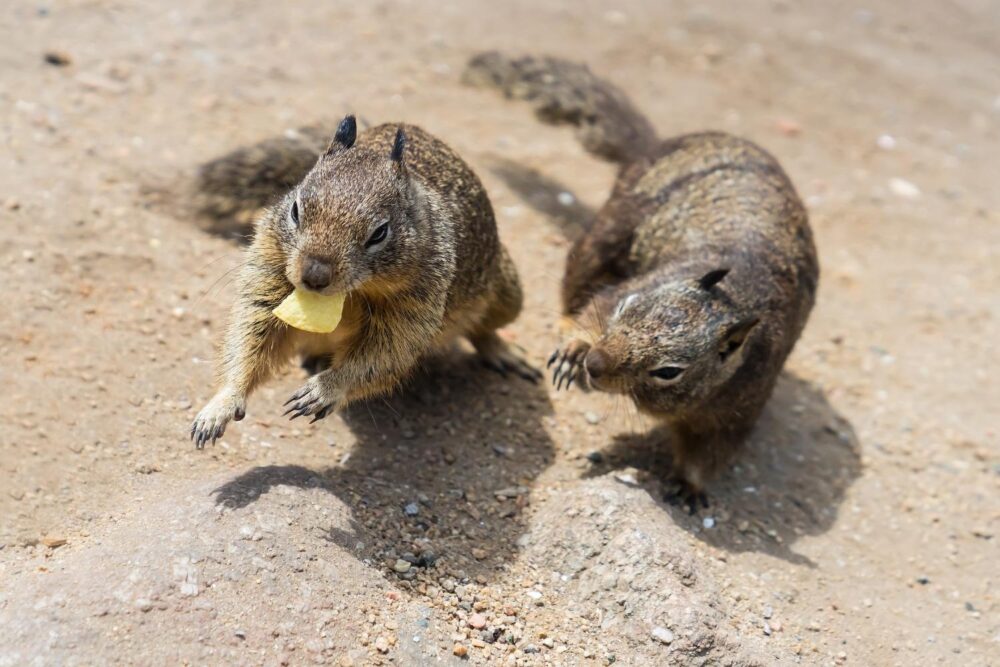
Squirrels don’t cache food in isolation. They constantly monitor other squirrels nearby and adjust their behavior if they think they’re being watched. When a potential competitor is present, a squirrel may carry a nut away from the original spot and rebury it later, out of sight.
Some squirrels even engage in deceptive behavior, pretending to bury food in empty holes to throw off onlookers. These tactics reduce theft and show that nut-finding isn’t just about memory—it also involves social awareness and strategic thinking.
7. Forgetting some nuts actually benefits the environment

Even with strong memory and organization, squirrels don’t recover every nut they bury. Some caches are forgotten, abandoned, or lost due to changing landscapes. While this might seem inefficient, it has an important ecological impact.
Forgotten nuts often sprout into new trees, helping forests regenerate and spread. In this way, squirrels unintentionally act as seed dispersers, shaping ecosystems over time. Their imperfect memory plays a quiet but meaningful role in maintaining healthy woodlands.
8. Different squirrel species use different caching strategies

Not all squirrels store food the same way. Some species rely on a few large storage areas, while others scatter hundreds or thousands of small caches across their territory. These choices depend on habitat, climate, food availability, and predator pressure.
Despite these differences, memory remains central across species. Whether managing a handful of locations or a vast network of hiding spots, squirrels rely on cognitive strategies suited to their environment and survival needs.
Follow us and access great exclusive content every day
9. Memory and smell work together during retrieval

Most scientists agree that squirrels don’t rely on a single sense to find buried nuts. Instead, they use a layered approach. Memory guides them back to the general area where food was stored, using landmarks and spatial awareness.
Once close, smell helps pinpoint the exact location, especially when soil has shifted or snow covers the ground. This combination increases accuracy and explains why squirrels can succeed even months after burying food.
10. Nut recovery is essential to survival and reproduction

Finding buried food isn’t just a clever trick—it’s critical to survival. Stored nuts provide energy during winter when fresh food is scarce. Without reliable retrieval, squirrels would face starvation during harsh conditions.
Access to food also affects reproduction and long-term health. Squirrels that recover more of their caches are more likely to survive, reproduce, and pass on effective strategies, reinforcing these behaviors across generations.
11. What this reveals about animal intelligence

Squirrels may seem ordinary, but their nut-finding abilities highlight sophisticated problem-solving skills. They plan ahead, adapt to competition, and use memory in flexible ways.
This behavior shows that intelligence in animals often appears in practical, survival-focused forms rather than obvious displays, reminding us that even common wildlife can be remarkably capable.