
These timeless films bridge generations with relatable themes, iconic scenes, and lasting emotional impact.

Classic movies aren’t just relics for film buffs—they can connect deeply with Gen Z audiences, too. With storytelling that tackles identity, rebellion, love, and justice, many older films speak in surprisingly fresh ways. Whether in black and white or soaked in mid-century Technicolor, these stories offer perspectives that align with today’s values and humor. Slower pacing and unfamiliar formats might take adjustment, but the emotional payoff is often well worth the watch.
1. Singin’ in the Rain blends humor, heart, and old Hollywood charm.
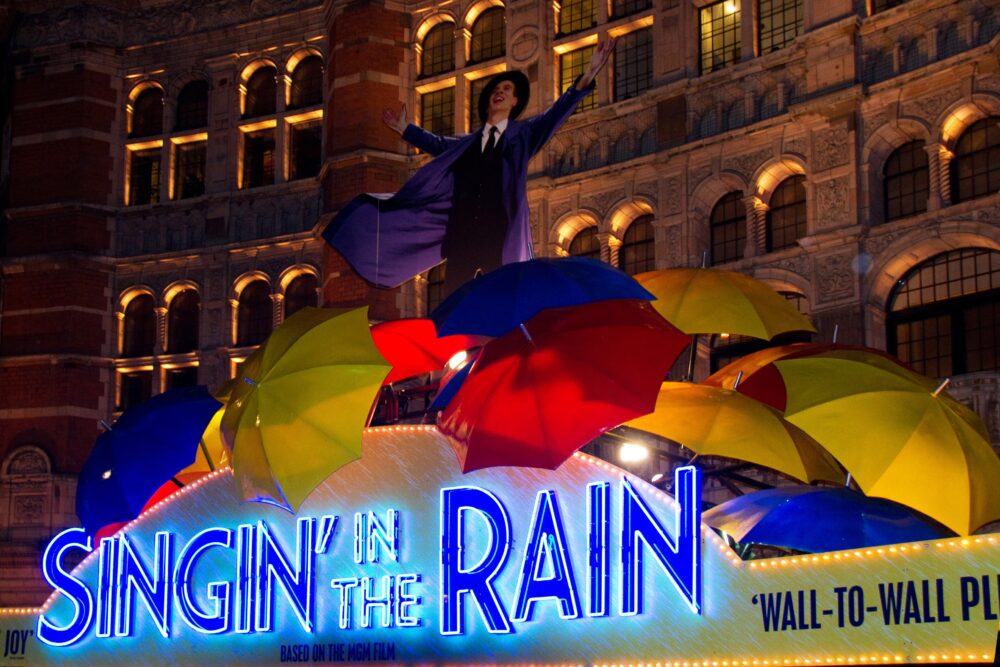
Gene Kelly’s smooth tap over a rain-soaked curb is the kind of image that lingers. Set during the film industry’s leap from silence to sound, Singin’ in the Rain blends slapstick timing with honest affection for movie magic, keeping its energy bright and constant.
Rather than feel dated, its vibrant choreography and self-aware humor draw parallels to today’s remix culture and behind-the-scenes obsession. A studio meltdown over bad audio feels oddly close to a modern podcast fail watched in real time.
2. Rear Window keeps the thrills tight with clever suspense and smart pacing.

Tension builds in Rear Window with every glance through a camera lens. Confined to a single apartment, the film follows a photographer with a broken leg who suspects a neighbor of murder—proof that one courtyard and a pair of binoculars can fuel a gripping mystery.
Without car chases or text alerts, it sharpens the focus purely on human behavior. The slow burn lets micro-gestures do the work, and the suspense feels earned—just a cracked window blind away from unease.
3. Roman Holiday offers dream-worthy travel mixed with timeless romance.
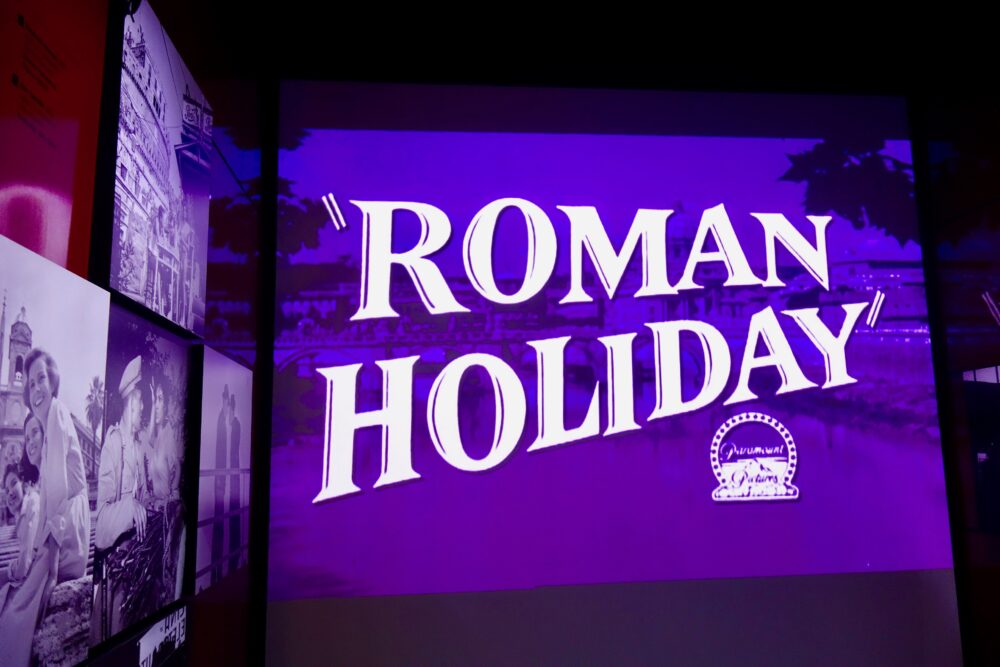
Audrey Hepburn coasts through Rome on a Vespa with a borrowed haircut and borrowed time. Roman Holiday layers whimsy over melancholia, as a runaway princess and an American reporter stumble through a short-lived adventure sparked by curiosity, gelato, and one rooftop dance.
Its appeal lies in the tension between duty and spontaneity—two people from wildly different orbits connecting briefly and deeply. Moments stretch sweetly in cobblestone alleys where time moves slower and choices echo louder.
4. Some Like It Hot spins chaos and comedy into pure entertainment gold.
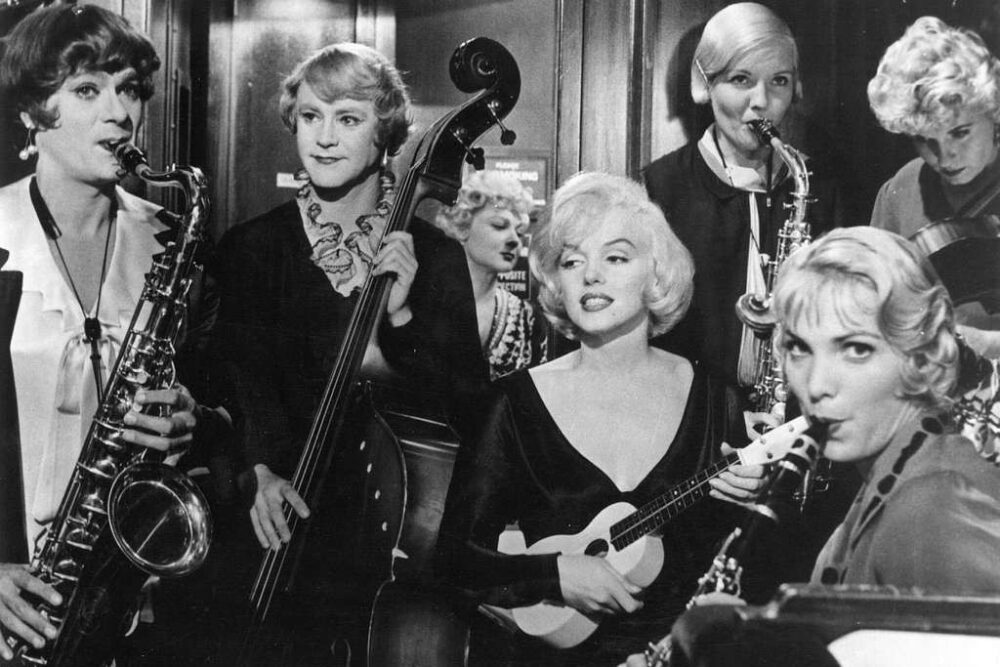
Two musicians witness a mob hit and scramble into wigs and a women’s band. Some Like It Hot pushes 1950s comedy to its breaking point, where mistaken identities and gender disguises play out across hotel rooms and train cars with screwball precision.
The chaos never feels random; it’s choreographed with exact timing and a wink. Beneath the jokes lies a quiet looseness around gender norms that reads less like parody and more like prelude to modern fluidity.
5. The Breakfast Club turns teenage angst into something surprisingly thoughtful.
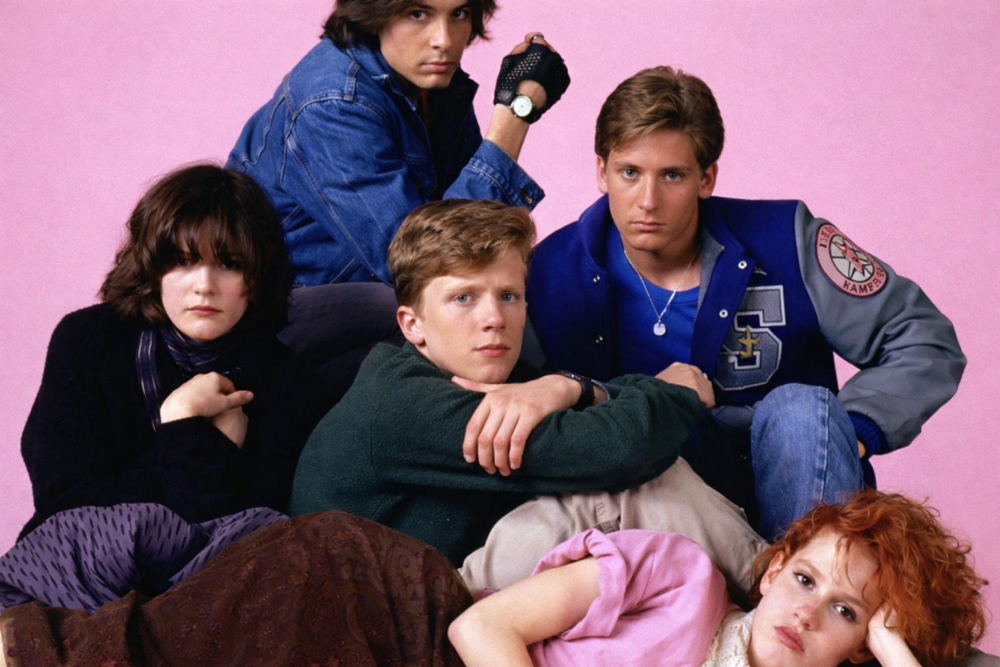
Five teens serve detention, each slouched into a stereotype, until small rebellions unravel bigger truths. The Breakfast Club unpacks social cliques with locker-room realism and a cassette-tape soundtrack that lands like an emotional time capsule.
Its strength sits in the silences—awkward, raw, or intentional. As labels fall away, the characters’ confessions feel uncoached, resembling group chats that veer suddenly into vulnerability when the usual filters drop.
6. 12 Angry Men reveals the quiet power of perspective and dialogue.
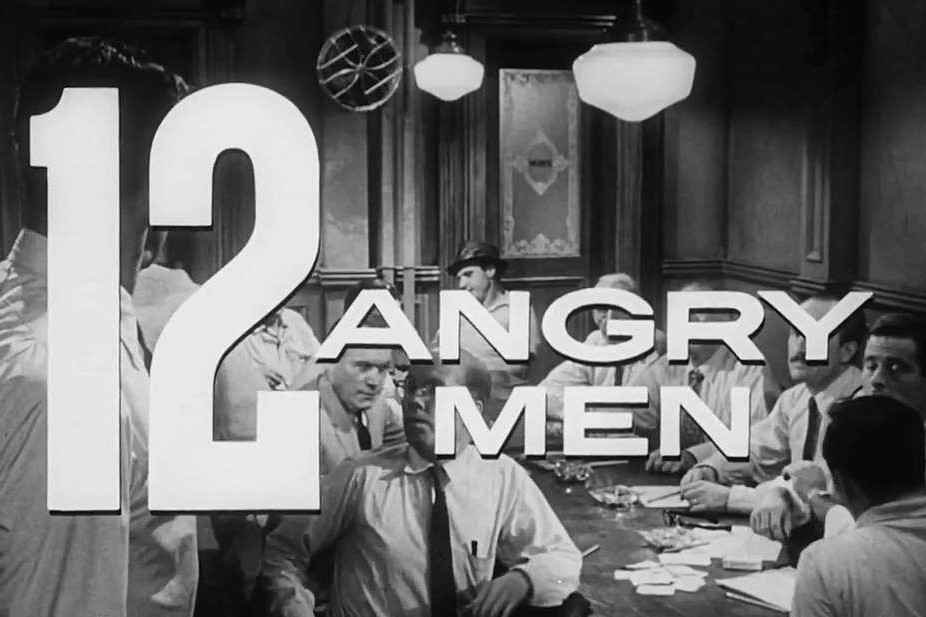
Inside one jury room, a single voice calls for doubt. 12 Angry Men shows how logic, bias, and empathy collide when stakes are high and the air runs thick with heat and frustration.
The film never leaves the room, yet each shift in opinion feels seismic. You’re not handed flashbacks or easy answers—just twelve men, a ceiling fan, and the sharp crack of a pencil breaking mid-thought.
7. The Princess Bride mixes satire, swordplay, and fairy tale flair effortlessly.
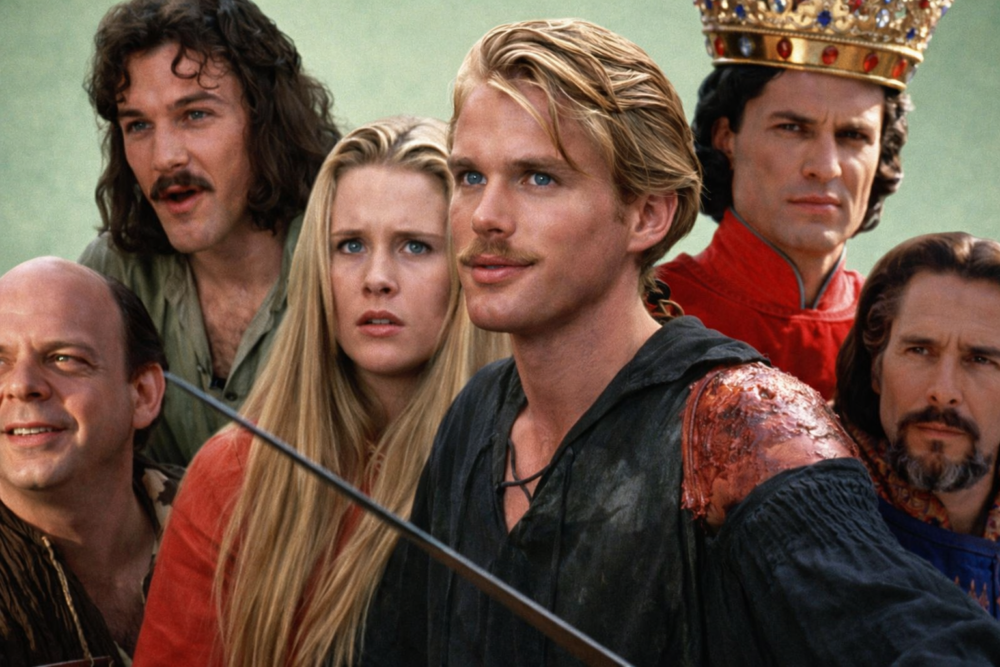
With a swordsman named Inigo, a farm boy-turned-pirate, and a six-fingered villain, The Princess Bride rides a line between satire and sincere adventure. Narrated by a cranky grandfather, it layers earnest moments between quips and cliff-climbers.
Fantasy meets comedy without winking too much at either. Every pun and duel carves into real emotion, making the storybook setting feel oddly grounded, like a campfire tale told for laughs that unexpectedly lands in the chest.
8. Ferris Bueller’s Day Off makes rebellion feel both fun and meaningful.
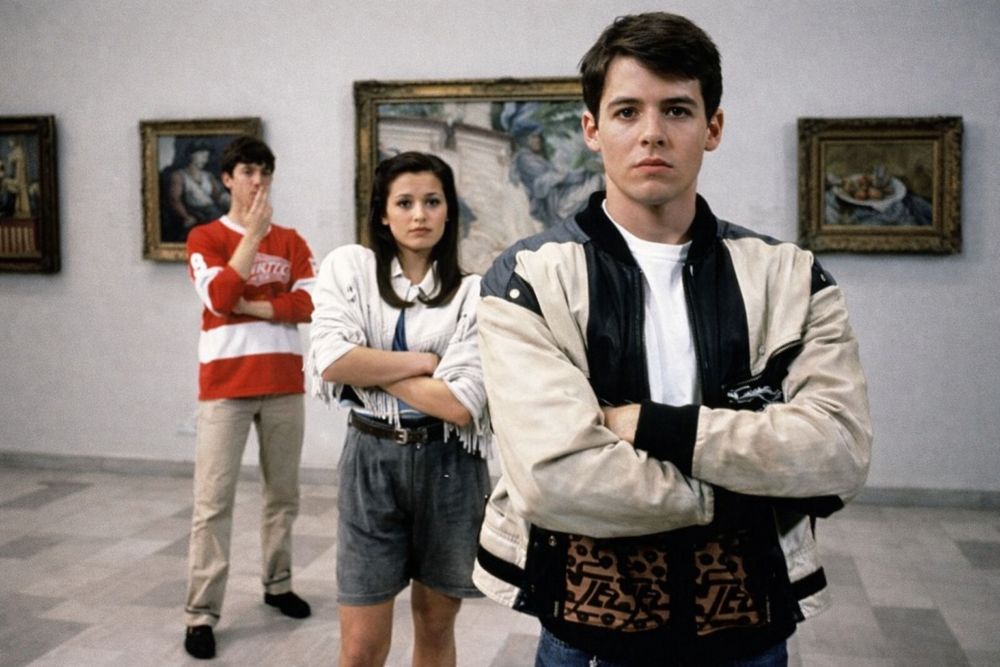
Ferris Bueller doesn’t just skip class—he hijacks a parade float, mouths The Beatles, and charms a suspicious principal without breaking sweat. Set across one perfect weekday, the film treats Chicago like an open playground.
Its rebellion avoids bitterness. Beneath the pranks, it nods to pressures of performance and the slow fear of fading unnoticed into adulthood. That rare moment on the museum bench? It asks something quietly real between noisy stunts.
9. Casablanca delivers big emotions and unforgettable lines with classic style.

A smoky bar in Casablanca holds grief, exile, and strained glamour. Despite wartime backdrop and shadows layered like velvet, the film lives on through its clipped dialogue and magnetic performances that boil love down to looks and timing.
Each line feels measured but never mechanical. When Rick says goodbye on that foggy runway, tension slices through silence like a lock turning—simple, final, unforgettable beneath the trench coat and spotlight.
10. The Truman Show challenges reality with warmth, wit, and sharp insight.

Jim Carrey’s cartoon-sincere smile fractures under artificial sunshine. The Truman Show sets its character inside a massive dome where his every move feeds a live broadcast, built atop staged streets painted sky-blue.
Rather than lean on paranoia, it pokes gently at fame, consent, and choice—packing existential unease into pastel suburbia. The soft pacing mirrors Truman’s slow awakening, and the final moment doesn’t shout; it lands like a doorknob turned quietly after years locked in.
11. To Kill a Mockingbird offers quiet drama with clear moral courage.

Gregory Peck walks with deliberate care as Atticus Finch, cutting across a sleepy Southern town charged with injustice. To Kill a Mockingbird layers a child’s voice over adult pain, letting innocence expose what formality softens.
Not every courtroom scene involves gavel-smacking verdicts—sometimes impact comes from stillness. The film doesn’t chase drama; it lets weight build like summer heat on porch steps, where silence carries more truth than any shouted speech.